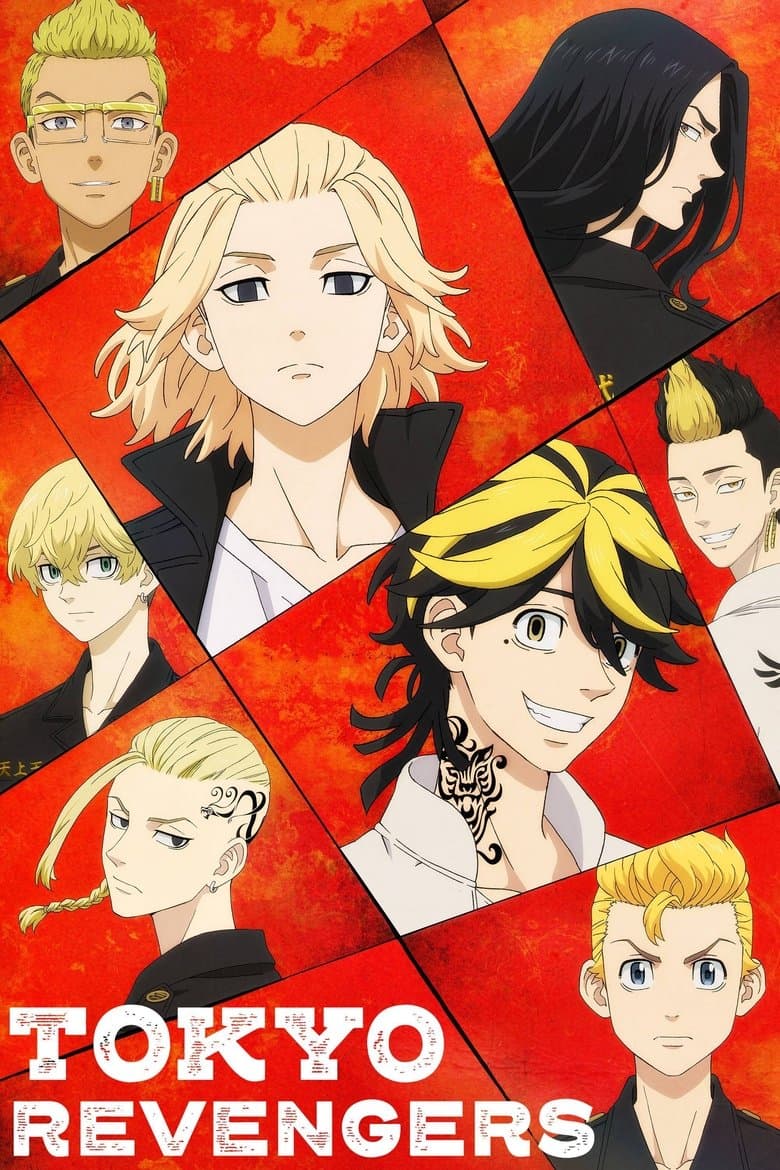
Started April 11, 2021 · Returning Series · Based on 1 season, 50 episodes through December 27, 2023 · TV-MA · 24 min · Japanese
Takemichi Hanagaki is a broke young man who learns that Hinata Tachibana, his middle school girlfriend, has been killed by the Tokyo Manji Gang. After he is pushed onto train tracks, he wakes up twelve years earlier and gets a chance to change the future. He joins the gang world of early 2000s Tokyo while trying to save Hinata, her brother Naoto, and friends who later face death or prison. The show mixes time travel, street fights, crime, romance, grief, and dark humor.
The story gives its strongest attention to loyalty, courage, guilt, family pain, and the cost of violence. Takemichi stays weak in fights, but he grows by refusing to run and by bringing rivals together. The Christmas Showdown arc follows Yuzuha as she resists her violent brother and tries to protect her family, while Inui is shown wearing high-heeled shoes without the show making that a major issue. These identity-related details are brief, and the larger story remains a male gang drama about friendship, revenge, and changing fate.
Community feedback
Was our 10% Woke rating accurate?
Breakdown
These are the editorial factors and ratings behind our score for Tokyo Revengers.
Woke representation / casting
Not present. The anime uses Japanese characters in a Tokyo youth gang setting. Its cast choices are not presented as a diversity message.
0%
Woke political dialogue
Not present. The dialogue focuses on gangs, loyalty, family abuse, death, and changing the future. It does not push modern DEI, identity, or activist ideas.
0%
Identity-driven story themes
Inui repeatedly wears high-heeled shoes as part of his fashion, and the show does not treat that as a problem. Yuzuha fights her abusive brother and tries to protect her family in the Christmas Showdown arc. These moments add mild gender-role and nontraditional style signals, but they do not drive the main story.
14%
Western institutional / cultural critique
Not present. The show presents gang violence and family abuse as personal dangers. It does not blame modern Western institutions, capitalism, patriarchy, Christianity, or traditional family life as systems.
0%
Woke character or canon changes
Not relevant. The anime keeps the Japanese characters, gang groups, and main relationships from Ken Wakui’s manga. No race, gender, sexuality, or hero-role change was reported.
0%
Anti-woke backlash and complaints
Not present. Reported complaints focused on manji-symbol censorship, cultural confusion, poor visual edits, story pacing, and animation. They did not claim that the show pushed woke, DEI, or identity politics.
0%
Creator track record context
Yoriko Tomita has written other stories about gender presentation and sexuality, which gives this title a small identity-related context score. Her public profile is craft-focused rather than activist. Ken Wakui, the original creator, has a genre-focused record about gangs, loyalty, violence, and redemption. The directors and producers have no strong public woke or activist pattern.
15%
Production
TV Show · 2023
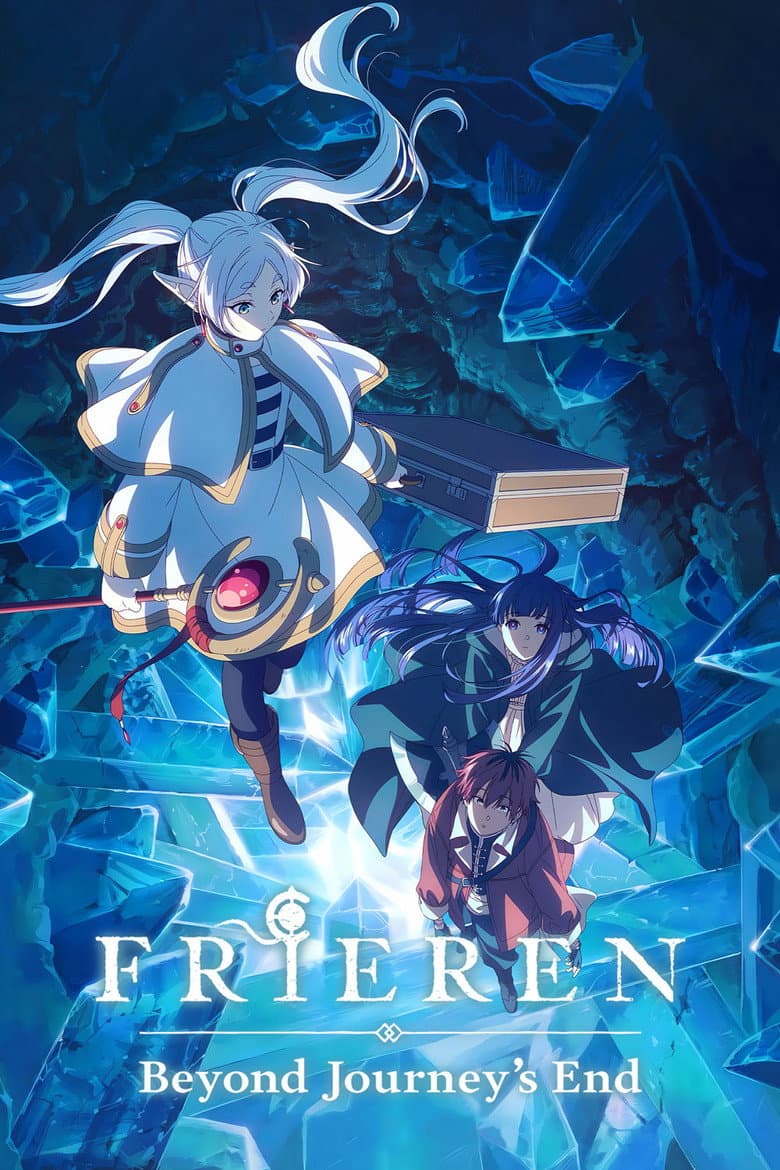
After the party of heroes defeated the Demon King, they restored peace to the land and returned to lives of solitude.
TV Show · 2023
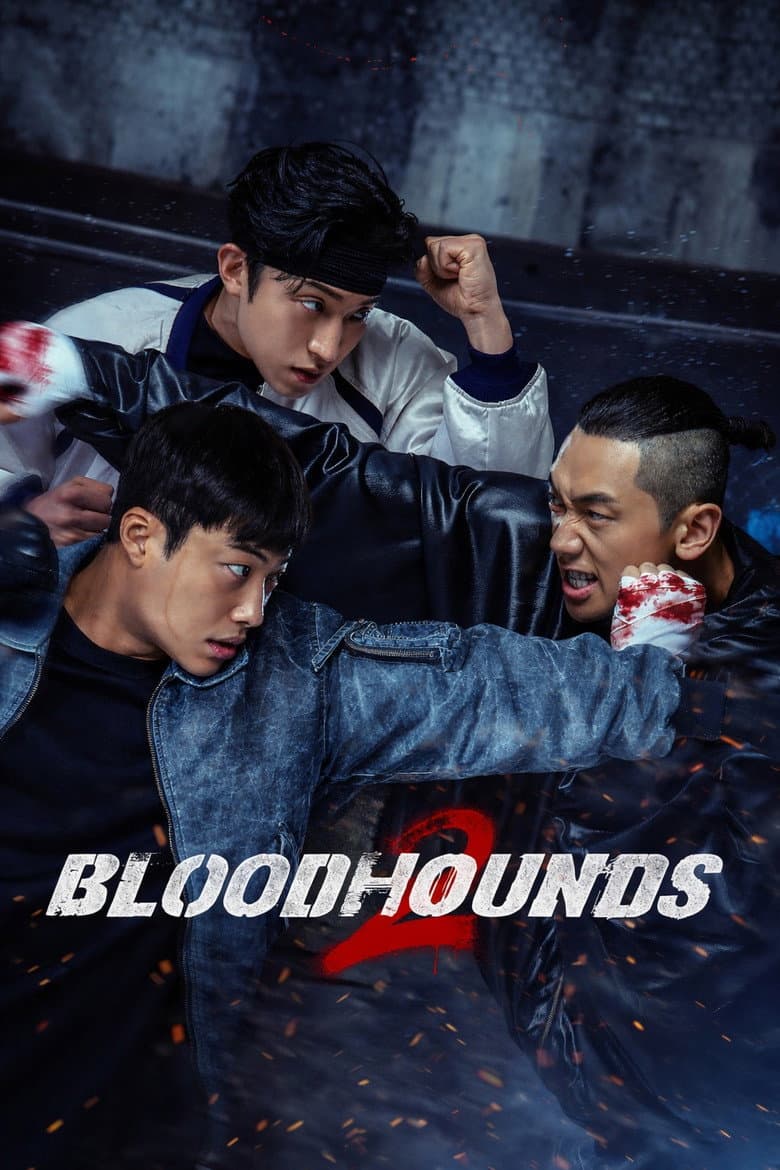
Faced with ruthless foes with a violent thirst, two young boxers band together — risking life and limb to bring justice and protect their loved ones.
TV Show · 2019
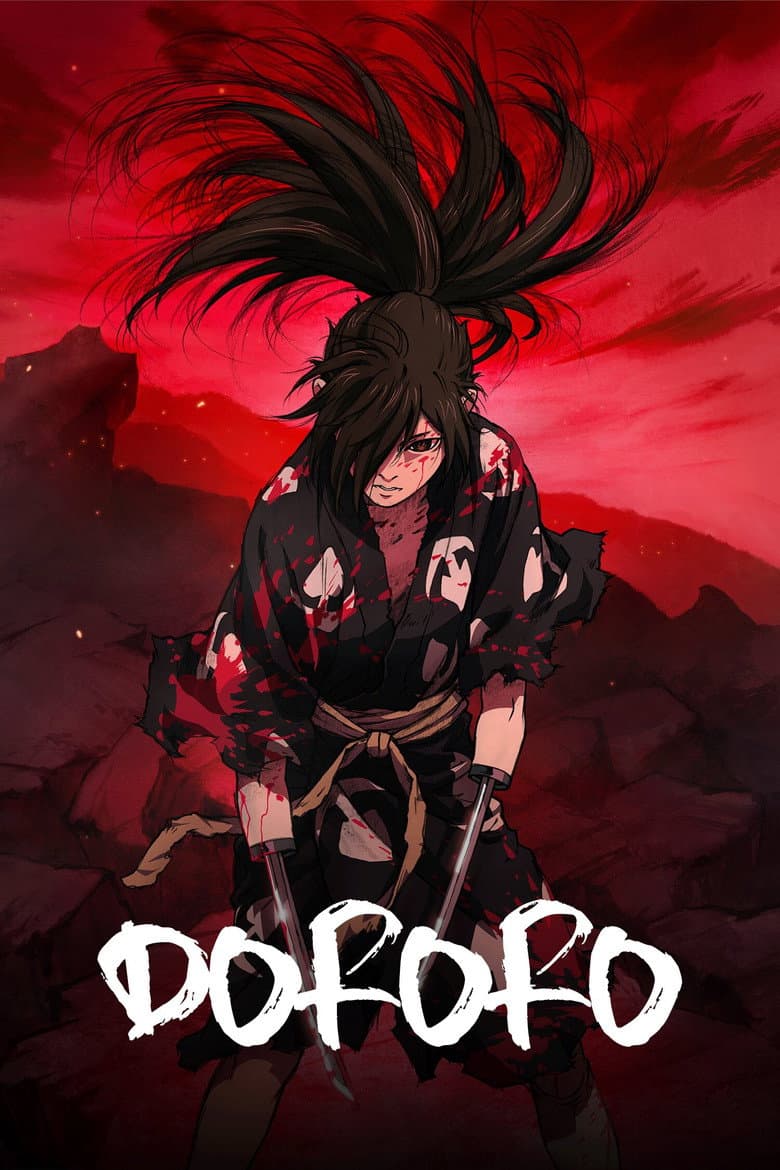
During the Warring States period, the young thief Dororo encounters Hyakkimaru, a strange, sightless boy who wields fearsome prosthetics in place of his missing limbs.
TV Show · 2025
Before The Terminal List, Navy SEAL Ben Edwards finds himself entangled in the black operations side of the CIA.
TV Show · 2016
Even though two brothers are completely separated from each other after the imprisoning of their father and the kidnapping of their twin brother, they meet by coincidence years…
TV Show · 2021
A happily married man's life is turned upside down when his wife is killed in a mysterious hit-and-run accident in Tel Aviv.
TV Show · 2022
High school soccer players from across Japan gather for a controversial project designed to create the best — and most egoistic — striker in the world.
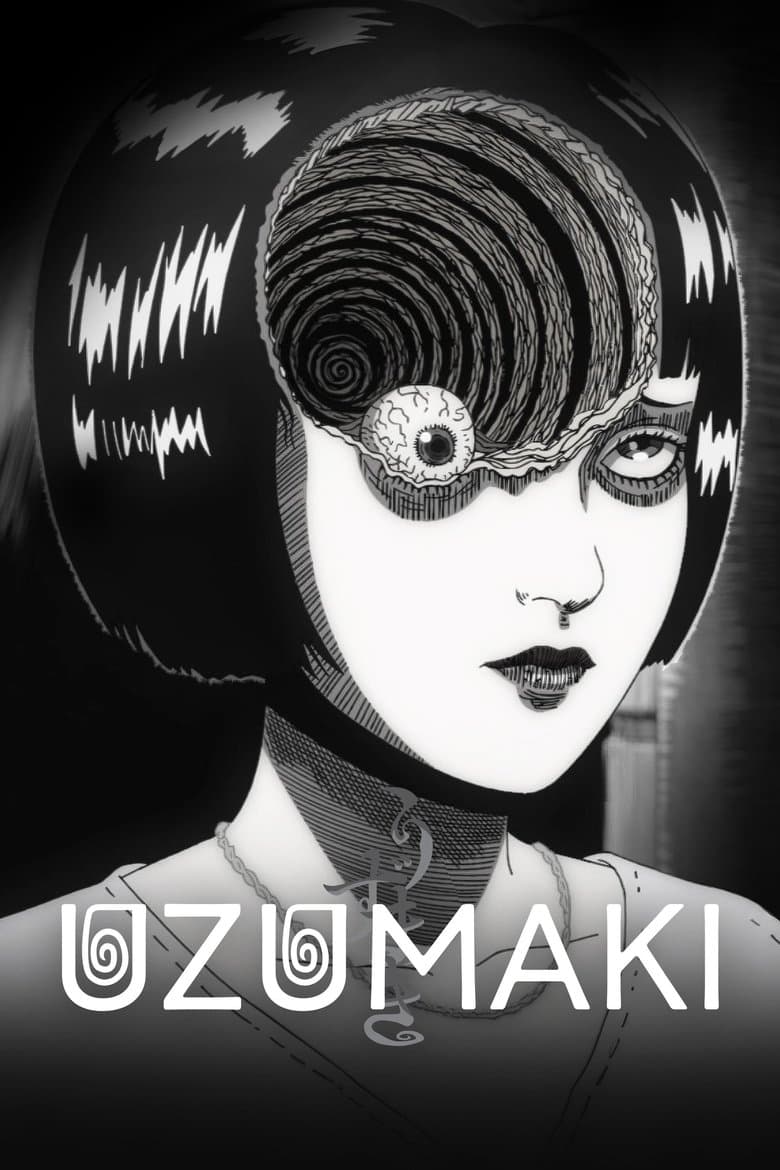
TV Show · 2024
Kirie tries to escape from her town Kurouzu-cho, where the residents get obsessed with spirals due to an unexplained curse.
