Started July 17, 2025 · Returning Series · Based on 1 season, 6 episodes through July 17, 2025 · TV-MA
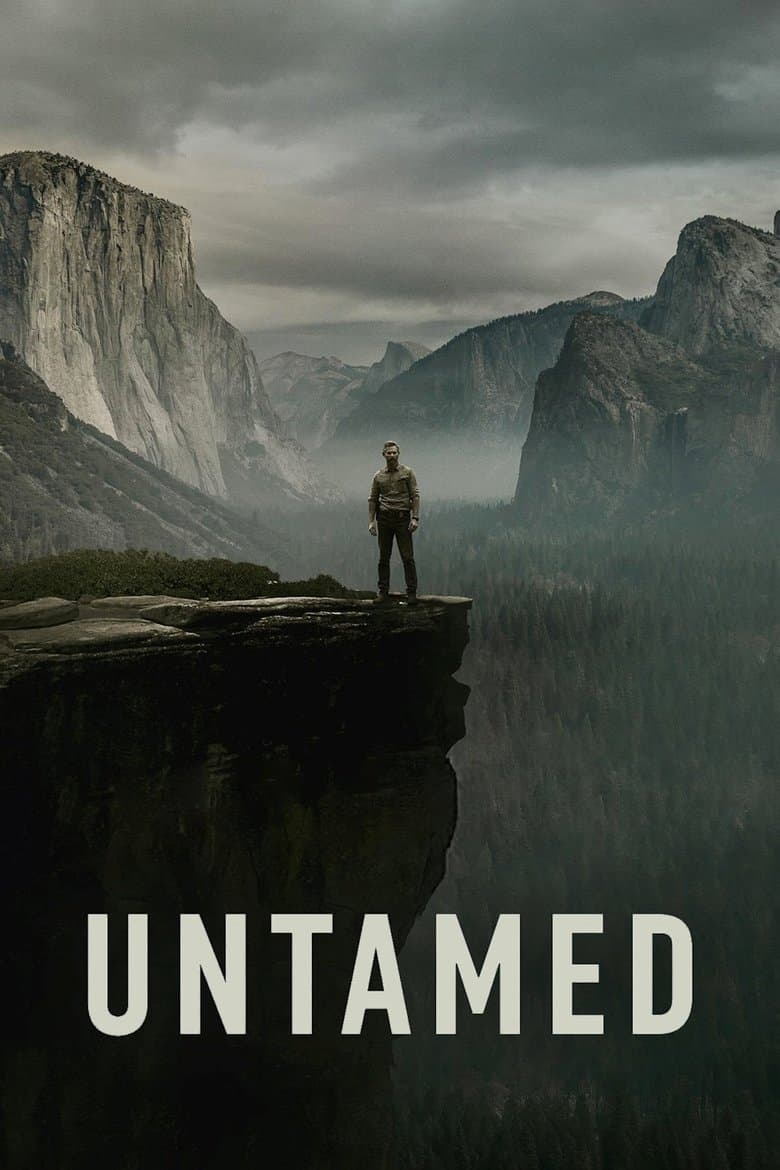
UNTAMED follows Kyle Turner, a National Park Service special agent who knows Yosemite better than he knows how to handle people. When a young woman falls from El Capitan, Kyle sees signs that she was shot before the fall and begins a murder case with rookie ranger Naya Vasquez. Kyle is still grieving the murder of his son, Caleb, and his pain affects his work and his broken marriage. The six episodes mix a dark crime mystery with horseback travel, mountain danger, family secrets, and a slow search for peace.
The show gives Naya a large role as a Latina former Los Angeles officer and single mother who grows into a capable ranger. The case also follows Lucy Cook, a young woman with Miwok family ties, and Jay Stewart, who speaks about his people’s spirits in the valley. These identity details shape parts of the mystery, but they do not control the main story. The show mainly focuses on crime, grief, parenthood, abuse, duty, and the bond between people and the wilderness.
Community feedback
Was our 21% Woke rating accurate?
Breakdown
These are the editorial factors and ratings behind our score for UNTAMED.
Woke representation / casting
Naya Vasquez is a prominent Latina former Los Angeles officer who becomes the male lead's equal partner in the park. Jay Stewart is an Indigenous friend whose Miwok background is visible in the plot. The director also called Naya and Jill unusually strong women for this kind of story. The show does not sell the casting as a diversity campaign, so the signal stays small.
18%
Woke political dialogue
Jay says the valley holds 4,000 years of Miwok spirits. Another scene calls Kyle the first white man to be run off their land. The case also mentions checking for missing Indigenous girls and includes a group chanting about their earth and land. These lines add identity and land language, but no character gives a modern activist speech.
10%
Identity-driven story themes
Lucy Cook's hidden past includes Miwok family ties, a mother who knew the valley, and a spiritual farewell called El-o'-win. Jay's account of his people's bond with the land helps shape the show's emotional ending. The story also centers on a child being taken from family and placed in a harmful home, but it does not connect that event to a wider political system. Crime, grief, parenthood, and abuse remain more important than identity.
24%
Western institutional / cultural critique
Jay frames Kyle as the first white man pushed from Miwok land. The park also hides bad news to protect tourism, and a pastor's foster home abuses children. The show treats these as plot problems rather than proof that Western society or Christianity is corrupt. The wider story does not turn them into a broad activist attack.
10%
Woke character or canon changes
Not relevant. original story with no established characters, canon, or historical figures altered for ideological reasons.
0%
Anti-woke backlash and complaints
Not present. No significant anti-woke or right-leaning complaints found in coverage or online discussion; public focus remains on entertainment, visuals, and park inaccuracies.
0%
Creator track record context
The writers and most directors have no clear activist record. Thomas Bezucha has the clearest past signal because Big Eden showed gay life in a positive way, but his recent work is not identity-focused. His Untamed interview said Naya and Jill were unusually strong women for this kind of story. The current title has only a small match with that context.
12%
Production
TV Show · 2024
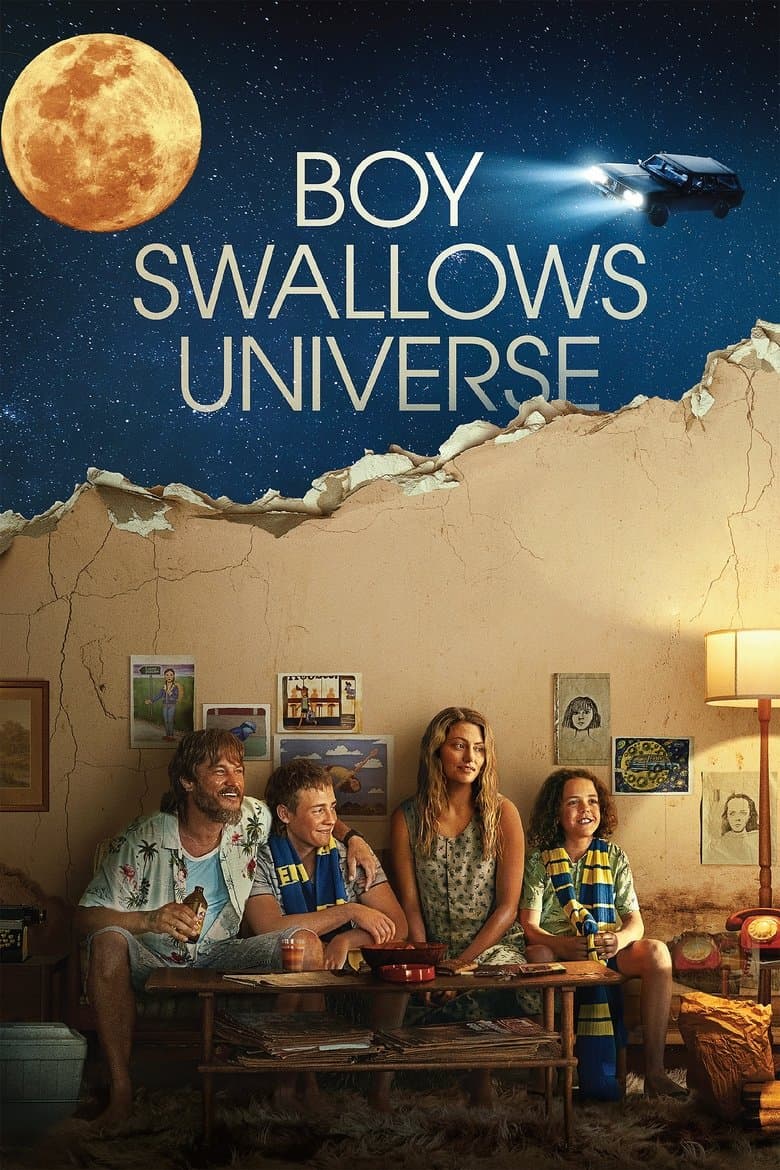
A young boy growing up in the suburbs of 1980s Brisbane faces the harsh realities of life — and the looming dangers that threaten his family.
TV Show · 2019
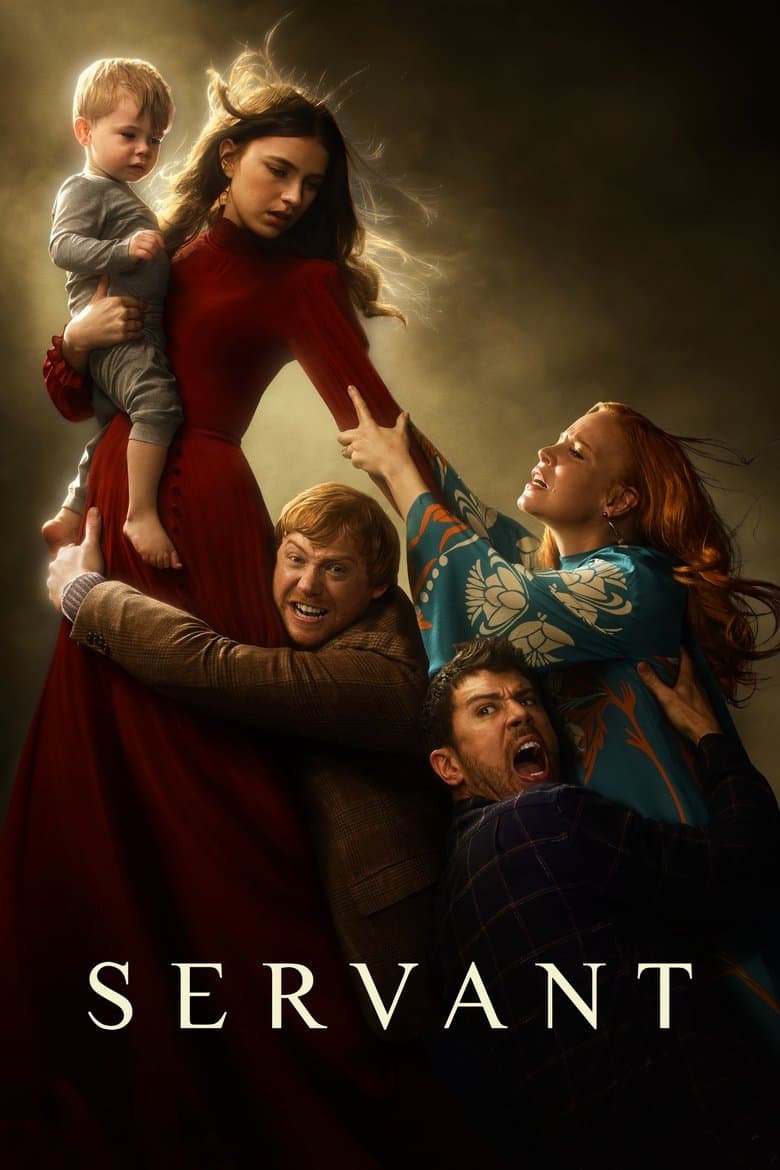
A Philadelphia couple are in mourning after an unspeakable tragedy creates a rift in their marriage and opens the door for a mysterious force to enter their home.

TV Show · 2024
Kirie tries to escape from her town Kurouzu-cho, where the residents get obsessed with spirals due to an unexplained curse.
TV Show · 2022
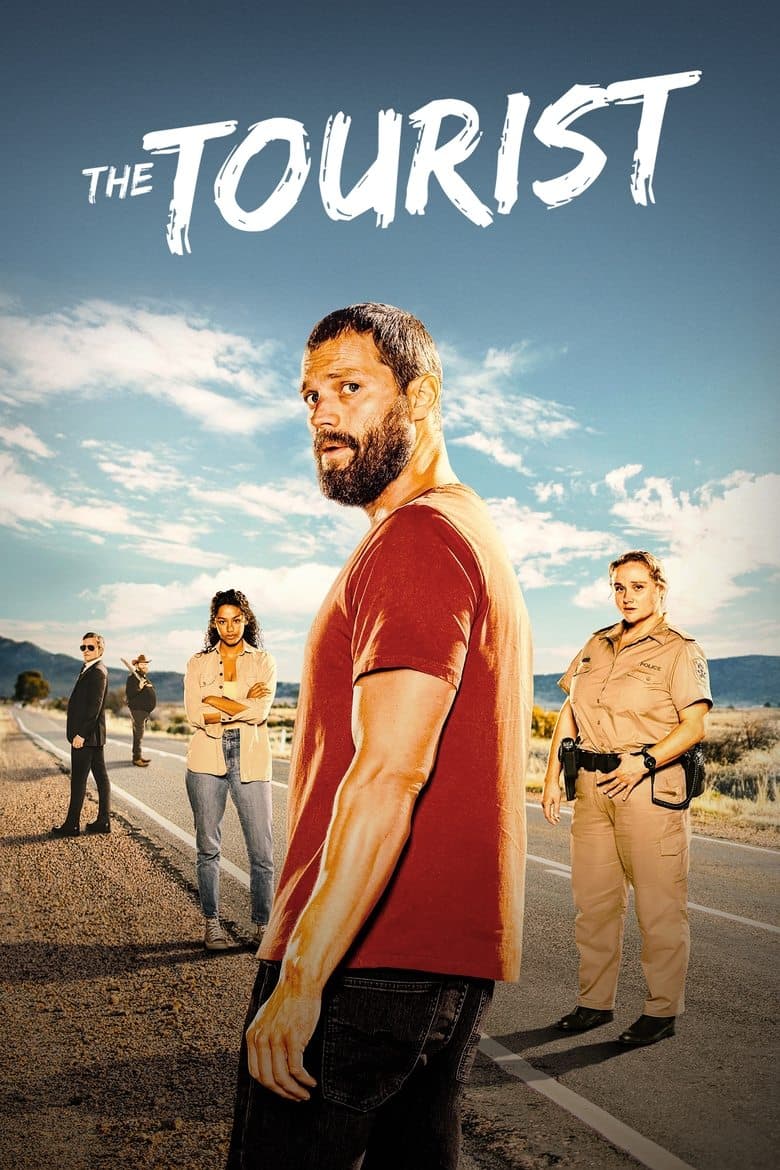
When a man wakes up in the Australian outback with no memory, he must use the few clues he has to discover his identity before his past catches up with him.
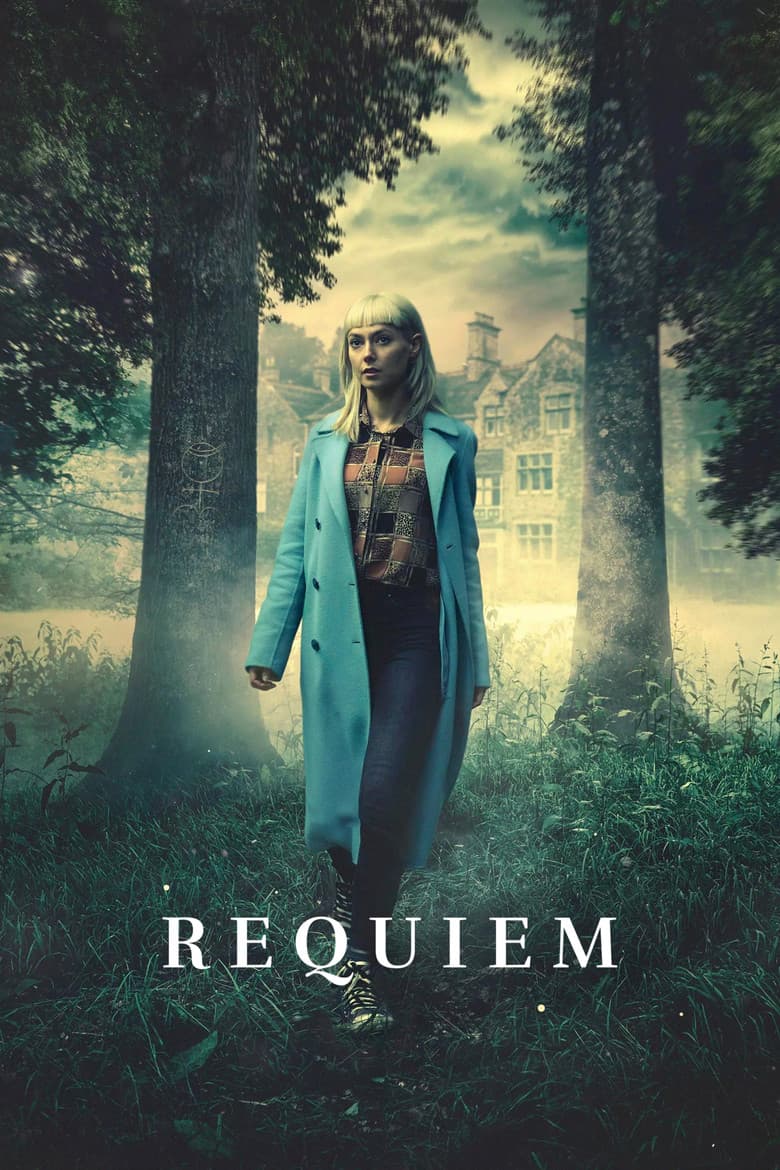
TV Show · 2018
In 1994, a toddler disappeared from a small Welsh village, never to be seen again. 23 years later, in London, the mother of rising cello star Matilda Gray commits suicide, without…
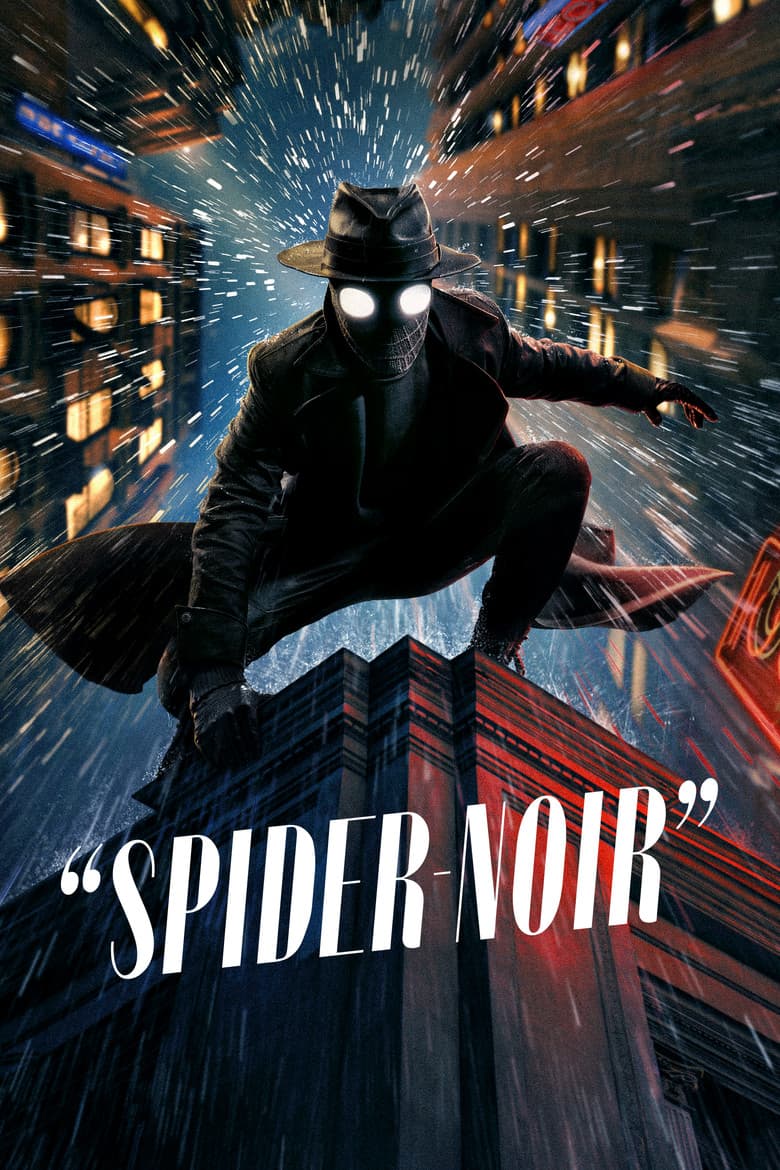
TV Show · 2026
Ben Reilly, an aging and down on his luck private investigator in 1930s New York, is forced to grapple with his past life as the city's one and only superhero.
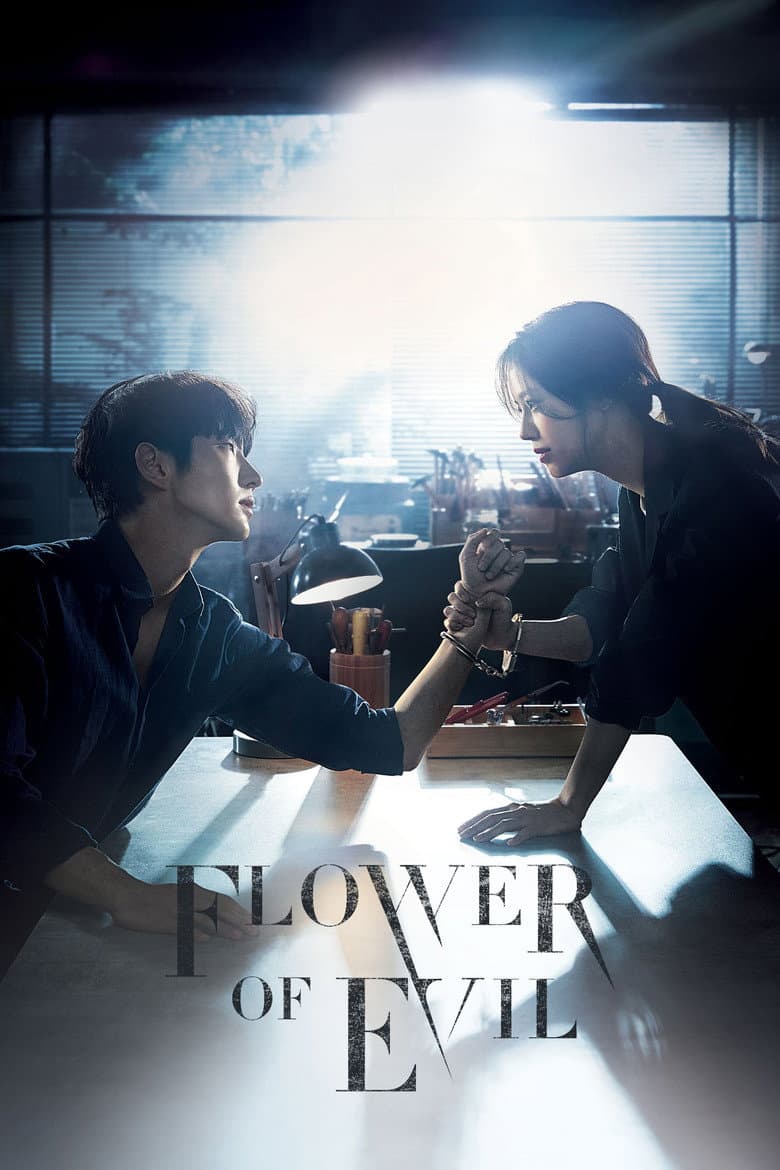
TV Show · 2020
Hiding a twisted past, a man maintains his facade as the perfect husband to his detective wife — until she begins investigating a series of murders.
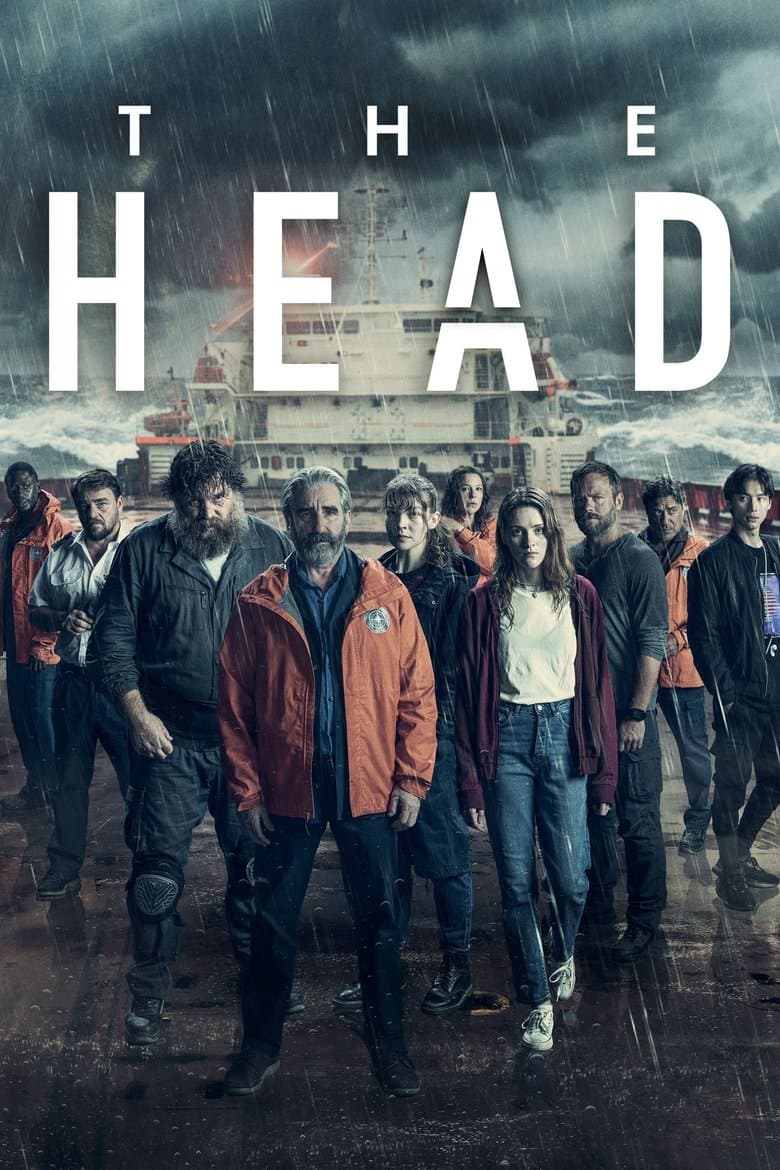
TV Show · 2020
In an isolated and inaccessible Antarctic research station in which winter has fallen on the South Pole and the sun will soon disappear for the next six months, a small team…
