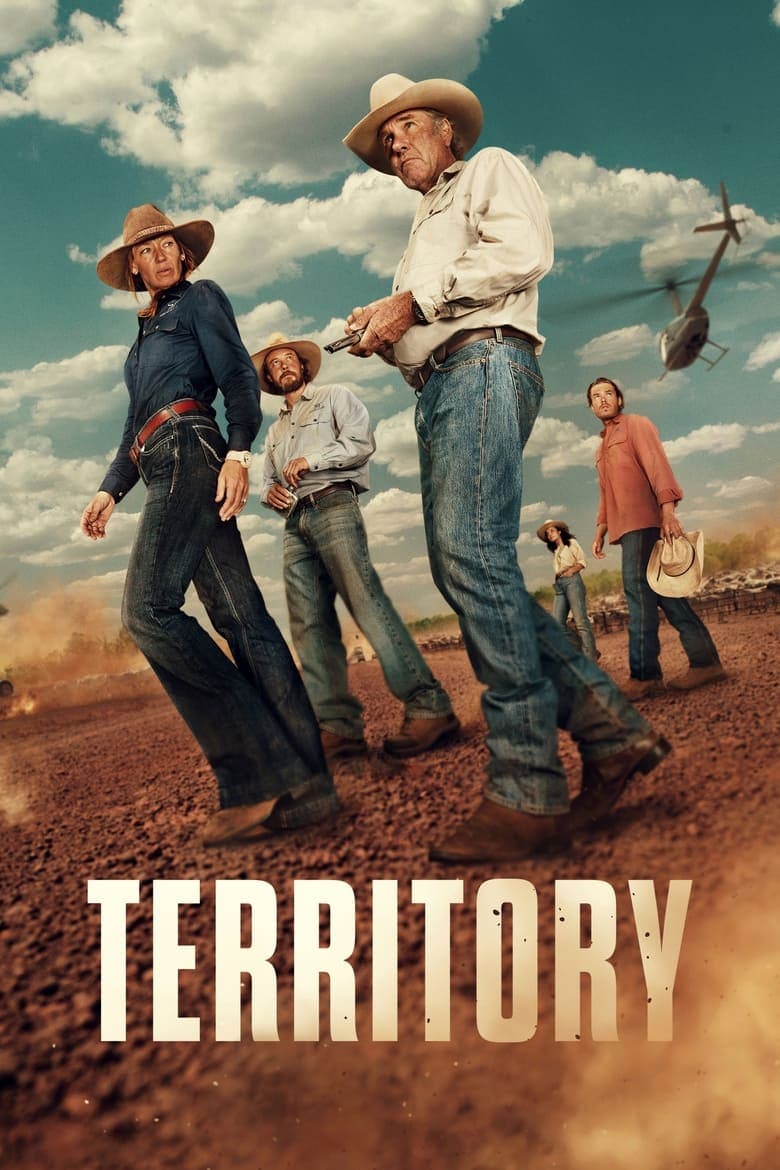
Started October 24, 2024 · Canceled · Based on 1 season, 6 episodes through October 24, 2024 · TV-MA
Territory follows the Lawson family, which has run Marianne Station, a huge cattle property in Australia's Northern Territory, for five generations. When Daniel Lawson dies after a dingo attack, his father Colin must choose a new heir while rivals close in. Graham wants the station, Marshall is pulled back into the family, and Emily works to protect her place and her daughter Susie. The six episodes mix family betrayal, crime, romance, violence, and harsh outback survival with a wild and dramatic Western tone.
The show gives a large side story to Nolan Brannock, an Aboriginal cattle owner who tries to build his own station while serving his community. Nolan, Dezi, Sharnie, Keeley, and Uncle Bryce face land disputes, racist treatment, and a fight over a sacred place. The story says Native Title and pastoral leases can be pushed aside by mining leases, and it presents a plan to hide nuclear waste on the land as a major threat. Emily and Susie also challenge the old male order at Marianne, but the main plot remains a bitter family fight over money, land, and control.
Community feedback
Was our 60% Woke rating accurate?
Breakdown
These are the editorial factors and ratings behind our score for Territory.
Woke representation / casting
Territory gives prominent roles to Indigenous Australians, including station owner Nolan, apprentice Dezi, Sharnie, Keeley, and Uncle Bryce. Those choices fit the Northern Territory setting and the land conflict that drives their scenes. Emily is the main female power player, and Susie also pushes into station work. The creators describe Emily as fighting the station’s toxic patriarchy, which adds an identity-framed message to the casting. The pattern is noticeable, but it does not shape every major role.
38%
Woke political dialogue
Characters repeatedly discuss Native Title, pastoral leases, and mining leases. Nolan and other Indigenous characters speak about white cattle owners and miners profiting from their land. Characters warn that a road through a sacred place and a uranium waste plan could harm the community and the land. These lines recur in the land subplot, but they do not fill most scenes.
42%
Identity-driven story themes
The show follows Nolan as he balances duties to his Aboriginal community with the white-run cattle business. The Indigenous community keeps fighting for access to land and protection of a sacred place through the final shootout. Sharnie treats family pressure to marry and raise children as a prison, while Emily and Susie seek power in a male-run station. These themes recur across the season, but the larger story remains a family fight over succession.
55%
Western institutional / cultural critique
Colin is shown as a racist and sexist bully who keeps power through the old Lawson family system. The land rules favor mining leases over Native Title and pastoral leases, and Sandra uses that system to threaten the station. The finale treats the destruction of a sacred place and the planned storage of nuclear waste as harms caused by wealthy business interests. The show criticizes old male power, land law, and mining wealth throughout the season, while it does not attack Christianity.
53%
Woke character or canon changes
Not relevant. Territory is an original series with no established source characters or real historical figures being reworked.
0%
Anti-woke backlash and complaints
Not present. The supplied X pass found no anti-woke complaints, boycott, or review-bombing. Web and audience discussion focused on Yellowstone comparisons, pacing, the open ending, and ordinary cancellation disappointment.
0%
Creator track record context
Kodie Bedford and Steven McGregor have strong records of First Nations storytelling and anti-racism work. Michaeley O’Brien also supports diverse and Indigenous writers, while Paul Ranford and Anousha Zarkesh have notable social-issue and diversity links. Timothy Lee, Ben Davies, Greg McLean, Ian Collie, and Rob Gibson have mostly commercial or genre-focused records. The mixed team leans toward representation-focused work because the writers and casting director carry much of that profile. That context supports the show’s land and identity material, but it does not make the whole project activist-led.
45%
Production
TV Show · 2016
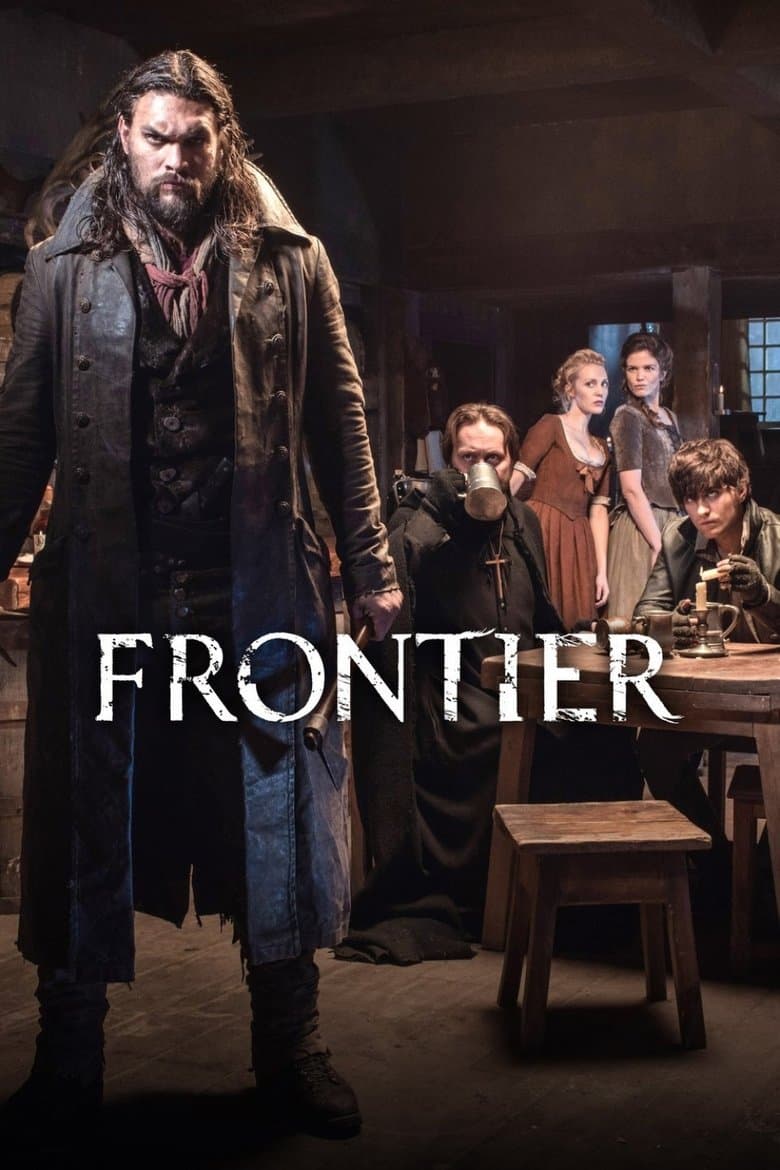
In 18th-century North America, ruthless trappers and entrepreneurs fight to wrest control of the fur trade from the mighty Hudson's Bay Company.
TV Show · 2025
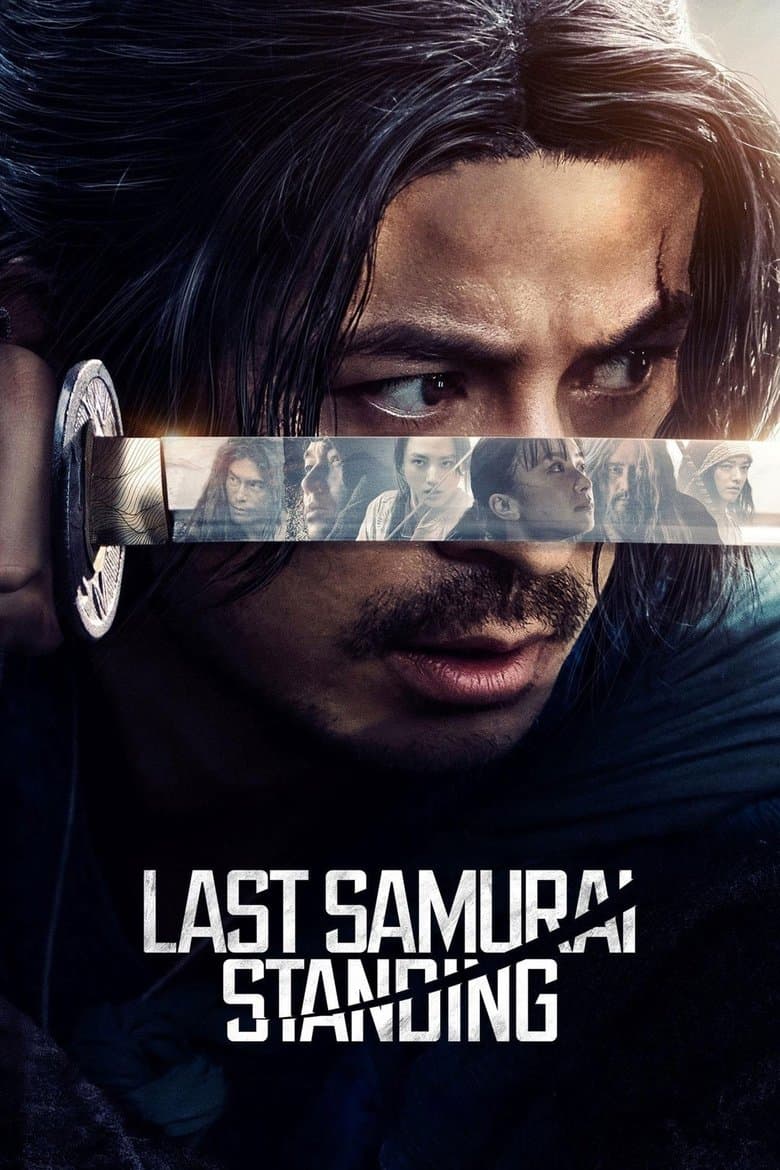
In the early Meiji era, Shujiro, once known as an undefeated samurai, decides to participate in a deadly survival game to save his family and villagers.
TV Show · 2023
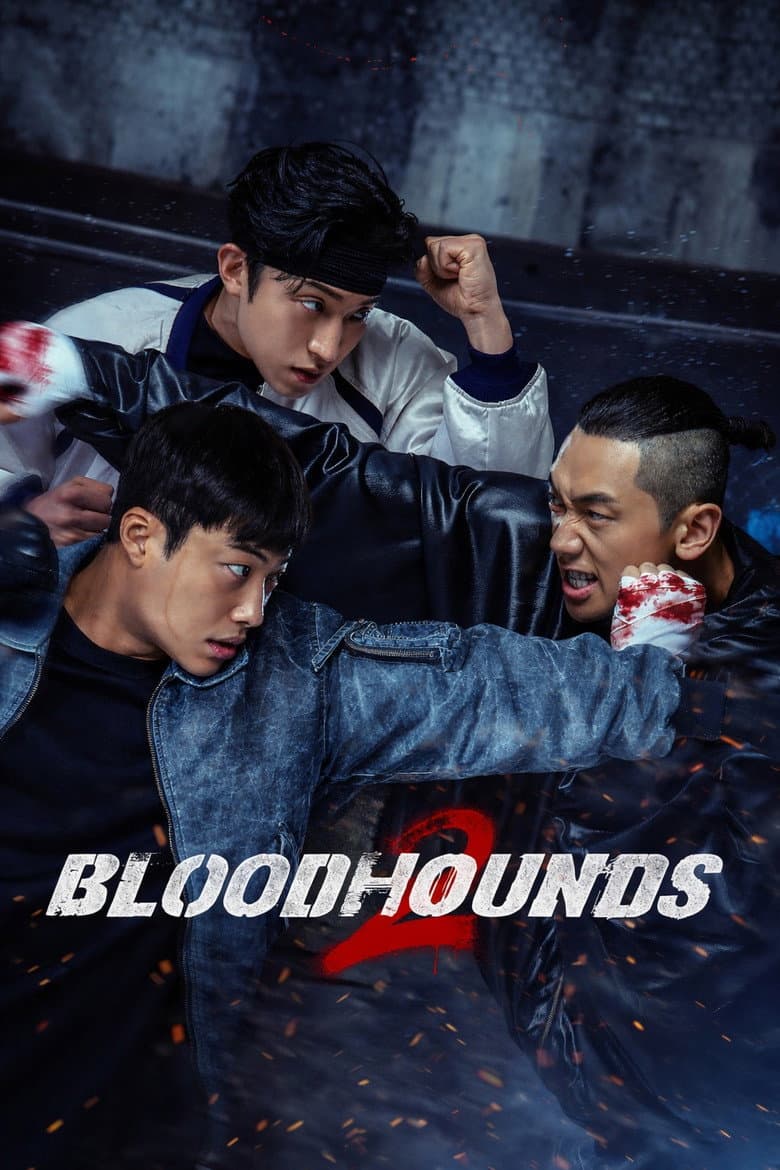
Faced with ruthless foes with a violent thirst, two young boxers band together — risking life and limb to bring justice and protect their loved ones.
TV Show · 2016
An anthology series which centers on different characters being targeted by crazed serial killer Mick Taylor in the Australian outback.
TV Show · 2022
With the aid of unexpected friends, a gifted but introverted student confronts bullies and violent foes — unaware of how dangerous his world will become.
TV Show · 2023
During his glory days, Berlin and a gang assembled in Paris for one of his greatest plans ever: stealing 44 million euros' worth of jewels in one night.
TV Show · 2020
Desperate to take care of his pregnant wife before a terminal illness can take his life, Dodge Maynard accepts an offer to participate in a deadly game where he soon discovers…
TV Show · 2020
A tight-knit group of teens unearths a long-buried secret, setting off a chain of illicit events that takes them on an adventure they'll never forget.
