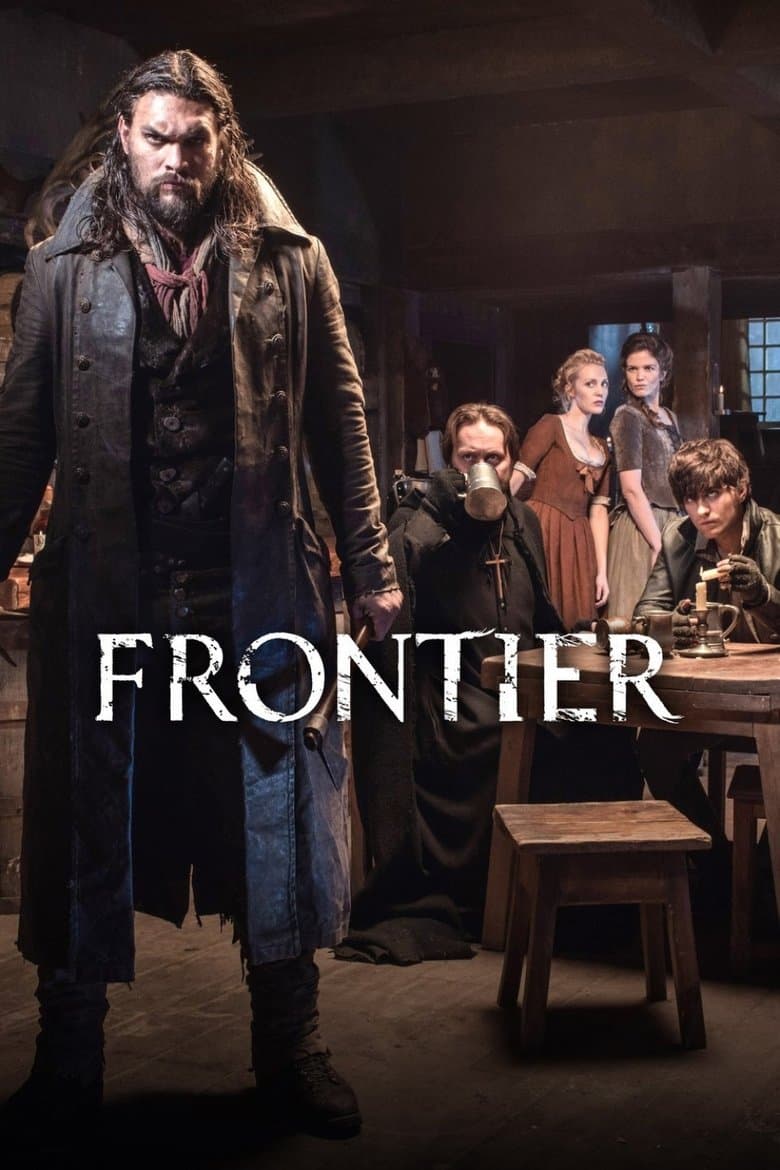
Started November 6, 2016 · Based on 3 seasons, 18 episodes · TV-MA
Frontier follows Declan Harp, a ruthless half-Irish and half-Cree fur trader played by Jason Momoa. In late 18th-century Canada, he hunts the men who destroyed his family while fighting the Hudson’s Bay Company. Michael Smyth, Grace Emberly, Sokanon, and rival traders join the struggle as Fort James and Montreal become centers of greed, trade, and betrayal. Across all three seasons, the show keeps a dark, violent, and rough tone, with revenge and survival driving most of the action.
The clearest identity-focused element is the confirmed relationship between two men, Samuel Grant and Cobbs Pond, which becomes clear from season two onward. The show also gives major roles to Indigenous characters and strong women such as Sokanon, Grace, and Elizabeth, but these roles fit the period story and are not sold as a modern political lesson. Season three makes the buying and forced marriage of Indigenous women a major danger that Sokanon fights to stop. The show attacks company power, church-linked abuse, and European control inside its historical plot, yet it does not turn those events into present-day activist speeches.
Community feedback
Was our 20% Woke rating accurate?
Breakdown
These are the editorial factors and ratings behind our score for Frontier.
Woke representation / casting
The show casts Jason Momoa, a native Hawaiian actor, as a character written as half-Cree and half-Irish, so the specific identity match is not exact. It gives important roles to Indigenous actors such as Jessica Matten and Tantoo Cardinal, which fits the fur-trade setting. It also makes Grace Emberly and Elizabeth Carruthers powerful business players in a male frontier world. The show includes a visible same-sex couple through Grant and Pond, but it does not market the cast as a diversity project.
24%
Woke political dialogue
Not present in this title.
0%
Identity-driven story themes
Harp’s mixed Irish and Cree background shapes his family history and outsider status, but it drives a revenge story rather than group politics. Season three shows Sokanon rescuing Indigenous women from forced marriage and sale, but the plot treats this as a period crime, not a modern activist message. The show confirms a sexual relationship between Samuel Grant and Cobbs Pond from season two onward. That relationship provides the show’s clearest identity-driven theme.
20%
Western institutional / cultural critique
Not present in this title.
0%
Woke character or canon changes
Not present in this title.
0%
Anti-woke backlash and complaints
Not present. No meaningful backlash, social media campaigns, news debates, or viewer complaints treating the show as pushing woke, diversity, or left-wing content; some positive notes on its non-modern tone.
0%
Creator track record context
Jason Momoa has publicly supported native Hawaiian cultural sites and ocean conservation, and he says native stories matter to him. His Frontier interviews connect the role to his own mixed background and to giving native stories a wider audience. The Blackie brothers and most writers, directors, and producers have no broad activist pattern, and their title comments stress the period and Cree setting.
16%
Production
TV Show · 2022
With the aid of unexpected friends, a gifted but introverted student confronts bullies and violent foes — unaware of how dangerous his world will become.
TV Show · 2022
Navy SEAL Commander James Reece turns to vengeance as he investigates the mysterious forces behind the murder of his entire platoon.
TV Show · 2019
In this gritty and sometimes bloody tale, sixteen year-old Wayne sets out on a dirt bike with his new crush Del to take back the 1978 Pontiac Trans Am that was stolen from his…

TV Show · 2020
Desperate to take care of his pregnant wife before a terminal illness can take his life, Dodge Maynard accepts an offer to participate in a deadly game where he soon discovers…
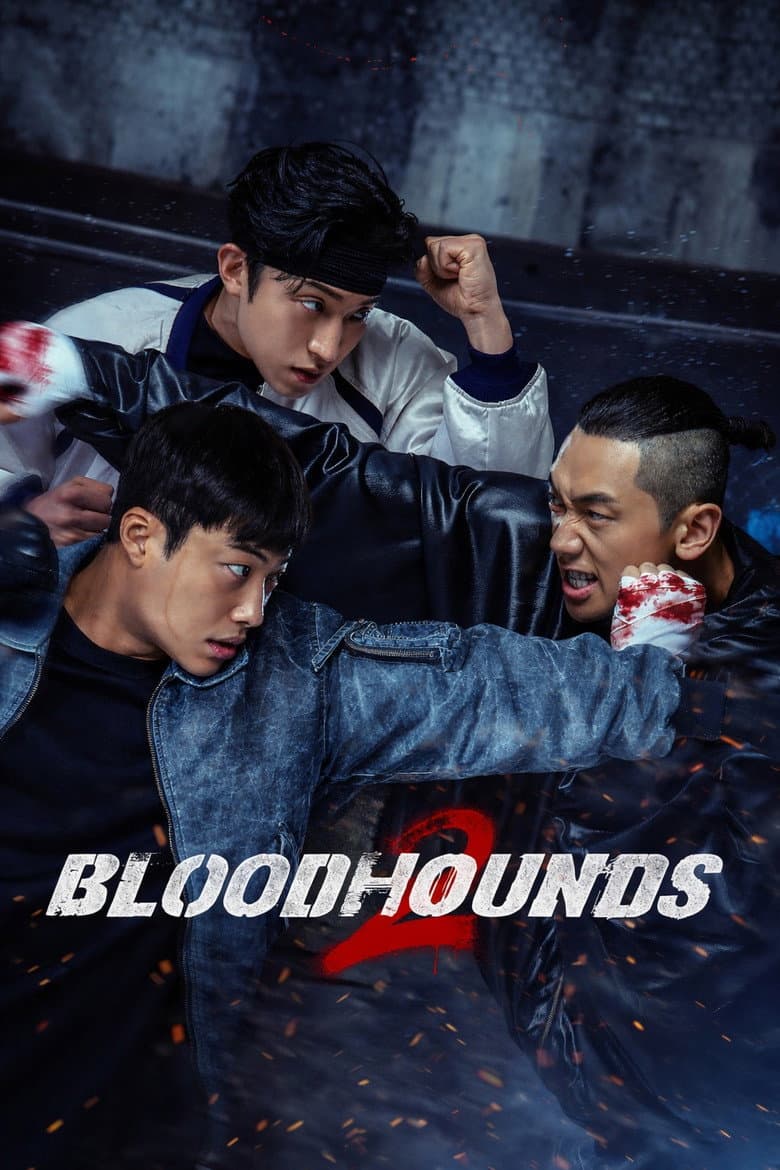
TV Show · 2023
Faced with ruthless foes with a violent thirst, two young boxers band together — risking life and limb to bring justice and protect their loved ones.
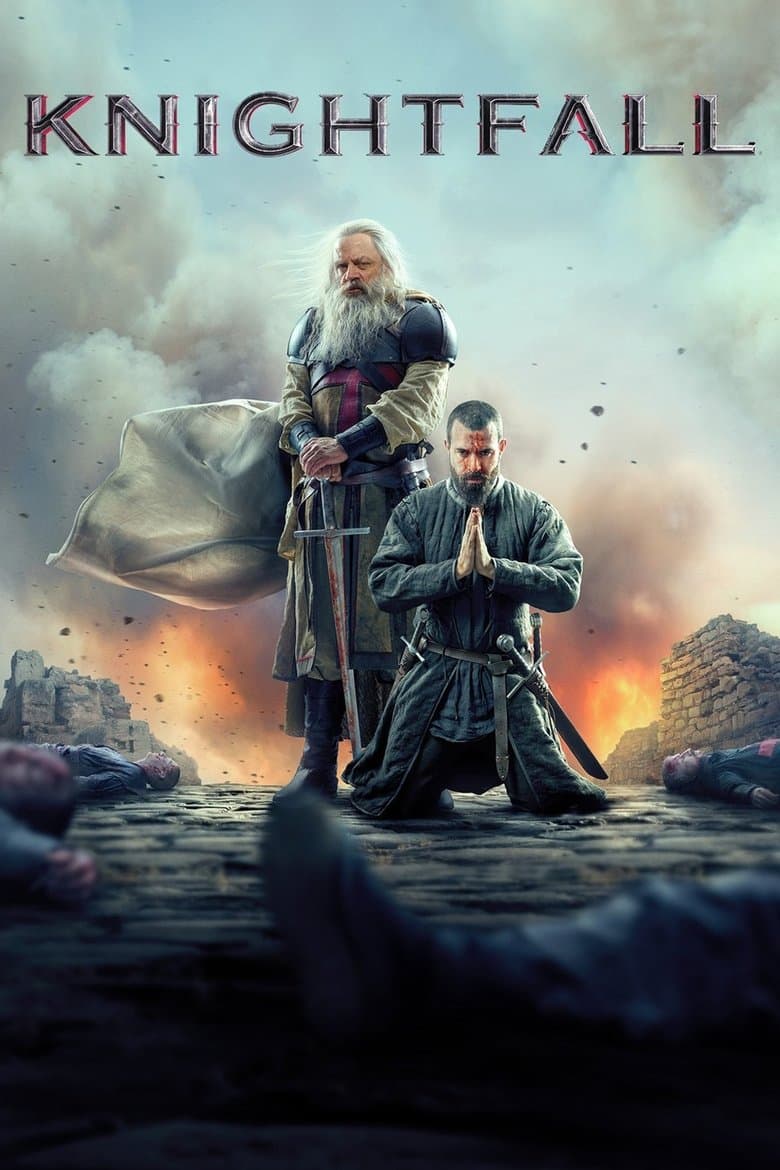
TV Show · 2017
Go deep into the clandestine world of the legendary brotherhood of warrior monks known as The Knights Templar.
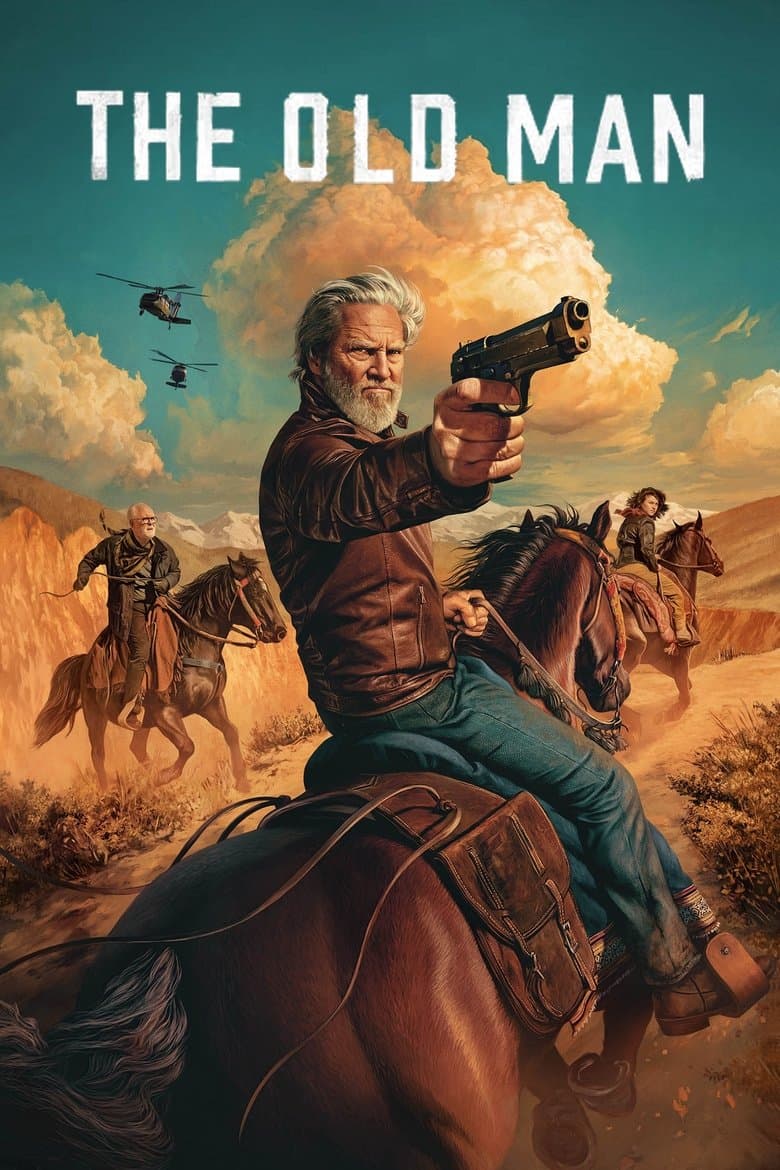
TV Show · 2022
Dan Chase absconded from the CIA decades ago and now lives off the grid. When an assassin arrives and tries to take Chase out, the old operative learns that to ensure his future…
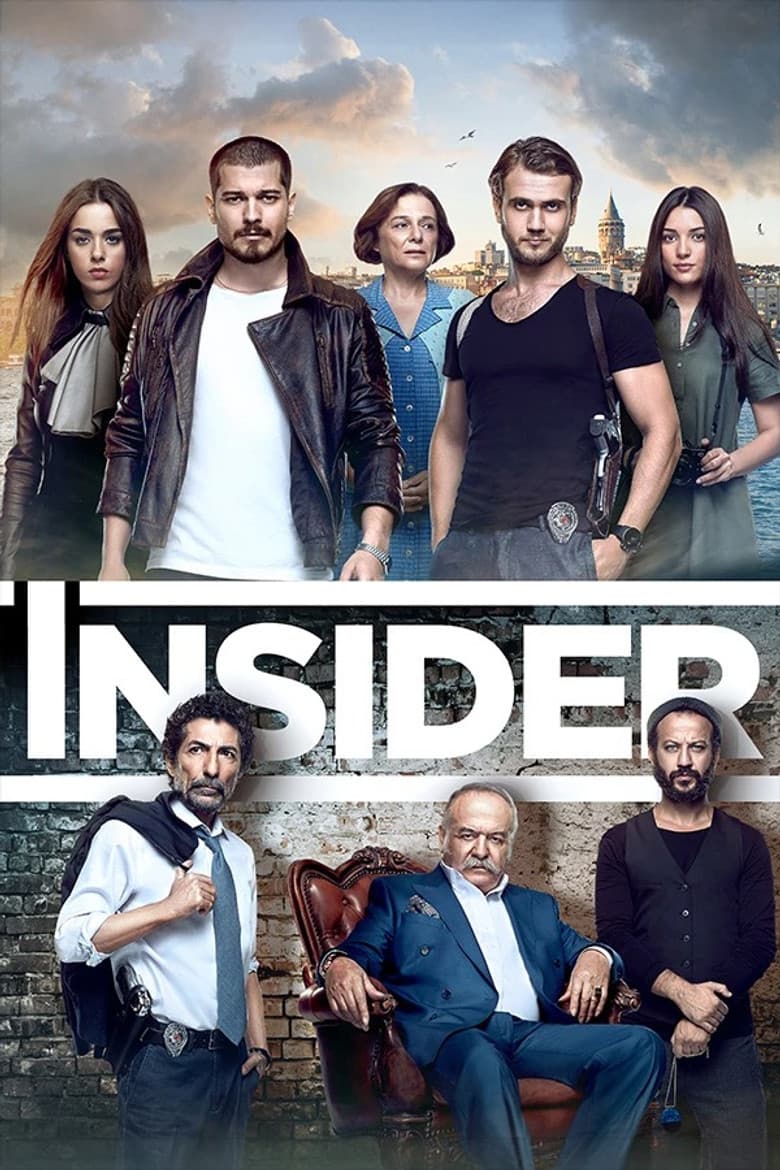
TV Show · 2016
Even though two brothers are completely separated from each other after the imprisoning of their father and the kidnapping of their twin brother, they meet by coincidence years…
