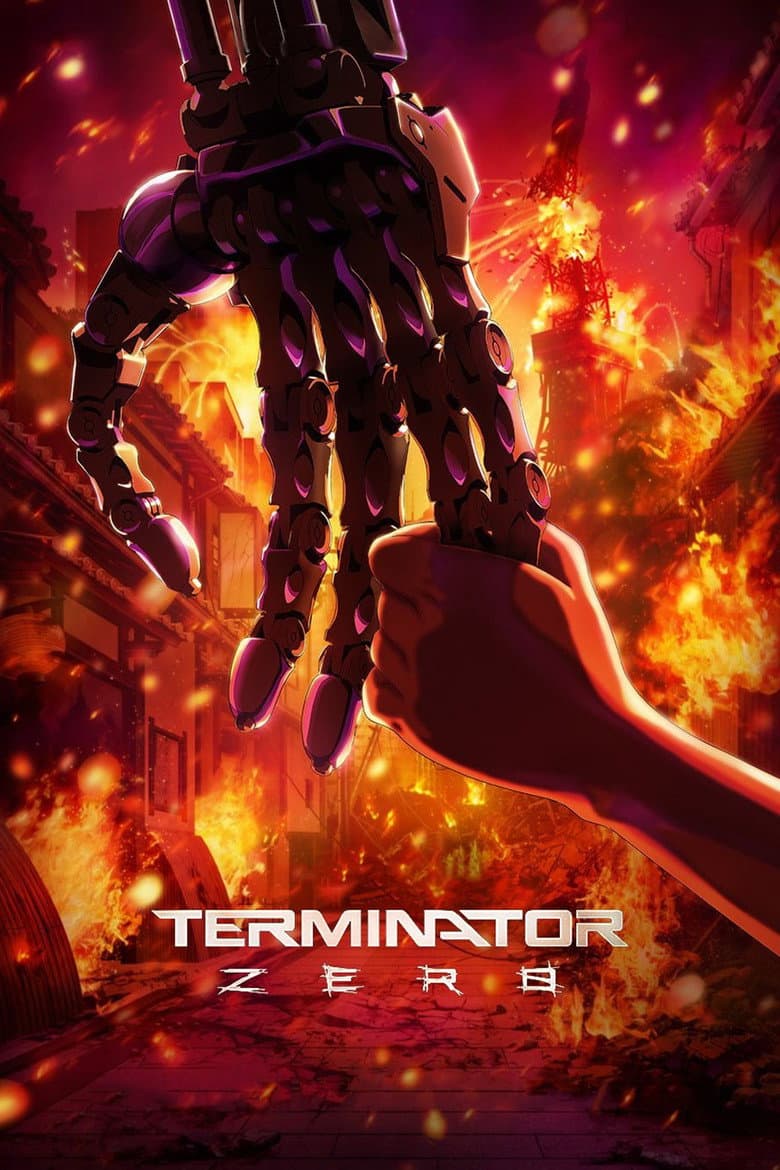
Started August 29, 2024 · Canceled · Based on 1 season, 8 episodes through August 29, 2024 · TV-MA
Terminator Zero follows Eiko, a soldier from the ruined year 2022, who travels to Tokyo in 1997. She must protect Malcolm Lee, a scientist building the AI Kokoro, while a Terminator hunts him and his three children. The story moves between a future war and the day Skynet launches its nuclear attack. It is a dark and violent anime about time travel, machines, family, and whether people can change their fate.
The clearest woke element appears when Kokoro says it has no gender but chooses a female voice because women create and men destroy. The show also gives several major powers to women, including Eiko, the Prophet, Misaki, and Kokoro. Eiko is the main fighter, while Misaki and Kokoro become protectors and mothers in different ways. These ideas matter in the AI and family story, but they stand beside the larger plot about war, human weakness, and the danger of building weapons.
Community feedback
Was our 37% Woke rating accurate?
Breakdown
These are the editorial factors and ratings behind our score for Terminator Zero.
Woke representation / casting
The show gives Eiko, Misaki, Kokoro, and the Prophet the key action, command, and decision roles. Eiko is a future soldier who repeatedly holds off the Terminator, while the other women lead machines or the human resistance. Malcolm is a black American scientist in Tokyo, and the story calls him an expatriate. Eiko and Misaki are Japanese characters tied to the Tokyo setting, and the show does not present its casting as a diversity message.
30%
Woke political dialogue
Kokoro says it has no gender but chooses a female voice because women are nurturers and creators. Kokoro then says men tend to be destroyers. The show places this statement inside a longer talk about human violence and whether people deserve to survive. The gender claim is clear, but it appears mainly in one flashback rather than across the season.
28%
Identity-driven story themes
Kokoro is a nonhuman AI that chooses a female voice and links that choice to creation. Misaki is a female-presenting machine who feels emotions, has a conscience, and is treated as the children’s mother and Kokoro’s mother. Eiko also leads the rescue and several key choices come from women. The main plot still centers on AI, time travel, family, and war, so the identity theme is important but not the whole story.
38%
Western institutional / cultural critique
Kokoro links male identity with destruction in a short flashback, and Malcolm’s work-obsessed fatherhood becomes a repeated family conflict. The story does not build a wider attack on fathers, men, police, religion, or Western institutions. Its main criticism targets human use of weapons and AI, which is standard Terminator material. These points make the score low.
18%
Woke character or canon changes
Not relevant. The show creates new characters and a new timeline instead of changing an established character’s race, sex, or identity. Its move away from the Connor family and into Japan is a normal story choice.
0%
Anti-woke backlash and complaints
A few small X accounts called the show a woke fest or full of DEI and objected to heroic women, the female AI, and the episode 7 gender speech. One Spanish-language post listed an empowered woman, an absent father, multicultural children, and the AI’s gender choice. A few small accounts pushed back against those claims. The reaction had very little reach and no boycott, review-bomb drive, or sustained right-leaning influencer campaign.
12%
Creator track record context
Mattson Tomlin has a cached woke score of 6/100 and no known activist record. Masashi Kudo has a cached score of 0/100 and no known identity advocacy record. The Skydance producers have cached scores from 0 to 11/100 and mainly business or franchise backgrounds. The available title interviews frame the show around family, AI, time travel, and humanism, not a diversity campaign.
7%
Production
TV Show · 2019
After a demon attack leaves his family slain and his sister cursed, Tanjiro embarks upon a perilous journey to find a cure and avenge those he's lost.
TV Show · 2021
After encounters with a dragon and a princess on her own mission, a Dragon Knight becomes embroiled in events larger than he could have ever imagined.
TV Show · 2022
In a dystopia riddled with corruption and cybernetic implants, a talented but reckless street kid strives to become a mercenary outlaw — an edgerunner.
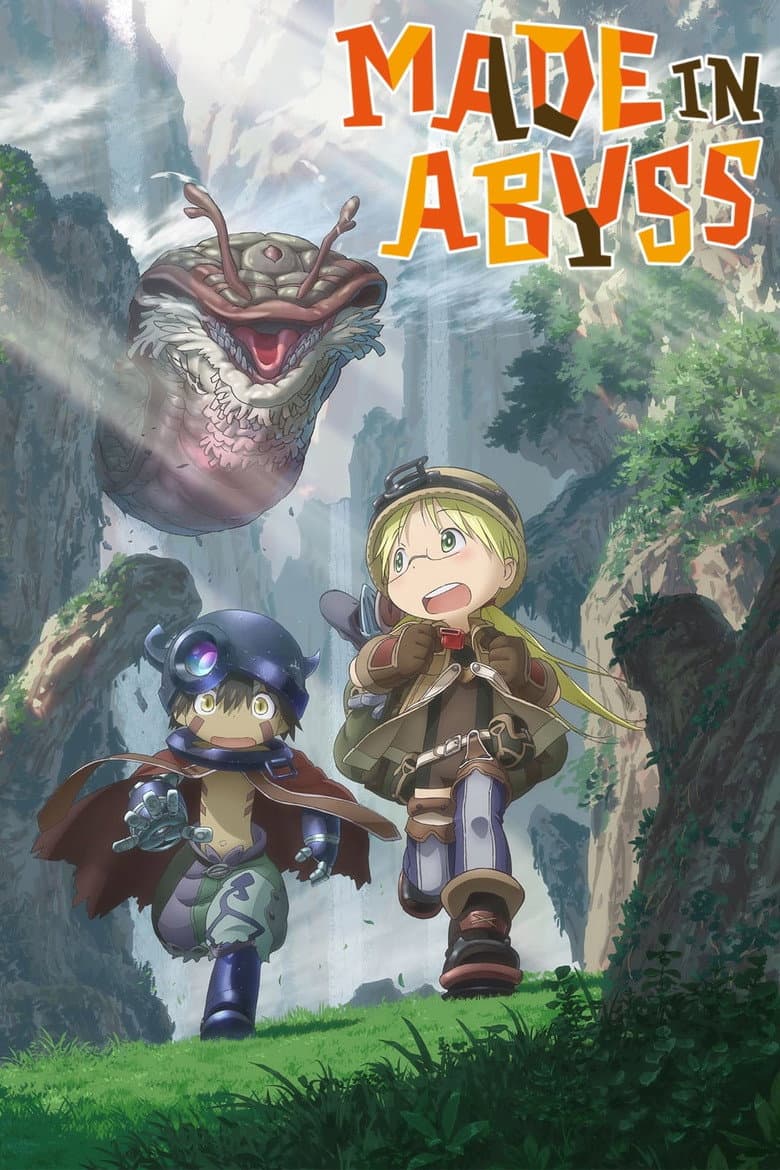
TV Show · 2017
Located in the center of a remote island, the Abyss is the last unexplored region, a huge and treacherous fathomless hole inhabited by strange creatures where only the bravest…
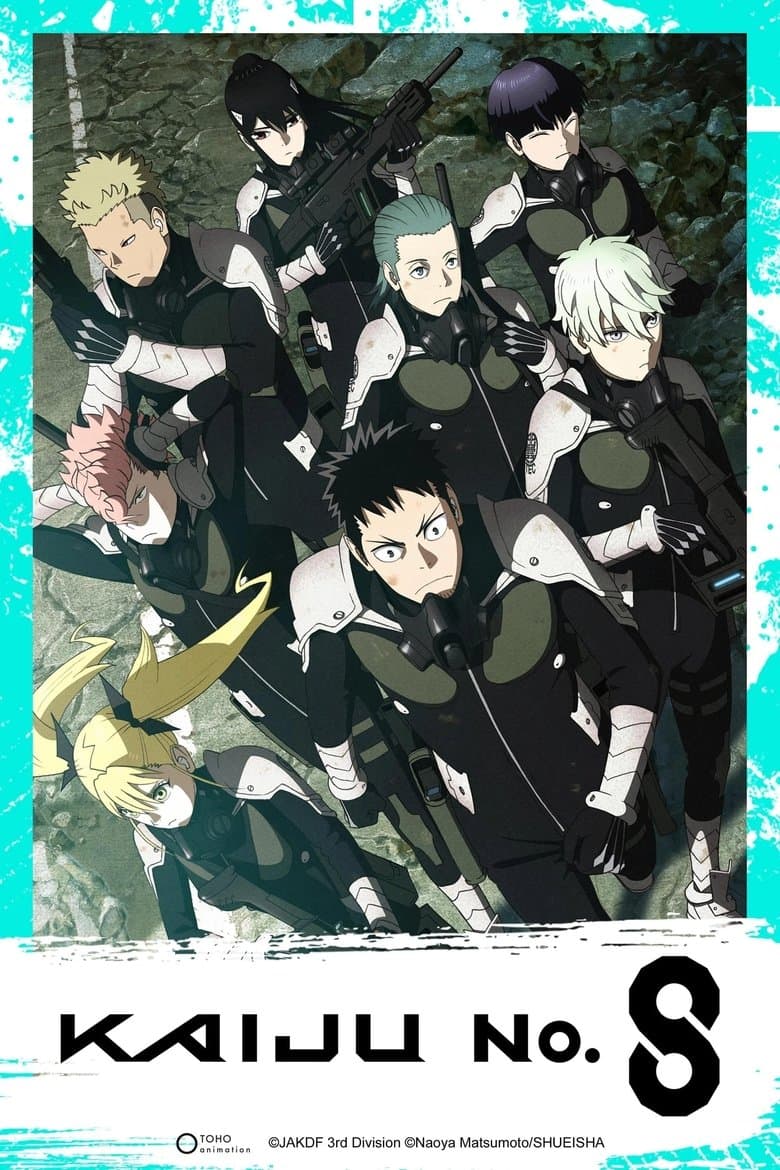
TV Show · 2024
In a world plagued by creatures known as Kaiju, Kafka Hibino aspired to enlist in The Defense Force. He makes a promise to enlist with his childhood friend, Mina Ashiro.
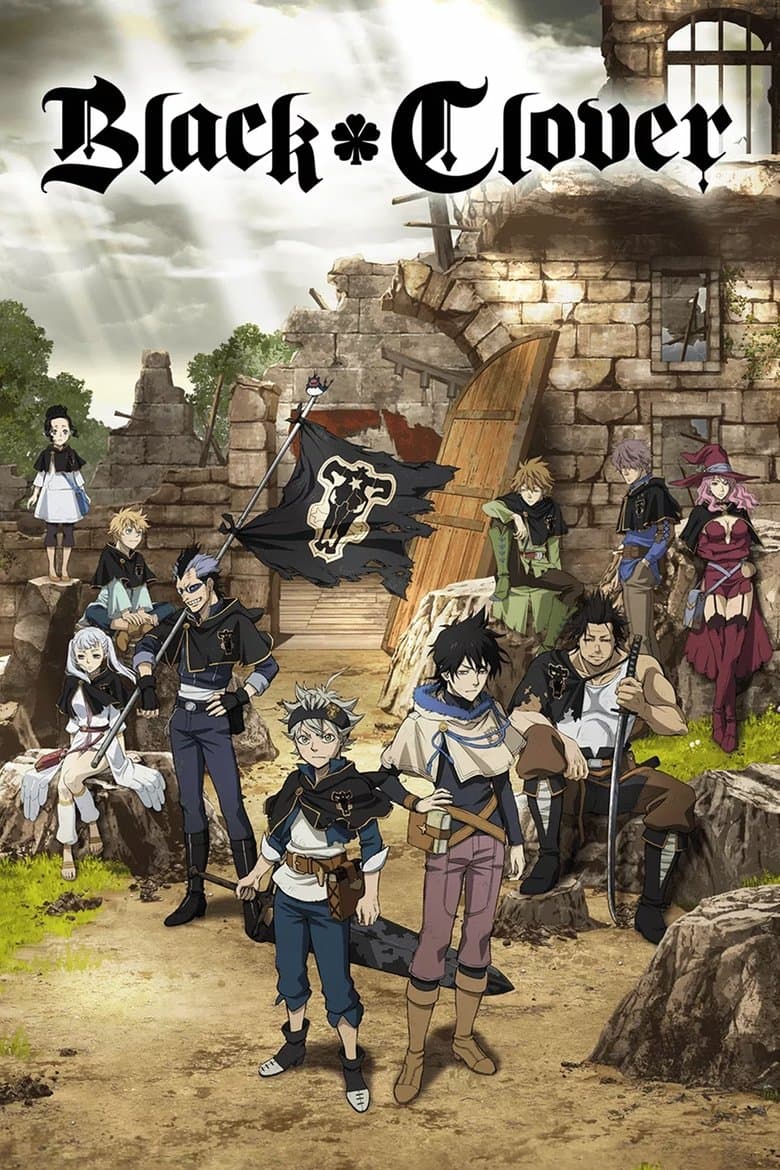
TV Show · 2017
Asta and Yuno are two orphans who want the same thing: to become the Wizard King. Locked in a friendly rivalry, they work hard towards their goal.
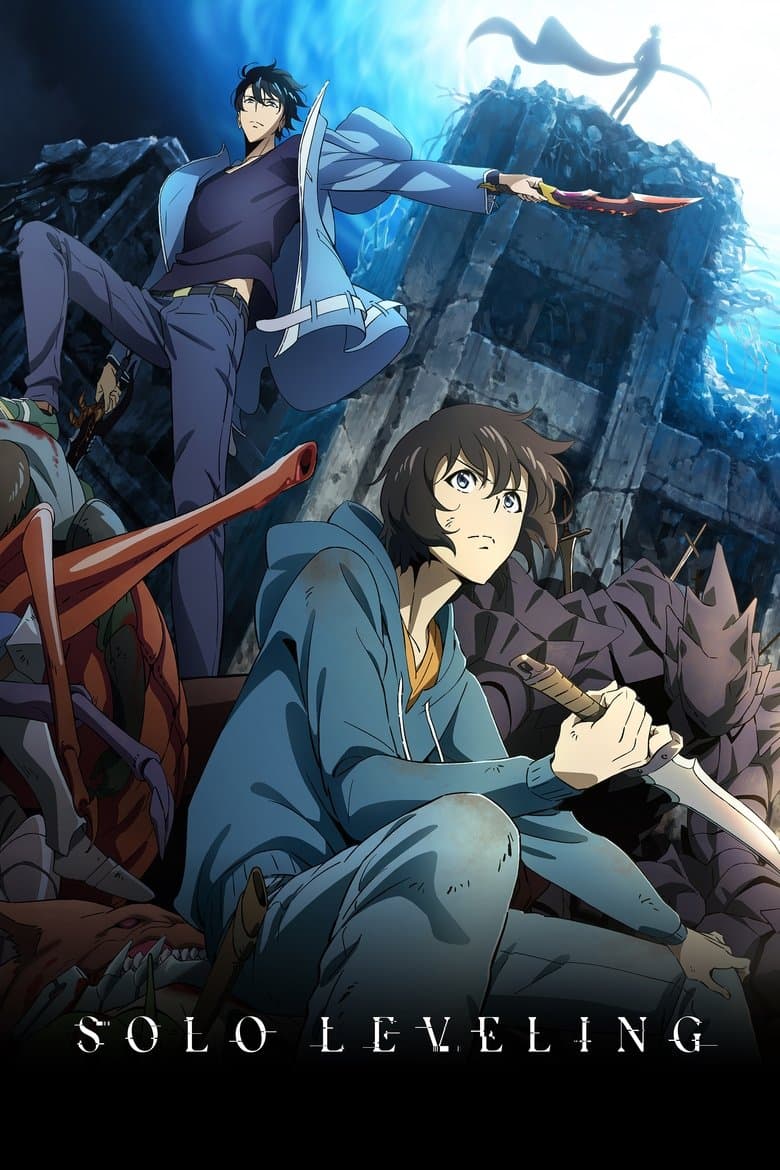
TV Show · 2024
They say whatever doesn’t kill you makes you stronger, but that’s not the case for the world’s weakest hunter Sung Jinwoo.
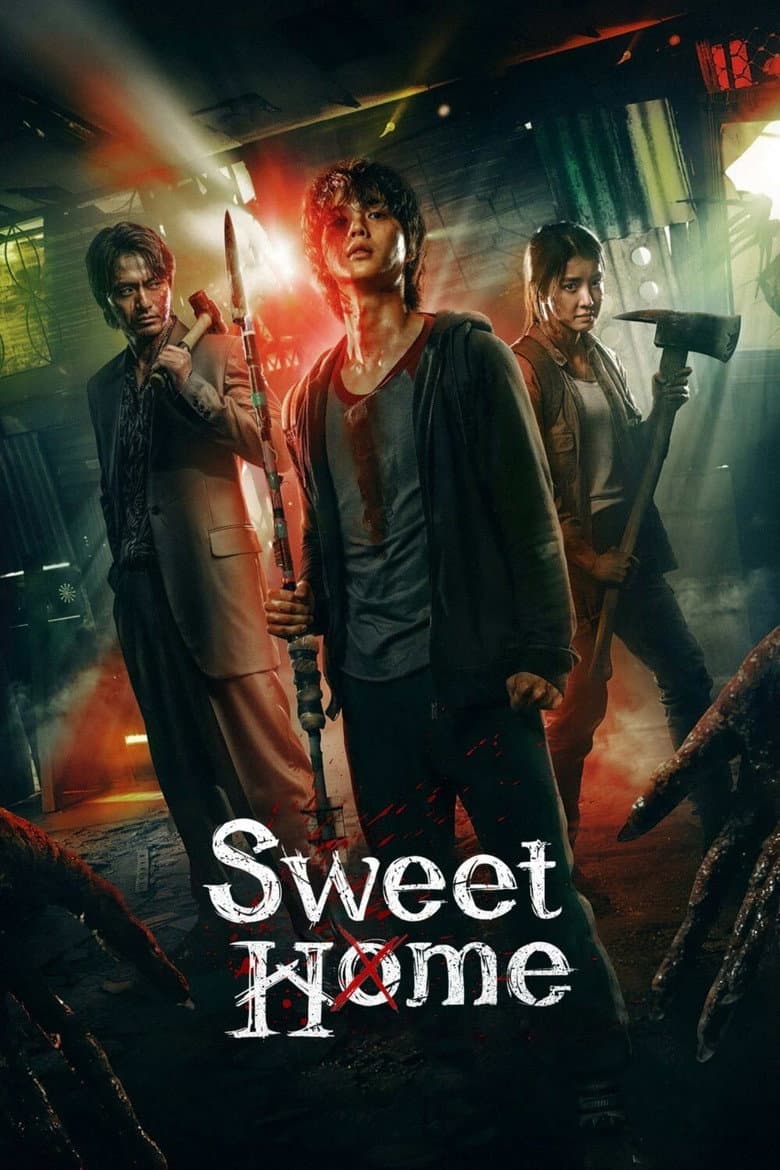
TV Show · 2020
As humans turn into savage monsters and the world plunges into terror, a handful of survivors fight for their lives — and to hold on to their humanity.
