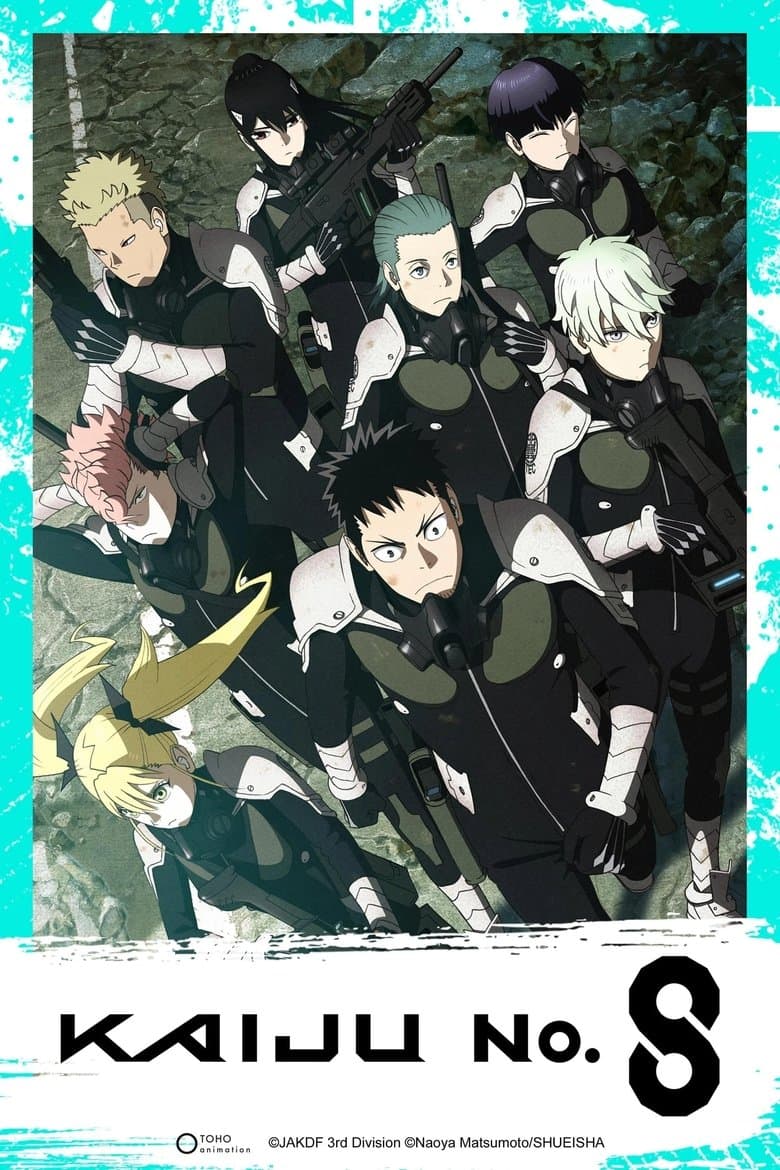
Started April 13, 2024 · Returning Series · Based on 1 season, 23 episodes through September 27, 2025 · TV-14 · 24 min · Japanese
Kafka Hibino is a 32-year-old man who cleans up dead kaiju in Japan after giving up on joining the Defense Force. A small creature changes his body into Kaiju No. 8, but Kafka still enters the force to keep a promise to his childhood friend Mina Ashiro. He must fight monsters, hide his secret, and prove that he can protect the people beside him. The show mixes loud battles, silly jokes, fear, teamwork, and a serious question about whether a monster can still be a good man.
The show gives Mina Ashiro the rank of captain and makes her one of the Defense Force's strongest fighters. Kikoru Shinomiya is a very gifted young fighter who often leads the action, while Kafka, Reno, Hoshina, Narumi, and other men remain important and capable. Kafka's story also uses the fear of his monster body to explore secrecy, trust, and the idea that a person should be judged by his choices. These points are visible, but they stay inside a monster battle story and do not become a repeated campaign about modern identity or politics.
Community feedback
Was our 17% Woke rating accurate?
Breakdown
These are the editorial factors and ratings behind our score for Kaiju No. 8.
Woke representation / casting
The show gives Mina Ashiro a captain's rank and makes her a top long-range fighter. Kikoru Shinomiya is a very gifted young fighter who repeatedly performs at the top of her group. Male fighters such as Kafka, Hoshina, Narumi, and Reno also drive the action, and the story uses Japanese characters in a Japan-based setting. The show does not frame these choices as a diversity campaign.
22%
Woke political dialogue
Not present. The show has military orders and speeches about protecting Japan, but it does not use modern identity, DEI, gender-role, or activist lines.
0%
Identity-driven story themes
Kafka hides the fact that his body becomes a monster, and the Defense Force debates whether his actions can outweigh his appearance. That conflict returns in both seasons and gives the show a mild theme about trust, fear, and being judged by what someone is inside. The show presents this through monster battles and personal loyalty rather than a current race, gender, or sexuality debate.
18%
Western institutional / cultural critique
Not present. The Defense Force has strict rules and power struggles, but the story does not attack men, family, religion, capitalism, or Western cultural institutions through modern activist framing.
0%
Woke character or canon changes
Not relevant. The anime keeps the established Japanese characters and their core roles. Added scenes and compressed material do not change a character's race, gender, sexuality, or heroic role.
0%
Anti-woke backlash and complaints
Not present. Fan complaints focused on art, pacing, and which characters received attention. The complaints did not say that the show pushed DEI, identity politics, or activist ideas.
0%
Creator track record context
Ichiro Okouchi's cached work includes stories about power, war, class, and control by institutions. Those ideas can add a mild conflict with strict leaders to the Defense Force plot. The other listed directors, writers, and producers have cached scores from 0 to 15 and no clear activist or DEI public record. The show itself does not carry a strong creator-led political message.
7%
Production
TV Show · 2023
After the party of heroes defeated the Demon King, they restored peace to the land and returned to lives of solitude.
TV Show · 2016
Shigeo Kageyama, a.k.a. "Mob," is a boy who has trouble expressing himself, but who happens to be a powerful esper.
TV Show · 2021
Two siblings - an idealistic teenage boy and his naive younger sister - are forced to pilot an abandoned Jaeger across a hostile landscape in a desperate attempt to find their…
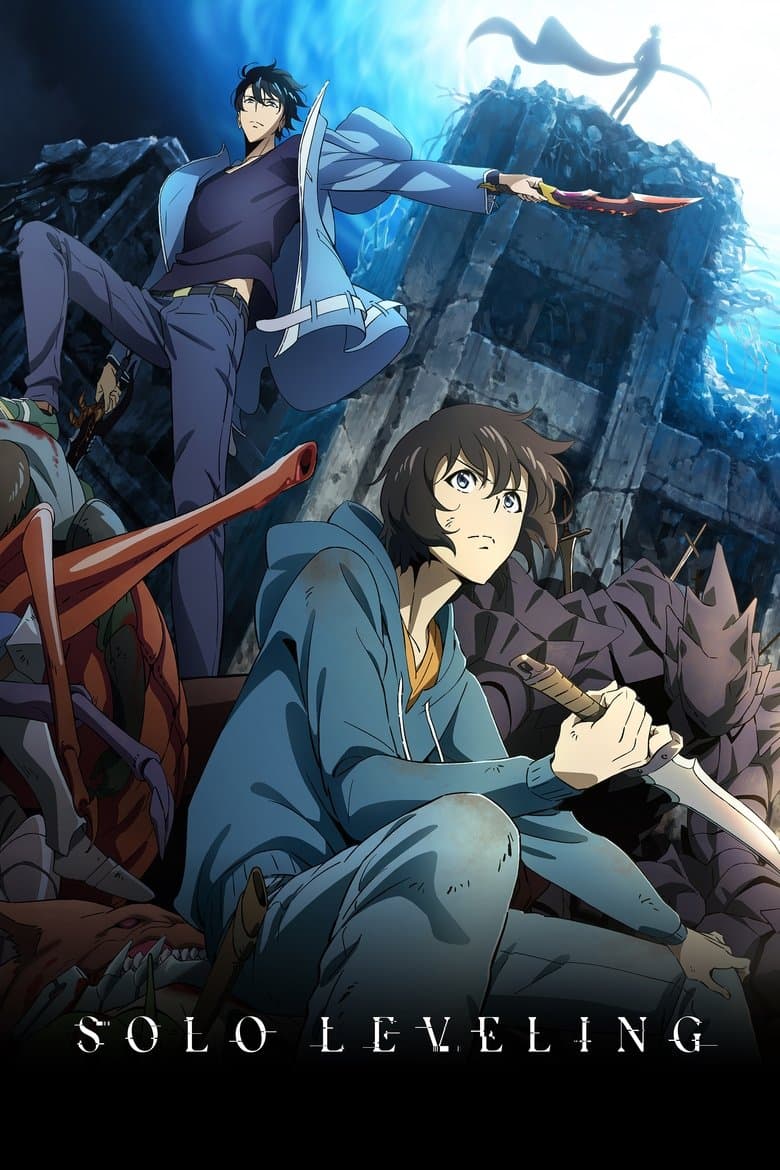
TV Show · 2024
They say whatever doesn’t kill you makes you stronger, but that’s not the case for the world’s weakest hunter Sung Jinwoo.
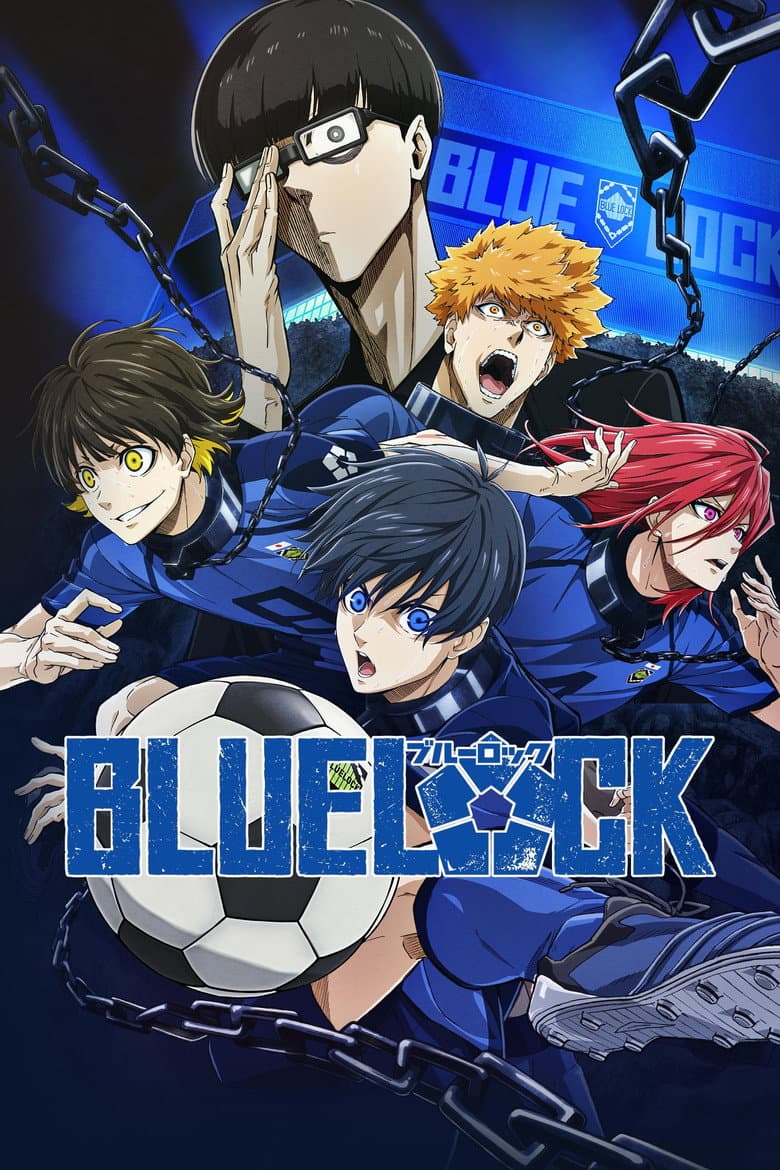
TV Show · 2022
High school soccer players from across Japan gather for a controversial project designed to create the best — and most egoistic — striker in the world.
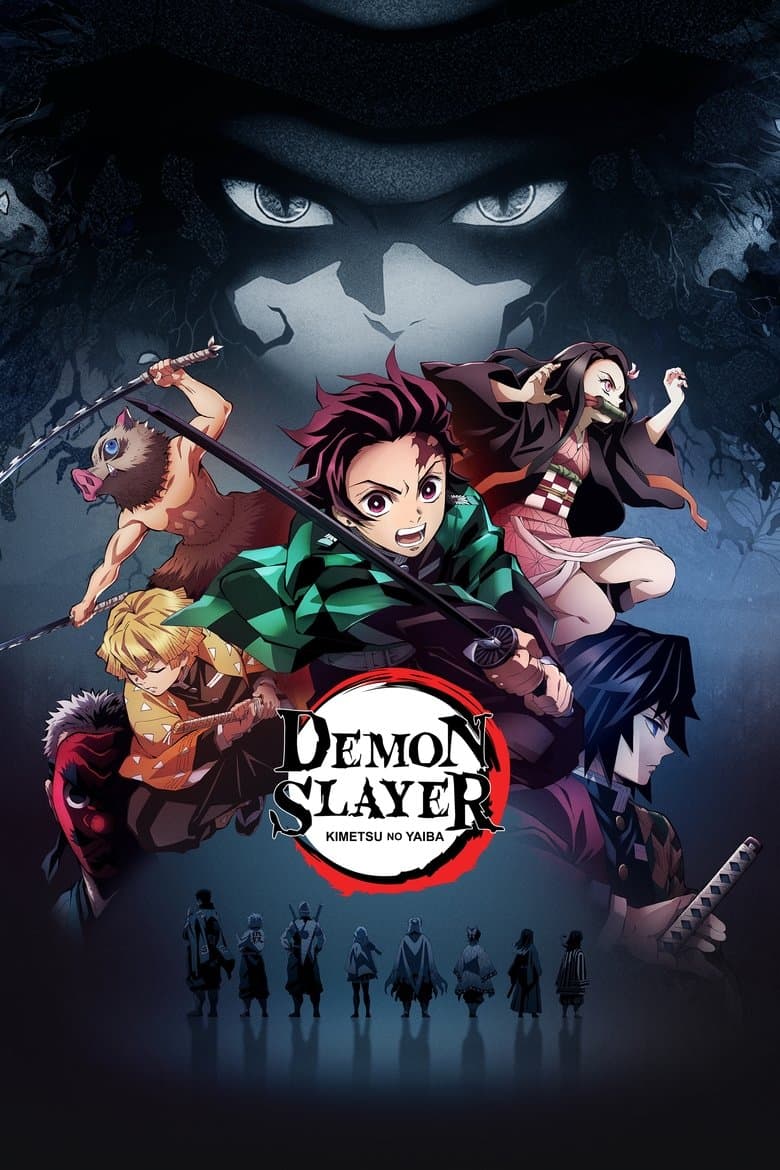
TV Show · 2019
After a demon attack leaves his family slain and his sister cursed, Tanjiro embarks upon a perilous journey to find a cure and avenge those he's lost.
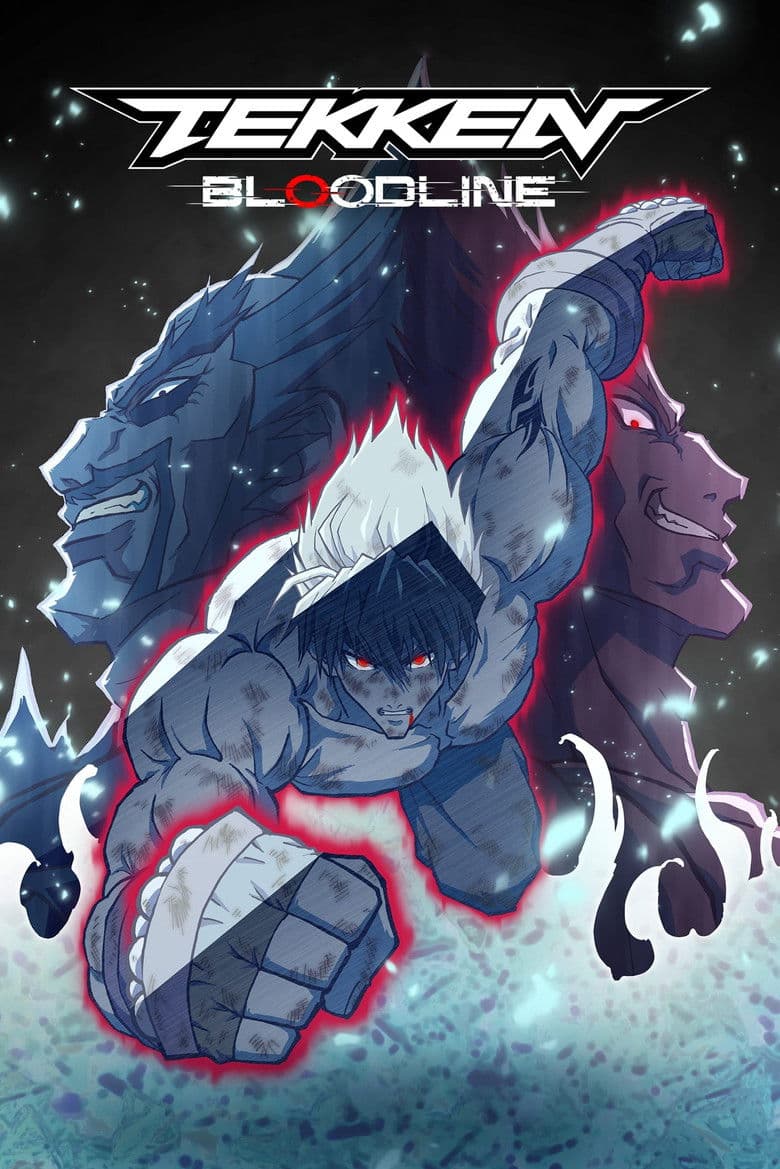
TV Show · 2022
After losing his home to a powerful enemy, a hot-tempered fighter trains under his zealous grandfather while awaiting his chance for revenge.
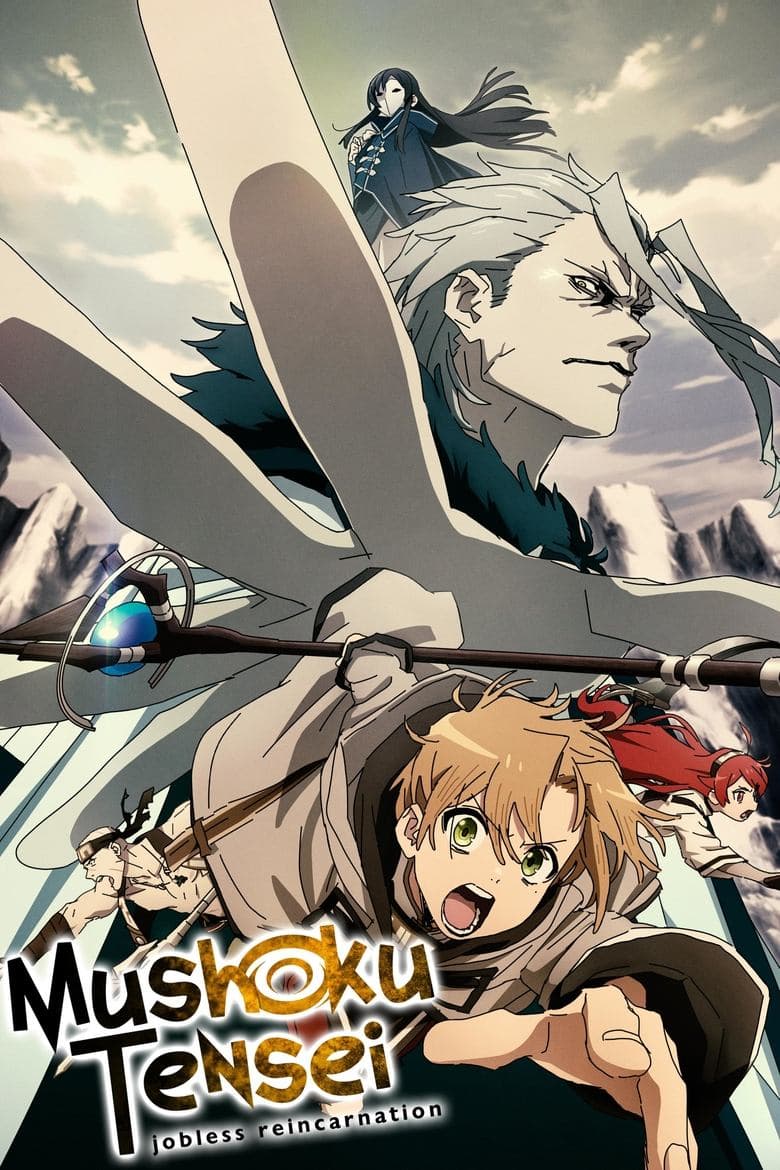
TV Show · 2021
When a 34-year-old underachiever gets run over by a truck, his story doesn't end there. Reincarnated in a new world as an infant, Rudy will seize every opportunity to live the…
