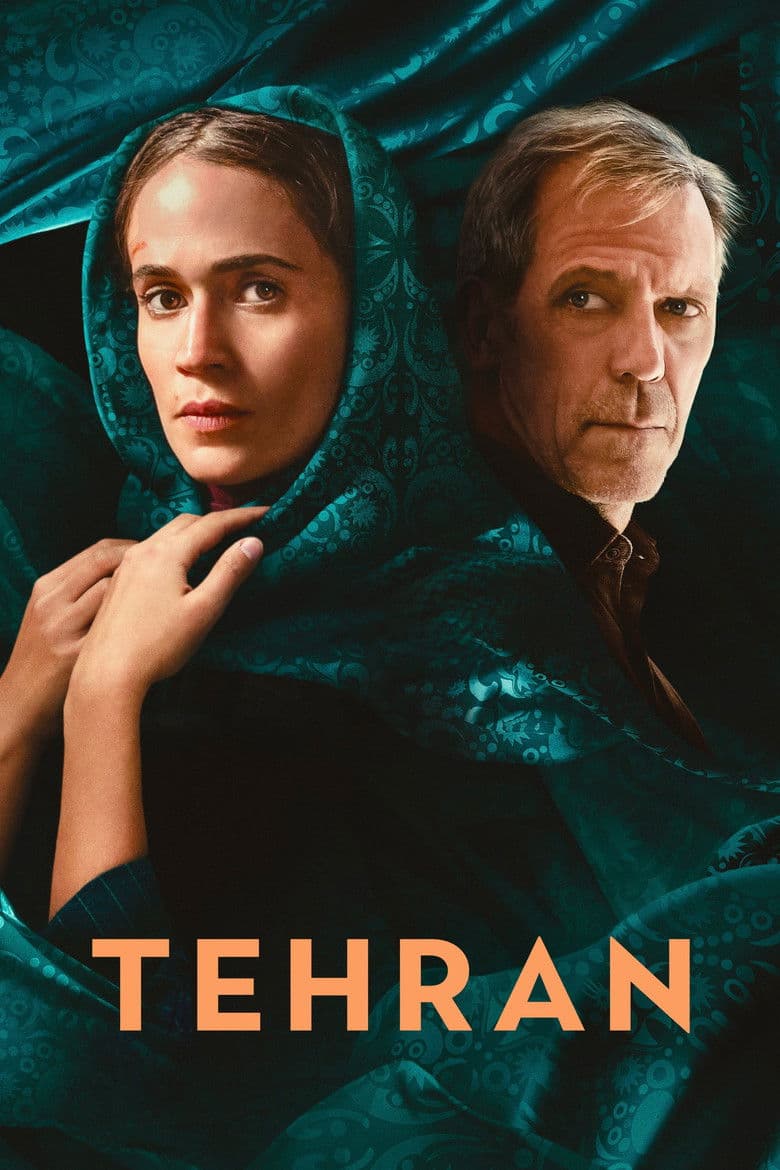
Started June 22, 2020 · Returning Series · Based on 3 seasons, 24 episodes through January 27, 2025 · TV-MA · Hebrew
Tehran follows Tamar Rabinyan, a young Mossad hacker who was born in Iran and raised in Israel. She enters Tehran under a false name to damage Iran’s nuclear program, but the first mission fails and leaves her trapped. Tamar must survive the Revolutionary Guard, Mossad handlers, and shifting allies while she tries to escape or finish the job. The story moves between crowded streets, secret homes, safe houses, and spy offices in Iran and Israel. The tone stays tense, violent, and distrustful, with family ties and love adding pressure to the spy plot.
The show gives Tamar repeated control of major missions and places other women in senior spy, resistance, and survival roles across the three seasons. Tamar’s Iranian Jewish identity shapes her bond with Milad, an Iranian Muslim hacker, and the series returns to questions about belonging, loyalty, and life under a harsh government. Season three adds a women’s shelter and stories about women who resist state pressure, but those scenes remain part of the larger nuclear and spy conflict. The show also includes a brief scene of two men kissing at a party, while its main message centers on national conflict, personal loyalty, and the cost of secret war.
Community feedback
Was our 36% Woke rating accurate?
Breakdown
These are the editorial factors and ratings behind our score for Tehran.
Woke representation / casting
The show makes Tamar a top hacker and field agent. The show gives Marjan command of the Tehran mission in season two and keeps Yulia in a senior Mossad role. The show gives Nahid and other Iranian women important choices in the later plots. The wider cast fits the Israeli and Iranian setting, so the visible pattern comes from repeated women in high-skill spy roles.
32%
Woke political dialogue
The young anti-government group talks about freedom and resistance in season one. The show returns to democracy, obedience, and state pressure in later seasons. Season three gives women lines about escape and survival under Iran’s rules. These ideas recur, but the dialogue stays tied to the Iran spy conflict instead of pushing a broad DEI message.
24%
Identity-driven story themes
Tamar’s Iranian Jewish identity shapes the main story from the first episode through season three. The show builds a Muslim-Jewish romance between Tamar and Milad and uses it to challenge the conflict between their countries. The show follows young Iranian activists and later women who hide from state pressure and help one another. A brief party scene shows two men kissing, but queer identity does not drive the series.
41%
Western institutional / cultural critique
Not present. The show attacks Iran’s security state and shows Mossad making cruel choices. It does not turn those conflicts into a modern attack on Western family life, Christianity, or traditional gender roles.
0%
Woke character or canon changes
Not relevant. The show is an original spy story, not a remake or a version of an established character.
0%
Anti-woke backlash and complaints
Not present. Public complaints focus on Israeli propaganda claims, weak realism, and Iran politics. Those complaints do not say that the show pushes DEI, queer politics, or modern identity activism.
0%
Creator track record context
The main creators have mostly standard spy and drama careers without a strong activist record. Writer Simon Allen has openly promoted inclusive storytelling and created a queer, gender-fluid fantasy series. Producer Fenia Cossovitsa has backed women-led and socially focused projects. Those records give Tehran a small context signal, but they do not show that this spy thriller was built as a DEI project.
20%
Production
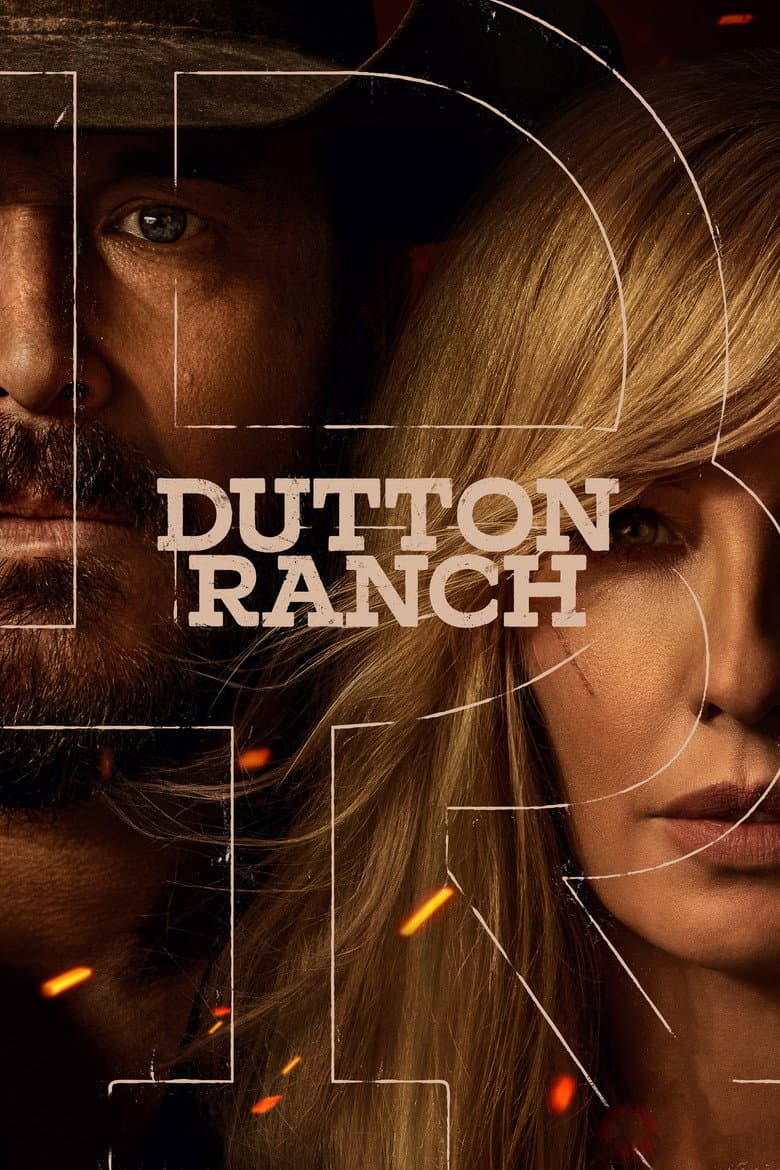
TV Show · 2026
Rip Wheeler and Beth Dutton gamble everything on a new life in South Texas, but the promise of building a future far from the ghosts of Yellowstone quickly collides with brutal…
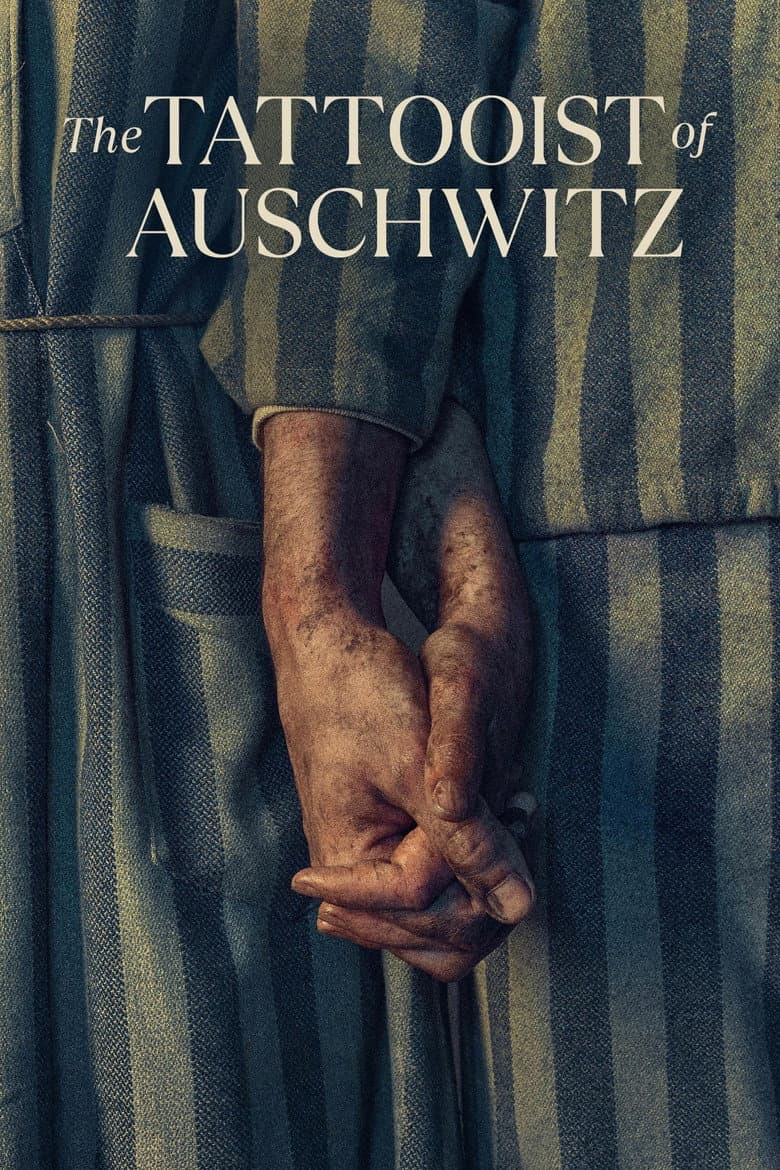
TV Show · 2024
The powerful real-life story of Lali Sokolov, a Jewish prisoner who was tasked with tattooing ID numbers on prisoners' arms in the Auschwitz-Birkenau concentration camp during…

TV Show · 2024
Fascinated by cars since childhood, Brazilian racer Ayrton Senna became a sports legend — until tragedy struck, changing Formula 1 forever.
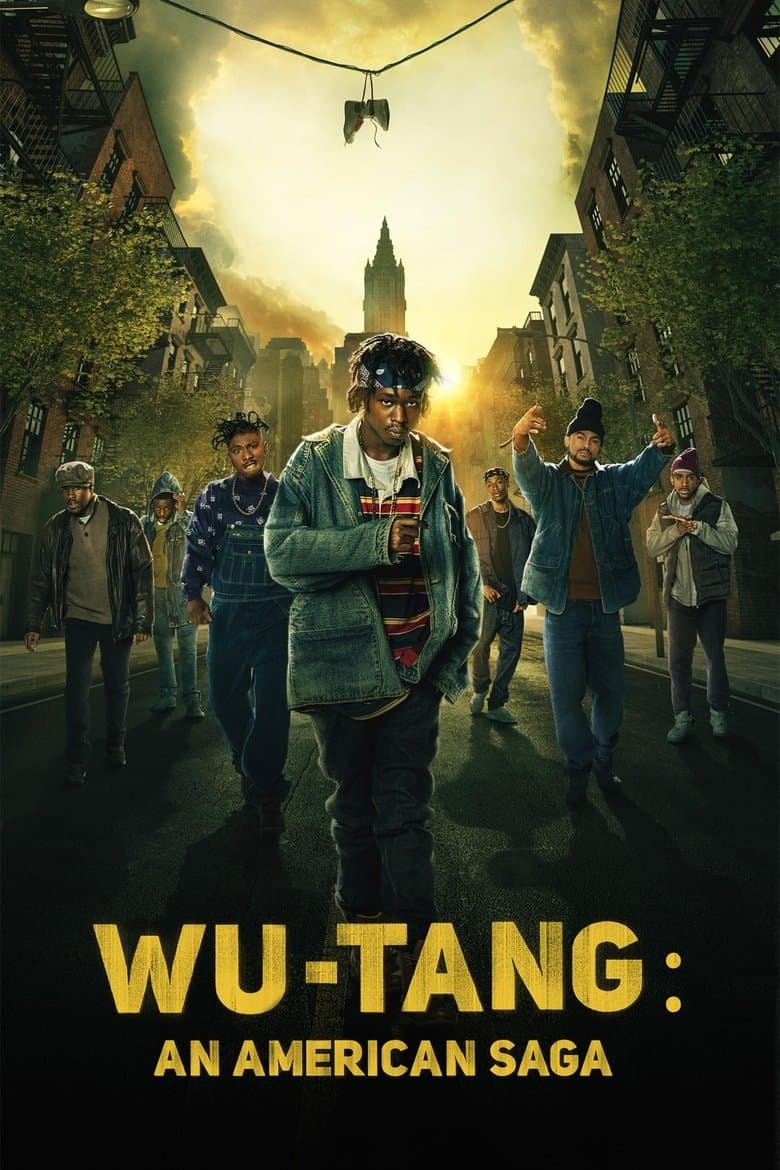
TV Show · 2019
In the early 1990s in New York, during the height of the crack cocaine epidemic, a visionary musician named Bobby Diggs aka The RZA begins to form a super group of a dozen young…
TV Show · 2019
In the 1960s, Israeli clerk-turned-secret agent Eli Cohen goes deep undercover inside Syria on a perilous, years-long mission to spy for Mossad.
TV Show · 2026
The Clyburns uproot their comfortable New York City lives to the wild, untamed beauty of Montana's Madison River Valley on a search for connection.
TV Show · 2021
Follow the Dutton family as they embark on a journey west through the Great Plains toward the last bastion of untamed America.
TV Show · 2019
The true story of one of the worst man-made catastrophes in history: the catastrophic nuclear accident at Chernobyl.
