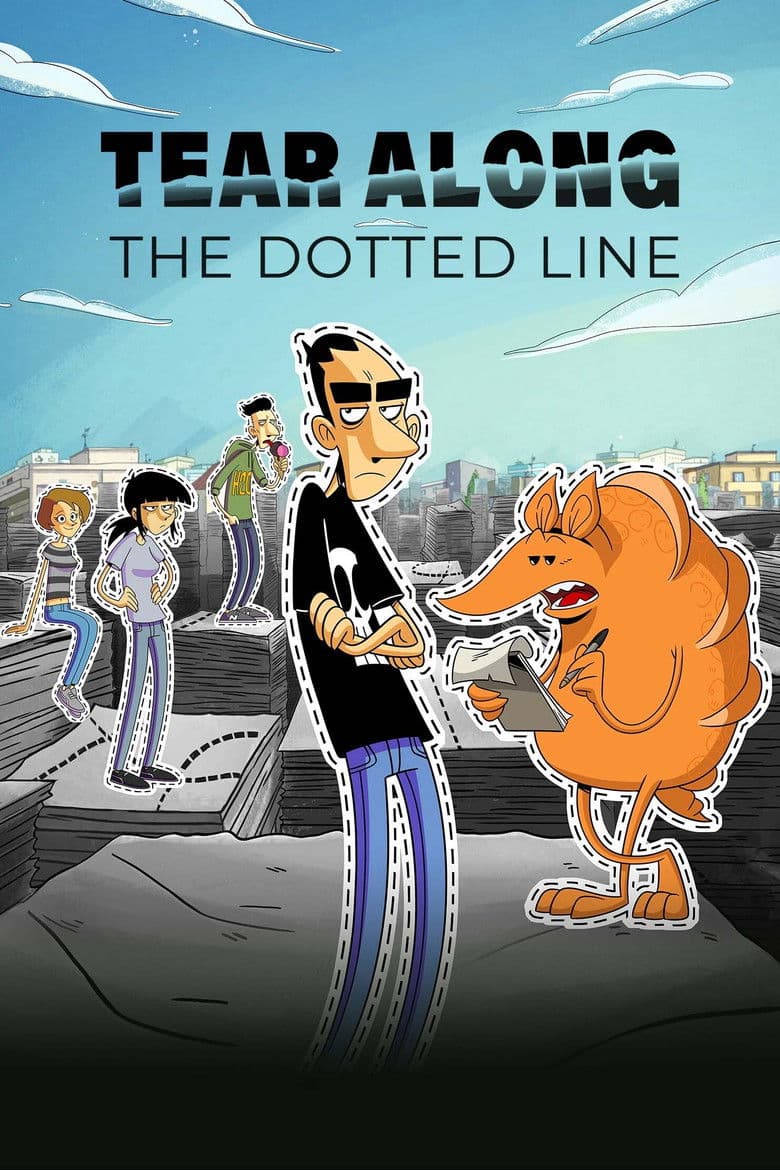
Started November 17, 2021 · Ended · Based on 1 season, 6 episodes through November 17, 2021 · TV-MA · Italian
Zero is a nervous cartoonist from Rebibbia in Rome who keeps thinking about every choice he has made. He travels by train to Biella with his old friends Sarah and Secco, while an orange armadillo gives voice to his conscience. Flashbacks cover school, bad jobs, missed chances, and his quiet love for Alice. The quick jokes and strange pictures slowly turn into a sad story about friendship, guilt, and suicide.
The season includes clear identity-focused material even though personal memories drive the story. Zero jokes about patriarchy, male duties, sexist language, and racist thoughts, while Sarah repeatedly corrects him and acts as the group’s moral guide. The story also links Alice’s death to violence against women and treats work pressure and capitalism as forces that damage young adults. Anti-capitalist and anti-racist lines appear in several episodes, but the main message stays focused on personal pain, imperfect choices, and caring for people before it is too late.
Community feedback
Was our 72% Woke rating accurate?
Breakdown
These are the editorial factors and ratings behind our score for Tear Along the Dotted Line.
Woke representation / casting
Not present. The main cast fits an Italian story set in Rome and Biella. The women are important characters, but the show does not present their casting as a diversity statement or build a representation-first cast.
0%
Woke political dialogue
The opening minute uses the G8 of Genoa to place the story in an anti-establishment world. The Armadillo blames capitalism for the rush of modern life and later calls the job market weak and easy to fool. Sarah and Zero joke about patriarchy, male duties, sexist language, and hidden racist thoughts. These lines recur in several episodes but stay inside fast comedy and personal memories.
42%
Identity-driven story themes
Zero repeatedly struggles with the idea that a man must be strong, handy, unemotional, and in control. Sarah corrects his sexist jokes and becomes the clearest moral voice in the group. The story also connects Alice’s fate to abuse by a man and asks viewers to notice hidden pain. These themes recur across the season, but the main plot remains friendship, anxiety, work, and grief.
55%
Western institutional / cultural critique
The show treats traditional male duties and the pressure to act tough as sources of shame and fear. Sarah pushes back when Zero turns women’s roles and men’s duties into rules. The job hunt and low-paid work are linked to a system that leaves young adults without a clear future. The show also mocks racist ideas and uses brief jokes about the Church, but it does not make a broad attack on Western society its main plot.
45%
Woke character or canon changes
The original comic and film used Camille, a French character, and gave her a different cause of death. The series changes her into Alice from Biella and presents her death as linked to violence against women. The series also gives Sarah a stronger role as a female voice who teaches Zero about gender. These changes add a clear gender focus to the adaptation.
40%
Anti-woke backlash and complaints
Turkish media called the Kurdish symbols in the show a scandal and accused Netflix of showing PKK or YPG material. Italian outlets reported the dispute, but it did not become a long campaign or a broad boycott. Two small X accounts called Zerocalcare or the Netflix show woke, with no clear pickup. Major reviews and visible social posts mostly praised the series, so the public backlash remained limited.
24%
Creator track record context
Zerocalcare has a long record of anti-fascist, pro-Kurdish, and social-center work. His comics and reports often support refugees, marginalized people, and challenges to police and economic power. The listed producers have lighter or unclear political records. This season keeps that left-wing background but spends more time on private pain than on political reports.
70%
Production
TV Show · 2018
An eager young rookie joins the ragtag small-town police force led by his dad as they bumble, squabble and snort their way through a big drug case.
TV Show · 2020
A surreal take on transitioning from 20-something to 30-something centering on a married couple juggling such everyday challenges as parenthood, friendship, ham theft, stripper…
TV Show · 2020
A foul-mouthed high school basketball coach is sure he'll hit the big leagues if he can only turn his terrible team around. Good luck with that.
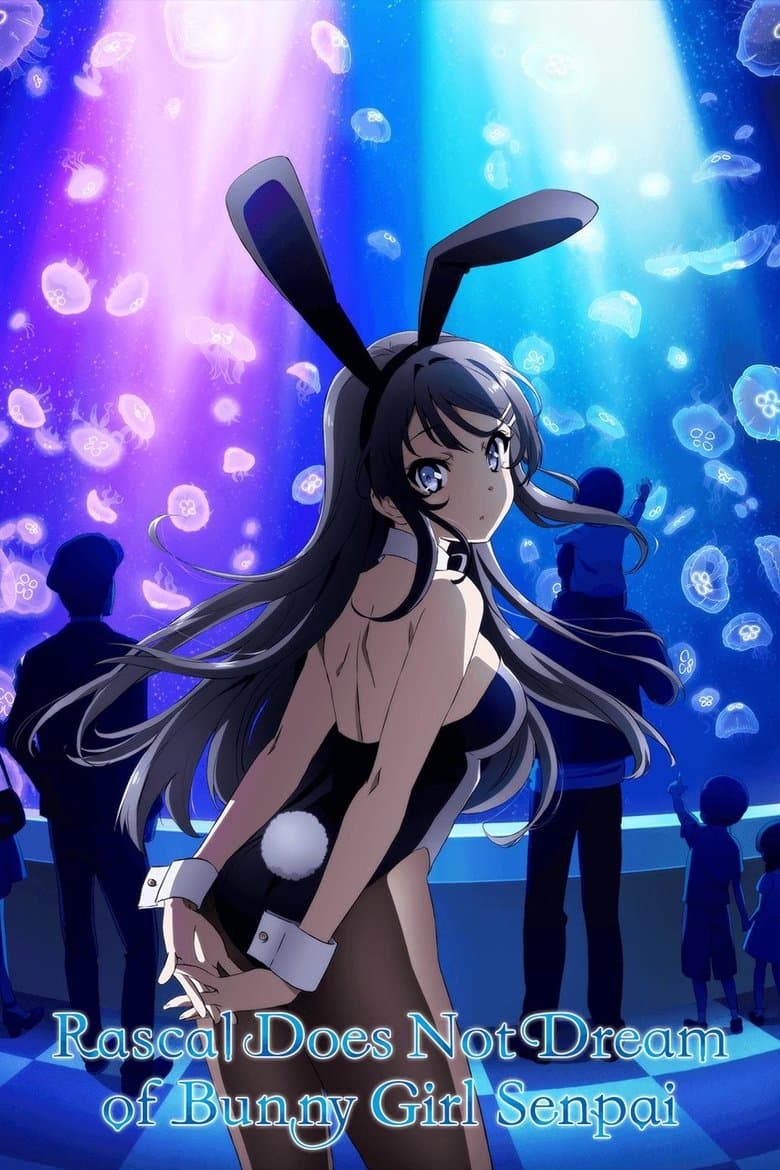
TV Show · 2018
Puberty Syndrome—a rumored, mysterious syndrome that only affects those in their puberty. For example, a bunny girl suddenly appeared in front of Sakuta Azusagawa.
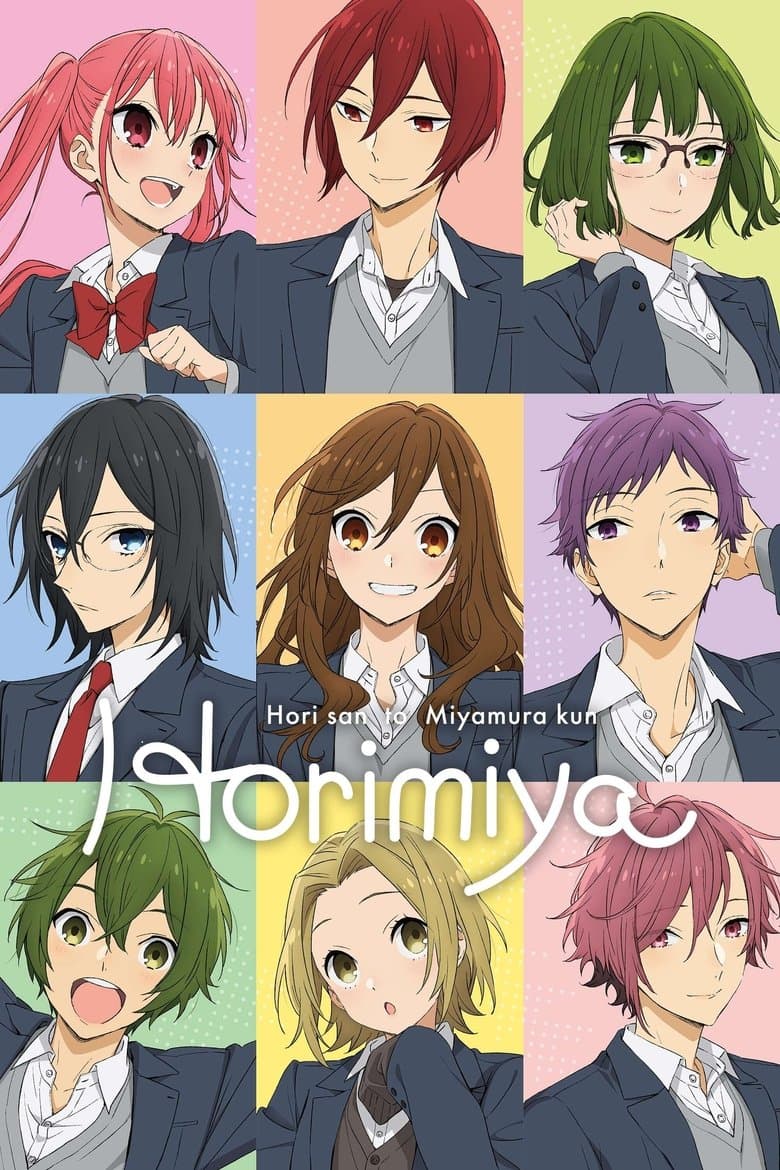
TV Show · 2021
A secret life is the one thing they have in common. At school, Hori is a prim and perfect social butterfly, but the truth is she's a brash homebody.
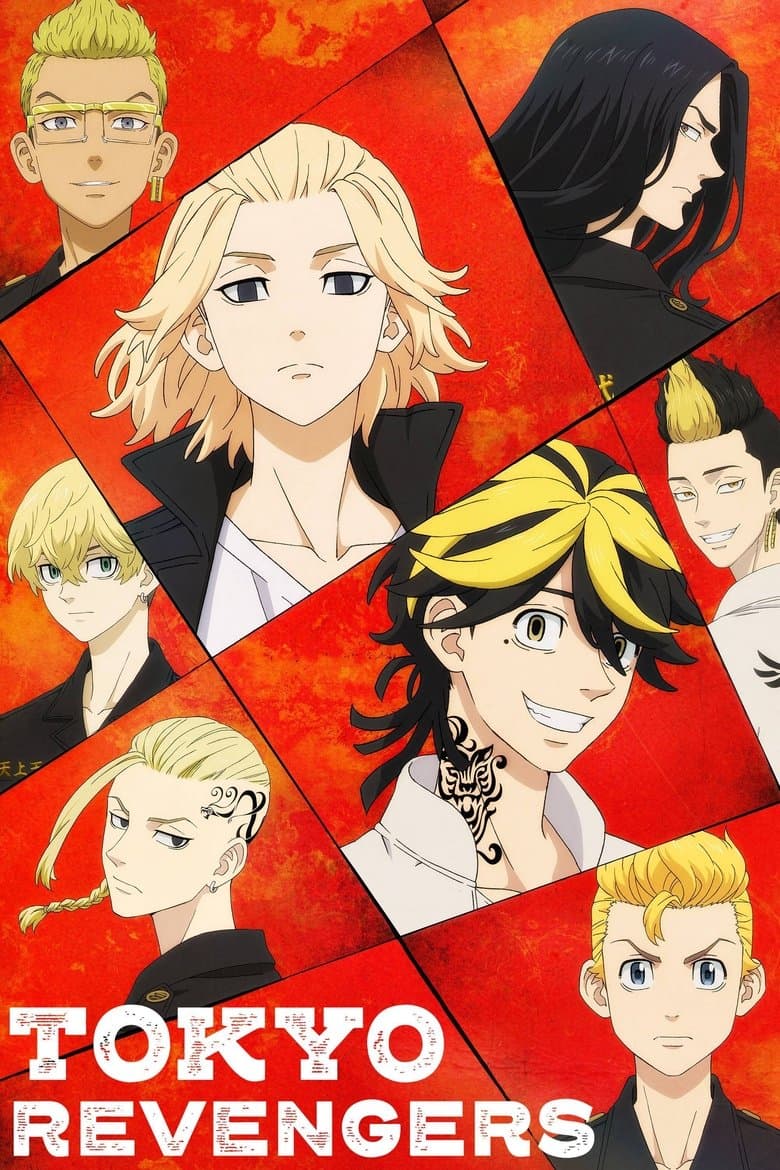
TV Show · 2021
Takemichi Hanagaki is a freelancer that’s reached the absolute pits of despair in his life. He finds out that the only girlfriend he ever had, in middle school, Hinata Tachibana…
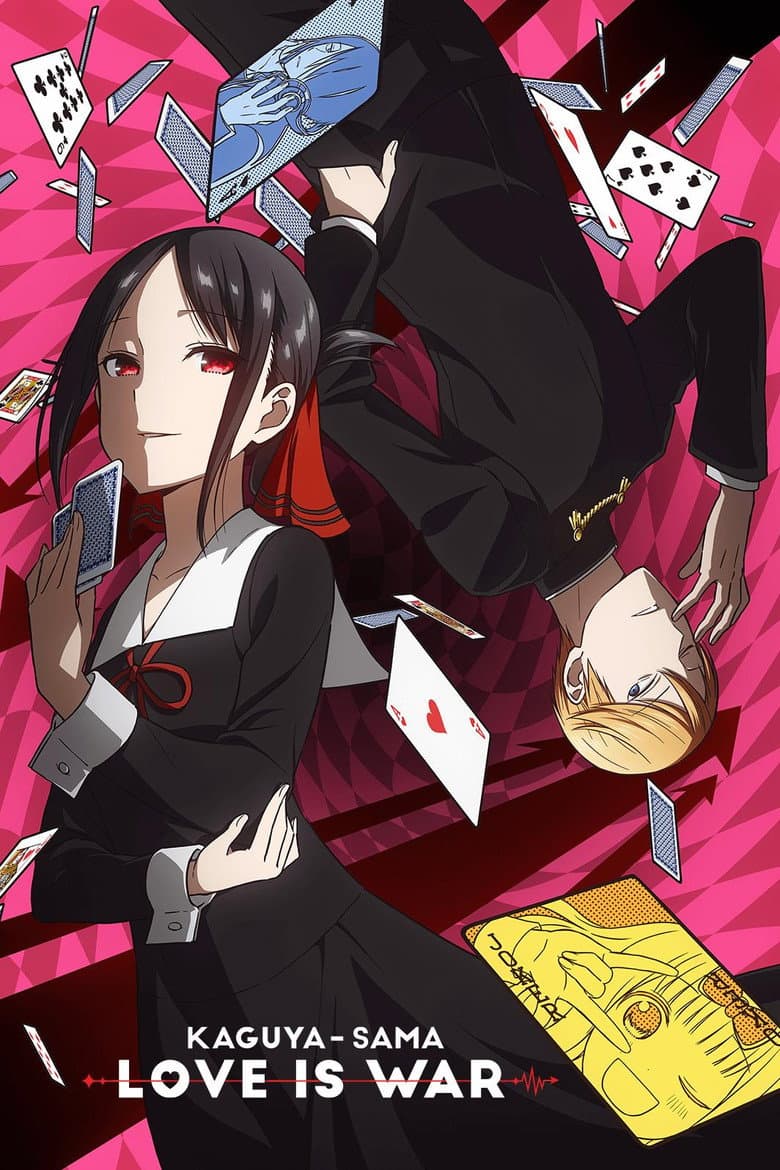
TV Show · 2019
Considered a genius due to having the highest grades in the country, Miyuki Shirogane leads the prestigious Shuchiin Academy's student council as its president, working alongside…
TV Show · 2024
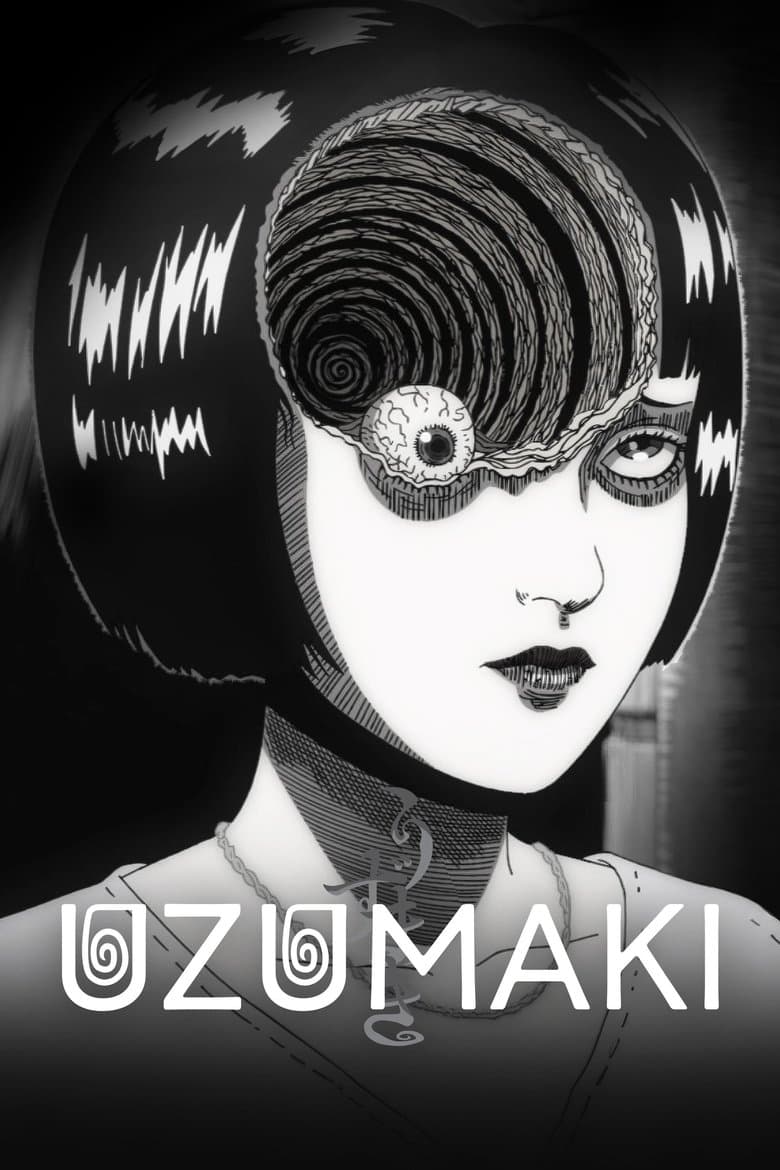
Kirie tries to escape from her town Kurouzu-cho, where the residents get obsessed with spirals due to an unexplained curse.
