Started November 14, 2019 · Ended · Based on 2 seasons, 16 episodes through June 2, 2022 · TV-MA · 48 min · Russian
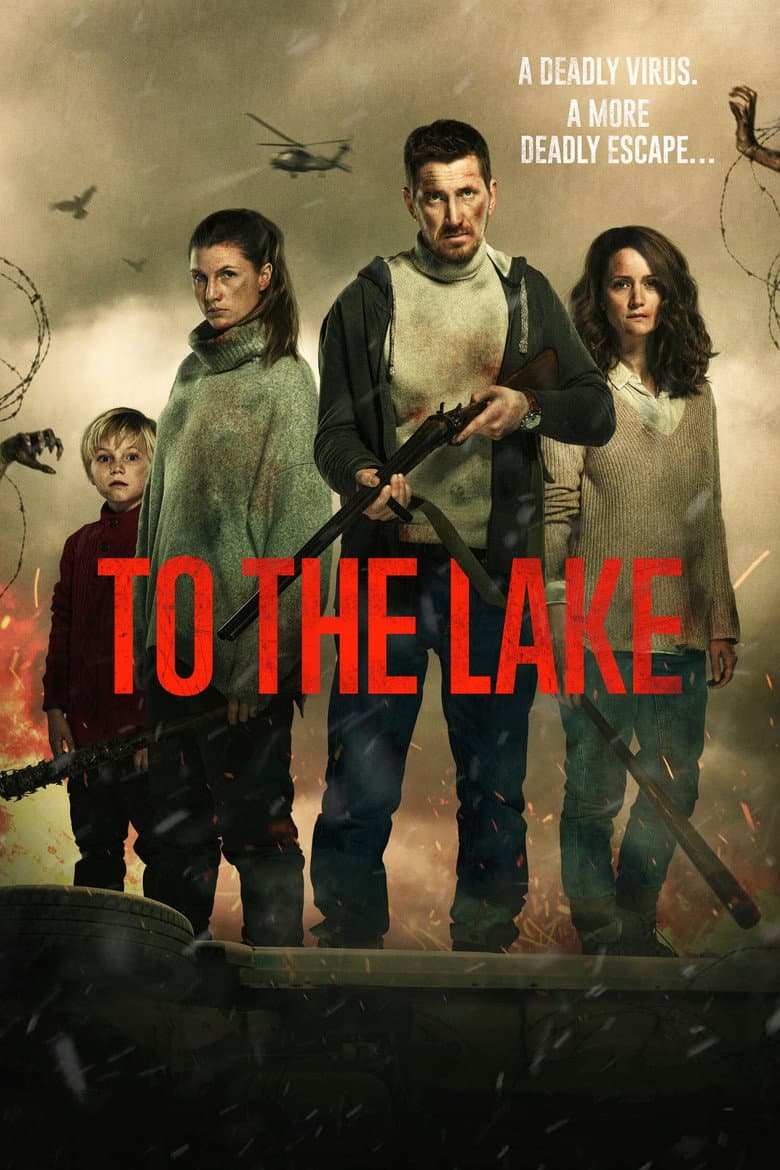
Sergey is a divorced man who lives near Moscow with his new partner Anna and her son Misha. When a deadly virus turns Moscow into a city of the dead, Sergey gathers his former wife Irina, their son Anton, and nearby families and drives north. The group faces infected people, looters, soldiers, hunger, cold, and broken trust as it searches for safety in Karelia. Season 1 is a tense family road story, while season 2 becomes a harsher journey through forests, villages, military sites, trains, and a monastery.
The show gives most of its attention to family conflict, love, grief, faith, and the fight to stay human. Season 2 adds a German social researcher and a Central Asian actor playing Ezis to a small group of young city people, but the group mainly creates tension and plot problems. The story also shows military killings, state disorder, and the contrast between urban comfort and a simple life in nature. The later season places a male special forces deserter at the center, and he saves people after refusing to kill civilians.
Community feedback
Was our 14% Woke rating accurate?
Breakdown
These are the editorial factors and ratings behind our score for To the Lake.
Woke representation / casting
Season 2 casts a German social researcher and a Central Asian actor playing Ezis among four young city survivors. The other two are a photographer and an artist from Russia. This creates a noticeable international mix in a prominent new group, but the story uses it for conflict and contrast rather than an identity message. The wider cast remains mainly Russian.
18%
Woke political dialogue
Not present. The dialogue focuses on disease, family, soldiers, faith, and survival. Season 2 discusses European tolerance and its limits, but the discussion does not push DEI or activist ideas.
0%
Identity-driven story themes
Not present. The story centers on family loyalty, grief, fear, faith, violence, and survival. The season 2 warning about city comfort and wanting too many things is not an identity-driven story.
0%
Western institutional / cultural critique
Season 2 contrasts city comfort and material goals with a simpler life in the woods. Nature appears healthier when people leave, and the characters learn to value food, fire, water, and shelter over status. The show also depicts state violence, but that conflict grows from the plague story. The result is a mild environmental and anti-material message, not a sustained attack on Western institutions, family roles, Christianity, or traditional gender norms.
10%
Woke character or canon changes
Not relevant. Season 1 changes the novel's plot and tone, and season 2 is an original story. No reported change swaps a character's race, gender, sexuality, or hero role.
0%
Anti-woke backlash and complaints
Not present. No anti-woke complaints appear in the reviewed public reaction. Public debate instead focused on censorship, pandemic timing, access to season 2, and story quality.
0%
Creator track record context
Pavel Kostomarov has a 35 score linked to protest documentaries, and Aleksey Karaulov has a 30 score linked to anti-war statements. Yana Vagner, Dmitry Tyurin, Roman Kantor, and the producers have 0 scores. This gives the title mild political context, but not a DEI or queer pattern.
10%
Production
TV Show · 2025
Before The Terminal List, Navy SEAL Ben Edwards finds himself entangled in the black operations side of the CIA.

TV Show · 2021
When a 34-year-old underachiever gets run over by a truck, his story doesn't end there. Reincarnated in a new world as an infant, Rudy will seize every opportunity to live the…

TV Show · 2023
After the party of heroes defeated the Demon King, they restored peace to the land and returned to lives of solitude.
TV Show · 2022
Navy SEAL Commander James Reece turns to vengeance as he investigates the mysterious forces behind the murder of his entire platoon.
TV Show · 2021
After encounters with a dragon and a princess on her own mission, a Dragon Knight becomes embroiled in events larger than he could have ever imagined.

TV Show · 2019
After a demon attack leaves his family slain and his sister cursed, Tanjiro embarks upon a perilous journey to find a cure and avenge those he's lost.

TV Show · 2022
A powerful sorceress in a blind woman's body encounters a man from a prestigious family, who wants her help to change his destiny.

TV Show · 2019
An antiquities expert teams up with an art thief to catch a terrorist who funds his attacks using stolen artifacts.
