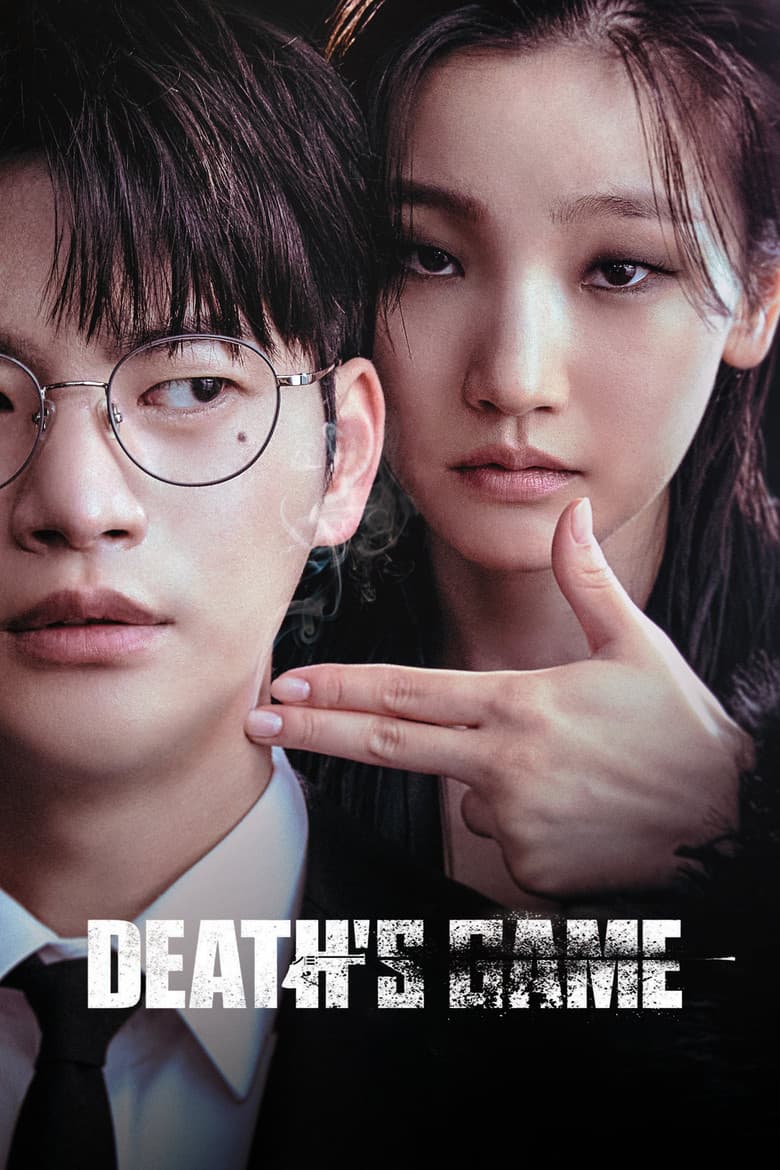
Started December 15, 2023 · Ended · Based on 1 season, 8 episodes through January 5, 2024 · TV-MA · 53 min · Korean
Death's Game follows Choi Yee-jae, a young South Korean man who has spent seven years failing to find steady work. After losing his savings and being thrown out of his home, he takes his own life and wakes before a supernatural figure called Death. She sends him through twelve lives that are about to end, and he must learn how to live before he falls into hell. The show moves between Seoul, violent crime scenes, school fights, family memories, and a strange afterlife, so its tone is dark, tense, sad, and sometimes grimly funny.
The main story follows Yee-jae as he enters a wealthy heir, an extreme sports star, a bullied student, a criminal fixer, a fighter, a baby, a model, a killer, a police detective, a homeless man, and his own mother. Each life shows him another person's fear, loss, choices, and connections. The final episodes focus less on survival tricks and more on revenge, justice, family grief, and the pain his suicide leaves behind. A short worker-rights protest appears during his mother's backstory, but the lasting message is personal responsibility, gratitude, and the value of staying alive.
Community feedback
Was our 3% Woke rating accurate?
Breakdown
These are the editorial factors and ratings behind our score for Death's Game.
Woke representation / casting
Not present. The story is set in South Korea and uses a Korean cast for its Korean characters. The large male ensemble plays different versions of the same man, not a diversity campaign.
0%
Woke political dialogue
The finale briefly shows a worker protest after Yee-jae's mother loses her job. A sign says that workers have rights and calls an unfair firing murder. The message appears once and supports her backstory instead of driving the plot.
5%
Identity-driven story themes
Not present. The body changes are used to show fear, love, grief, and the value of life. The show does not turn those changes into race, gender, sexuality, or DEI politics.
0%
Western institutional / cultural critique
Not present. The show attacks one violent rich business family, a criminal cover-up, and a failed court case. It does not make Western culture, traditional family roles, Christianity, or modern identity politics the target.
0%
Woke character or canon changes
Not relevant. The series adds and rearranges plot material from the webtoon, but no confirmed race, gender, sexuality, or identity change to an established character appears in the show.
0%
Anti-woke backlash and complaints
Not present. No credible anti-woke backlash was found. Public complaints focused on the show's harsh suicide message, pacing, and ending, not on DEI, identity politics, or left-wing messaging.
0%
Creator track record context
Not present. Ha Byung-hoon, Lee Won-sik, and Ggul-chan have no documented sustained political, activist, or DEI record. Their known work centers on family, grief, death, and second chances.
0%
Production
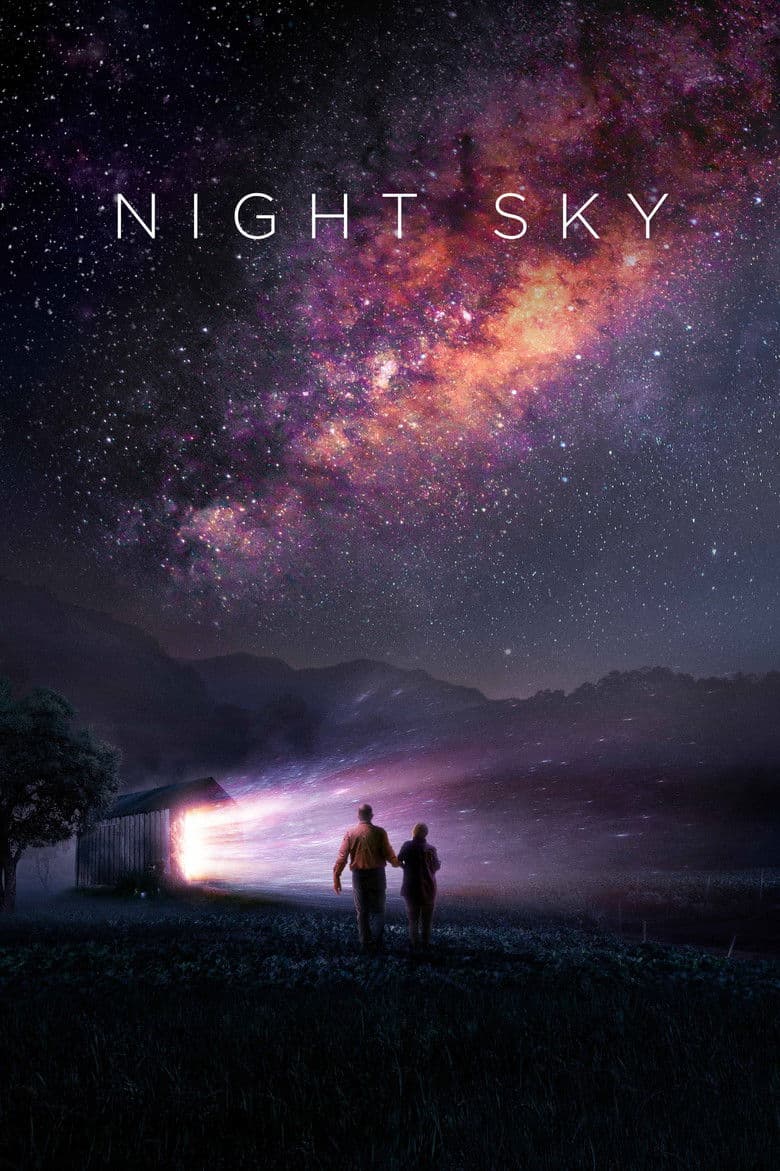
TV Show · 2022
Irene and Franklin York, a retired couple, have a secret: a Chamber buried in their backyard that miraculously leads to a strange, deserted planet.
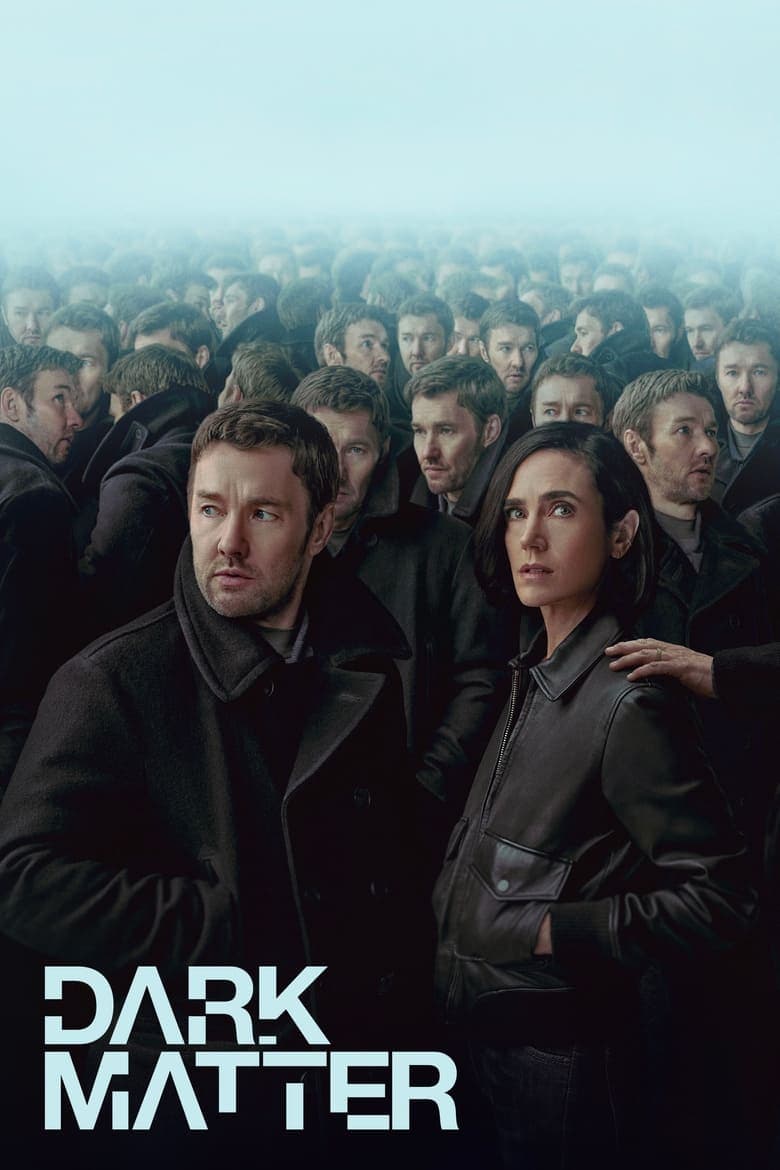
TV Show · 2024
Jason Dessen is abducted into an alternate version of his life. To get back to his true family, he embarks on a harrowing journey to save them from the most terrifying foe…
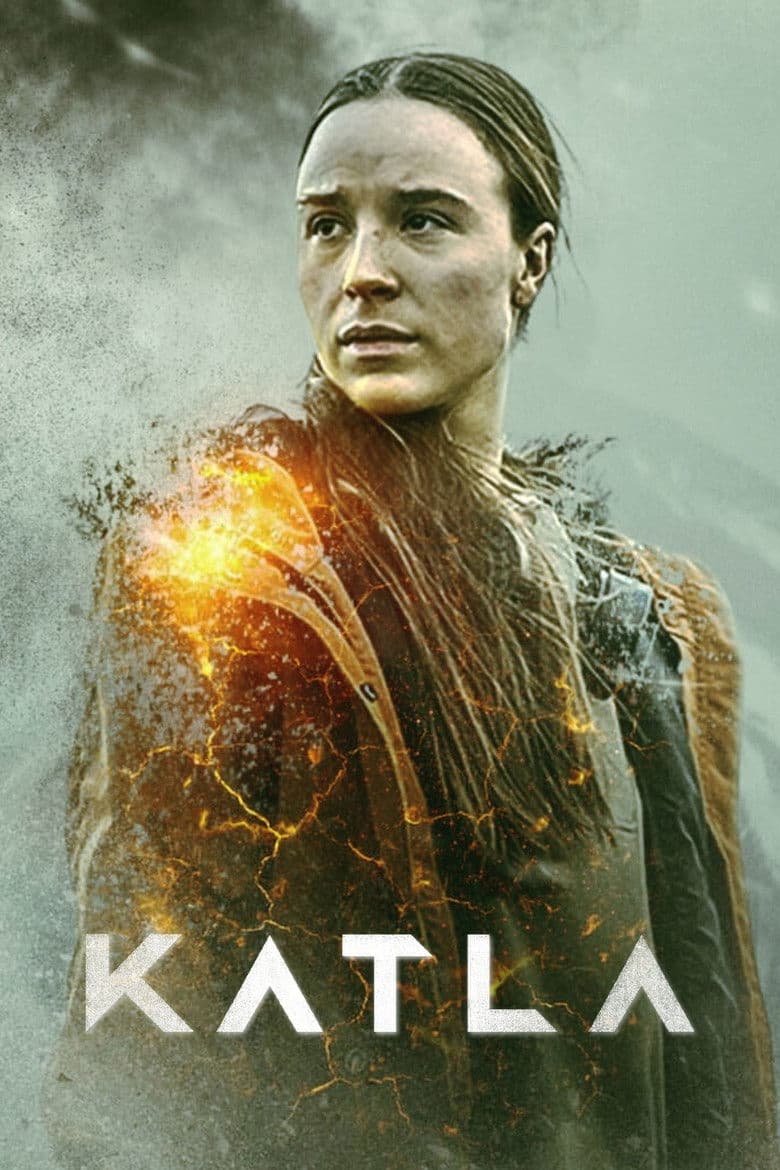
TV Show · 2021
A year after a subglacial volcano erupts, mysterious elements from prehistoric times emerge from the melting ice, bringing unforeseen consequences.
TV Show · 2021
Interconnected phone conversations chronicle the mysterious story of a group of strangers whose lives are thrown into disarray in the lead-up to an apocalyptic event.
TV Show · 2025
A Happy alien, Takopi, lands on Earth with one mission: to spread happiness! When he meets Shizuka, a lonely fourth grader, he vows to bring back her smile using his magical Happy…
TV Show · 2024
When a fatal accident occurs on board the International Space Station, a lone astronaut makes the heroic journey back to Earth, only to discover key pieces of her life—including…
TV Show · 2016
Kyle Barnes has been plagued by possession since he was a child. Now an adult, he embarks on a spiritual journey to find answers, but what he uncovers could mean the end of life…
TV Show · 2020
A unique story told over two distinct halves, "Summer" follows Sam, a man drawn to a mysterious island off the British coast where he encounters a group of islanders set on…
