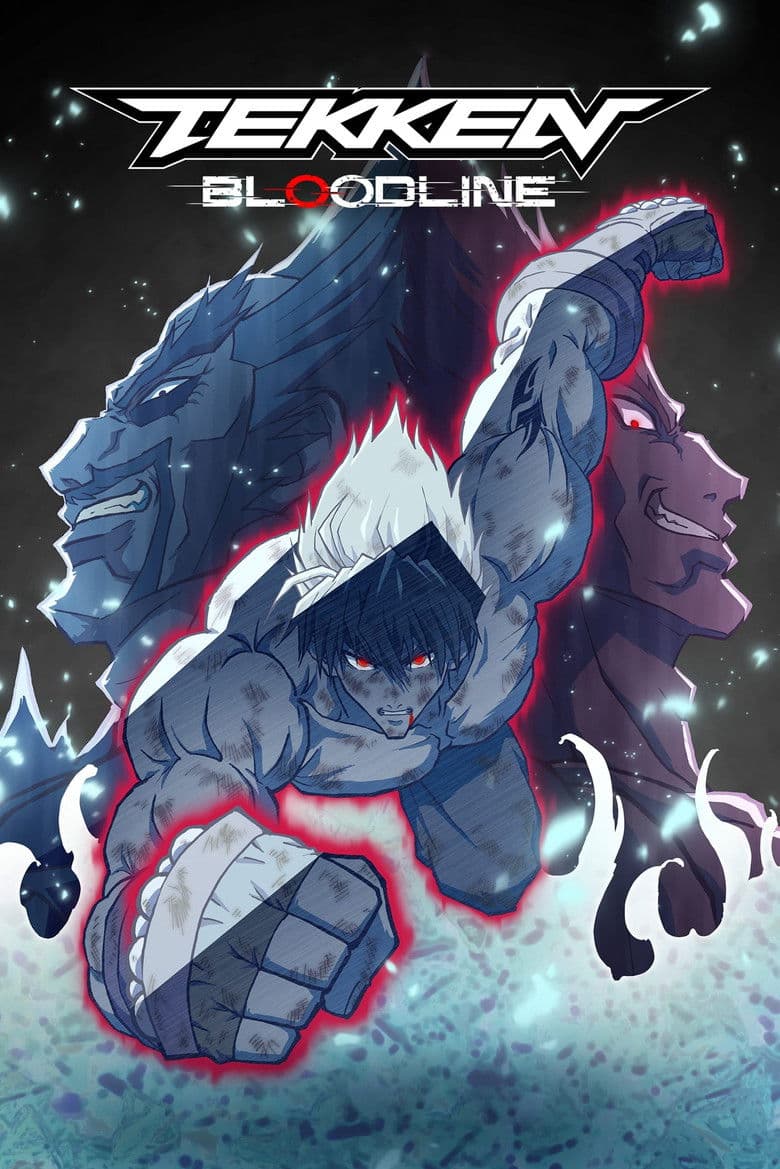
Started August 18, 2022 · Ended · Based on 1 season, 6 episodes through August 18, 2022 · TV-14 · 28 min
Jin Kazama lives with his mother, Jun, on the Japanese island of Yakushima, where she teaches him martial arts and self-control. A demon called Ogre attacks their home and leaves Jun presumed dead, so Jin turns to his harsh grandfather, Heihachi Mishima. Heihachi trains Jin to use anger and force before entering the King of Iron Fist Tournament. The six-episode season is a dark, fast action story about family violence, revenge, and the danger of losing control.
The tournament brings together established fighters from different countries, including Ling Xiaoyu, Nina Williams, Julia Chang, Leroy Smith, and King. The show gives women like Jun, Xiaoyu, Nina, and Julia meaningful fighting roles within the game world and tournament plot. Jin slowly rejects Heihachi's cruel rule and keeps Jun's calmer teaching, showing that mercy can be stronger than rage. His final battles join supernatural power with a family struggle over anger, loyalty, and control.
Community feedback
Was our 1% Woke rating accurate?
Breakdown
These are the editorial factors and ratings behind our score for Tekken: Bloodline.
Woke representation / casting
Not present. The tournament uses established Tekken fighters, including female, Black, Chinese, and other international characters. The show presents their skills as part of their existing character stories, not as a diversity message.
0%
Woke political dialogue
Not present. The dialogue centers on training, family, revenge, and the tournament. Characters do not argue for modern political or activist ideas.
0%
Identity-driven story themes
Not present. Jin struggles with anger, family blood, and loyalty to his parents and grandfather. The season does not build its story around race, gender, sexuality, or other identity politics.
0%
Western institutional / cultural critique
Not present. The Mishima Zaibatsu is shown as a dangerous company controlled by violent men. The story treats that as a personal family power struggle, not as a modern critique of Western institutions, capitalism, patriarchy, or religion.
0%
Woke character or canon changes
Not relevant. The season places later-game fighter Leroy Smith into a Tekken 3-based tournament and changes match results. Those are normal adaptation choices, and no character is changed around a DEI or identity message.
0%
Anti-woke backlash and complaints
Not present. The supplied X research found no anti-woke reaction. Available social complaints focus on animation, pacing, game accuracy, and canon changes, not woke or identity politics.
0%
Creator track record context
Writer Gavin Hignight took part in gen:LOCK's second-season room, which was formed to increase Black, Latinx, and LGBTQIA+ representation. Netflix anime leaders Kohei Obara and Dylan Thomas are linked to expanding a global anime slate, but their public work centers on audience reach and genre variety. Director Yoshikazu Miyao and most other listed producers have no well-documented activist record. The overall creator context is weak.
5%
Production
TV Show · 2024
In a world plagued by creatures known as Kaiju, Kafka Hibino aspired to enlist in The Defense Force. He makes a promise to enlist with his childhood friend, Mina Ashiro.
TV Show · 2024
They say whatever doesn’t kill you makes you stronger, but that’s not the case for the world’s weakest hunter Sung Jinwoo.
TV Show · 2019
One fateful day, all of humanity was petrified by a blinding flash of light. After several millennia, high schooler Taiju awakens and finds himself lost in a world of statues.
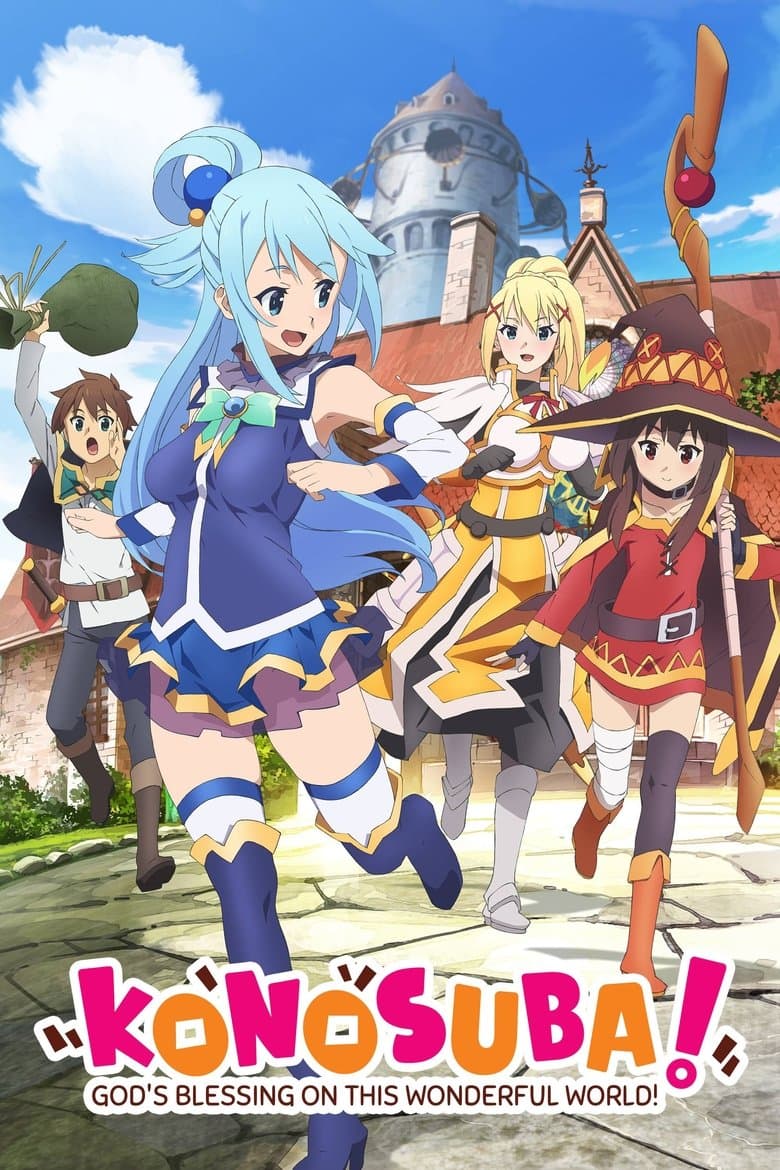
TV Show · 2016
After a traffic accident, Kazuma Sato’s disappointingly brief life was supposed to be over, but he wakes up to see a beautiful girl before him.
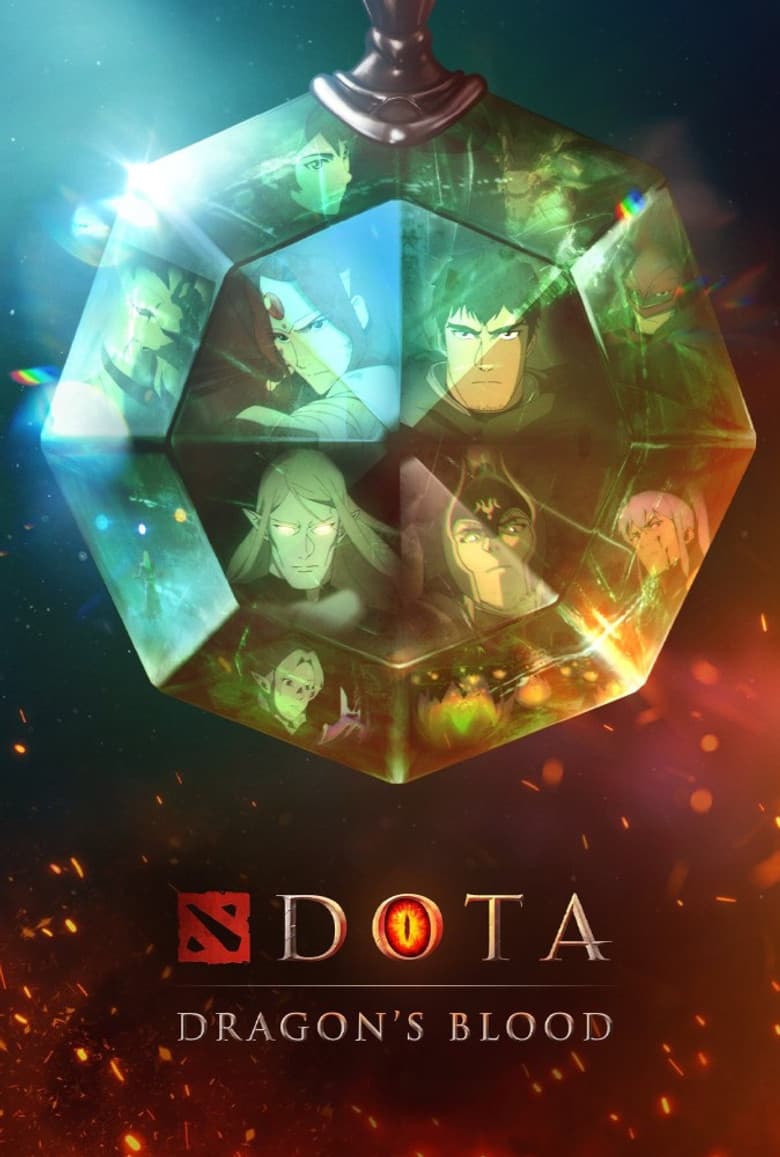
TV Show · 2021
After encounters with a dragon and a princess on her own mission, a Dragon Knight becomes embroiled in events larger than he could have ever imagined.
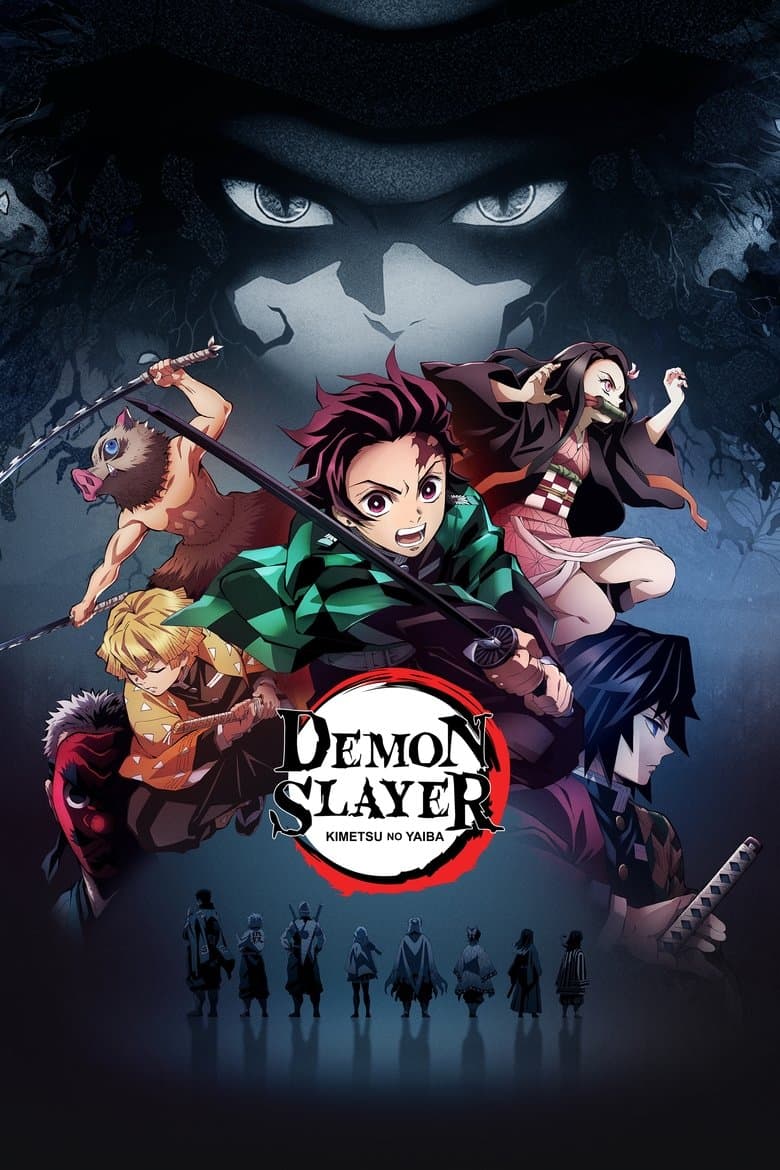
TV Show · 2019
After a demon attack leaves his family slain and his sister cursed, Tanjiro embarks upon a perilous journey to find a cure and avenge those he's lost.
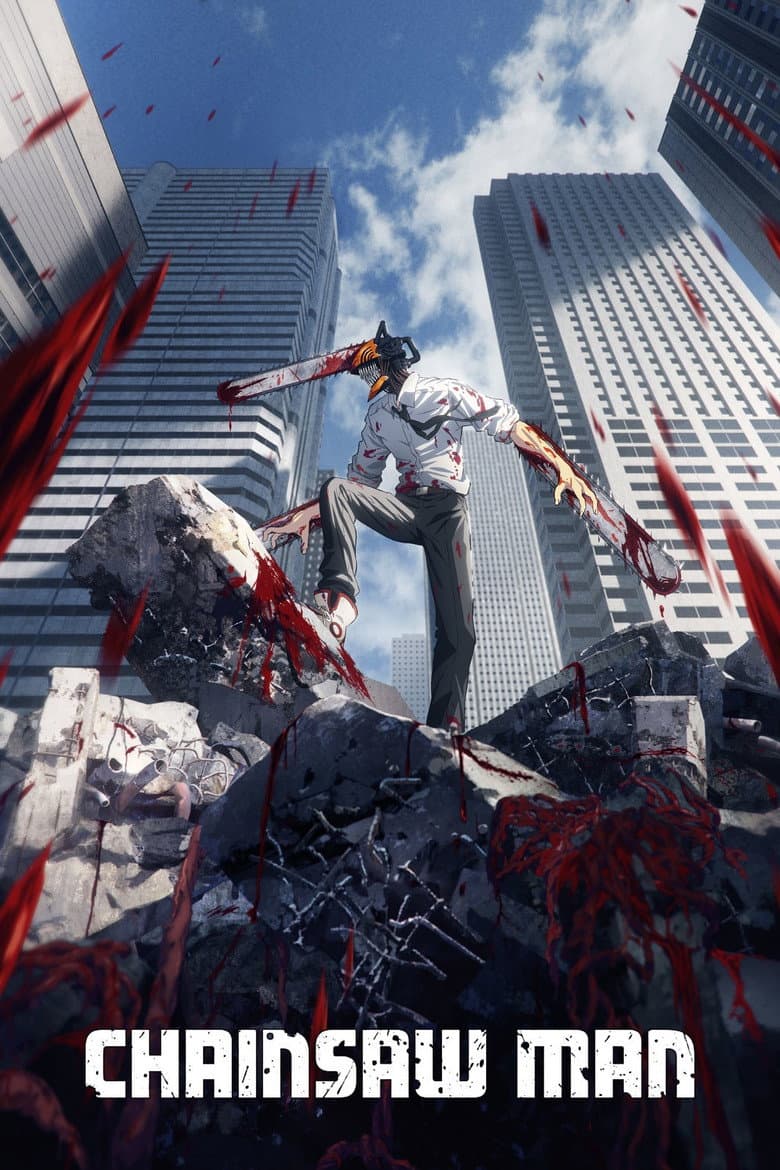
TV Show · 2022
Denji has a simple dream—to live a happy and peaceful life, spending time with a girl he likes. This is a far cry from reality, however, as Denji is forced by the yakuza into…
TV Show · 2021
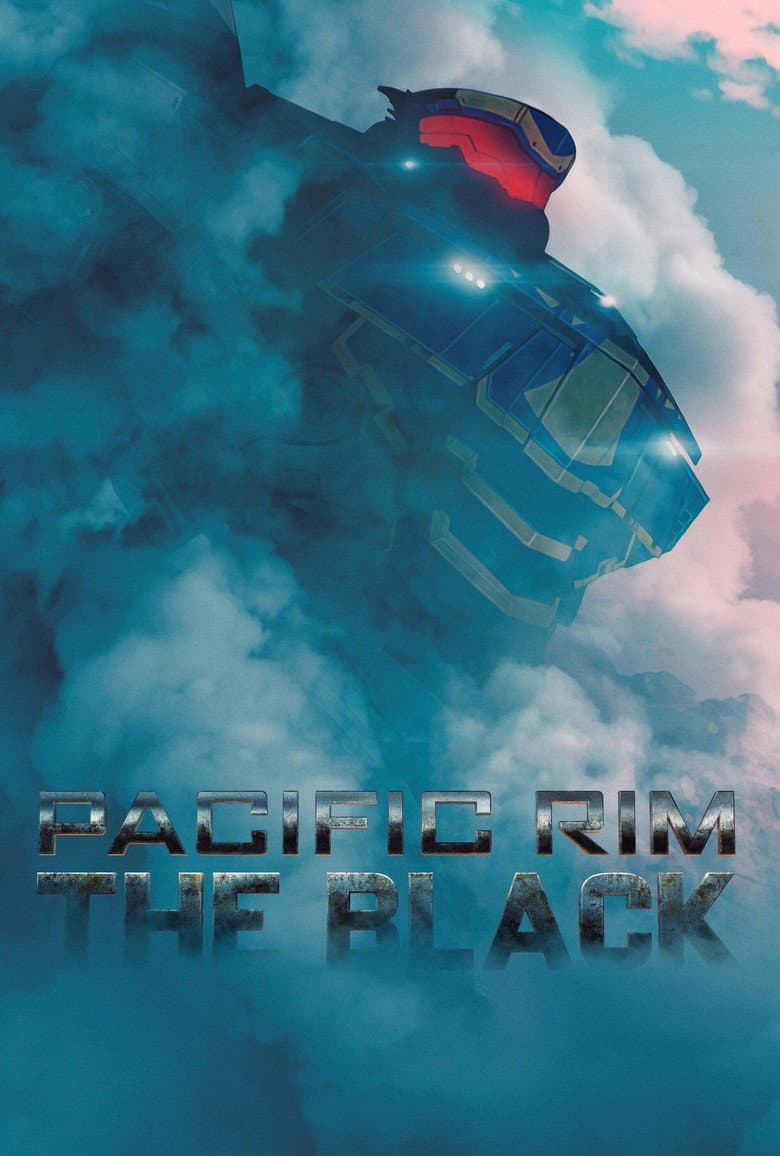
Two siblings - an idealistic teenage boy and his naive younger sister - are forced to pilot an abandoned Jaeger across a hostile landscape in a desperate attempt to find their…
