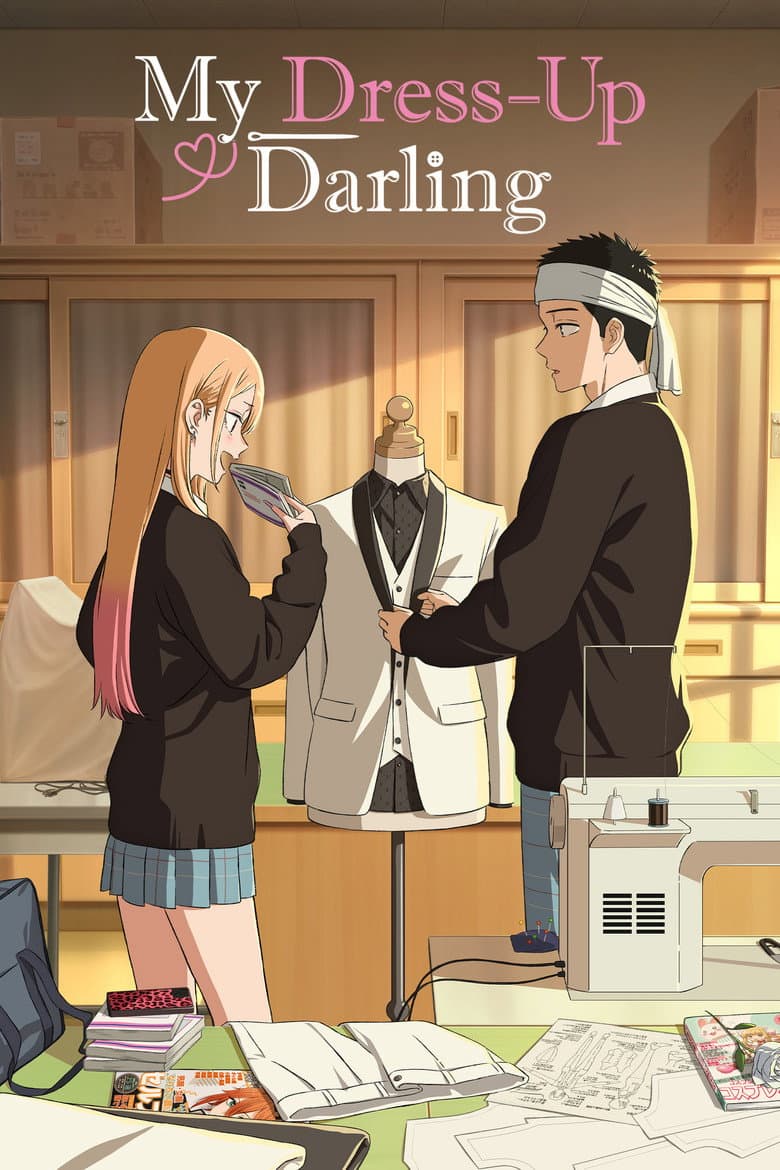
Started January 9, 2022 · Ended · Based on 1 season, 24 episodes through September 21, 2025 · TV-14 · 24 min · Japanese
Wakana Gojo is a quiet high school boy who wants to make the faces of traditional Japanese Hina dolls like his grandfather. He hides that goal after a childhood friend calls the dolls strange. His life changes when Marin Kitagawa, a popular classmate who loves anime, games, and cosplay, asks him to make her costumes. The show follows their slow romance, growing friendship, and many costume projects in a bright but often very sexual comedy.
The clearest woke element is the show's repeated support for breaking gender rules through hobbies and clothing. Gojo is praised for loving a craft seen as feminine, Shinju cosplays a male hero, Marin cosplays a male character, and season two gives Amane a major story as a man who crossplays women. The story presents ridicule from classmates, an ex-girlfriend, and social expectations as wrong, then rewards self-expression and support from the cosplay group. These ideas recur across both seasons, but the main story remains a boy-girl romance about cosplay, skill, confidence, and accepting unusual interests.
Community feedback
Was our 45% Woke rating accurate?
Breakdown
These are the editorial factors and ratings behind our score for My Dress-Up Darling.
Woke representation / casting
Not present. The anime uses Japanese characters in a Japanese high-school and cosplay setting. It does not present identity-based casting or a diversity message.
0%
Woke political dialogue
The characters repeatedly say that hobbies and clothing should not be limited by sex. Gojo tells Shinju that cosplay lets a person be anything and urges her to try the male hero she loves. Amane says he kept crossplaying after an ex called it creepy, and Gojo and Marin support him. The school festival's inner show also says that sex and gender do not matter, so the dialogue recurs across several story arcs.
41%
Identity-driven story themes
Cosplay lets characters show parts of themselves that others call strange. Gojo hides his love of Hina dolls, Shinju gains confidence by playing a male hero, and Amane gains self-respect through female cosplay. Season 2 returns to this idea through Marin's male cosplay and the wider cosplay group. The main story remains a boy-girl romance, so this theme is important but not the whole show.
50%
Western institutional / cultural critique
The show treats old rules about masculinity and femininity as unfair barriers. Gojo is shamed for making dolls, Amane is mocked for wearing women's clothes, and Shinju worries that her body cannot fit a male role. The school festival presents a woman in a male role as admirable and uses a speech that says sex and gender do not matter. The criticism stays focused on hobbies, romance, and peer pressure, with no attack on Christianity, capitalism, or Western institutions.
37%
Woke character or canon changes
Not relevant. The anime keeps the manga's main character identities and relationships. The crossplay costumes do not change who the characters are.
0%
Anti-woke backlash and complaints
Not present. No clear anti-woke or right-leaning campaign against the show was found through the review date. The main race-related controversy criticized the show for possible blackface, while most other complaints focused on fanservice, pacing, or romance.
0%
Creator track record context
Shinichi Fukuda and Keisuke Shinohara have no documented activist or DEI public personas. Yoriko Tomita has a record of writing stories about gender presentation and sexuality, including Senpai Is an Otokonoko and Otherside Picnic. Most other directors and producers have public records focused on anime craft rather than identity politics.
20%
Production
TV Show · 2021
A secret life is the one thing they have in common. At school, Hori is a prim and perfect social butterfly, but the truth is she's a brash homebody.
TV Show · 2018
Puberty Syndrome—a rumored, mysterious syndrome that only affects those in their puberty. For example, a bunny girl suddenly appeared in front of Sakuta Azusagawa.
TV Show · 2019
Considered a genius due to having the highest grades in the country, Miyuki Shirogane leads the prestigious Shuchiin Academy's student council as its president, working alongside…

TV Show · 2020
A surreal take on transitioning from 20-something to 30-something centering on a married couple juggling such everyday challenges as parenthood, friendship, ham theft, stripper…
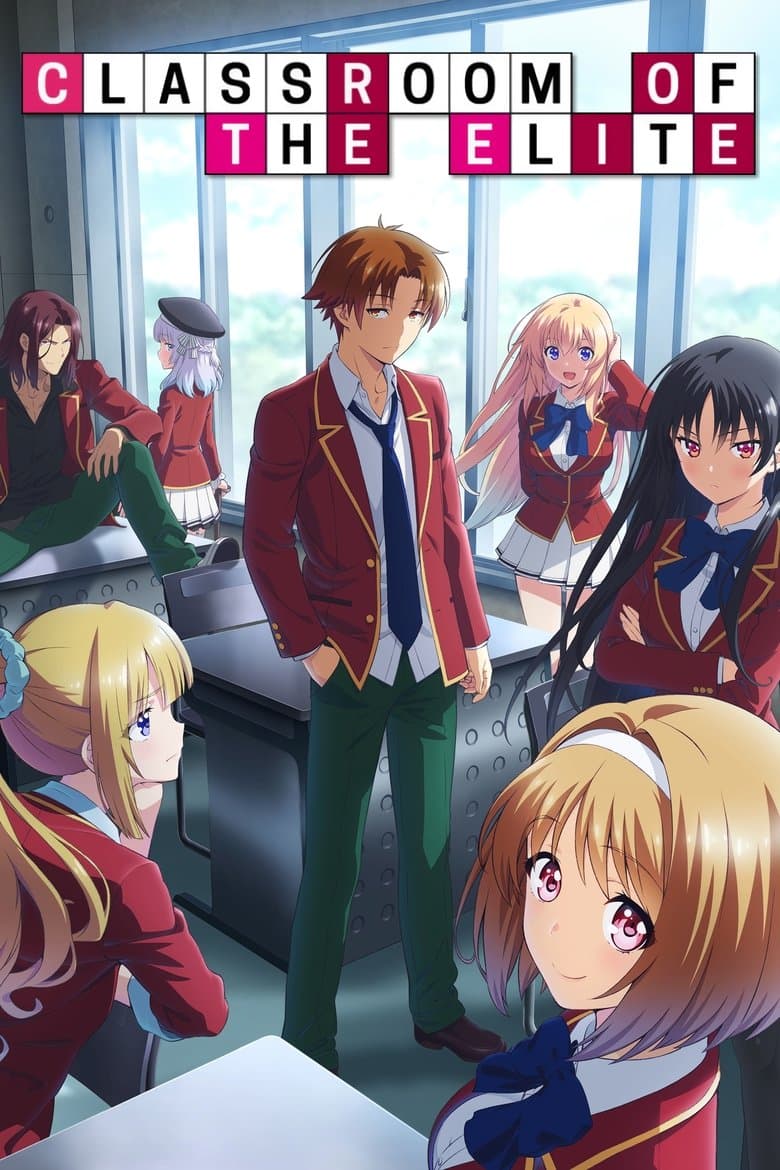
TV Show · 2017
Kiyotaka Ayanokouji enrolls at the prestigious Tokyo Koudo Ikusei Academy, but is assigned to Class 1-D, where students with behavioral problems are housed.
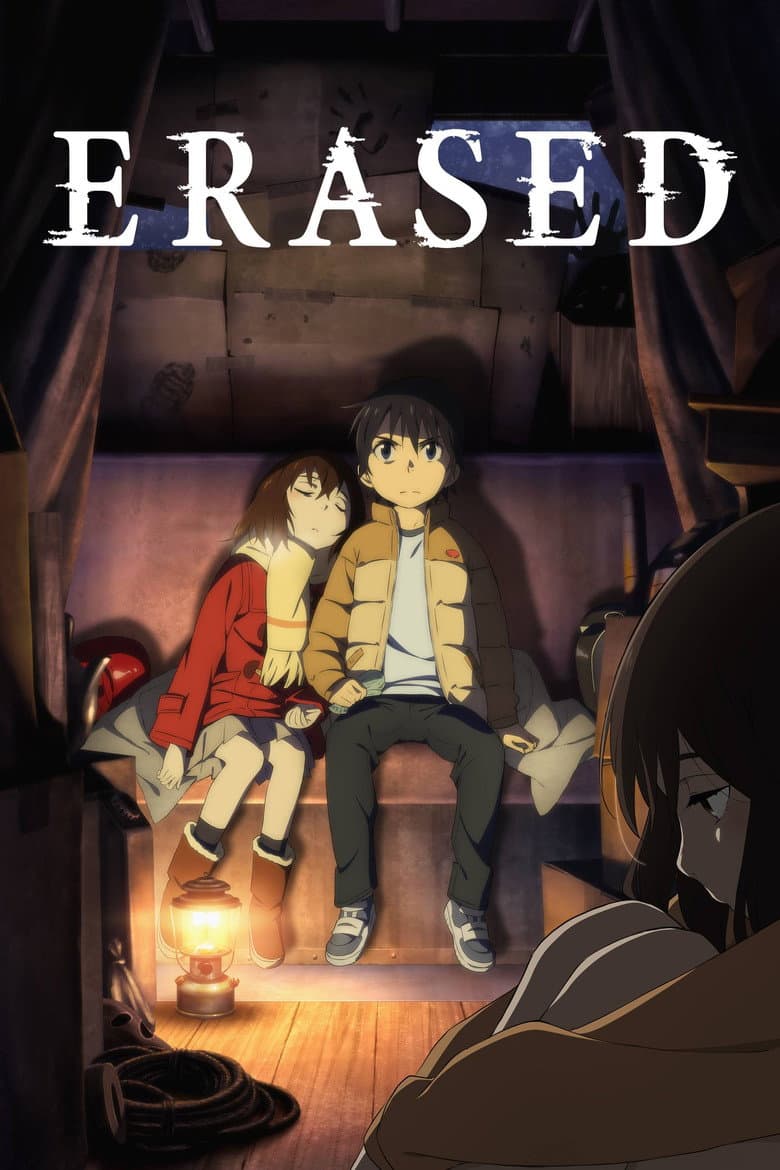
TV Show · 2016
Satoru Fujinuma is a struggling manga artist who has the ability to turn back time and prevent deaths. When his mother is killed he turns back time to solve the mystery, but ends…

TV Show · 2019
Year 198 of the Solar Era in Tokyo, special fire brigades are fighting against a phenomenon called spontaneous human combustion where humans beings are turned into living infernos…
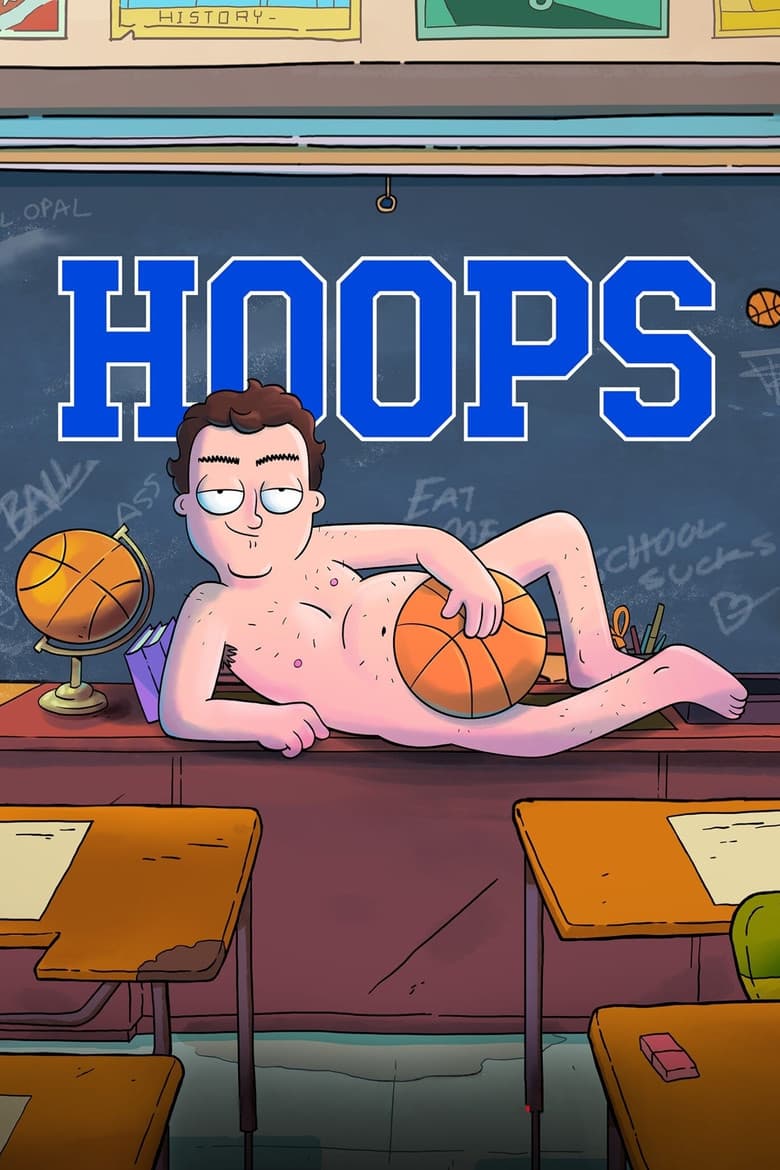
TV Show · 2020
A foul-mouthed high school basketball coach is sure he'll hit the big leagues if he can only turn his terrible team around. Good luck with that.
