TV Show review
Started January 14, 2016 · Returning Series · Based on 3 seasons, 31 episodes through June 19, 2024 · TV-14 · 24 min · Japanese
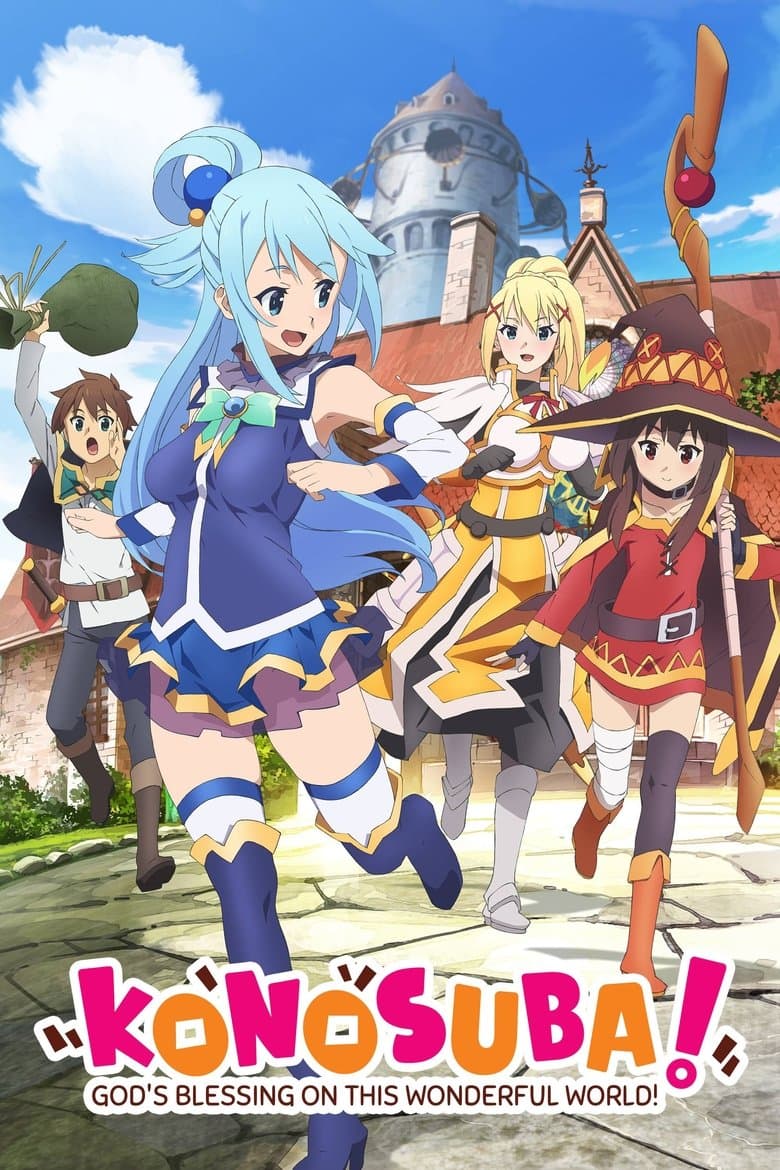
Kazuma Sato dies in a silly accident and wakes up before Aqua, a goddess who sends people to another world. He chooses to take Aqua with him, but she is more trouble than help. Kazuma forms a party with Aqua, the one-spell wizard Megumin, and the knight Darkness while they try to earn money and fight the Demon King’s forces. The story takes place in a game-like fantasy world, and its tone is rude, chaotic, and built around failure, sexual jokes, and fast comedy.
Across three seasons, the show follows the group through monster hunts, debt, court trouble, a corrupt noble, a hot-spring town, a princess’s interest in Kazuma, and Darkness’s forced wedding deal. The main visible identity-related point is a Season 2 joke in which Kazuma calls his choice to kick a woman an example of gender equality. The show treats that line as a selfish joke about Kazuma rather than a serious political lesson. The female characters have strong powers, but each power comes with a major flaw, and Kazuma remains the central planner and narrator.
Community feedback
Was our 14% Woke rating accurate?
Breakdown
These are the editorial factors and ratings behind our score for KONOSUBA - God's blessing on this wonderful world!.
Woke representation / casting
Not present. The show is Japanese animation with fictional fantasy characters, so it does not use audience-visible race or diversity casting as a message. Its large female cast follows fantasy comedy roles and is not framed as a diversity campaign.
0%
Woke political dialogue
Kazuma says he wants true gender equality when he argues that women should not get special treatment. He uses the idea to justify kicking or refusing favors to female characters. The show treats the line as a selfish joke about Kazuma and does not build a wider political message around it.
25%
Identity-driven story themes
Not present. The show focuses on monsters, debt, magic, romance, and comedy. The female heroes have large powers, but each power comes with a major flaw, and the story does not present a modern identity or activist message.
0%
Western institutional / cultural critique
Not present. The corrupt noble, dishonest hot-spring church, and court trouble belong to the fantasy plot. The show does not connect them to modern capitalism, patriarchy, Christianity, or Western institutions.
0%
Woke character or canon changes
Not relevant. The anime adapts an established light-novel cast. Season 3 uses a temporary magic body-swap as a joke, but it does not rewrite Kazuma or Iris or replace a character’s race, gender, sexuality, or hero role. The other changes are normal plot cuts and additions.
0%
Anti-woke backlash and complaints
Not present. Public discussion of the TV seasons centers on comedy, sexual humor, pacing, character pairings, and adaptation choices. The main identity-related dispute found concerns a separate 2019 movie, not the three reviewed TV seasons.
0%
Creator track record context
The cached scores for the listed directors, writers, and producers range from 0 to 14. Makoto Uezu and Sho Tanaka provide the only small context signals above 10. Their summaries show normal genre and production work, not a clear activist record tied to this show.
4%
Production
TV Show · 2019
One fateful day, all of humanity was petrified by a blinding flash of light. After several millennia, high schooler Taiju awakens and finds himself lost in a world of statues.
TV Show · 2016
Shigeo Kageyama, a.k.a. "Mob," is a boy who has trouble expressing himself, but who happens to be a powerful esper.
TV Show · 2024
They say whatever doesn’t kill you makes you stronger, but that’s not the case for the world’s weakest hunter Sung Jinwoo.
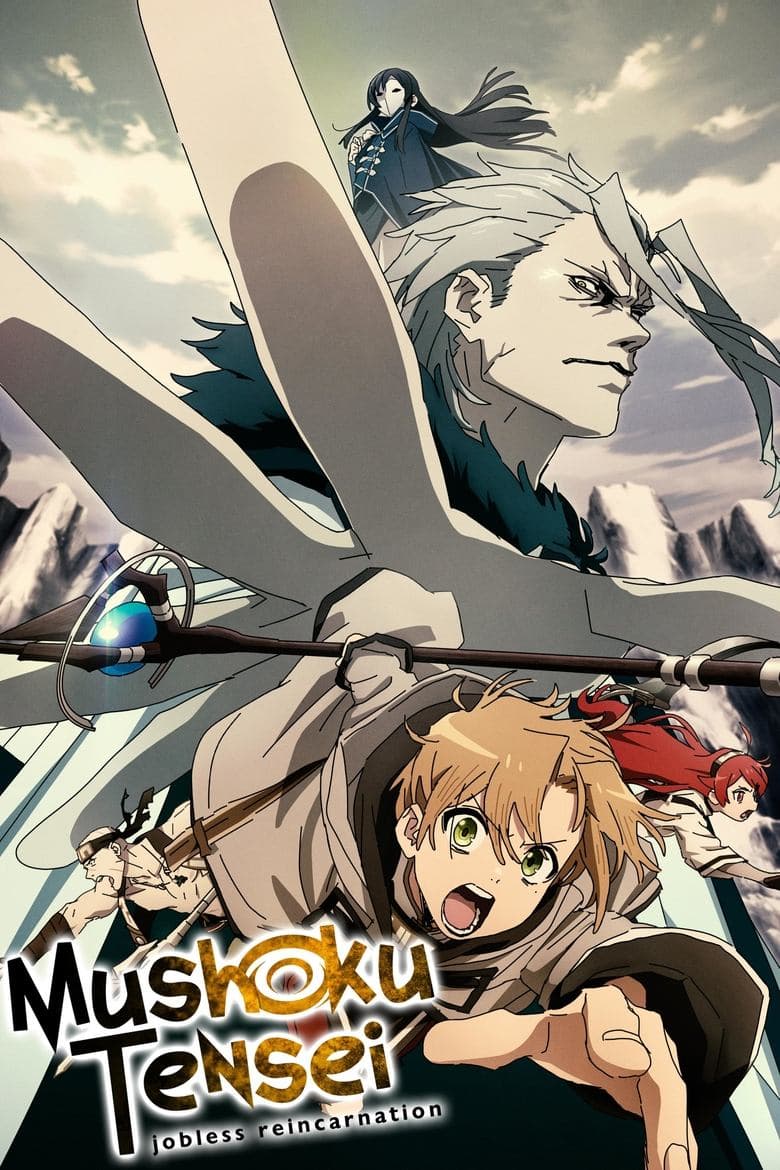
TV Show · 2021
When a 34-year-old underachiever gets run over by a truck, his story doesn't end there. Reincarnated in a new world as an infant, Rudy will seize every opportunity to live the…
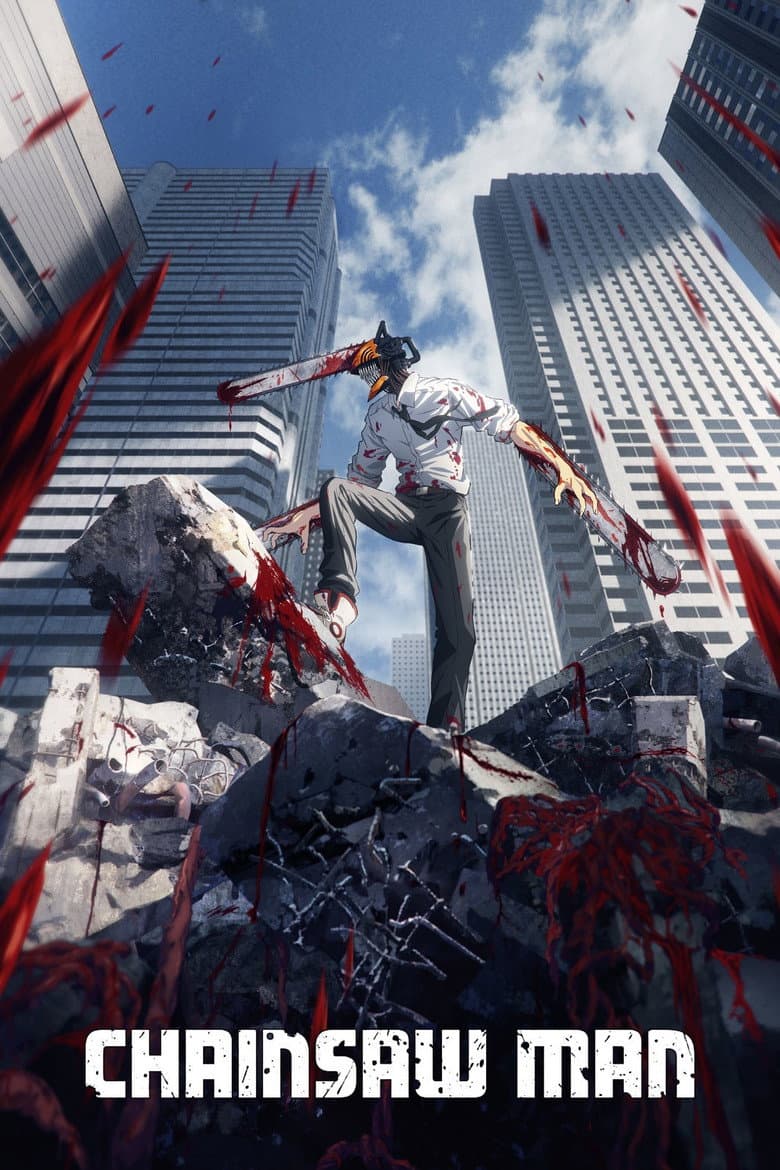
TV Show · 2022
Denji has a simple dream—to live a happy and peaceful life, spending time with a girl he likes. This is a far cry from reality, however, as Denji is forced by the yakuza into…
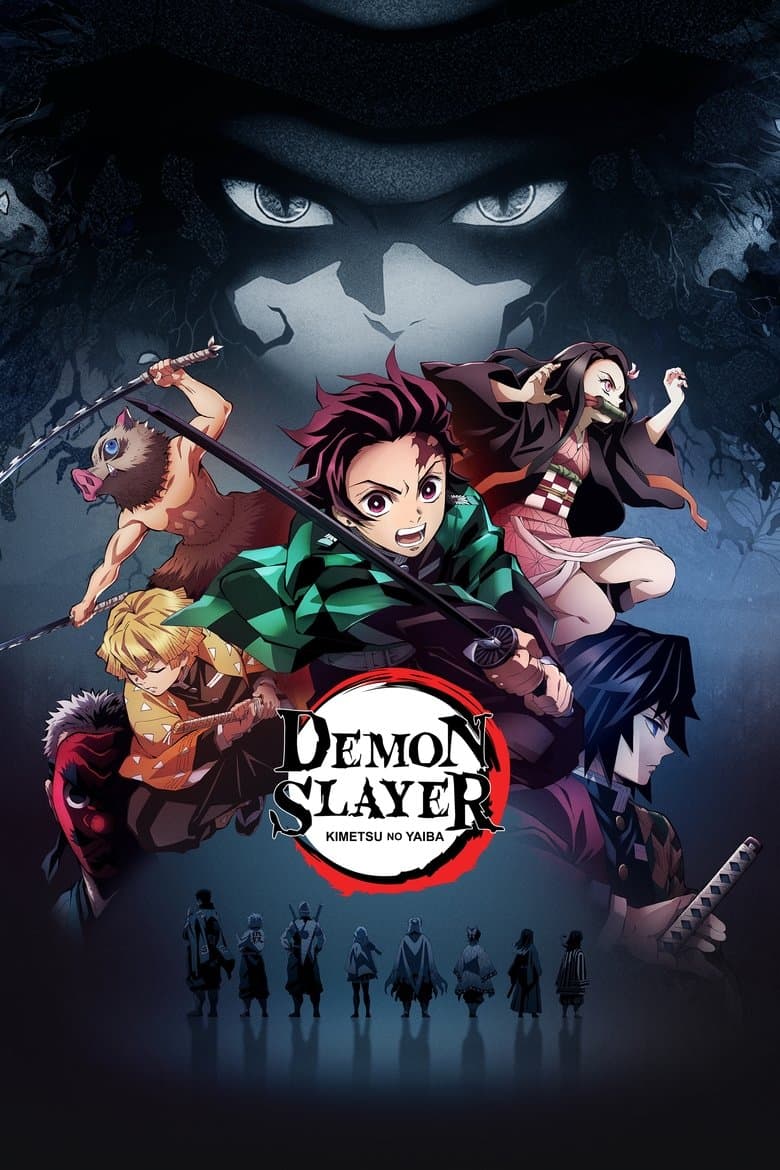
TV Show · 2019
After a demon attack leaves his family slain and his sister cursed, Tanjiro embarks upon a perilous journey to find a cure and avenge those he's lost.
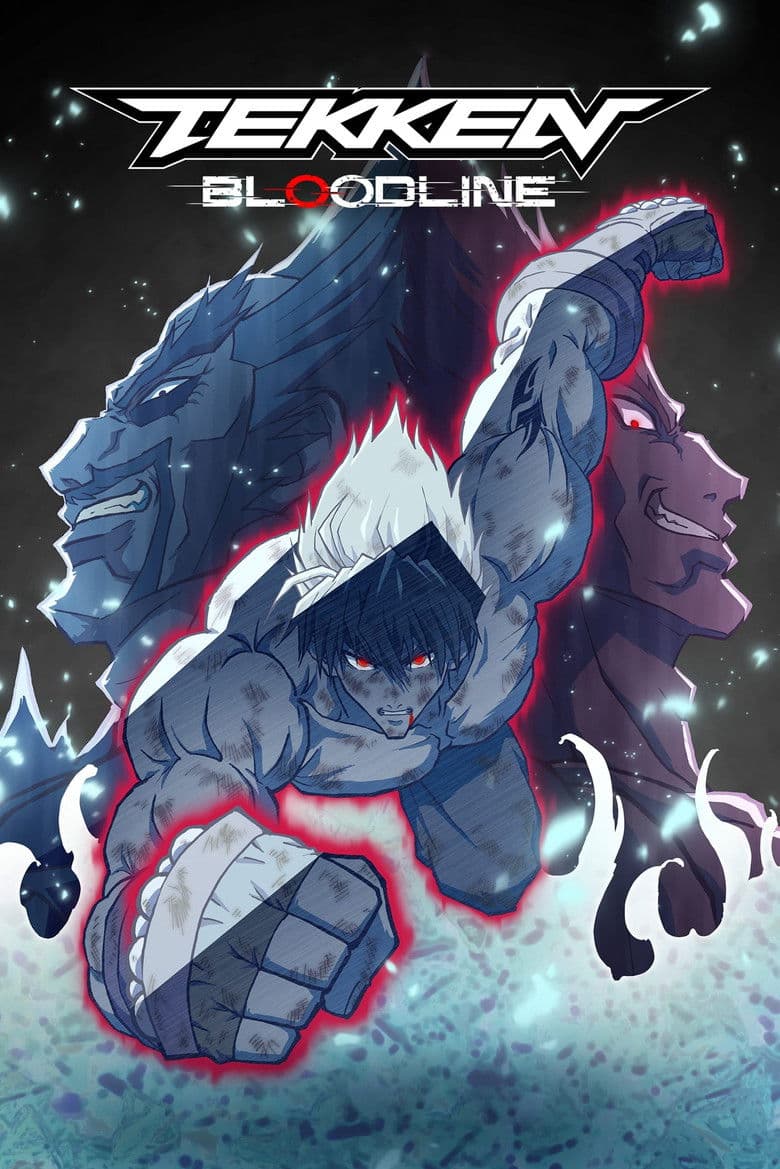
TV Show · 2022
After losing his home to a powerful enemy, a hot-tempered fighter trains under his zealous grandfather while awaiting his chance for revenge.
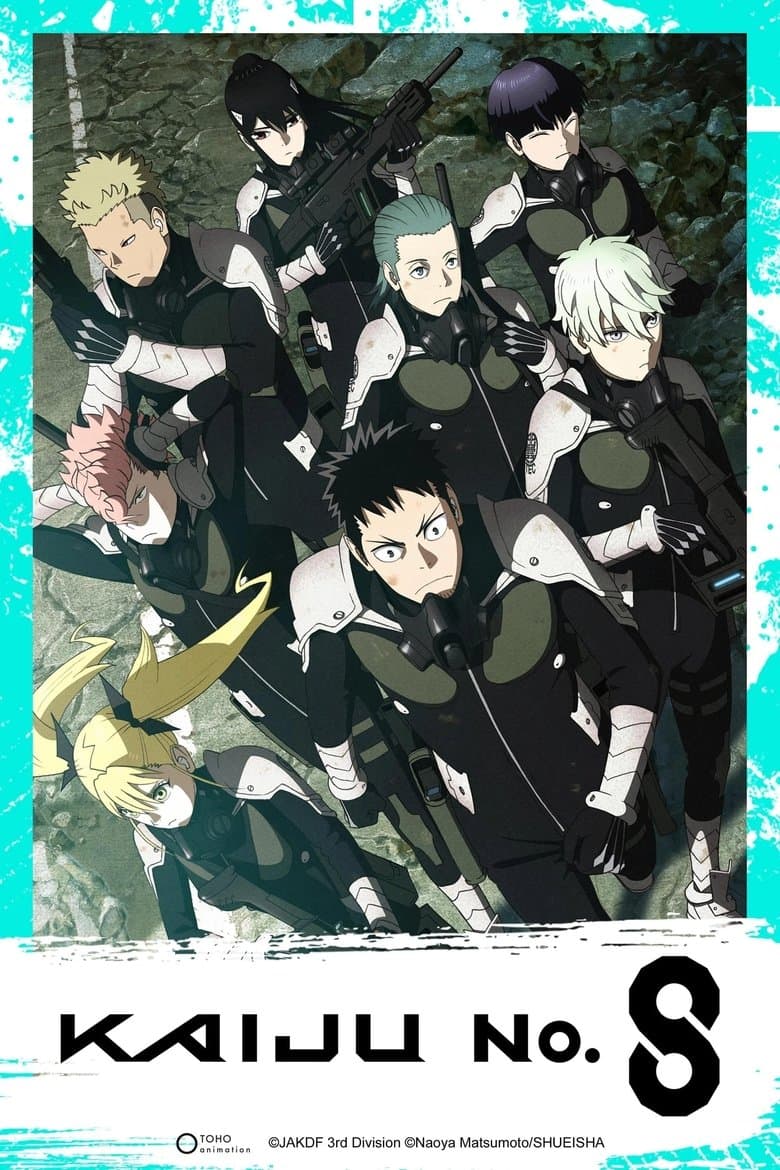
TV Show · 2024
In a world plagued by creatures known as Kaiju, Kafka Hibino aspired to enlist in The Defense Force. He makes a promise to enlist with his childhood friend, Mina Ashiro.
