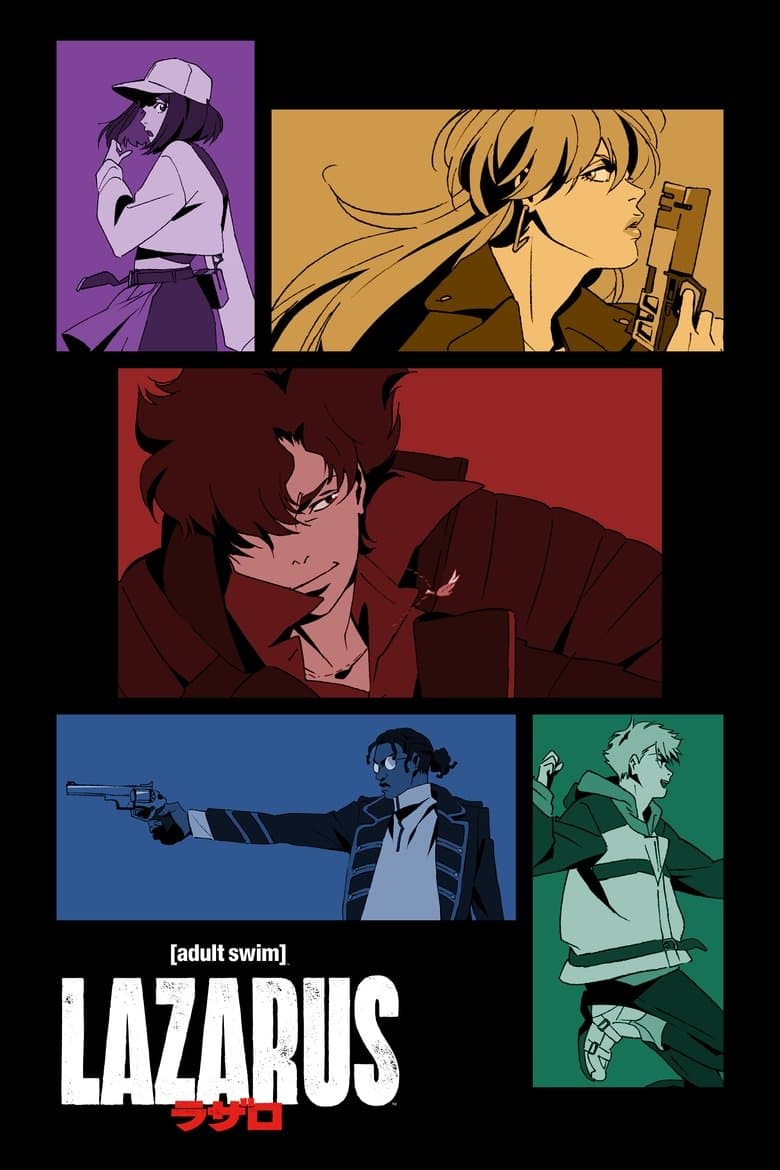
Started April 6, 2025 · Ended · Based on 1 season, 13 episodes through June 29, 2025 · TV-14 · 25 min
Lazarus takes place in 2052 after the cheap painkiller Hapna makes life almost free of pain. Three years after people begin using Hapna, Dr. Skinner warns that the drug will kill them and gives the world 30 days to find him and his cure. Axel Gilberto, a Brazilian prison escape artist, joins Hersch's troubled team after she offers him freedom. The team travels through a damaged but advanced world while fighting police, soldiers, spies, hackers, and killers. The show combines fast action, dark humor, mystery, and a warning about the false promise of perfect comfort.
The five-person team includes a Nigerian scientist, a Russian gun expert, a Canadian drone pilot, and a young Hong Kong hacker. Jill is a transgender woman who runs a homeless camp and helps the team. Episode 8 follows Chris's past love for Inga, a Russian agent, and their painful reunion. The season also shows racism, attacks on poor people, hidden drug trials, military wrongdoing, unequal medical care, and the power of wealthy families. These themes appear throughout the season, but the Hapna chase and action remain the main story.
Community feedback
Was our 62% Woke rating accurate?
Breakdown
These are the editorial factors and ratings behind our score for Lazarus.
Woke representation / casting
The show places a Brazilian man, Nigerian man, Russian woman, Canadian boy, and Hong Kong girl in its main five-person team. Each member has a major skill or leadership role. The story makes their national backgrounds part of the team design. The future setting makes this mix believable, so the casting does not strongly conflict with the story.
38%
Woke political dialogue
Dr. Skinner says human greed and short-term profit have damaged the environment. The team discusses climate damage, economic disparity, drug addiction, racism, and government failure. Doug's school backstory includes a dean saying black men cannot win a Nobel Prize, and Leland's sister calls male inheritance outdated. These ideas return during the season, but action and mystery remain the main focus.
46%
Identity-driven story themes
Jill is a transgender woman who runs a homeless camp, and Axel and the team accept her. Chris's past with Inga, a former same-sex lover, drives the full rescue story in episode 8. Chris later kisses Axel, so the show does not present her past relationship as her only romance. These identity elements are clear, but they appear in a few episodes instead of driving the Hapna plot.
38%
Western institutional / cultural critique
Skinner blames short-term profit and human conflict for environmental damage. The plot shows drug firms hiding trial data, soldiers covering up a bioweapon test, and wealthy people using private medical care. The story also shows racism at Doug's school, male inheritance rules, and island residents being displaced by wealthy buyers. These ideas return across many episodes and shape the crisis.
55%
Woke character or canon changes
Not relevant. Lazarus is an original anime, so it does not change established characters or real historical figures.
0%
Anti-woke backlash and complaints
A small group of Reddit and IMDb users called the show woke, DEI, or virtue-signaling. Those complaints named Jill's transgender identity, Chris and Inga's relationship, the diverse team, and direct social commentary. The reaction was scattered. No large news controversy about these points was found.
18%
Creator track record context
Shinichiro Watanabe's cached creator score is 47/100. His past work often uses multicultural casts and stories about inequality or other social problems. Lazarus continues that pattern with a global team and repeated focus on climate, drug addiction, and power. The other cached creators have low scores and no strong activist record.
47%
Production
TV Show · 2023
After the party of heroes defeated the Demon King, they restored peace to the land and returned to lives of solitude.
TV Show · 2016
Shigeo Kageyama, a.k.a. "Mob," is a boy who has trouble expressing himself, but who happens to be a powerful esper.
TV Show · 2018
Corporate worker Mikami Satoru is stabbed by a random killer, and is reborn to an alternate world. But he turns out to be reborn a slime!
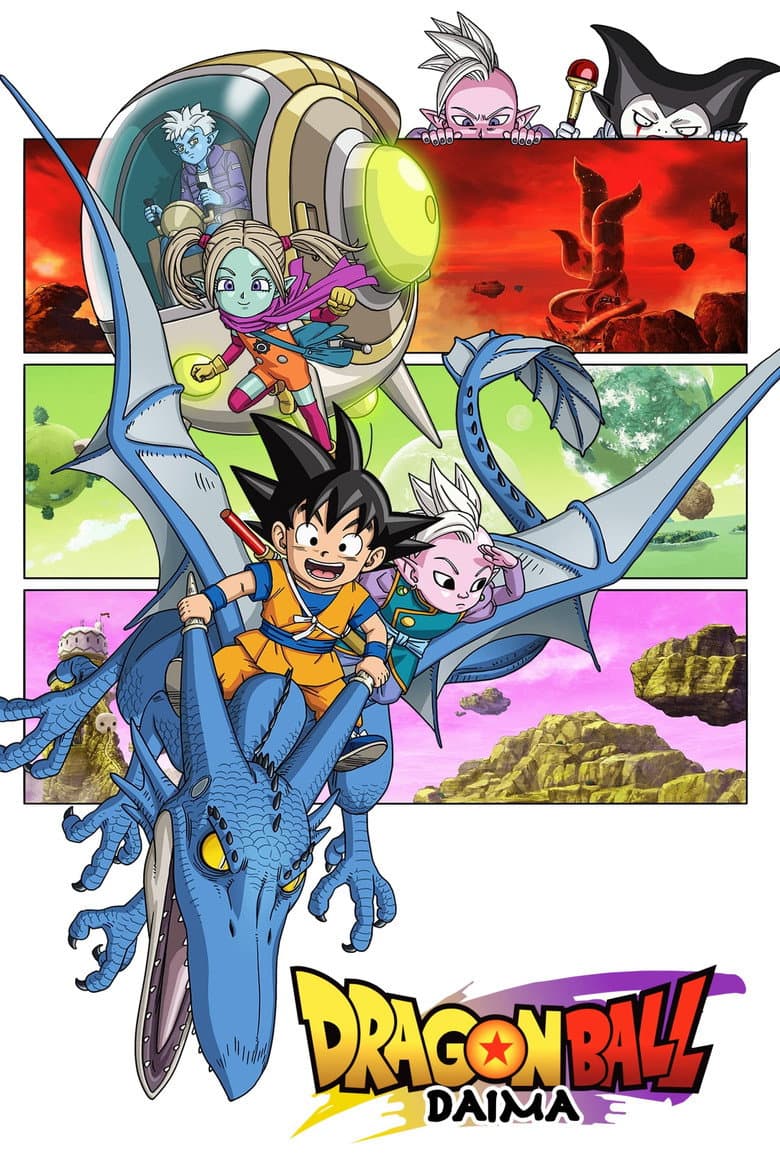
TV Show · 2024
Mysteriously transformed into mini versions of themselves, Goku and his friends travel to the Demon Realm to uncover the truth and find a cure.

TV Show · 2016
After a traffic accident, Kazuma Sato’s disappointingly brief life was supposed to be over, but he wakes up to see a beautiful girl before him.
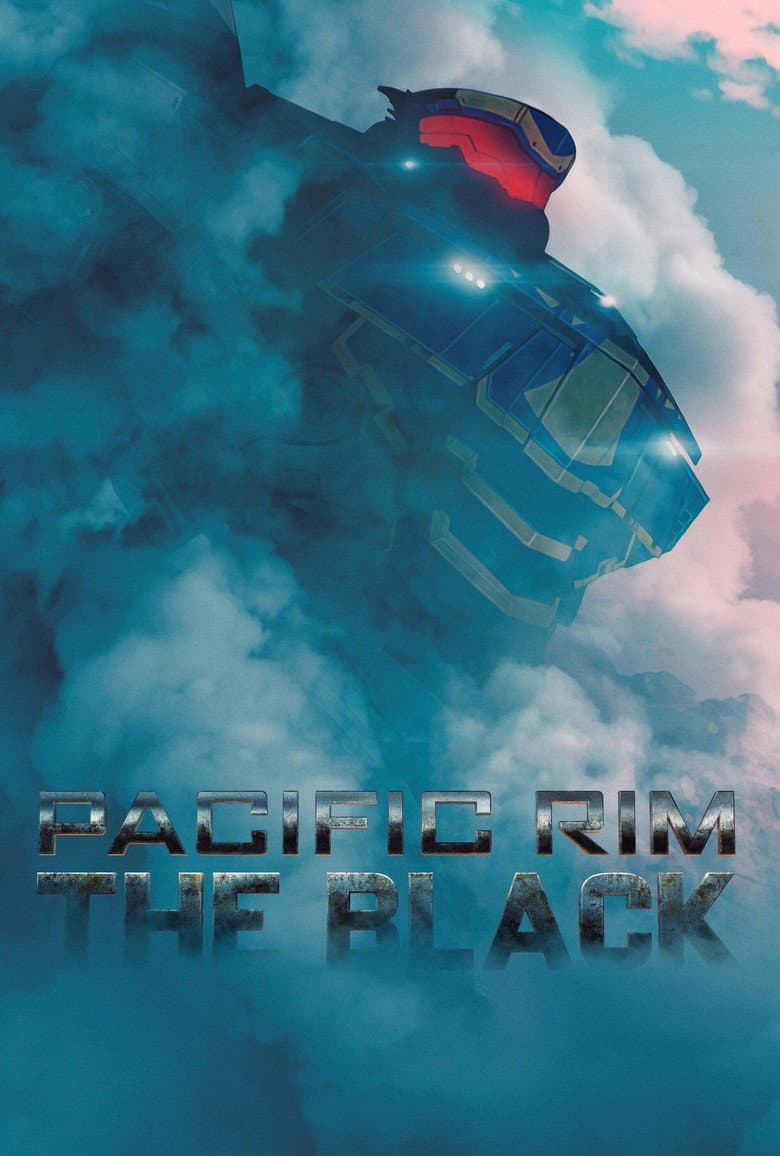
TV Show · 2021
Two siblings - an idealistic teenage boy and his naive younger sister - are forced to pilot an abandoned Jaeger across a hostile landscape in a desperate attempt to find their…
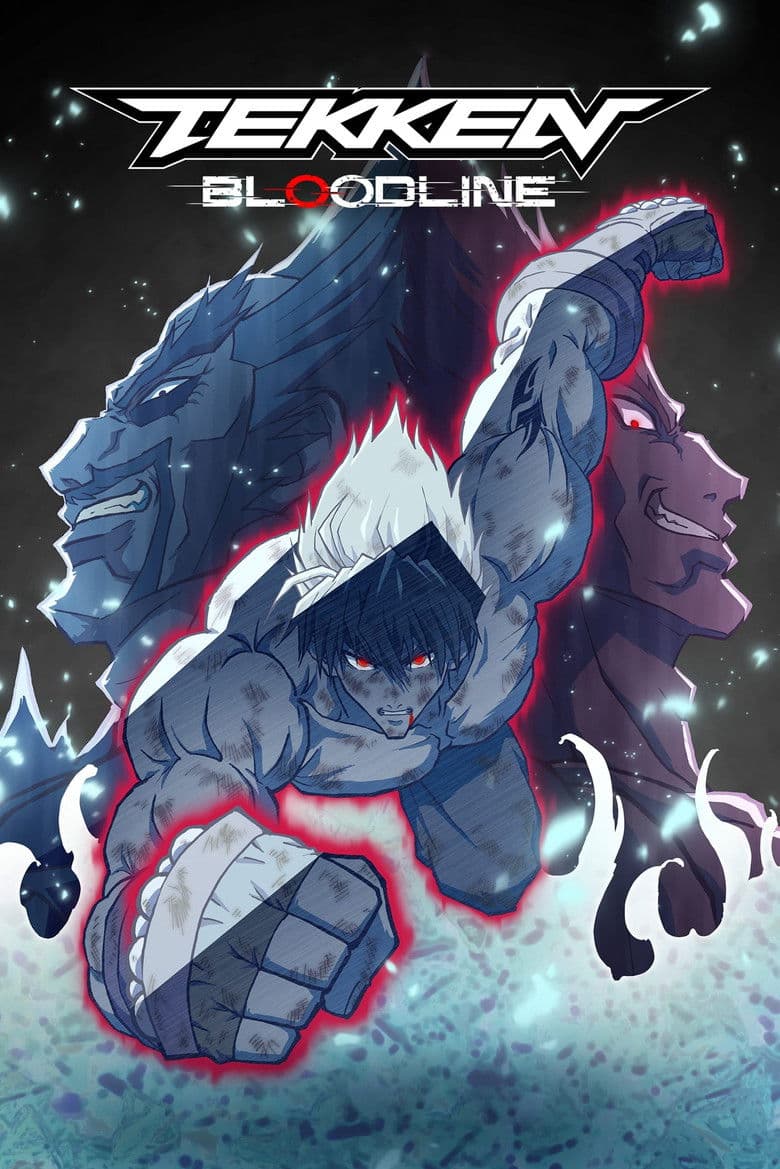
TV Show · 2022
After losing his home to a powerful enemy, a hot-tempered fighter trains under his zealous grandfather while awaiting his chance for revenge.
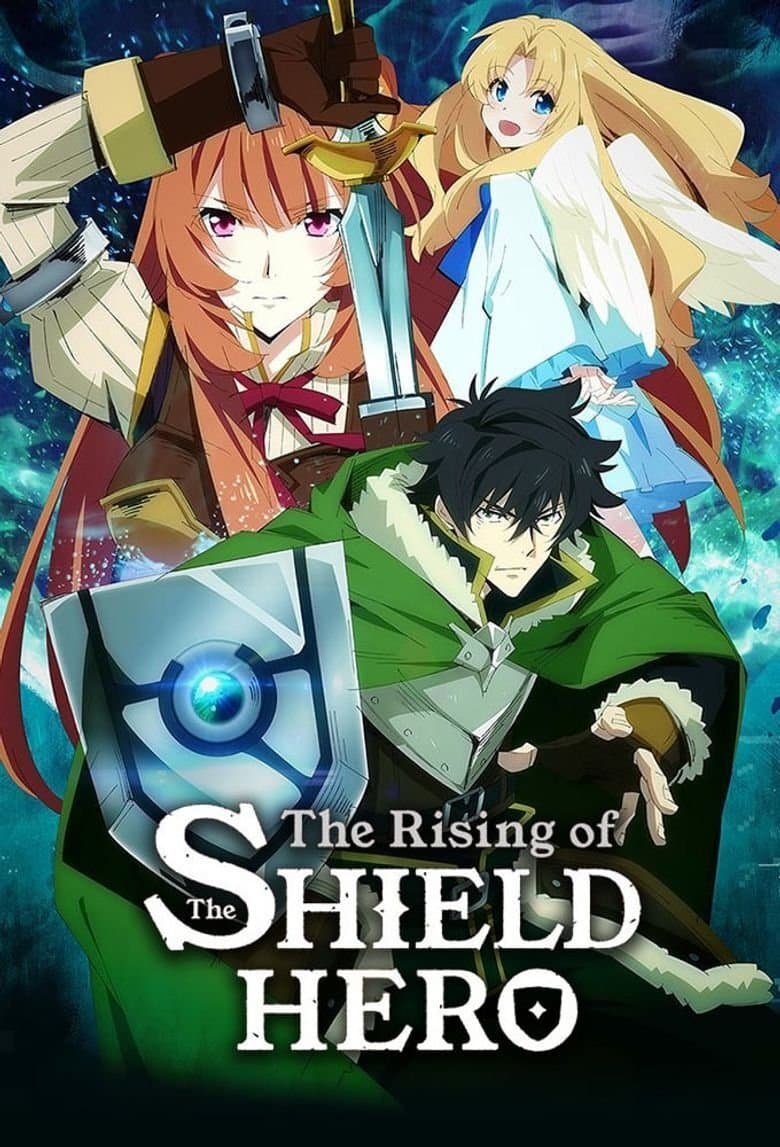
TV Show · 2019
Iwatani Naofumi, a run-of-the-mill otaku, finds a book in the library that summons him to another world. He is tasked with joining the sword, spear, and bow as one of the Four…
