TV Show review
Started October 2, 2018 · Returning Series · Based on 4 seasons, 91 episodes through August 21, 2026 · TV-14 · Japanese
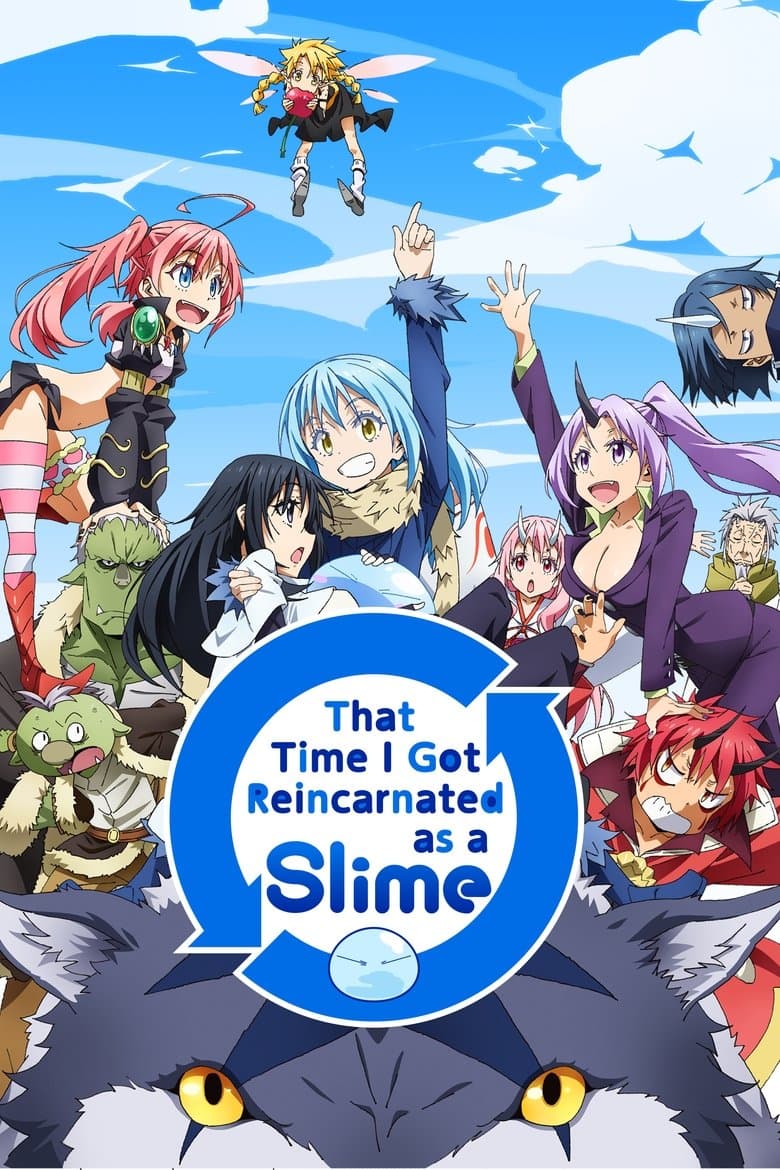
Satoru Mikami is a Japanese office worker who dies after a random stabbing and wakes up in a fantasy world as a slime named Rimuru. Rimuru meets the Storm Dragon Veldora, gains strange powers, and soon builds the Jura Tempest Federation with goblins, ogres, dwarves, animal-like people, demons, and other monsters. He wants trade and peace with nearby human nations, but rival rulers, armies, demon lords, and religious leaders fear his growing power. The show mixes big battles, jokes, food, city building, long meetings, and fantasy politics, while Rimuru becomes a powerful ruler who often solves problems through planning or force.
The strongest audience-visible woke element is the repeated message that different races should live and work together. Rimuru protects monsters from human fear, brings many species into one nation, and seeks treaties with human and church-led powers. Season 4 adds council membership, new government plans, and more conflict with human leaders who want to rule or control others. The story also gives Rimuru a genderless body with a human form that does not look clearly male or female, but it treats this mostly as a fantasy body joke and does not make modern gender politics the main subject. These ideas matter across the four seasons, but the show presents them as fantasy nation-building rather than direct real-world activism.
Community feedback
Was our 30% Woke rating accurate?
Breakdown
These are the editorial factors and ratings behind our score for That Time I Got Reincarnated as a Slime.
Woke representation / casting
Not present. The show uses fictional species and a balanced mix of male and female leaders that fit its fantasy world. The story does not frame the voice cast or character choices as a diversity campaign.
0%
Woke political dialogue
Rimuru repeatedly argues that humans and monsters can trade and live together. Leaders discuss treaties, church relations, Council membership, and representation for Tempest. The show presents these talks as practical fantasy diplomacy rather than speeches about modern identity politics. The lines are important to the world building, but they rarely use direct activist language.
34%
Identity-driven story themes
Rimuru builds Tempest around the idea that different species can share one country. The story shows humans fearing monsters, monsters suffering from outside attacks, and Rimuru answering with protection, trade, and new laws. Seasons 2 through 4 keep returning to whether humans and monsters can share power. The message is clear and recurring, but the groups are fantasy species and the show does not connect them to current race politics.
40%
Western institutional / cultural critique
Not present. The show exposes corrupt leaders and a manipulative fantasy church, but those conflicts serve the plot. It does not attack modern Western institutions or traditional family and religious life.
0%
Woke character or canon changes
Not relevant. The anime adapts Fuse’s established characters and setting without a race, gender, sexuality, or hero-role swap. Rimuru’s genderless body and Shizu-based appearance are part of the original story, not a new adaptation change.
0%
Anti-woke backlash and complaints
A few fan posts object to the genderless Rimuru and call the idea trans or nonbinary. Other fans argue that Rimuru only has a sexless fantasy body and still thinks of himself as male. Major news coverage does not present the show as woke or DEI-driven. The backlash is small, mixed, and mostly limited to fan debate.
5%
Creator track record context
Not present. The listed directors, writer Fuse, and producers have no documented activist or DEI public pattern in the supplied creator records. Their work is mainly commercial fantasy and anime production.
0%
Production
TV Show · 2019
One fateful day, all of humanity was petrified by a blinding flash of light. After several millennia, high schooler Taiju awakens and finds himself lost in a world of statues.
TV Show · 2016
After a traffic accident, Kazuma Sato’s disappointingly brief life was supposed to be over, but he wakes up to see a beautiful girl before him.
TV Show · 2016
Shigeo Kageyama, a.k.a. "Mob," is a boy who has trouble expressing himself, but who happens to be a powerful esper.
TV Show · 2017
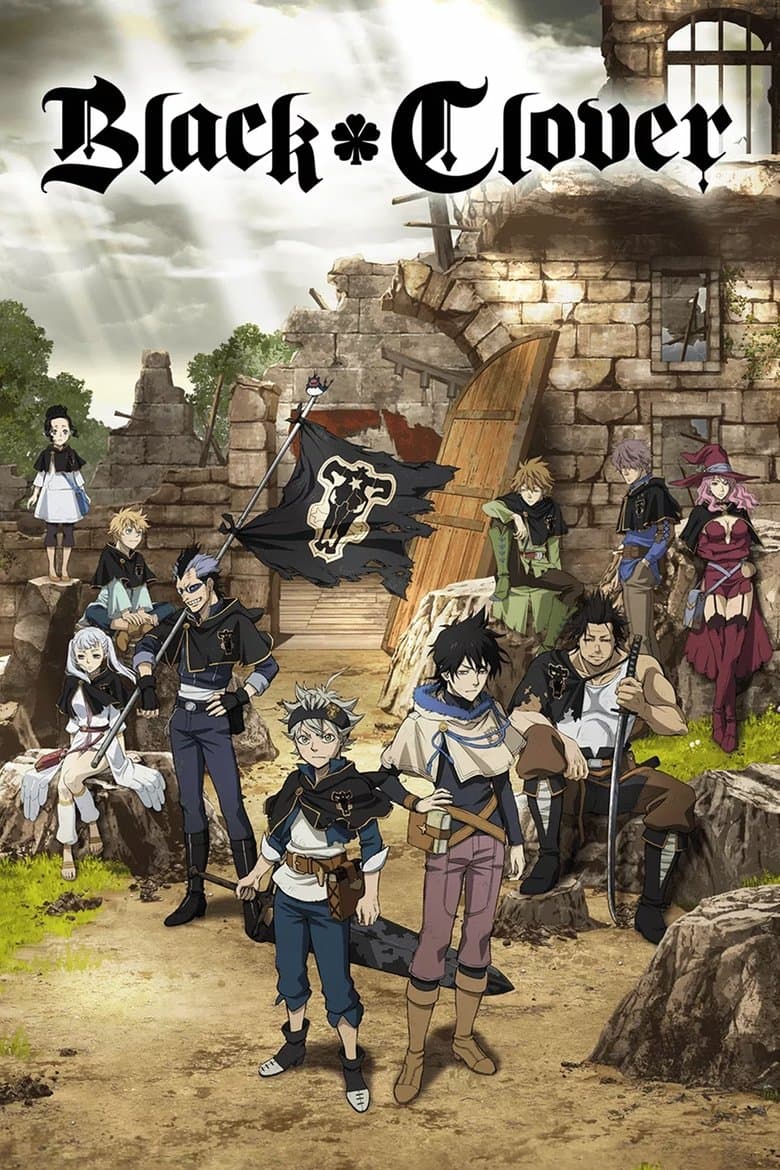
Asta and Yuno are two orphans who want the same thing: to become the Wizard King. Locked in a friendly rivalry, they work hard towards their goal.
TV Show · 2022
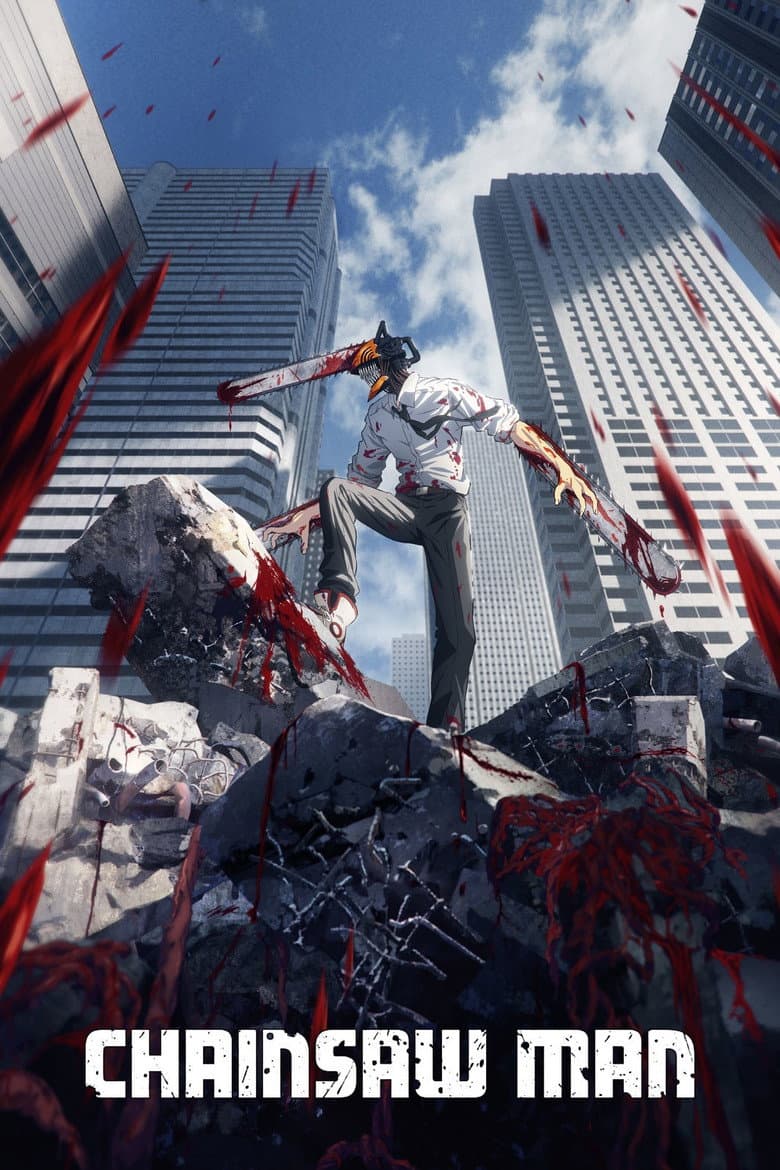
Denji has a simple dream—to live a happy and peaceful life, spending time with a girl he likes. This is a far cry from reality, however, as Denji is forced by the yakuza into…
TV Show · 2024
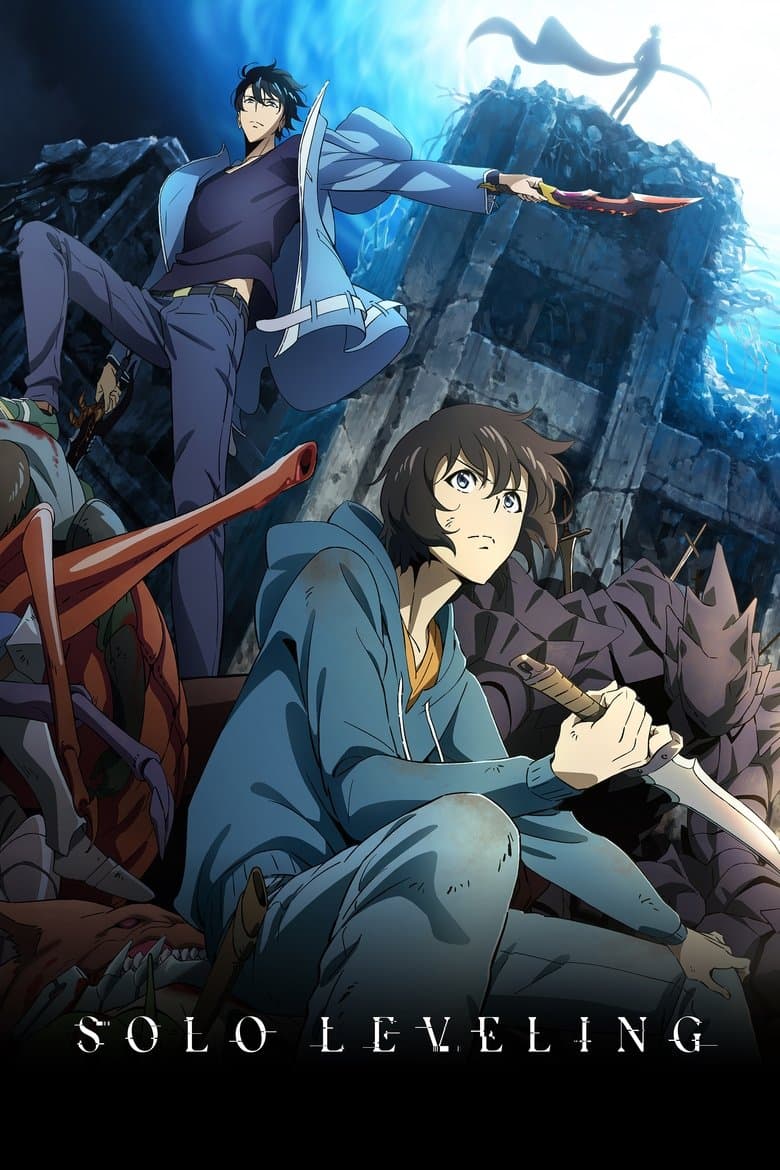
They say whatever doesn’t kill you makes you stronger, but that’s not the case for the world’s weakest hunter Sung Jinwoo.
TV Show · 2021
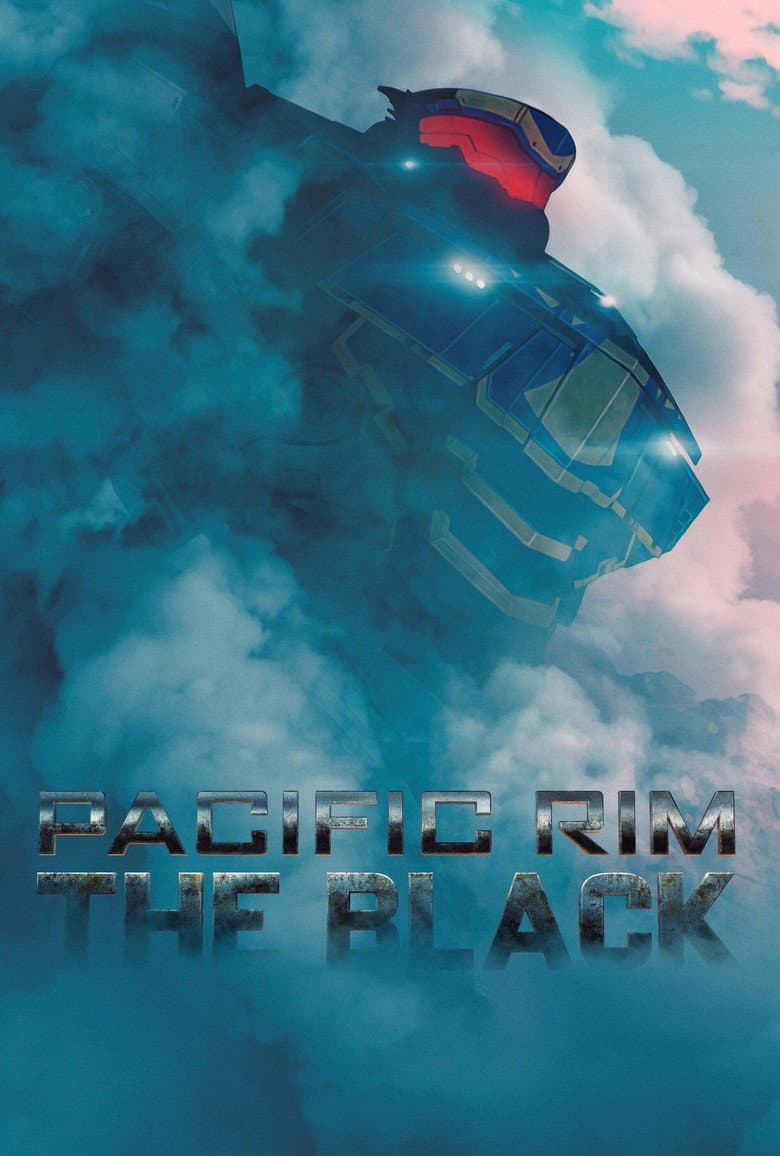
Two siblings - an idealistic teenage boy and his naive younger sister - are forced to pilot an abandoned Jaeger across a hostile landscape in a desperate attempt to find their…
TV Show · 2022
After losing his home to a powerful enemy, a hot-tempered fighter trains under his zealous grandfather while awaiting his chance for revenge.
