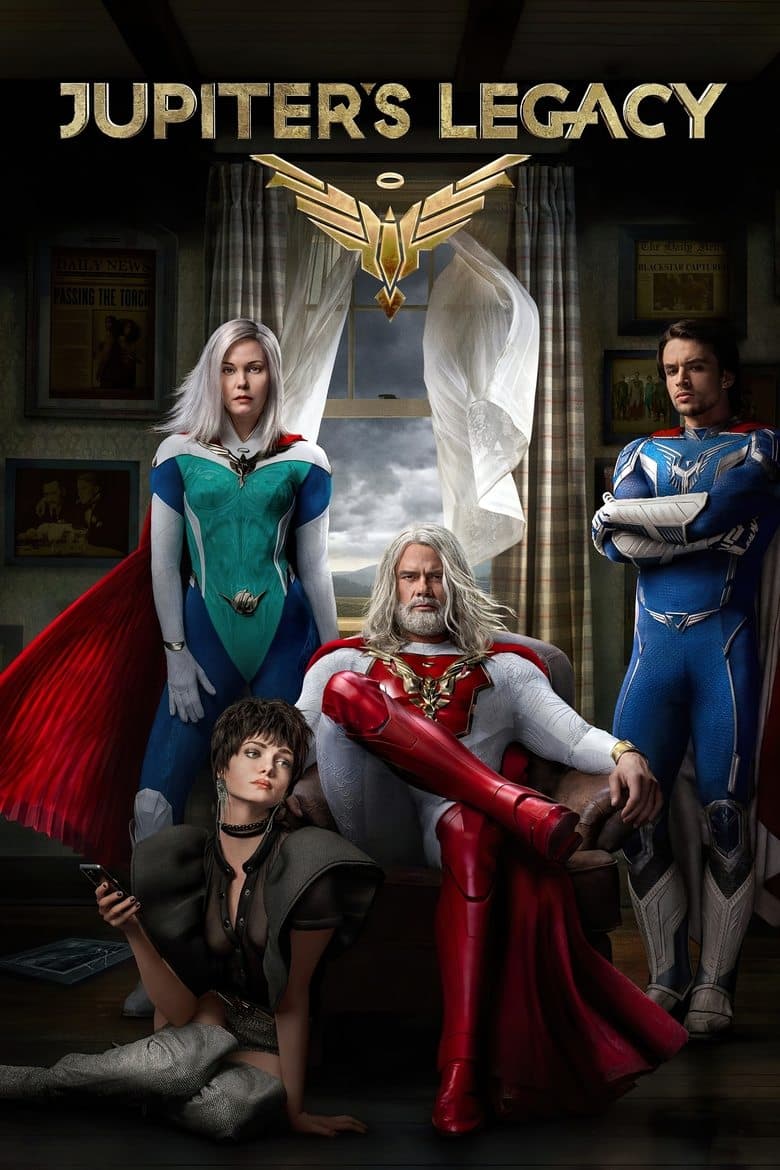
Started May 7, 2021 · Canceled · Based on 1 season, 8 episodes through May 7, 2021 · TV-MA · 45 min
Jupiter's Legacy follows Sheldon Sampson, also known as the Utopian, and the first superheroes who gained powers in the 1930s. In the present, Sheldon leads the Union while his son Brandon tries to become a worthy hero and his daughter Chloe rejects the family life. The main conflict begins when Brandon kills a supervillain to save his father and challenges the Union's rule against killing. The story moves between a serious family drama in modern America and an origin adventure during the Great Depression.
The show gives most attention to arguments about whether powerful heroes should enter politics, fix poverty, or obey an old code. Walter supports stronger action against corrupt companies and politicians, while Sheldon fears that heroes would take away free choice. The season also includes a brief female couple in Hutch's criminal crew and a hinted male romance in Richard's past. A black supporting hero, Fitz, differs from the white comic version, but identity issues remain secondary to the family and superhero story.
Community feedback
Was our 36% Woke rating accurate?
Breakdown
These are the editorial factors and ratings behind our score for Jupiter's Legacy.
Woke representation / casting
The show changes Fitz Small, a major supporting hero, from the white comic version to black actor Mike Wade. The showrunner said the writers and Netflix discussed this choice as a message that the heroes were chosen and to add more range in representation. The main family and most founding heroes remain white, so the identity emphasis is limited to one supporting role.
18%
Woke political dialogue
The heroes debate across the season whether they should enter politics and use their powers to change society. Walter argues that they should fight corrupt companies and politicians, while Sheldon says heroes must not rule the country. The Blackstar fight turns this debate into a repeated question about killing, public safety, and the old Code. The show gives both sides arguments and does not build a clear identity-based political message.
29%
Identity-driven story themes
The show presents Gabriella and Jacinda as a female couple in Hutch's criminal crew. The 1929 story also hints that Richard's lost male friend was more than a friend. These moments are brief and do not drive the family conflict, the superhero Code, or the season's main mystery.
18%
Western institutional / cultural critique
The present-day story shows protests, unemployment, a widening gap between rich and poor, and claims that corporations and politicians are corrupt. Walter uses those problems to argue that the heroes should take a stronger role in public life. Grace also faces a short 1929 plot about sexism at her newspaper. The show does not attack Christianity or make family life itself the target, and it treats the political debate as a conflict rather than a one-sided lesson.
18%
Woke character or canon changes
The comic's Flare is white, while the TV show casts black actor Mike Wade as Fitz Small. The showrunner said the change was discussed as a way to send a representation message and add more range. This is a clear identity-based change to an established hero, but it affects one supporting character and does not reshape the central family.
34%
Anti-woke backlash and complaints
A few small right-leaning accounts briefly asked whether the show had woke elements. Most posts in the X pass said the series was not woke or was better than expected, and some said Netflix canceled it despite keeping other woke shows. No large anti-woke account, boycott, review-bombing push, or organized campaign appeared. The evidence is fringe and mostly rejects the idea that the show is woke.
8%
Creator track record context
The key creators have low woke scores and no strong record of activist work. Cooper has defended genre stories as escape, and Millar has criticized woke entertainment and political correctness. Title-related coverage adds that Kim worked with a majority-female writers' room and linked Fitz's casting to representation. This gives mild context, but the creative record does not point to a strong activist agenda.
18%
Production
TV Show · 2022
A high school becomes ground zero for a zombie virus outbreak. Trapped students must fight their way out — or turn into one of the rabid infected.
TV Show · 2026
A century before the events of Game of Thrones, two unlikely heroes wandered Westeros: a young, naive but courageous knight, Ser Duncan the Tall, and his diminutive squire, Egg.
TV Show · 2019
A grim drama that unfolds against the backdrop of a global catastrophe. An unknown new virus turns Moscow into a city of the dead.
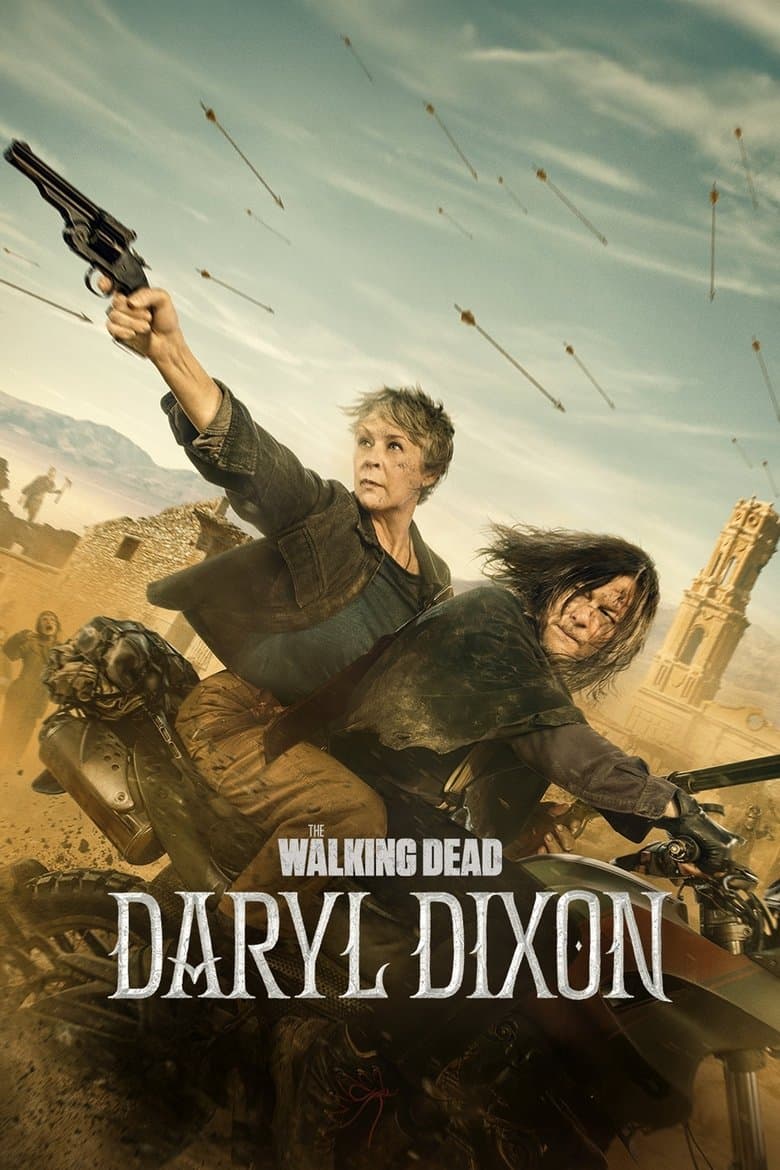
TV Show · 2023
After washing ashore in France, Daryl struggles to piece together how he got there and why, as he navigates a fractured, walker-infested landscape to find his way home.
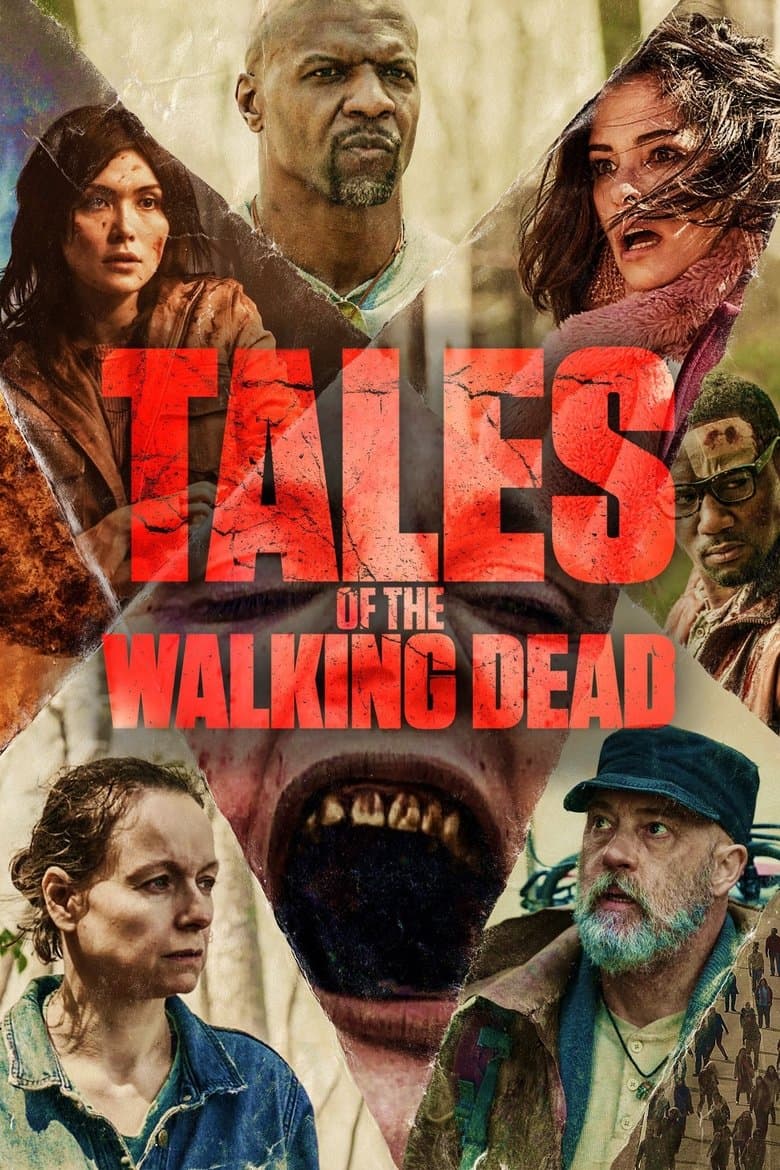
TV Show · 2022
An episodic anthology series focused on both new and established characters set in the world of "The Walking Dead."
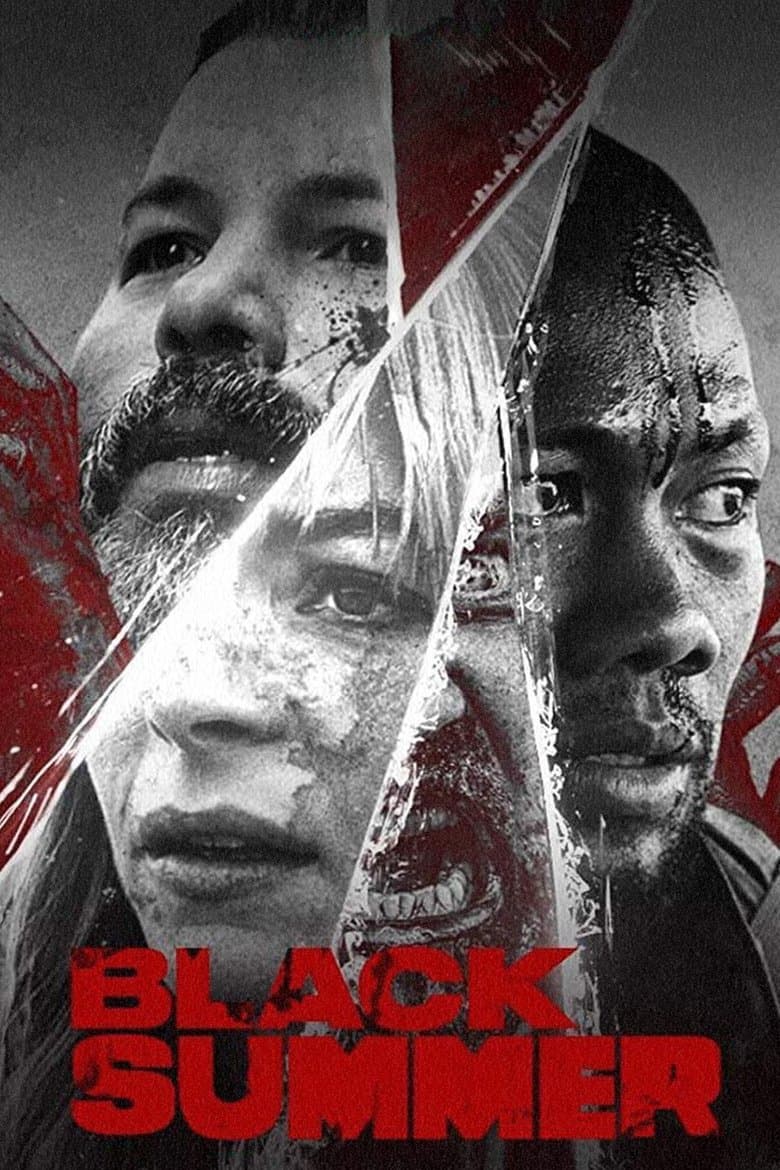
TV Show · 2019
In the dark, early days of a zombie apocalypse, complete strangers band together to find the strength they need to survive and get back to loved ones.
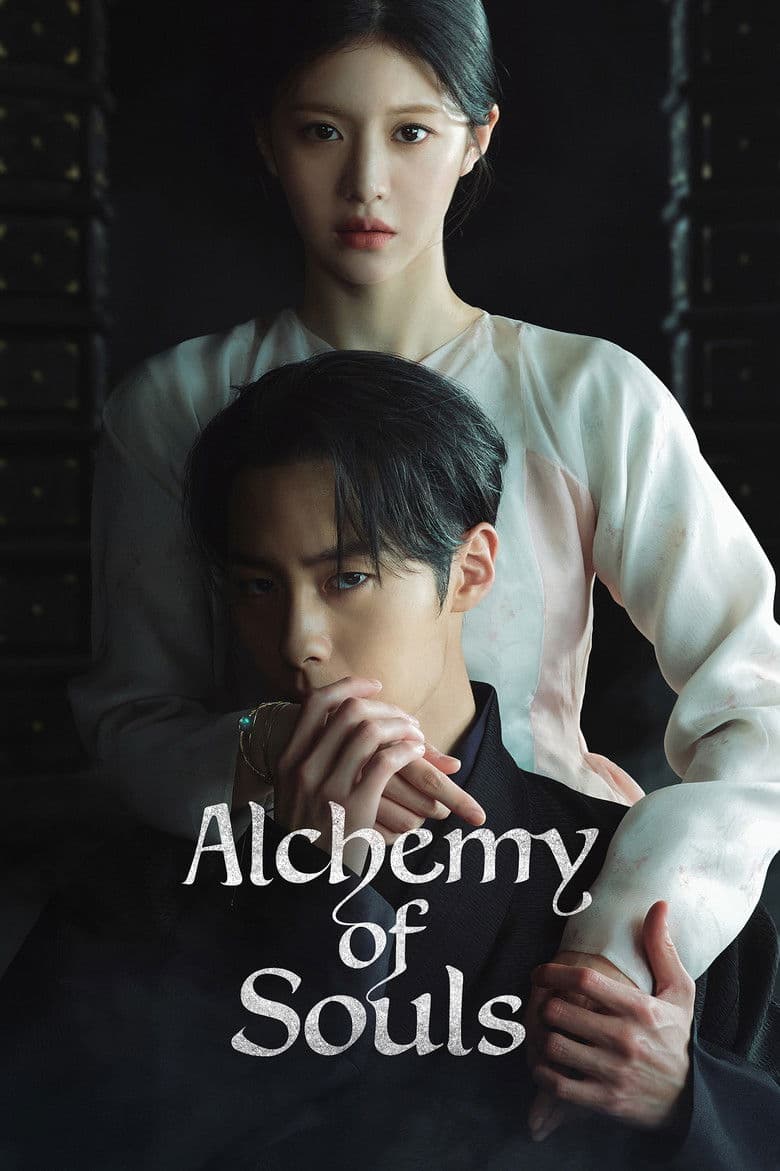
TV Show · 2022
A powerful sorceress in a blind woman's body encounters a man from a prestigious family, who wants her help to change his destiny.
TV Show · 2017
Located in the center of a remote island, the Abyss is the last unexplored region, a huge and treacherous fathomless hole inhabited by strange creatures where only the bravest…
