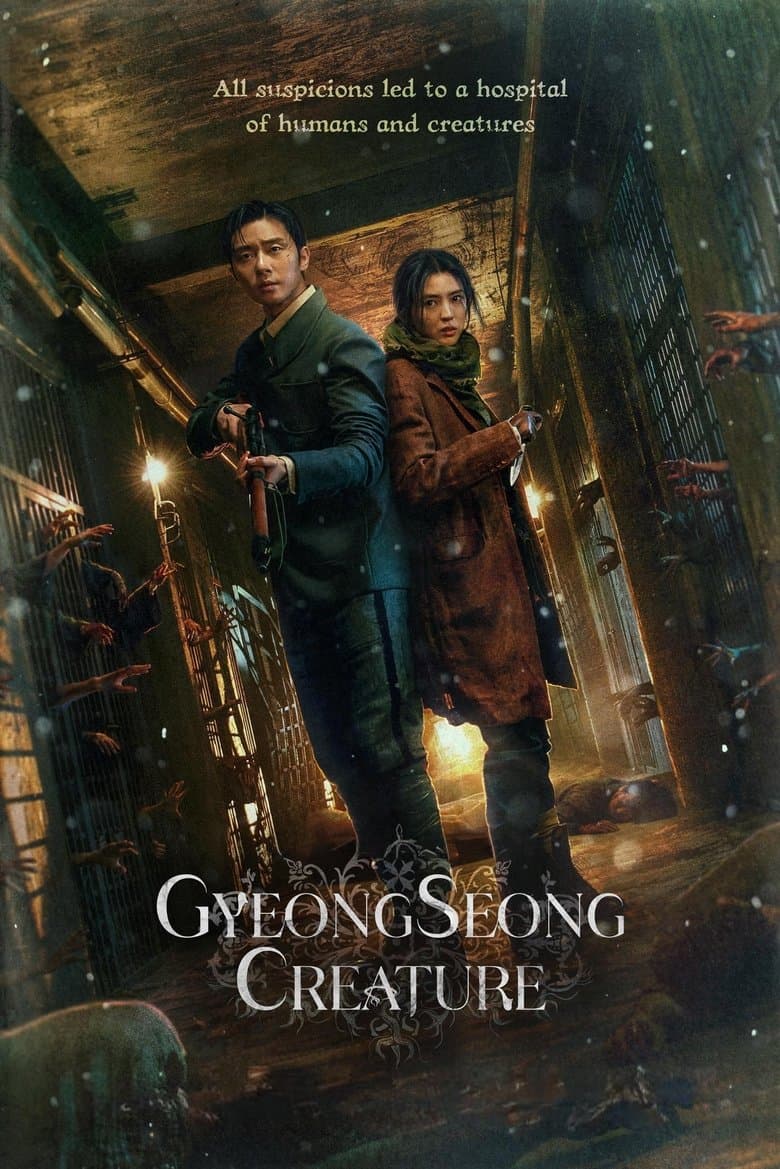
Started December 22, 2023 · Ended · Based on 2 seasons, 17 episodes through September 27, 2024 · TV-MA · Korean
Jang Tae-sang is a rich pawnshop owner in Gyeongseong, the old name for Seoul, in 1945. He joins Yoon Chae-ok, a tracker searching for her missing mother, after Japanese soldiers force him to investigate a hospital. The hospital hides experiments that turn prisoners into creatures, and the pair try to rescue captives while staying alive. Season 2 moves to 2024 Seoul, where Chae-ok still lives and Tae-sang returns as a detective called Ho-jae with no memory of his past. The show mixes bloody horror, mystery, romance, and action, with a mood that shifts between grief, suspense, and light comedy.
Chae-ok is the clearest audience-visible woke element because she is a skilled female tracker, fighter, and protector in both seasons. The story also gives strong attention to women harmed by war and medical experiments, including Chae-ok, her mother, and other female prisoners. Season 2 questions the old idea that a man must protect a woman, and Chae-ok says she is the better fighter and wants to face danger beside Tae-sang. These points matter to the characters, but the main message stays focused on colonial cruelty, human greed, survival, family love, and the harm caused by abuse of power rather than modern party politics or queer identity.
Community feedback
Was our 33% Woke rating accurate?
Breakdown
These are the editorial factors and ratings behind our score for Gyeongseong Creature.
Woke representation / casting
Chae-ok is a prominent female tracker, fighter, and hero in both seasons. Season 2 gives her superhuman strength and presents her as a lead action figure, with Han So-hee calling her a “female Deadpool” in interview coverage. The setting and her backstory explain her skills, and the cast does not show a broad race or diversity mix beyond the Korean and Japanese story world.
20%
Woke political dialogue
Season 2 has a clear gender-role exchange when Ho-jae says a man's job is to protect his woman. Chae-ok calls that an old-fashioned idea, says she is the better fighter, and asks to face danger with him instead of being protected. This is a noticeable modern gender message, but it is brief and the rest of the political talk concerns the historical occupation.
25%
Identity-driven story themes
The show repeatedly centers women who are harmed, used, or controlled by powerful people. Chae-ok searches for her mother, Seishin becomes a creature after forced experiments, and other women are taken into the hospital. Chae-ok then becomes a highly capable fighter who chooses her own risks and helps others. These themes are important across both seasons, but the main target is colonial cruelty and human greed rather than a current identity campaign.
35%
Western institutional / cultural critique
Not present. The show attacks Japanese colonial rule and a fictional biotech company, not Western institutions, Christianity, conservative culture, or modern Western social rules.
0%
Woke character or canon changes
Not relevant. The series uses original fictional characters and draws on the real history of Japanese occupation and Unit 731. It does not make an identity-based change to an established character, source, or real historical person.
0%
Anti-woke backlash and complaints
Not present. Japanese viewers and some Korean critics disputed the show's historical and nationalist framing, but those complaints did not say it pushed woke, DEI, queer, or modern identity politics. No strong anti-woke backlash was found.
0%
Creator track record context
Cached context lists Kang Eun-kyung at 45/100, Park Eun-gyeong at 50/100, and the other listed producers at 0/100. The writer's past work and title interviews show interest in history, social duty, and neglected suffering. The group does not show a strong public pattern of partisan activism, DEI advocacy, or queer-focused work. The context is therefore a low to moderate signal.
30%
Production

TV Show · 2022
A powerful sorceress in a blind woman's body encounters a man from a prestigious family, who wants her help to change his destiny.
TV Show · 2019
A grim drama that unfolds against the backdrop of a global catastrophe. An unknown new virus turns Moscow into a city of the dead.
TV Show · 2019
In the dark, early days of a zombie apocalypse, complete strangers band together to find the strength they need to survive and get back to loved ones.
TV Show · 2023
After washing ashore in France, Daryl struggles to piece together how he got there and why, as he navigates a fractured, walker-infested landscape to find his way home.
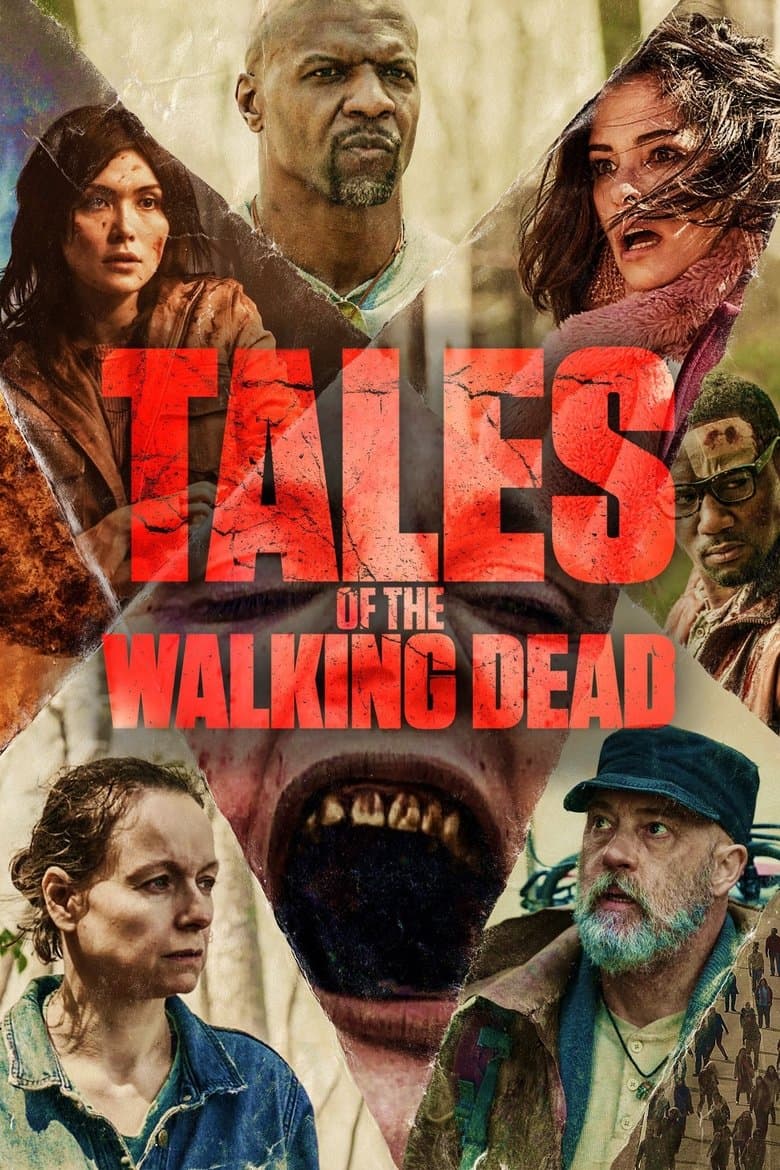
TV Show · 2022
An episodic anthology series focused on both new and established characters set in the world of "The Walking Dead."
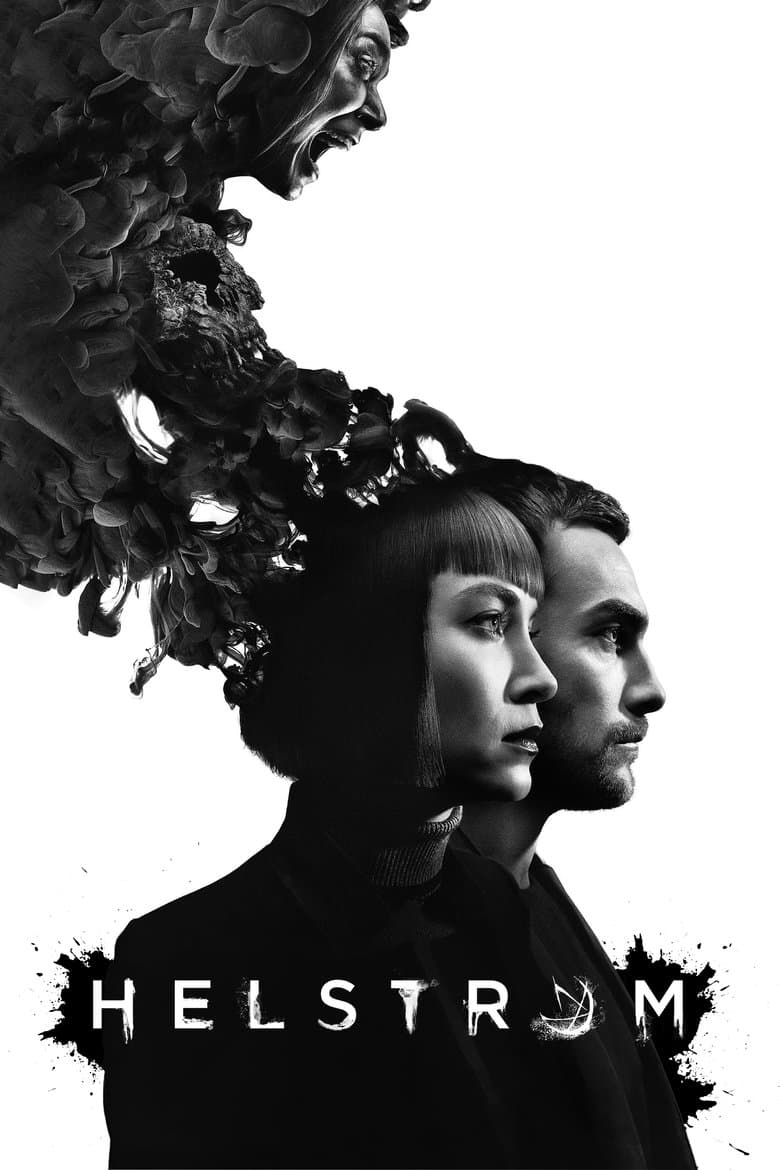
TV Show · 2020
Daimon and Ana Helstrom are the son and daughter of a mysterious and powerful serial killer. The siblings have a complicated dynamic as they track down the terrorizing worst of…
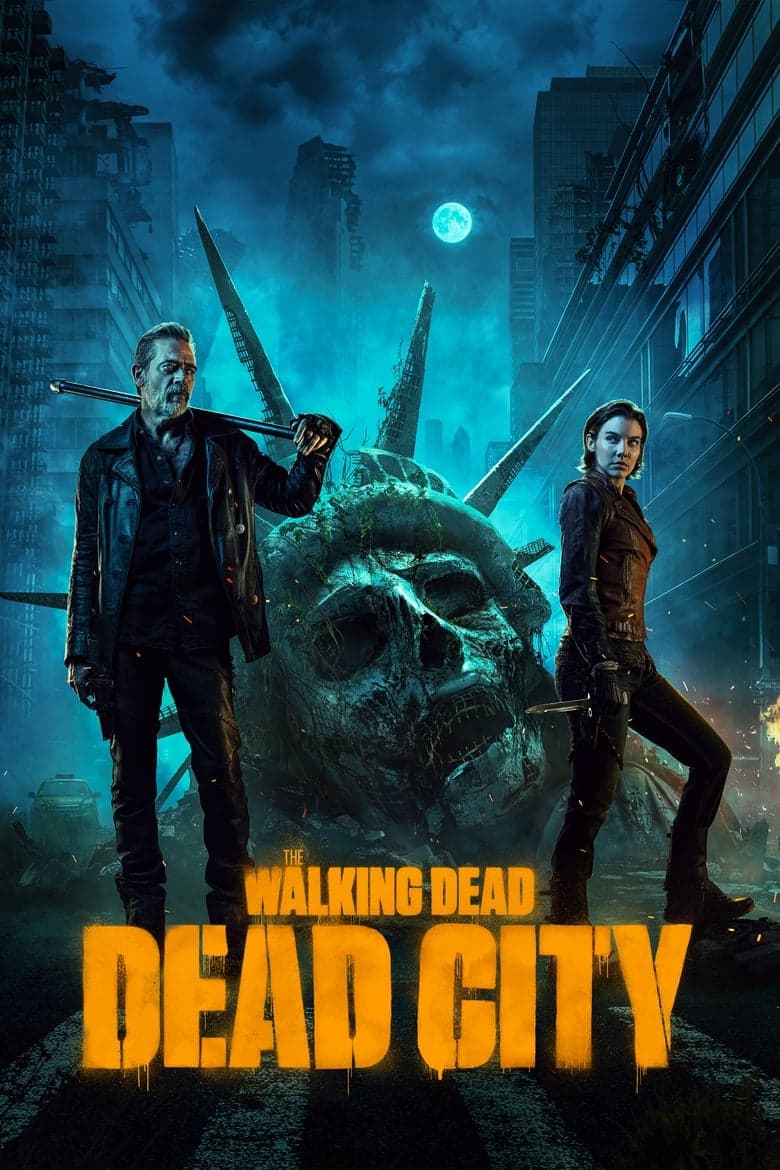
TV Show · 2023
Maggie and Negan travel to post-apocalyptic Manhattan - long ago cut off from the mainland. The crumbling city is filled with the dead and denizens who have made it a world full…
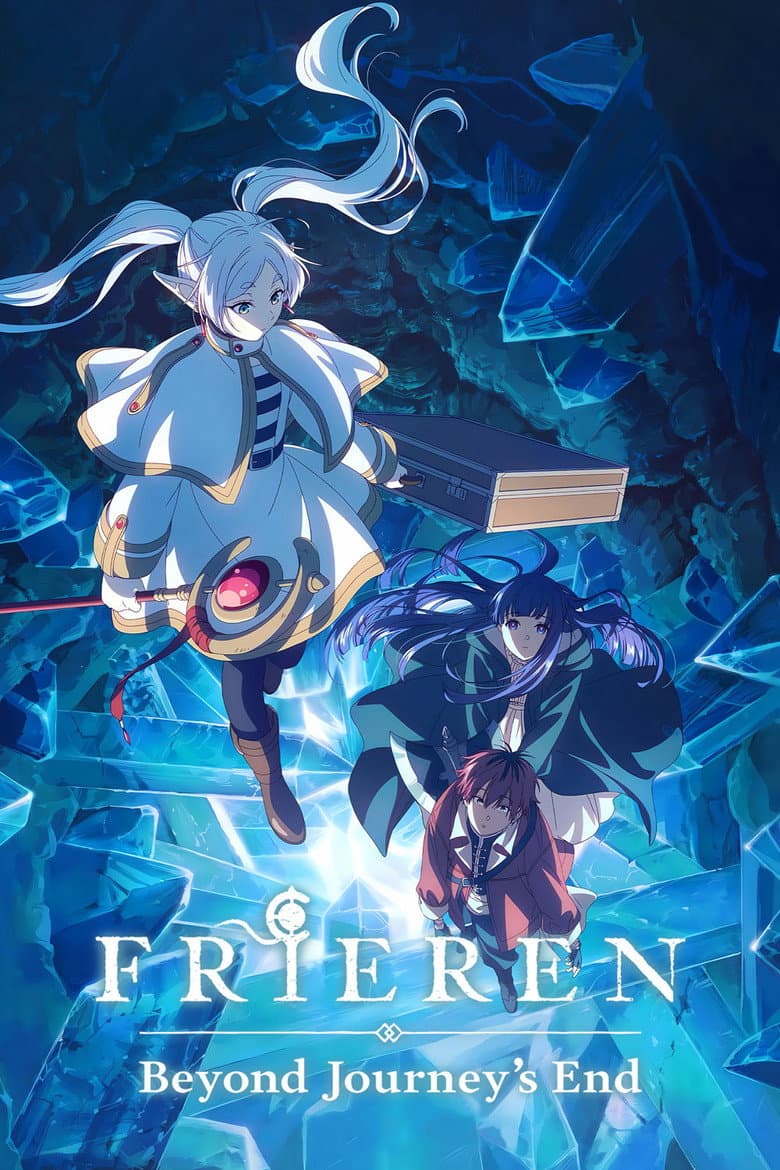
TV Show · 2023
After the party of heroes defeated the Demon King, they restored peace to the land and returned to lives of solitude.
