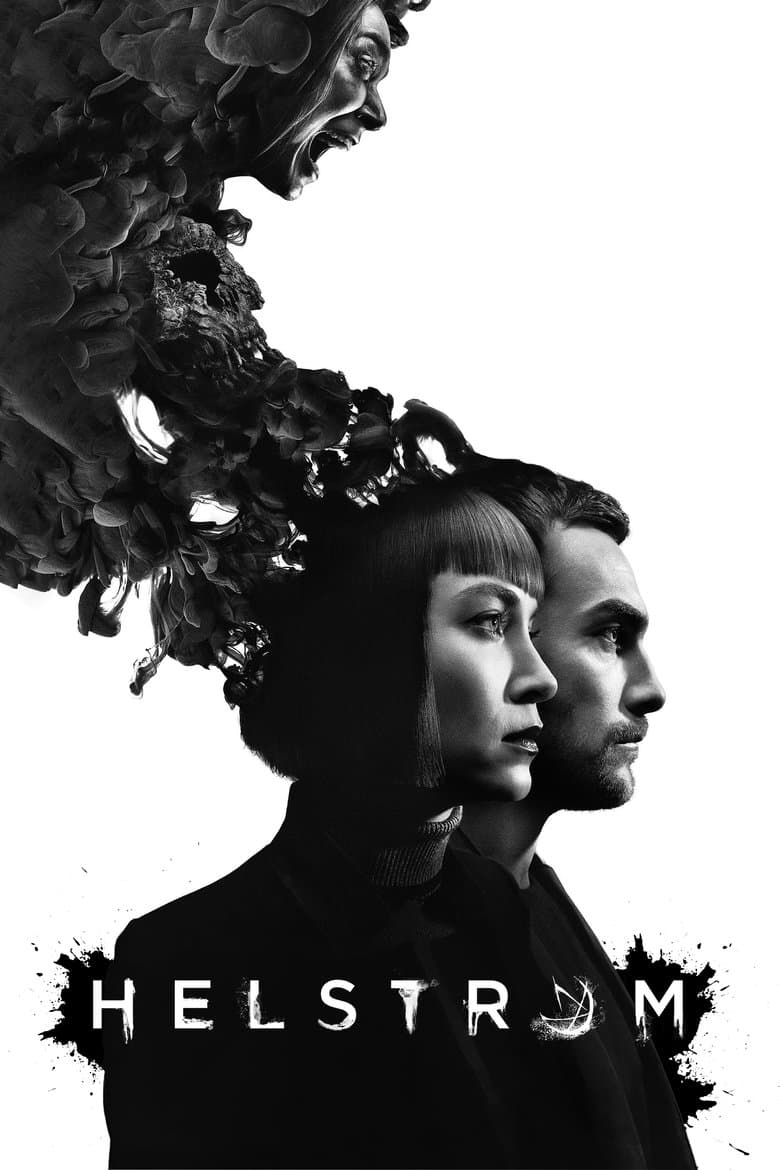
Started October 16, 2020 · Canceled · Based on 1 season, 10 episodes through October 16, 2020 · TV-MA · 50 min
Helstrom follows Daimon and Ana Helstrom, a brother and sister who were raised apart after their father became a brutal killer. Daimon teaches ethics and helps with exorcisms in Portland, while Ana runs an antique auction house in San Francisco and hunts criminals who escape the law. Their mother, Victoria, lives in a mental hospital while a demon uses her body. The siblings reunite when demons, family secrets, and their father’s return threaten the people around them. The season has a dark, slow horror tone with gore, dry jokes, and a strong focus on family pain.
The clearest identity element is the recurring gay relationship between Ana’s partner Chris Yen and police officer Derrick Jackson. Chris is part of Ana’s chosen family, so his relationship appears inside the main group, but it does not control the season’s main plot. Ana is also shown as a powerful business owner who punishes abusive or dangerous men herself, and she saves Daimon in the finale. The story uses these ideas beside themes of abuse, forced control, family loyalty, and personal choice, not as a long political debate. The Catholic Church and Vatican are important to the plot, yet the show treats them as troubled parts of a demon story rather than as a clear Christian message.
Community feedback
Was our 27% Woke rating accurate?
Breakdown
These are the editorial factors and ratings behind our score for Helstrom.
Woke representation / casting
The show gives prominent supporting roles to a black woman hospital head, a black male guardian, an Asian male business partner, and a gay male couple. These choices create a visibly diverse support group around the white Helstrom siblings. The present-day Portland and San Francisco setting makes the mix plausible, and Zbyszewski described casting in terms of acting range rather than diversity goals. The result is a mild representation signal, not a diversity-first casting message.
20%
Woke political dialogue
Not present. The episodes discuss demons, family trauma, religion, and abuse. They do not carry a repeated modern debate about race, DEI, capitalism, or current party politics.
0%
Identity-driven story themes
Chris Yen is a gay man who has a boyfriend, Derrick Jackson. Their relationship returns in several episodes and affects Ana’s business and the supernatural plot. The season gives this subplot real screen time, but it remains secondary to demons, family abuse, and sibling conflict.
30%
Western institutional / cultural critique
Daimon repeatedly shows distrust of the Catholic Church and works with its agents only when he needs them. The show also presents a violent father, abusive male power, and a forced pregnancy as major sources of harm. Gabriella resists being used as a vessel, and Ana saves her brother in the finale. These ideas give the season a mild anti-institution and female-autonomy edge, but the story does not make a broad case against Western culture or men.
18%
Woke character or canon changes
Not relevant. The show changes Satana to Ana and makes the father less clearly Satan, while adding new characters. Coverage describes these choices as a darker, more grounded adaptation, not as identity-driven changes.
0%
Anti-woke backlash and complaints
Not present. The separate X research found no anti-woke reaction or specific complaints. Other audience talk focused on pacing, quality, and the missing Marvel branding.
0%
Creator track record context
Paul Zbyszewski and most of the listed writers, directors, and producers have low woke scores and no clear activist record. Joe Quesada and Lisa Fields have records that stress wider representation, and Kevin Tancharoen has discussed Asian American representation. Zbyszewski also used a 2020 panel to discuss George Floyd, systemic racism, white privilege, and voting. This gives mild context, but it does not show a strong shared activist pattern.
20%
Production
TV Show · 2021
Legendary bounty hunter Boba Fett and mercenary Fennec Shand must navigate the galaxy’s underworld when they return to the sands of Tatooine to stake their claim on the territory…
TV Show · 2017
Daredevil, Jessica Jones, Luke Cage and Iron Fist join forces to take on common enemies as a sinister conspiracy threatens New York City.
TV Show · 2025
Before The Terminal List, Navy SEAL Ben Edwards finds himself entangled in the black operations side of the CIA.
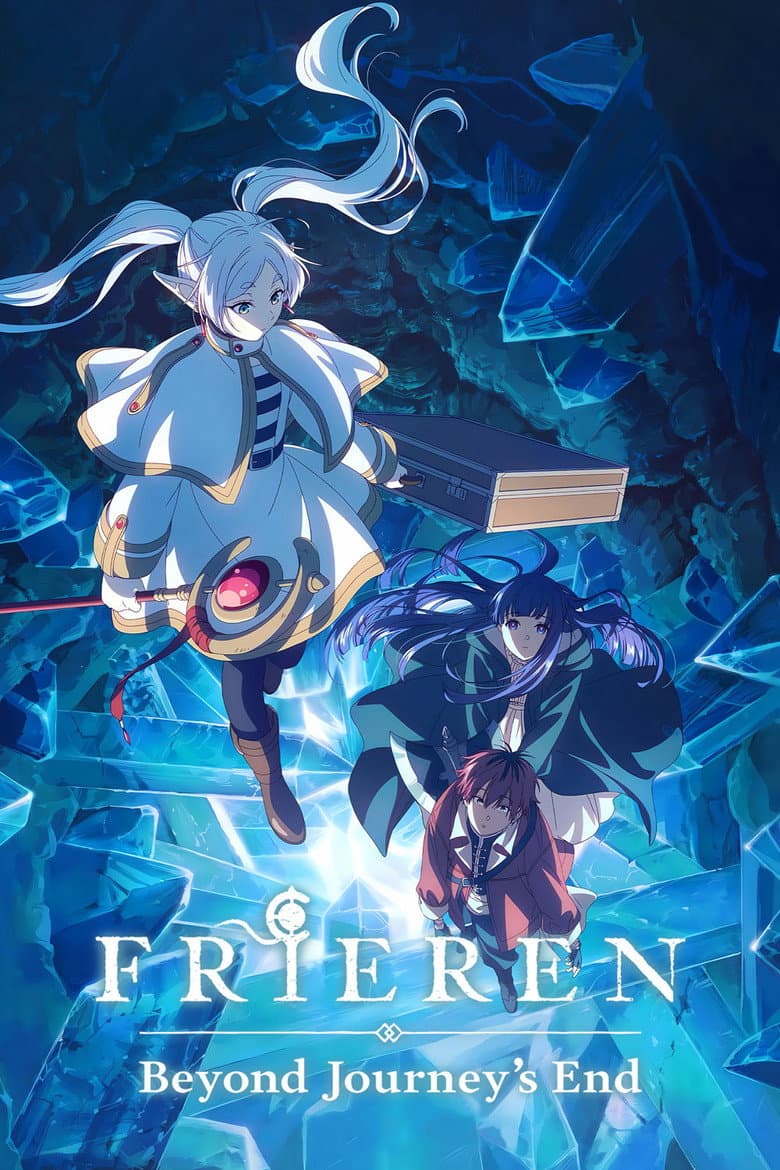
TV Show · 2023
After the party of heroes defeated the Demon King, they restored peace to the land and returned to lives of solitude.
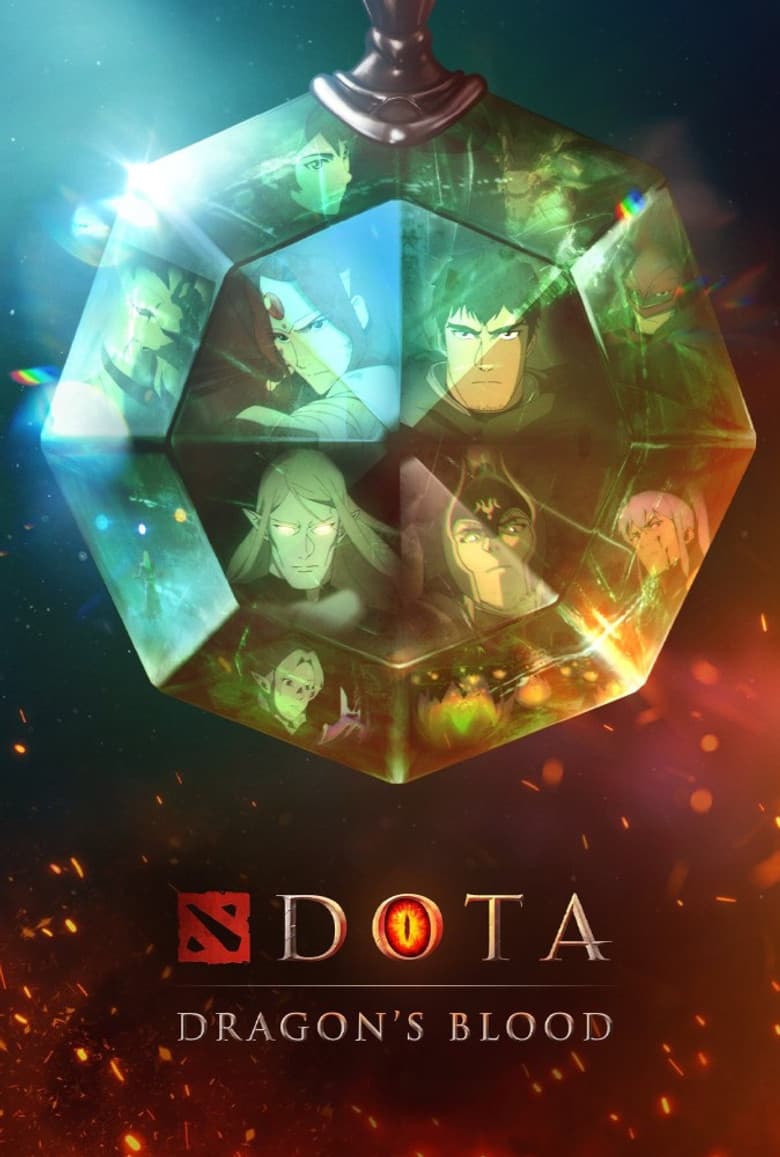
TV Show · 2021
After encounters with a dragon and a princess on her own mission, a Dragon Knight becomes embroiled in events larger than he could have ever imagined.

TV Show · 2021
When a 34-year-old underachiever gets run over by a truck, his story doesn't end there. Reincarnated in a new world as an infant, Rudy will seize every opportunity to live the…
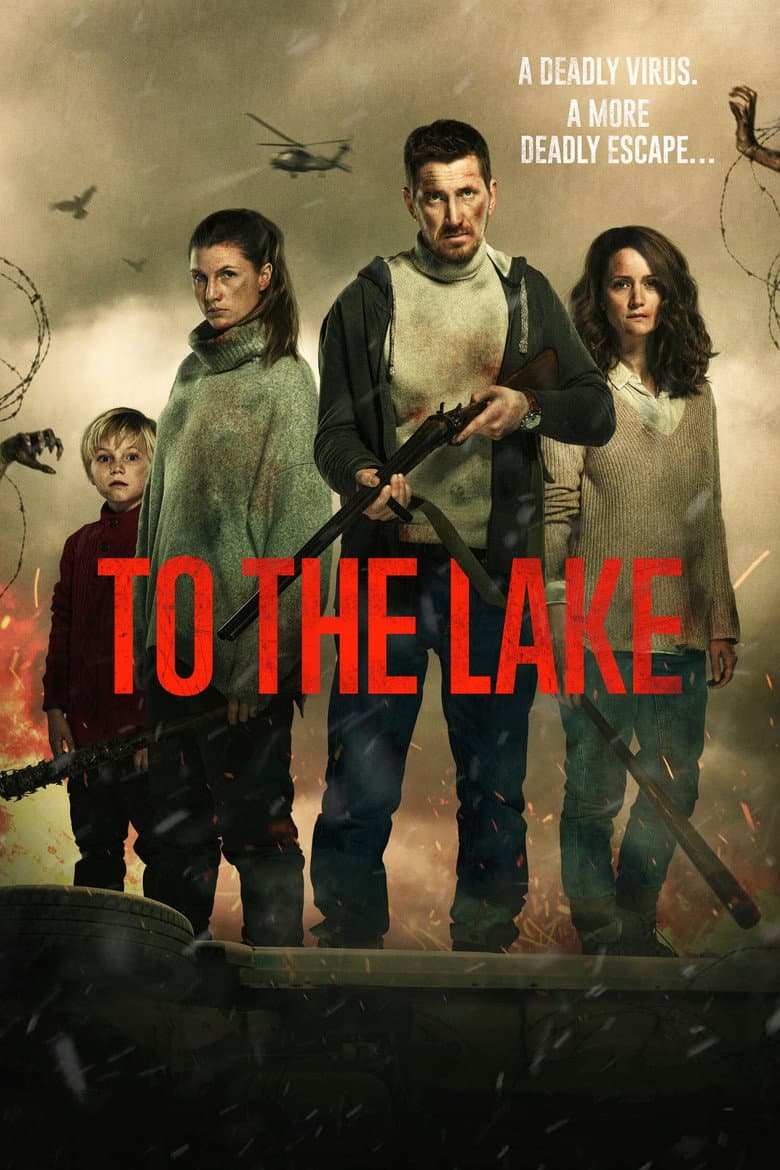
TV Show · 2019
A grim drama that unfolds against the backdrop of a global catastrophe. An unknown new virus turns Moscow into a city of the dead.
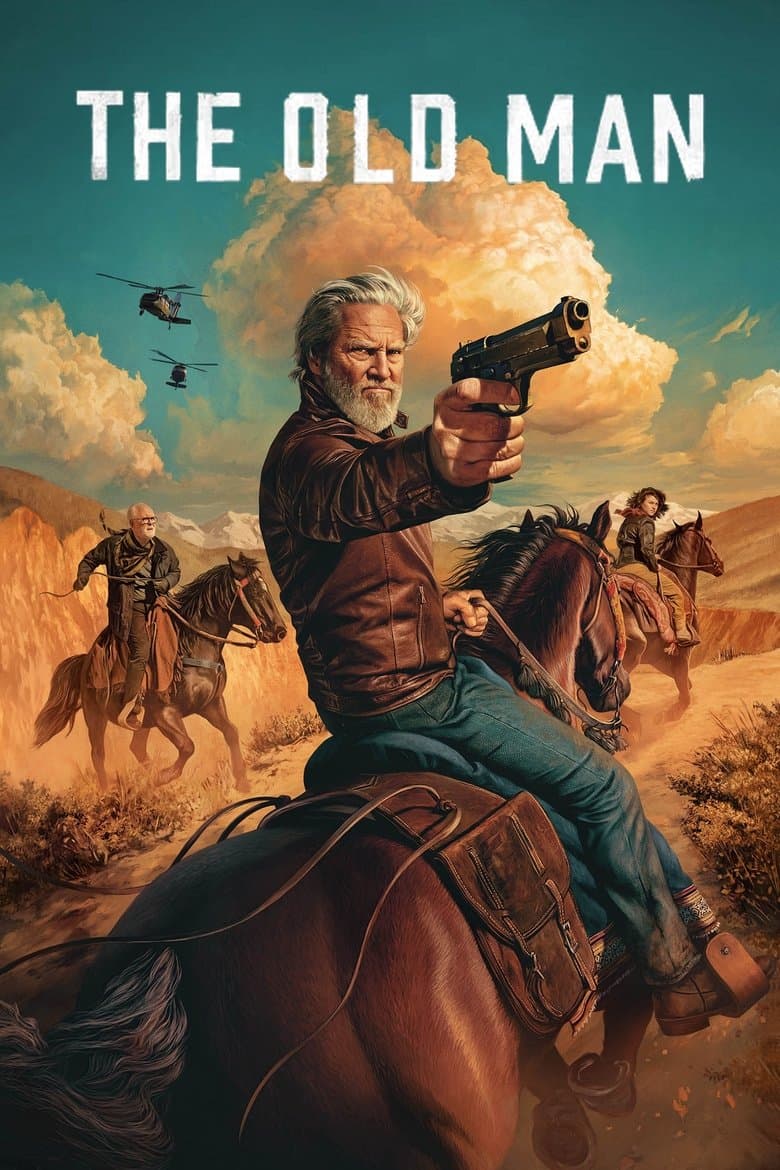
TV Show · 2022
Dan Chase absconded from the CIA decades ago and now lives off the grid. When an assassin arrives and tries to take Chase out, the old operative learns that to ensure his future…
