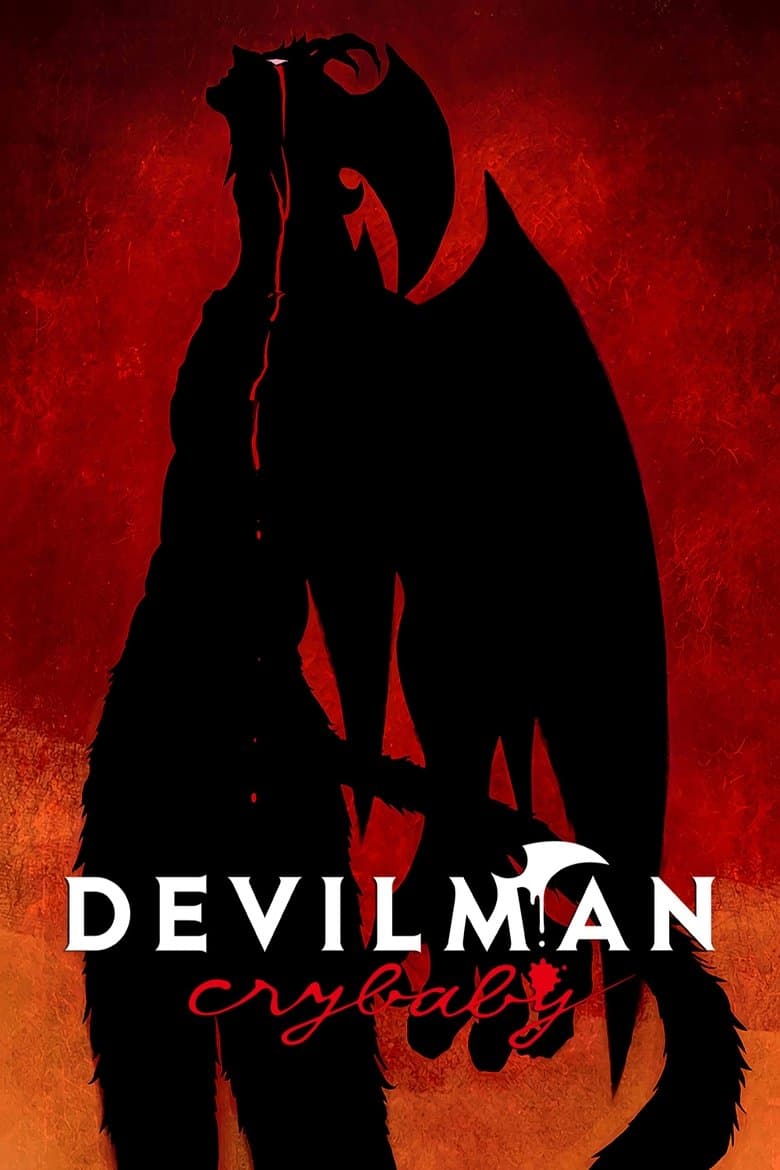
Started January 5, 2018 · Ended · Based on 1 season, 10 episodes through January 5, 2018 · TV-MA · 25 min · Japanese
Akira Fudo is a kind high school runner who cries when other people suffer. His cold friend Ryo Asuka takes him to a wild party so he can join with a demon and fight the demons waking across the world. Akira becomes Devilman, but he keeps his human heart while his body grows stronger and more violent. Ryo starts a worldwide panic, and the story ends with Akira fighting Ryo, who is really Satan, after humans and demons destroy each other.
The show makes its main moral test about whether people should fear and kill those who look or act different. It gives major roles to Ryo, whose body and identity do not fit a fixed sex, to Miko, a girl who loves Miki, and to Koda, a boy with a male partner. Miki uses social media to defend Akira and asks people to accept him because of his heart, not his body. The story treats empathy as the only force that can break fear, but it also shows this message through graphic sex, mob violence, gore, and a bleak end.
Community feedback
Was our 88% Woke rating accurate?
Breakdown
These are the editorial factors and ratings behind our score for Devilman Crybaby.
Woke representation / casting
The show gives major roles to Ryo, whose body and identity do not fit a fixed sex, and to Miko and Koda, who are queer teenagers. Miko openly loves Miki, and Koda has a male partner whose death shapes his fear. These are not background details, because the characters help drive the middle and final episodes. The anime does not use a mixed ethnic cast as a diversity signal.
76%
Woke political dialogue
Ryo uses a public broadcast to show Akira as a demon and to spread fear of an out-group. Akira repeatedly asks why humans hate and kill one another when demons are not the only threat. Miki later uses social media to say that people should accept Akira because of his human heart. These lines recur across the second half and support an anti-prejudice message.
54%
Identity-driven story themes
The story makes fear of outsiders, queer love, and the value of a person’s inner self part of its main conflict. The demon panic acts as a clear picture of people blaming and hunting those who seem different. Ryo’s love for Akira drives his final change, while Miko’s love for Miki gets a clear and tragic arc. The show treats empathy and acceptance as stronger than blood, bodies, or group labels.
86%
Western institutional / cultural critique
The story shows television, social media, police, soldiers, and armed crowds turning fear into a hunt for demons and Devilmen. The story presents this group punishment as cruel and foolish, especially when humans attack people before proving they are dangerous. The plot also treats God as a destroyer rather than a good judge. The show does not build its message around capitalism, patriarchy, or a specific Western political party.
27%
Woke character or canon changes
The adaptation expands Miko Kuroda into a major Devilman with romantic feelings for Miki. It adds Koda as a gay athlete whose boyfriend and fear shape his story. It makes Ryo’s love for Akira much more central to the final episodes. These identity-related changes shift the remake toward several queer characters instead of focusing mainly on Akira and Miki.
61%
Anti-woke backlash and complaints
Not present. Early complaints focused on the extreme sex, gore, fast story, and unusual art style. No clear launch-period complaint that the show pushed DEI, identity politics, or woke activism was found by 2018-01-05.
0%
Creator track record context
Masaaki Yuasa has a repeated interest in outsiders, sexuality, strong feelings, and people who do not fit normal social roles. Go Nagai is mainly linked to anti-war stories, horror, sex, and anti-authoritarian ideas rather than modern activism. Ichiro Okouchi and the other listed directors and producers have mostly craft-focused public records. This context supports the show’s themes, but it does not show a broad activist campaign.
32%
Production
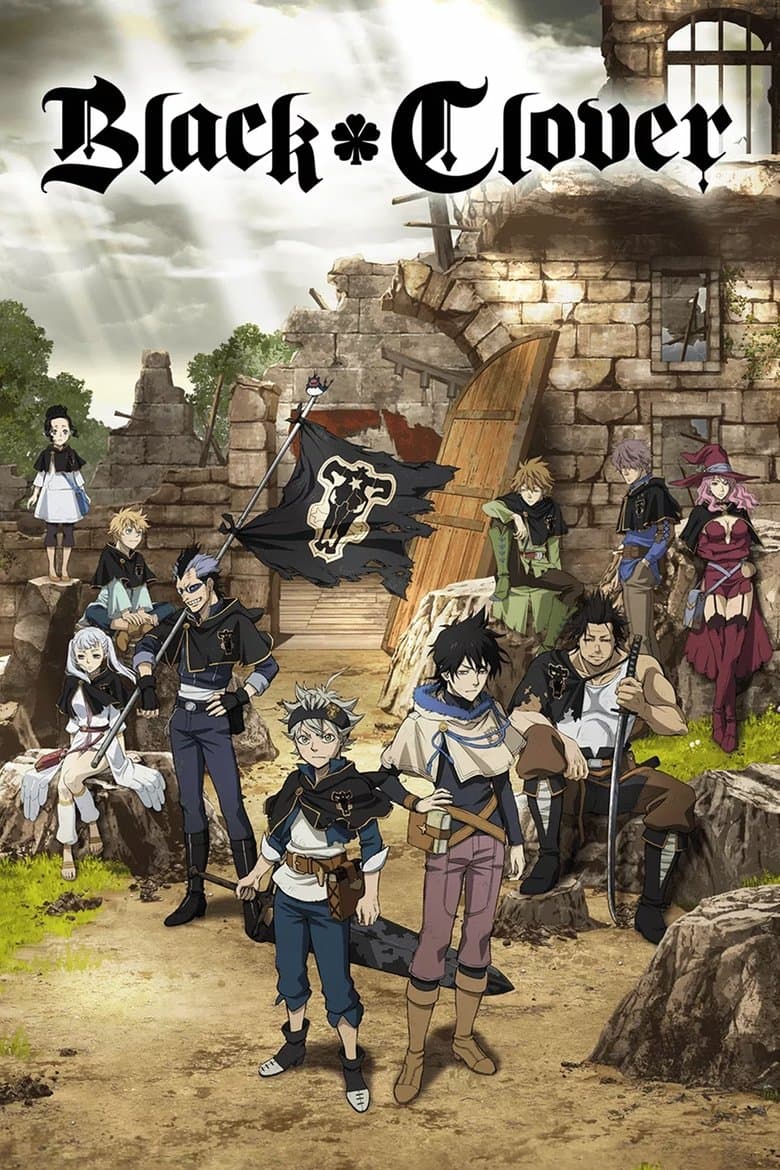
TV Show · 2017
Asta and Yuno are two orphans who want the same thing: to become the Wizard King. Locked in a friendly rivalry, they work hard towards their goal.
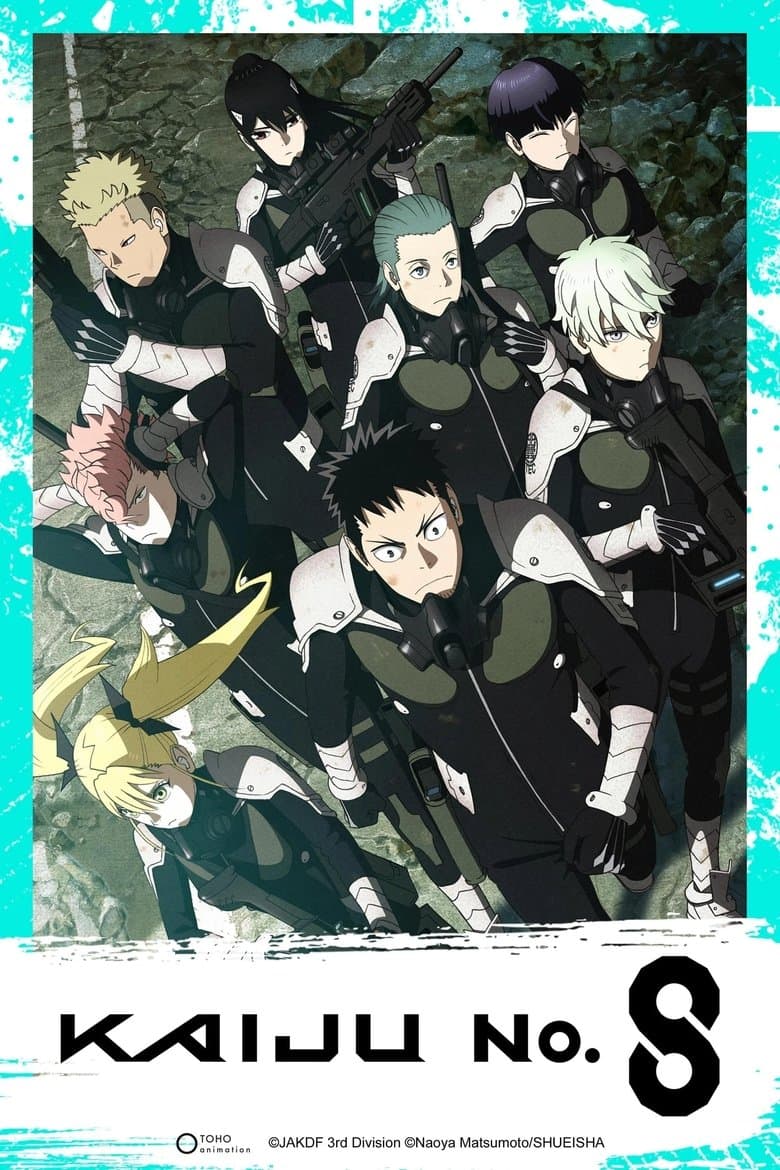
TV Show · 2024
In a world plagued by creatures known as Kaiju, Kafka Hibino aspired to enlist in The Defense Force. He makes a promise to enlist with his childhood friend, Mina Ashiro.
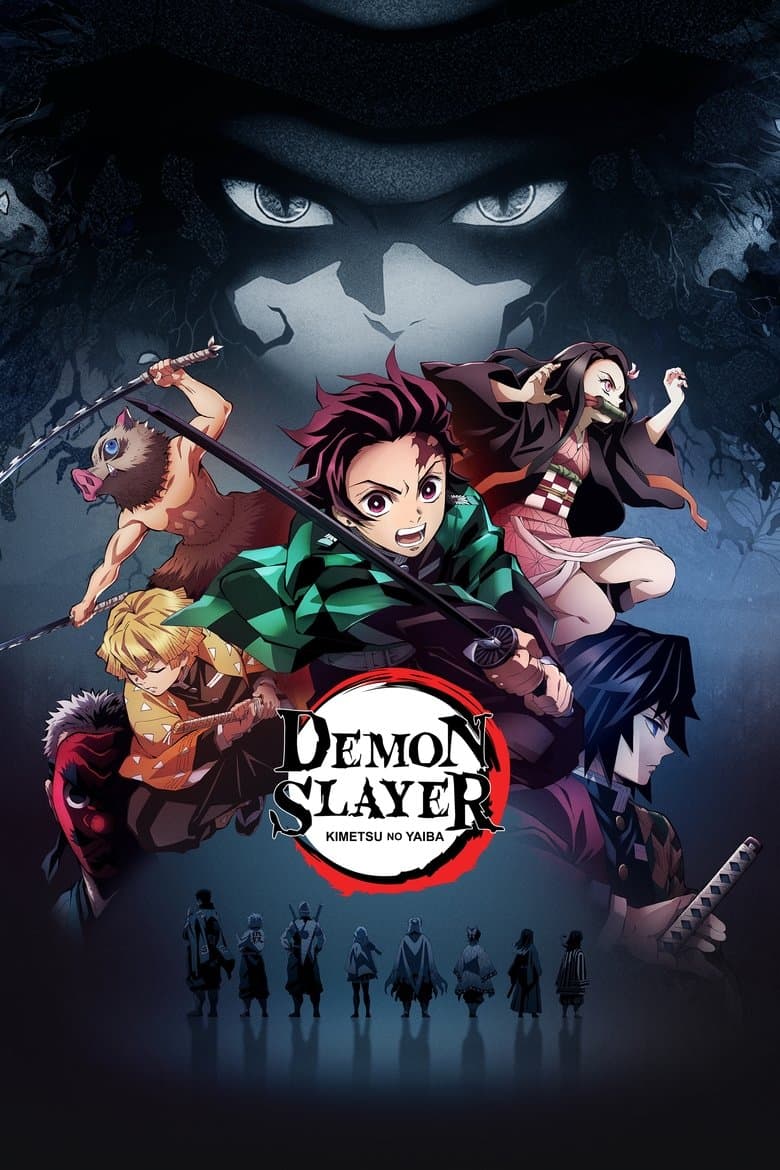
TV Show · 2019
After a demon attack leaves his family slain and his sister cursed, Tanjiro embarks upon a perilous journey to find a cure and avenge those he's lost.
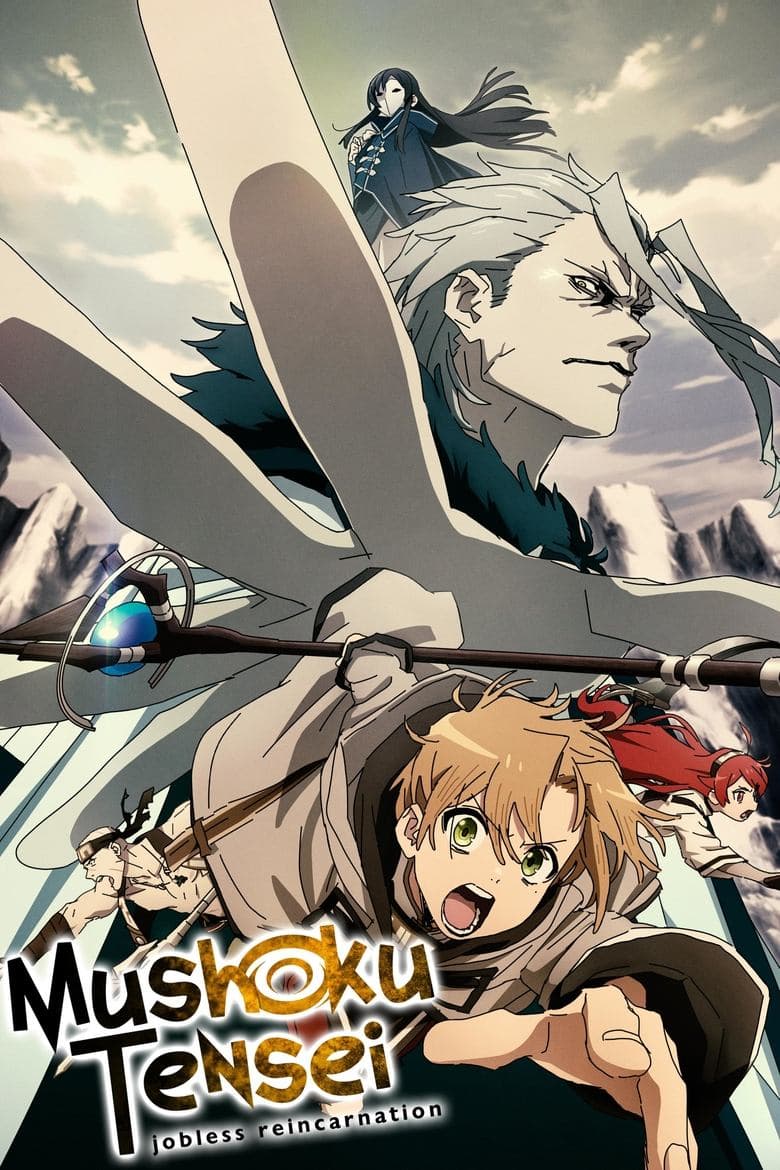
TV Show · 2021
When a 34-year-old underachiever gets run over by a truck, his story doesn't end there. Reincarnated in a new world as an infant, Rudy will seize every opportunity to live the…
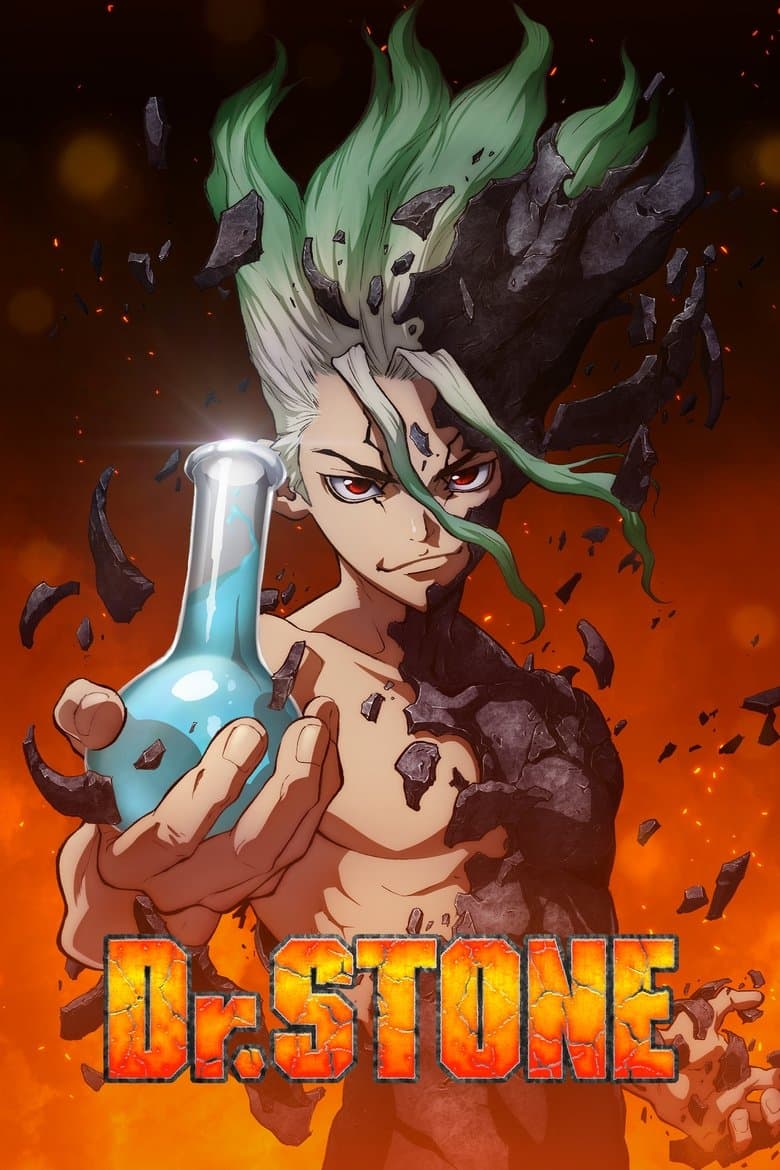
TV Show · 2019
One fateful day, all of humanity was petrified by a blinding flash of light. After several millennia, high schooler Taiju awakens and finds himself lost in a world of statues.
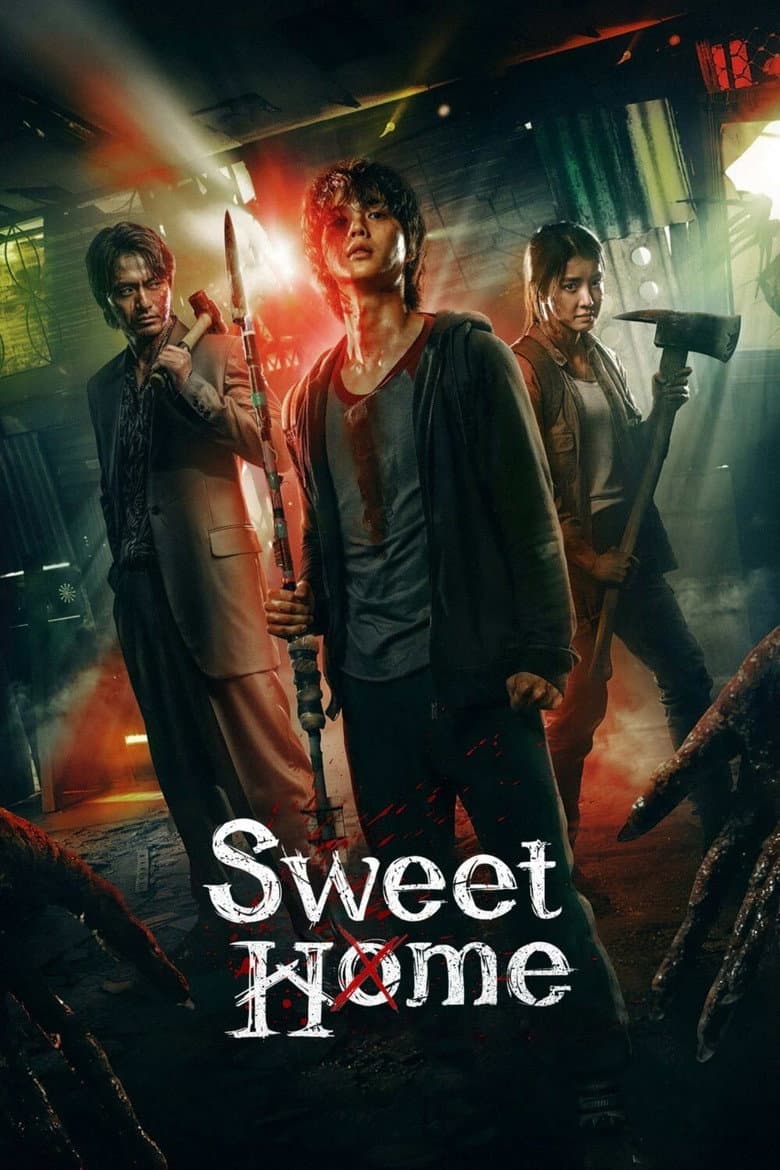
TV Show · 2020
As humans turn into savage monsters and the world plunges into terror, a handful of survivors fight for their lives — and to hold on to their humanity.
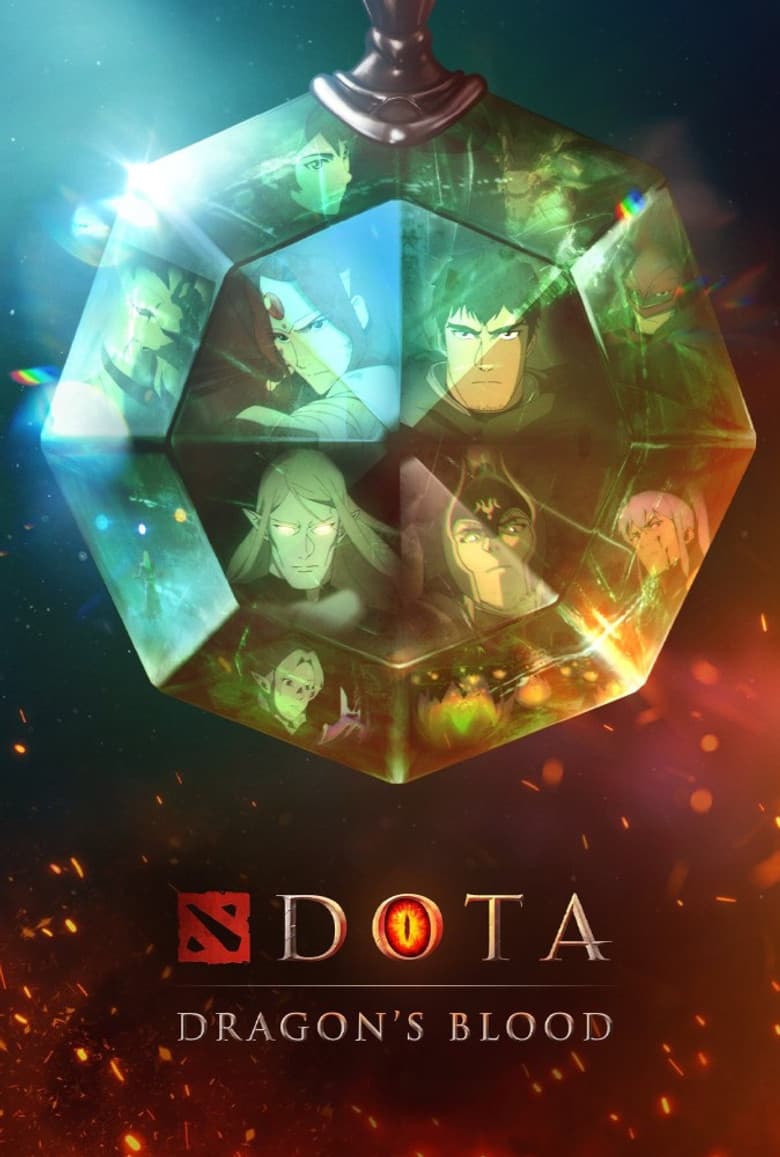
TV Show · 2021
After encounters with a dragon and a princess on her own mission, a Dragon Knight becomes embroiled in events larger than he could have ever imagined.
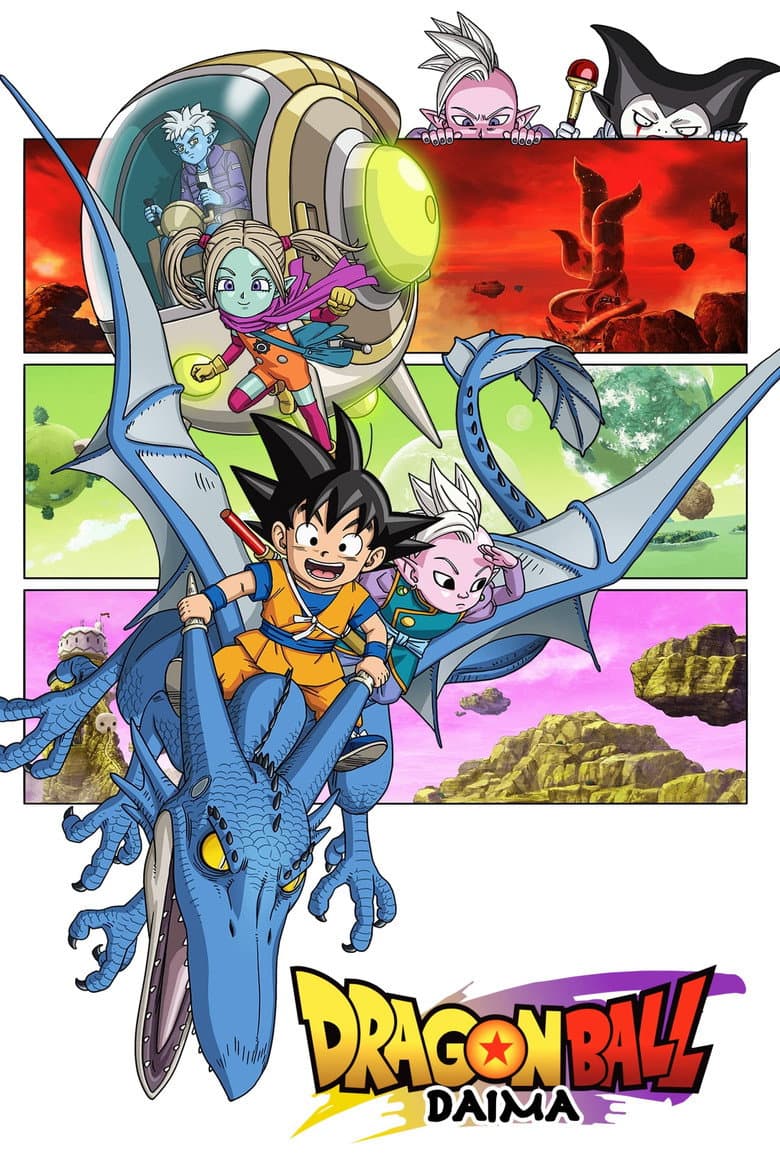
TV Show · 2024
Mysteriously transformed into mini versions of themselves, Goku and his friends travel to the Demon Realm to uncover the truth and find a cure.
