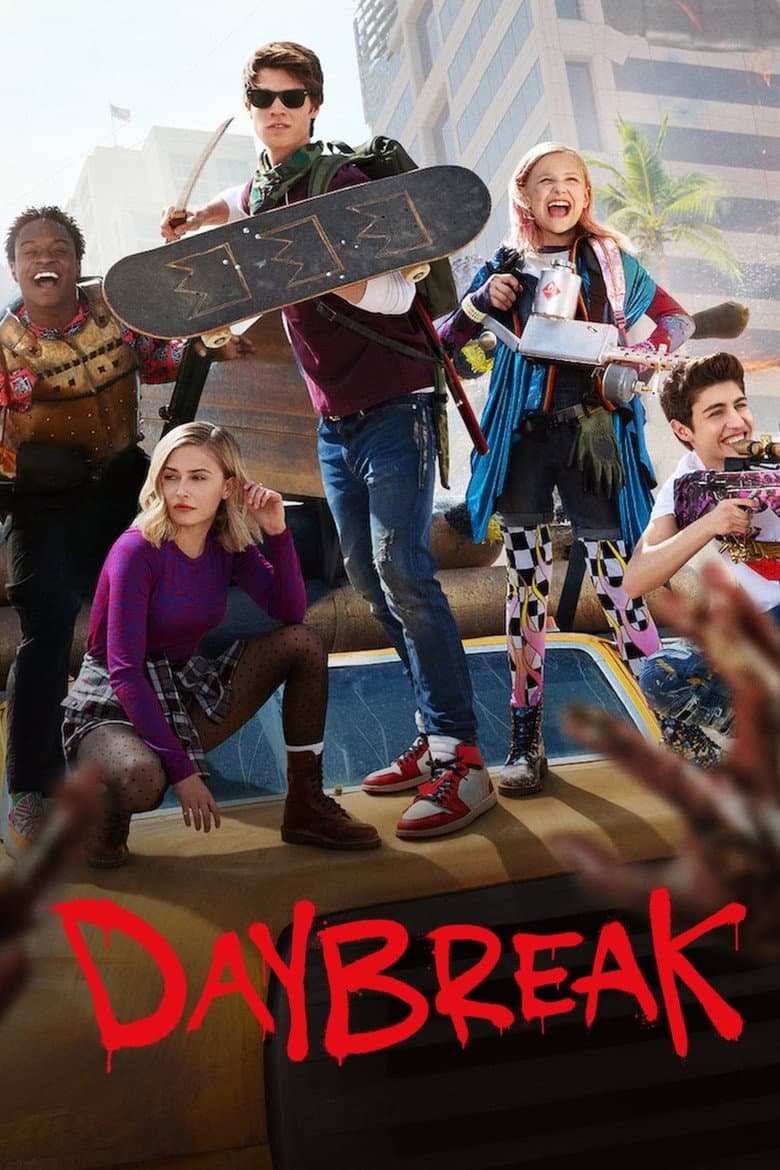
Started October 24, 2019 · Canceled · Based on 1 season, 10 episodes through October 24, 2019 · TV-MA
Daybreak follows Josh Wheeler, a lonely high school student who searches through ruined Glendale, California, for his missing girlfriend, Sam. A strange blast has killed or changed nearly every adult into a hungry ghoulie, so teenagers divide the city into groups based on their old school cliques. Josh joins Angelica, a young fire-loving troublemaker, and Wesley, a former bully who now follows a pacifist samurai code. The show mixes bloody fights, teen romance, jokes, fourth-wall comments, and a bright comic-book style.
The show gives a large place to identity and self-reinvention. Wesley is a black gay teen whose secret romance with Turbo, a violent former football star, becomes a major part of his personal story. The series also uses gender-neutral homecoming royalty, consent talks, anti-gun rules, and jokes about whitewashing and the expected cis white male hero. Sam rejects Josh’s perfect image of her and ends the season by claiming leadership, so female independence and chosen family are visible themes even though survival and comedy remain the main focus.
Community feedback
Was our 52% Woke rating accurate?
Breakdown
These are the editorial factors and ratings behind our score for Daybreak.
Woke representation / casting
The main group includes a black queer male hero, a black female football enforcer, an Asian female survivor, and students from several other backgrounds. Glendale is a modern and diverse setting, so the cast is not a strong story-world mismatch. The cast and press coverage frame the mixed group as a chosen family where unlike people belong together. The pattern is clear but is not the main story engine.
30%
Woke political dialogue
The school talks about whitewashing Asian roles, celiac awareness, and being woke in the opening episode. The show later uses phrases about a cis white male hero and gender-neutral homecoming royalty. Episode 8 spends much of its story on consent, and another episode uses the Emma González Accords to reject guns. The show often treats these lines as jokes, but the language is frequent and easy to notice.
47%
Identity-driven story themes
Wesley’s story makes his black and gay identity part of his path from bully to pacifist samurai. His hidden romance with Turbo returns across the season and affects major choices. Sam’s episode focuses on sexual choice, consent, and her refusal to fit Josh’s ideal image of her. The show also praises chosen family and self-reinvention, but these themes share space with the monster plot.
49%
Western institutional / cultural critique
The show treats school authority and the old family order as flawed while the teens build chosen families after the adults disappear. The jocks link male power with violence, while Wesley rejects that role and chooses peace. The Cheermazons carry an anti-male rule, and the final scene gives Sam control over the new group. These points recur, but the show does not make a sustained attack on Christianity or Western society as a whole.
32%
Woke character or canon changes
Not relevant. The show is a loose adaptation with a new school setting and a new teen cast. No established character or real figure is changed around race, sex, or identity.
0%
Anti-woke backlash and complaints
Some audience posts and user reviews call the show too woke, forced, or feminist. Those complaints point to the gender-neutral homecoming title, consent talks, LGBTQ story, and Sam taking power at the end. Other viewers say the same material is satire or simply part of the show’s strange humor. The backlash is visible but mostly comes from small online discussions and review comments.
28%
Creator track record context
Stored summaries give the creators, director, and producers low woke scores ranging from 7 to 32. Their work shows no clear career pattern of political activism or identity-first storytelling. Coleite and Peyton describe this show as inclusive and focused on teens remaking themselves. That title-related framing adds a mild signal, but it does not support a high creator track record score.
14%
Production
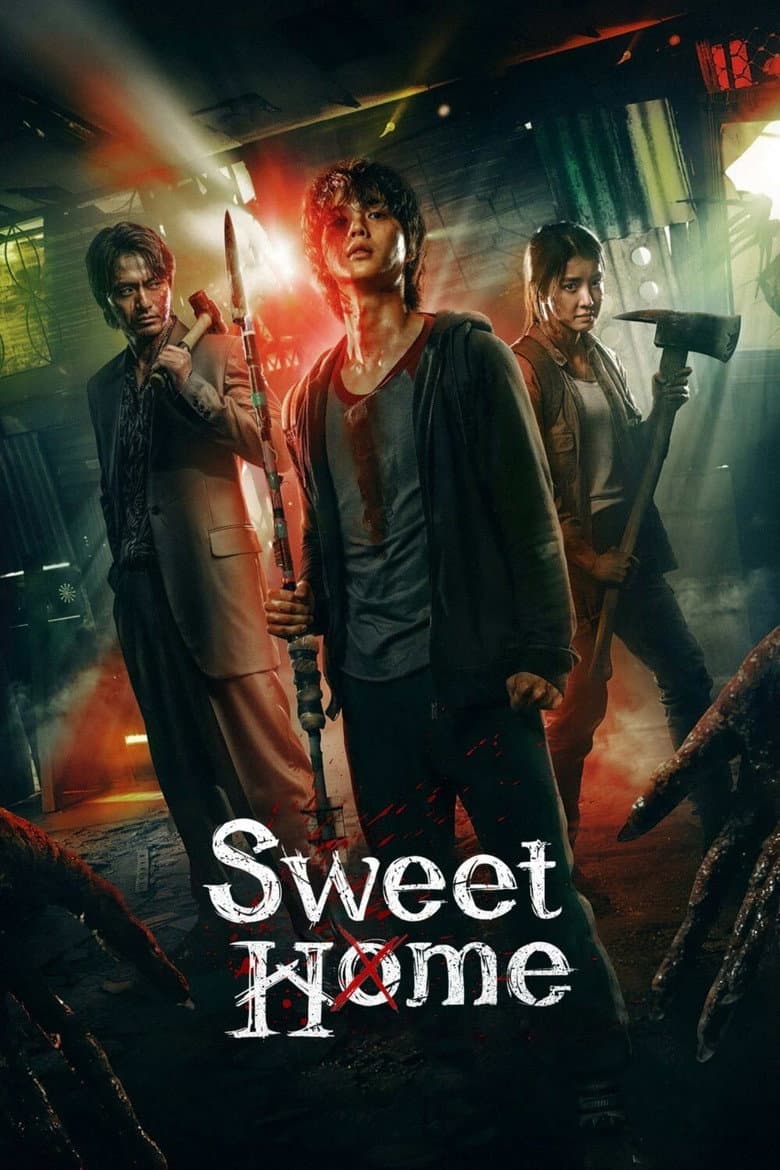
TV Show · 2020
As humans turn into savage monsters and the world plunges into terror, a handful of survivors fight for their lives — and to hold on to their humanity.
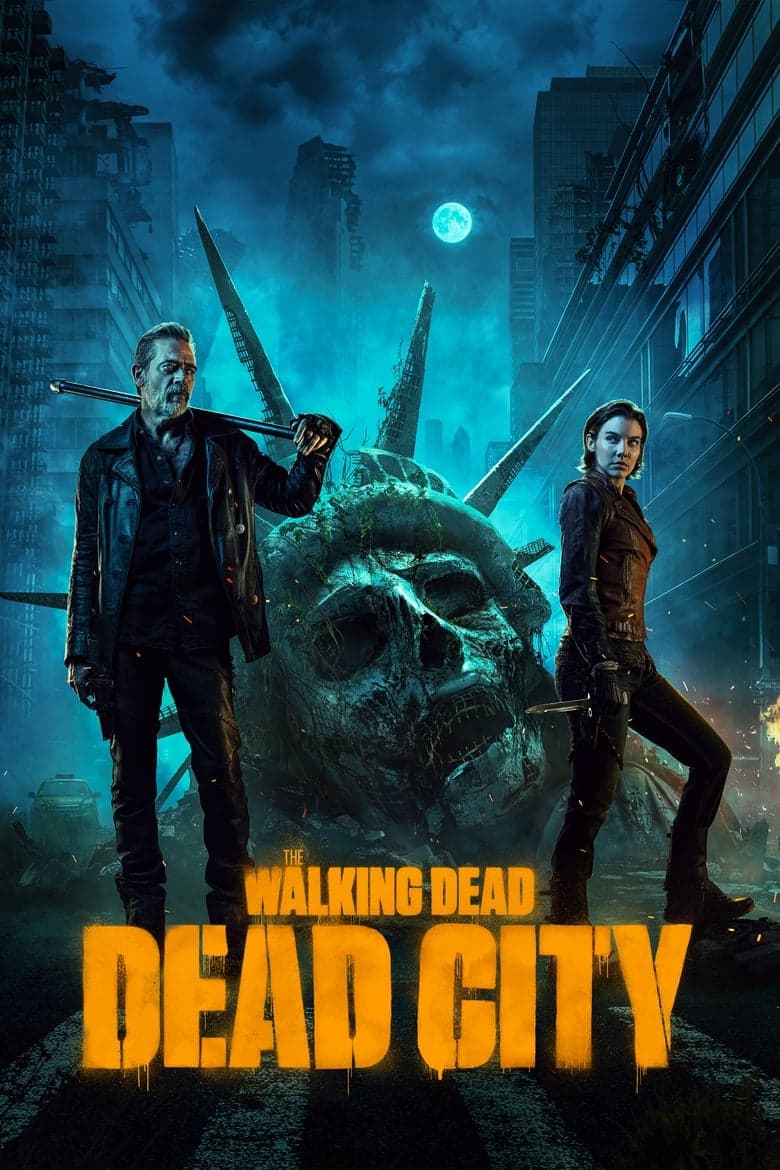
TV Show · 2023
Maggie and Negan travel to post-apocalyptic Manhattan - long ago cut off from the mainland. The crumbling city is filled with the dead and denizens who have made it a world full…
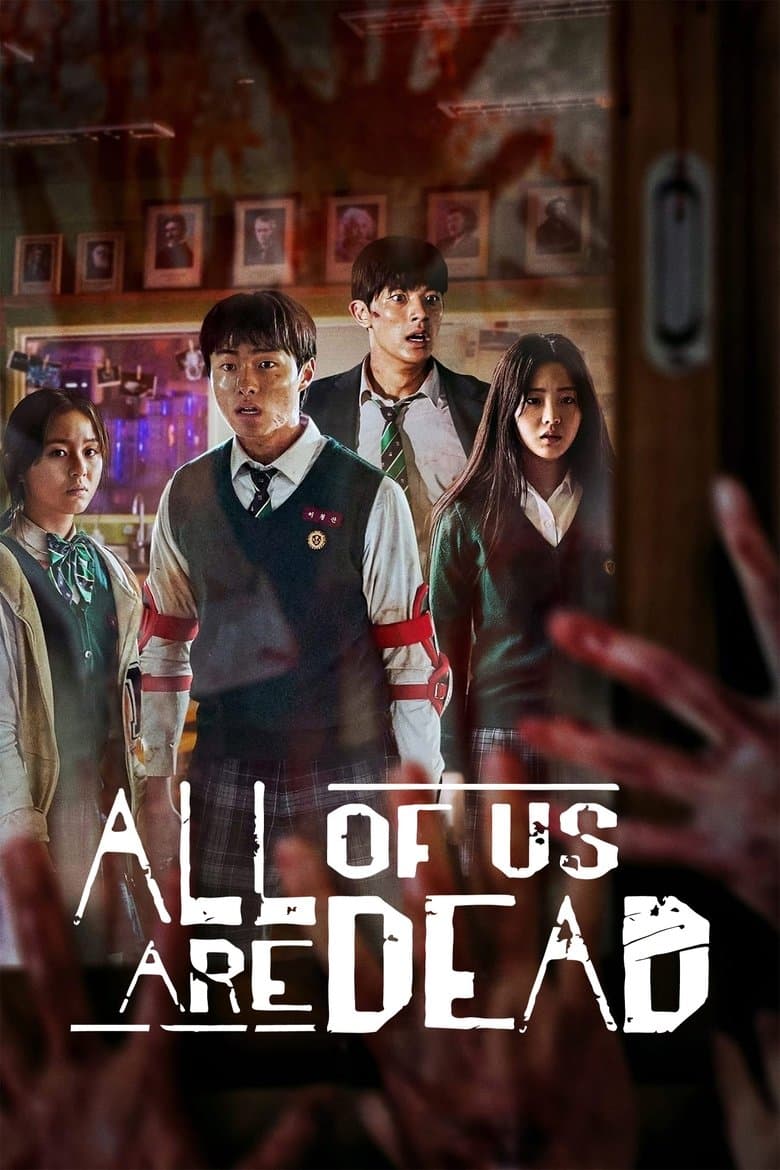
TV Show · 2022
A high school becomes ground zero for a zombie virus outbreak. Trapped students must fight their way out — or turn into one of the rabid infected.
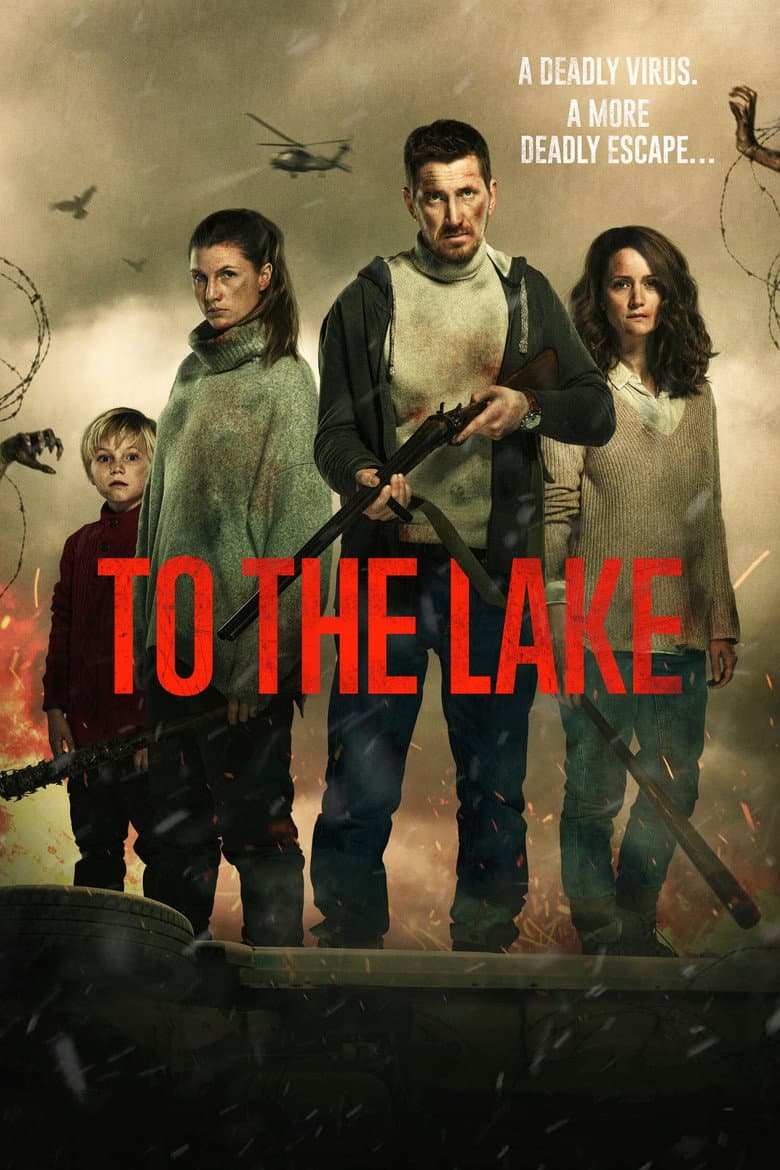
TV Show · 2019
A grim drama that unfolds against the backdrop of a global catastrophe. An unknown new virus turns Moscow into a city of the dead.
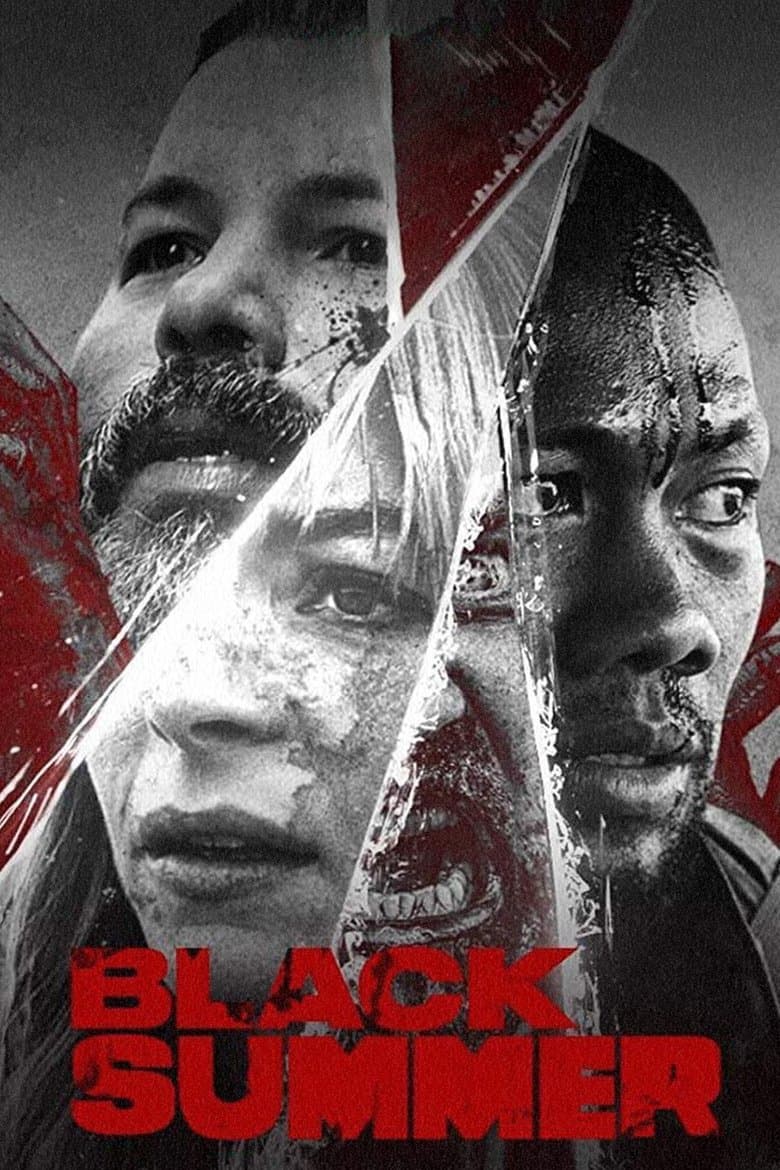
TV Show · 2019
In the dark, early days of a zombie apocalypse, complete strangers band together to find the strength they need to survive and get back to loved ones.
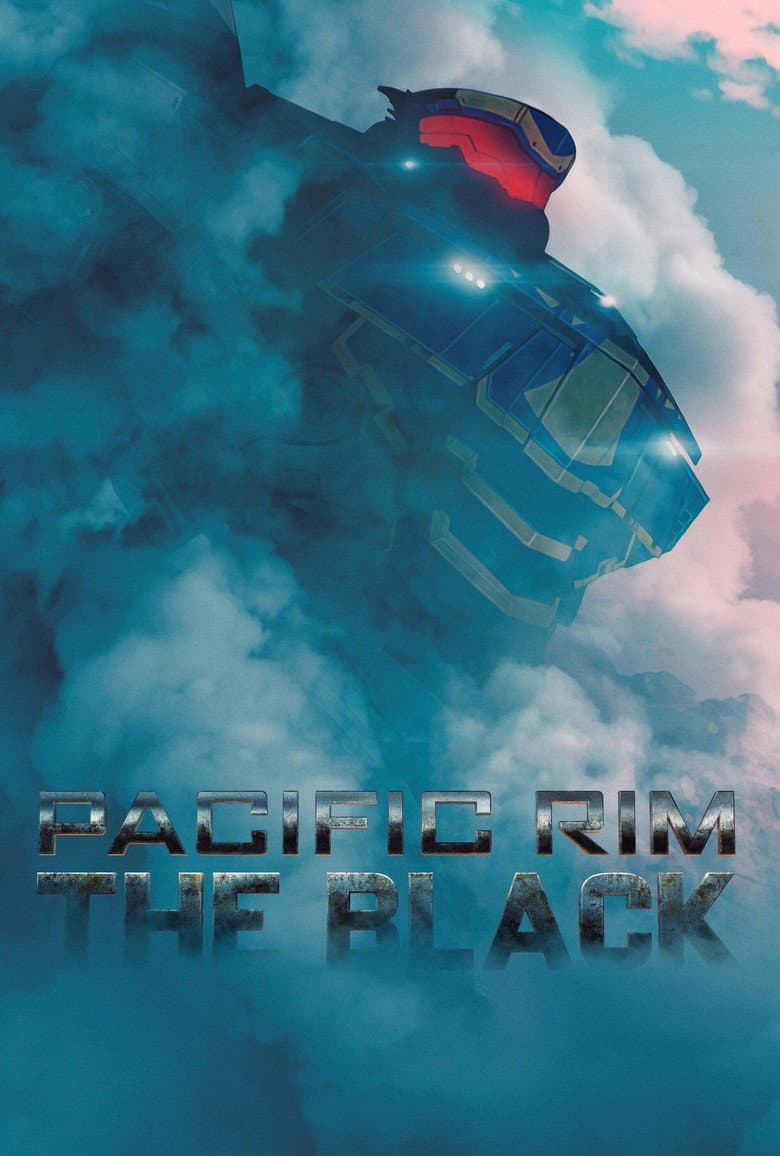
TV Show · 2021
Two siblings - an idealistic teenage boy and his naive younger sister - are forced to pilot an abandoned Jaeger across a hostile landscape in a desperate attempt to find their…
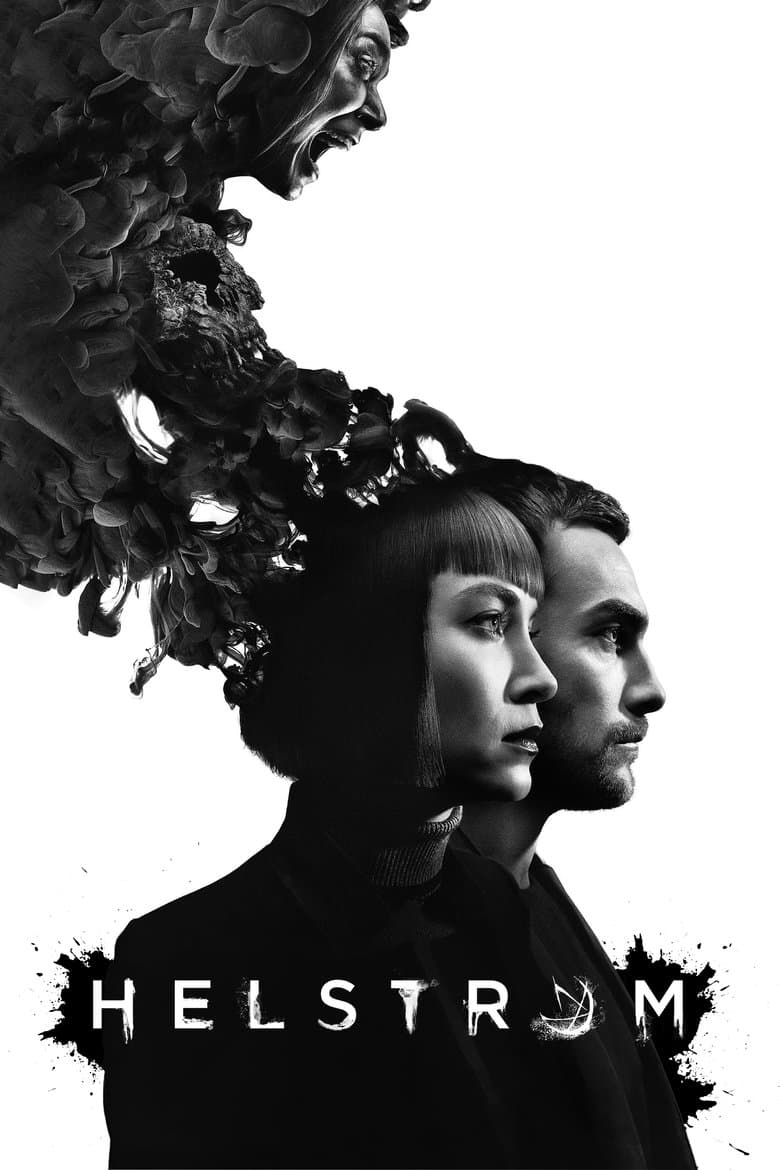
TV Show · 2020
Daimon and Ana Helstrom are the son and daughter of a mysterious and powerful serial killer. The siblings have a complicated dynamic as they track down the terrorizing worst of…
TV Show · 2021
After encounters with a dragon and a princess on her own mission, a Dragon Knight becomes embroiled in events larger than he could have ever imagined.
