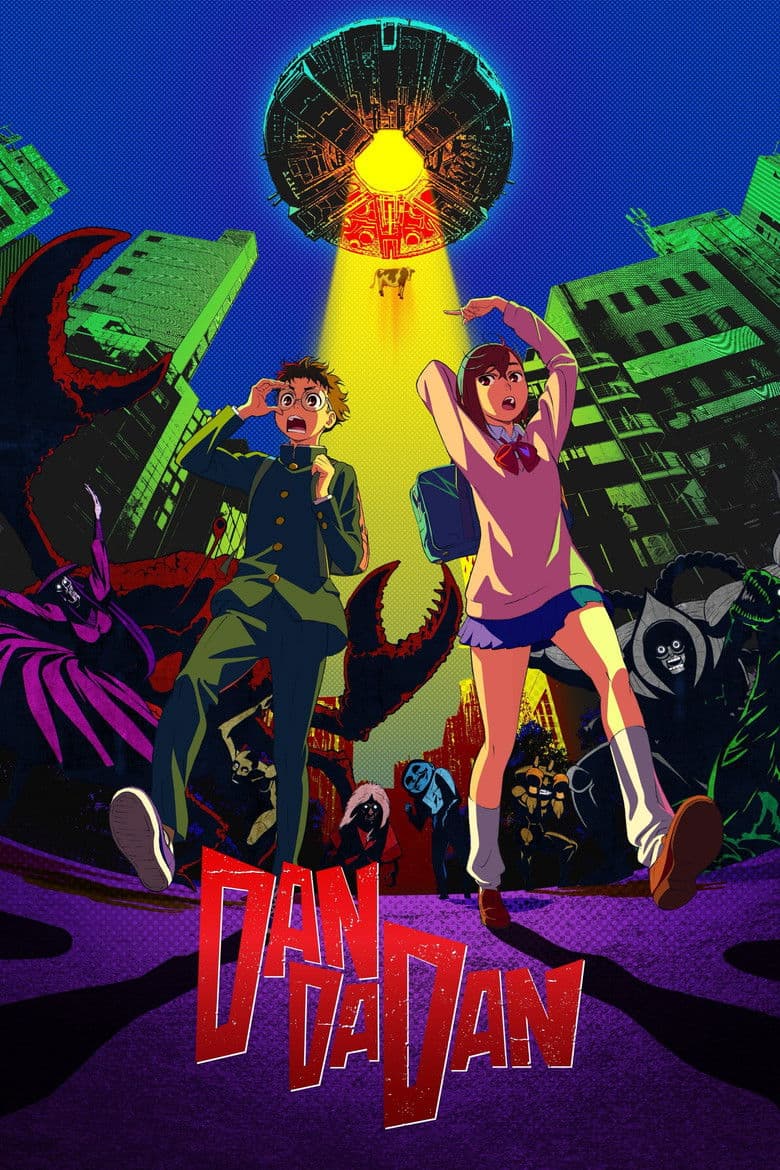
Started October 4, 2024 · Returning Series · Based on 1 season, 24 episodes through September 19, 2025 · TV-MA · Japanese
Momo Ayase believes in ghosts, while her classmate Ken Takakura, whom she calls Okarun, believes in aliens. After they challenge each other, both discover that ghosts and aliens are real and that each of them can gain strange powers. They fight monsters, rescue friends, and search for Okarun’s missing golden balls while living normal school lives. The show mixes wild jokes, scary body horror, teenage romance, and sad stories about people who died in pain.
The show gives Momo a major psychic power and often makes her the team’s planner and front-line fighter. Aira, Seiko, and Turbo Granny also have important powers, so several women are active in fights instead of waiting to be saved. The story repeatedly connects its ghosts and aliens to sexual danger, abuse, murdered girls, lost children, and the need to protect hurt people. These ideas matter across both seasons, but the show presents them through supernatural horror and friendship rather than speeches about modern politics or identity.
Community feedback
Was our 35% Woke rating accurate?
Breakdown
These are the editorial factors and ratings behind our score for Dan Da Dan.
Woke representation / casting
Momo is the main psychic fighter and often directs the group during battles. Aira also gets a major superpowered combat role, while Seiko and Turbo Granny guide the younger fighters. The main characters fit the modern Japanese setting. The repeated female action roles create a mild representation signal, but the show does not frame them as a diversity campaign.
24%
Woke political dialogue
Not present. The dialogue centers on ghosts, aliens, sex jokes, fear, friendship, and romance. No character gives a modern identity, DEI, or activist message.
0%
Identity-driven story themes
The show repeatedly links supernatural threats to harm done to girls and women. Momo escapes an alien attempt to use her body, Turbo Granny protects the spirits of murdered girls, and Acrobatic Silky loses her child after abuse and poverty. Season 2 adds the Kito family's sacrifice of children and another attack on Momo while keeping Momo as a main planner and fighter. These ideas recur across both seasons, but the story uses horror, grief, and friendship instead of direct modern activist speeches.
47%
Western institutional / cultural critique
The show repeatedly presents male sexual entitlement as a danger. Momo's ex-boyfriend pressures her, aliens try to use her body, and Evil Eye attacks her while controlling Jiji. The Kito family treats children as tools in a long ritual, which adds a smaller abuse-of-power thread. These conflicts target cruel people and supernatural groups, not Western government, Christianity, capitalism, or family life as a whole.
30%
Woke character or canon changes
Not relevant. The anime follows the manga's main characters and roles. No race, gender, sexuality, or hero-role swap is reported in the reviewed episodes.
0%
Anti-woke backlash and complaints
Not present. No clear title-specific anti-woke backlash was found. A few fringe posts called the English dub or a voice actor's race-related comments woke, but they attacked a side debate rather than a woke story element. The main reported controversy involved an unapproved resemblance to X Japan, not identity politics.
0%
Creator track record context
Not present. Cached records give Yukinobu Tatsu and Hiroshi Seko scores of 0 and 8 and show no activist public profile. The listed producers score 0, while the directors have mostly low scores and no documented identity campaign. No specific creator track record adds a woke signal to this title.
0%
Production
TV Show · 2019
After a demon attack leaves his family slain and his sister cursed, Tanjiro embarks upon a perilous journey to find a cure and avenge those he's lost.
TV Show · 2016
Shigeo Kageyama, a.k.a. "Mob," is a boy who has trouble expressing himself, but who happens to be a powerful esper.
TV Show · 2022
Denji has a simple dream—to live a happy and peaceful life, spending time with a girl he likes. This is a far cry from reality, however, as Denji is forced by the yakuza into…
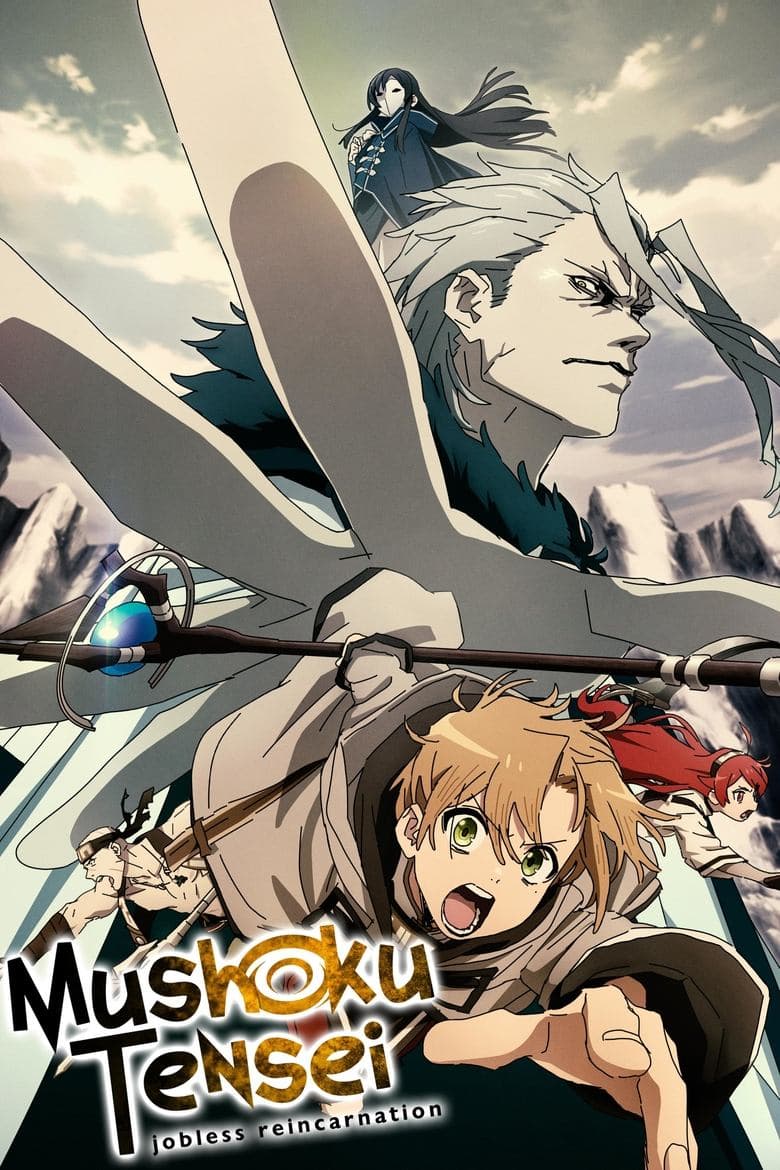
TV Show · 2021
When a 34-year-old underachiever gets run over by a truck, his story doesn't end there. Reincarnated in a new world as an infant, Rudy will seize every opportunity to live the…
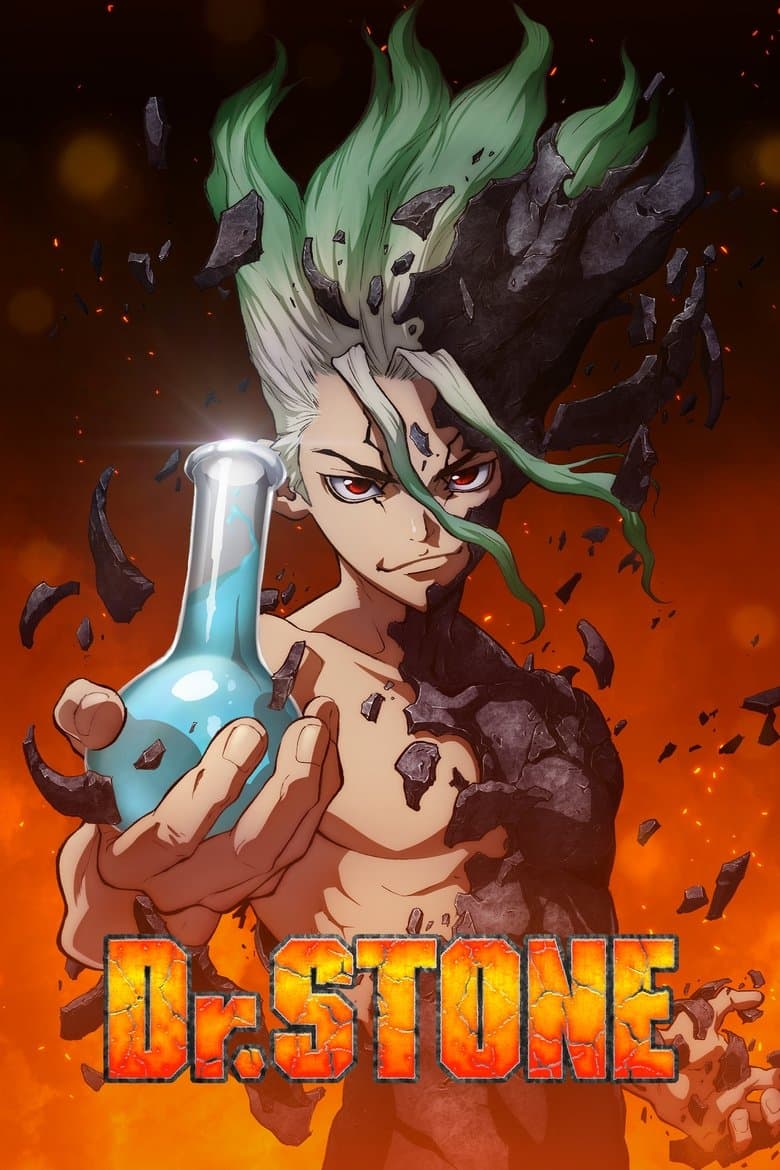
TV Show · 2019
One fateful day, all of humanity was petrified by a blinding flash of light. After several millennia, high schooler Taiju awakens and finds himself lost in a world of statues.
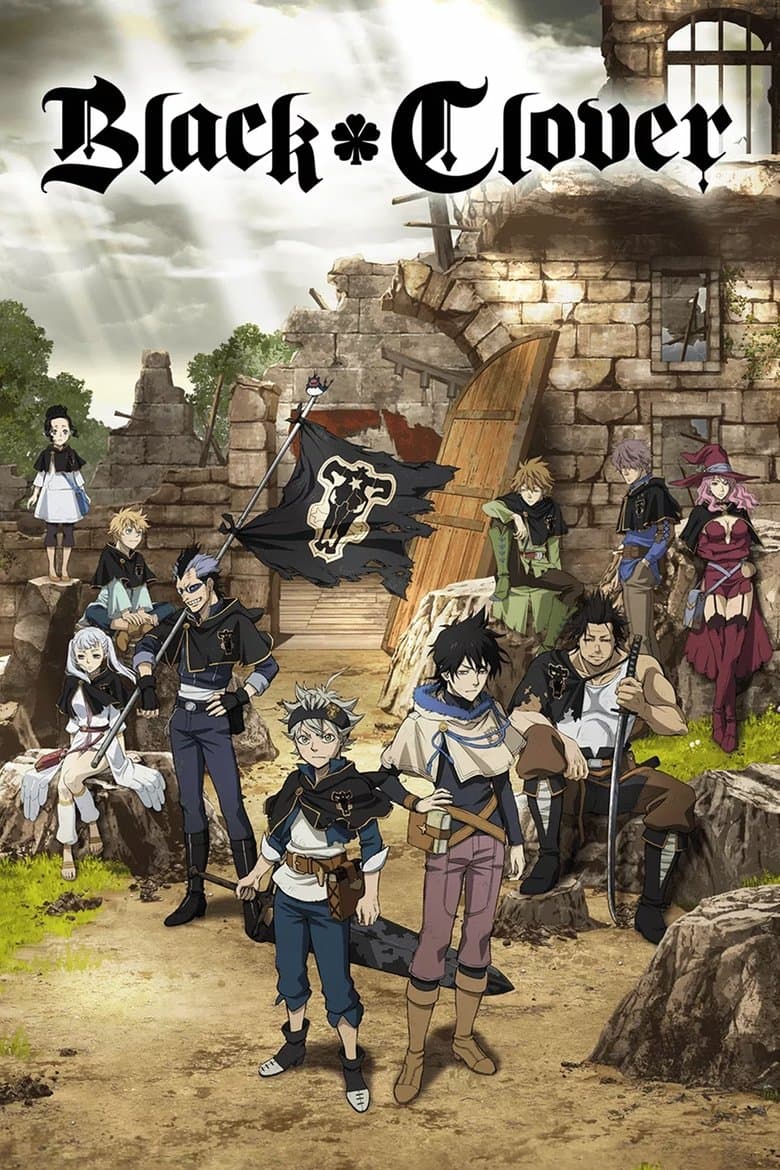
TV Show · 2017
Asta and Yuno are two orphans who want the same thing: to become the Wizard King. Locked in a friendly rivalry, they work hard towards their goal.
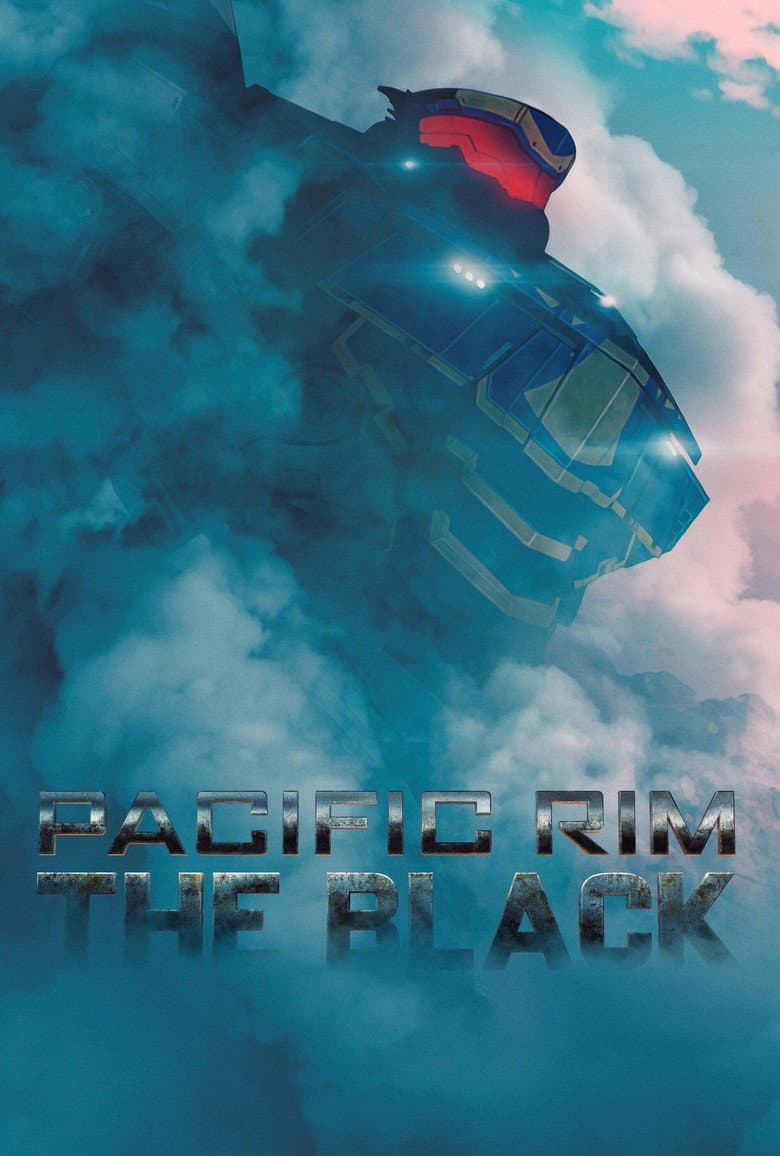
TV Show · 2021
Two siblings - an idealistic teenage boy and his naive younger sister - are forced to pilot an abandoned Jaeger across a hostile landscape in a desperate attempt to find their…
TV Show · 2024
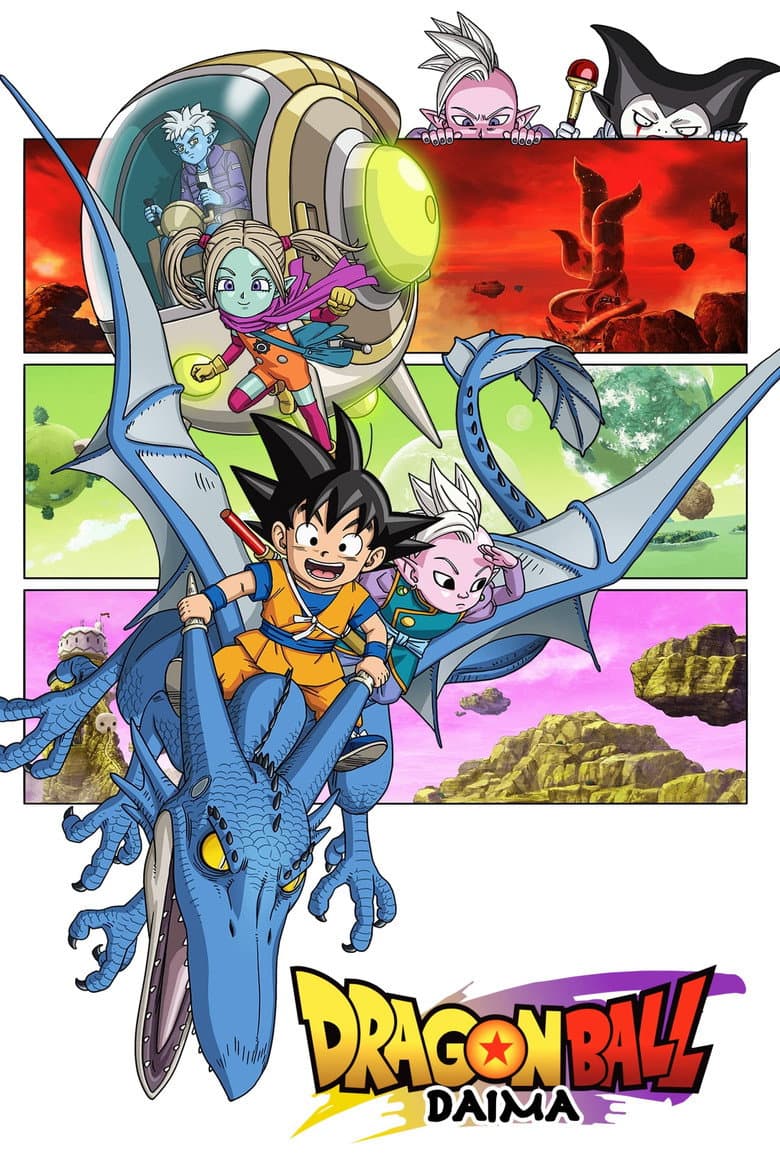
Mysteriously transformed into mini versions of themselves, Goku and his friends travel to the Demon Realm to uncover the truth and find a cure.
