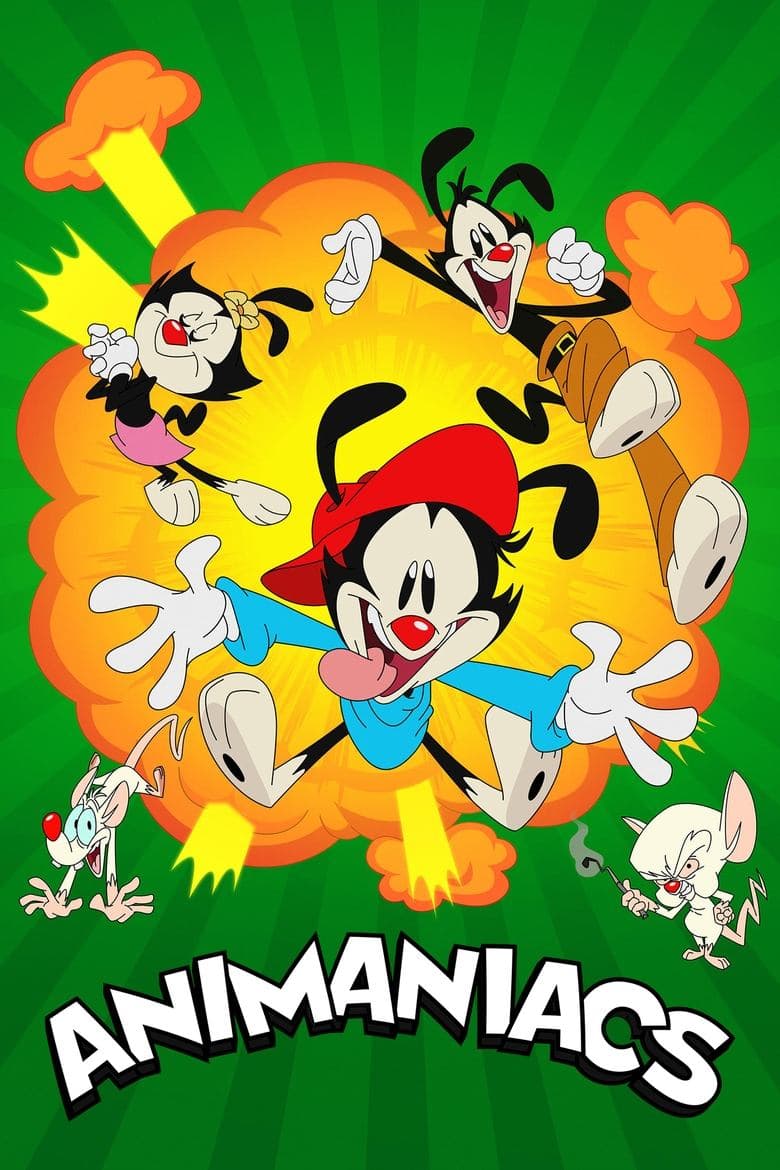
Started November 20, 2020 · Ended · Based on 3 seasons, 125 episodes through February 17, 2023 · TV-PG · 12 min
Yakko, Wakko, and Dot Warner return to the Warner Bros. lot after being locked away for 22 years. The three wild siblings cause trouble while they try to fit into a changed studio and a changed world. Pinky and the Brain also chase plans for world control, and Starbox keeps trying to escape a child named Cindy. The show uses fast songs, physical comedy, old movie spoofs, jokes that speak to the audience, and short stories that mix silly chaos with current events.
The reboot makes its politics easier to see than the 1990s cartoon did. Its new opening calls the cast gender-balanced, pronoun-neutral, and ethnically diverse. Several stories mock Donald Trump, Fox News, Russian influence, gun control debates, online culture, and climate change. The show also gives Dot a stronger feminist role, replaces the old male studio boss with a brown female chief executive, and uses a full short about a manspreader. These points appear across the first two seasons, while the final season uses more fantasy and old-style parody.
Community feedback
Was our 61% Woke rating accurate?
Breakdown
These are the editorial factors and ratings behind our score for Animaniacs.
Woke representation / casting
Nora Rita Norita replaces the old studio boss with a prominent brown female chief executive. Dot remains one of the three leads, and the reboot gives her a stronger public role. The opening song also presents the cast as gender-balanced and ethnically diverse. These choices create a visible diversity and female-leadership focus, but the main trio still uses the returning voice cast.
30%
Woke political dialogue
Season 1 repeatedly mocks Donald Trump, Fox News, Russian influence, and election politics. The “Bun Control” sketch turns a gun-control debate into a major comedy setup. Season 2 keeps Trump jokes and attacks online culture, social media, and equality talk, although reviews noted less political humor. Season 3 uses far less current politics and leans toward fantasy and old-style parody.
55%
Identity-driven story themes
The opening song openly presents the reboot as gender-balanced, pronoun-neutral, and ethnically diverse. Dot gets a more assertive role, and the show says she uses her wit instead of only being cute. “Suffragette City” centers women’s voting rights, while “Manspreader” turns a complaint about male behavior into a full short. These ideas recur as jokes, but identity is not the main story.
42%
Western institutional / cultural critique
The show repeatedly mocks modern media, large companies, online platforms, and news outlets. Fox News is parodied, corporate executives restrict the characters, and social media is shown as manipulative or harmful. “Manspreader” treats male entitlement as a public problem. Season 2 also turns “Wakkiver Twist” into a workers’ rights joke, but the final season mostly returns to fantasy and general parody.
35%
Woke character or canon changes
The reboot replaces the old male studio boss Thaddeus Plotz with Nora Rita Norita, a brown female CEO. The writers also give Dot more wit and a stronger feminist streak than before. The show removes Hello Nurse while updating older character material for modern standards. These identity and gender changes are clear, but they do not control most episode plots.
28%
Anti-woke backlash and complaints
Some viewers and animation accounts called the reboot preachy, woke, or left-leaning. Complaints focused on repeated Trump jokes, the pronoun-neutral and ethnically diverse theme line, gun-control satire, and social or equality jokes. Some posts called the show a DEI rebrand or disliked its character changes. The reaction stayed scattered, with no clear boycott, review-bomb drive, or major right-wing media campaign.
35%
Creator track record context
The key writers and directors have little documented activist or identity-focused history. Wellesley Wild is mainly known for Family Guy, and Tom Ruegger is a mainstream animation writer. Ben Warheit and Joe Saunders have some liberal comedy links, but no clear activist pattern. Steven Spielberg has supported Democratic causes and human-rights work, while the other listed producers have low or ordinary public records. This is supporting context rather than a strong signal.
14%
Production
TV Show · 2018
Bluey is an inexhaustible six year-old Blue Heeler dog, who loves to play and turns everyday family life into extraordinary adventures, developing her imagination as well as her…
TV Show · 2021
A series of shorts that follows the humorous misadventures of Dug, the lovable dog from Disney and Pixar’s “Up.” Each short features everyday events that occur in Dug's backyard…
TV Show · 2022
Follow the misadventures of the impulsive Cuphead and his cautious but persuadable brother Mugman in this animated series based on the hit video game.
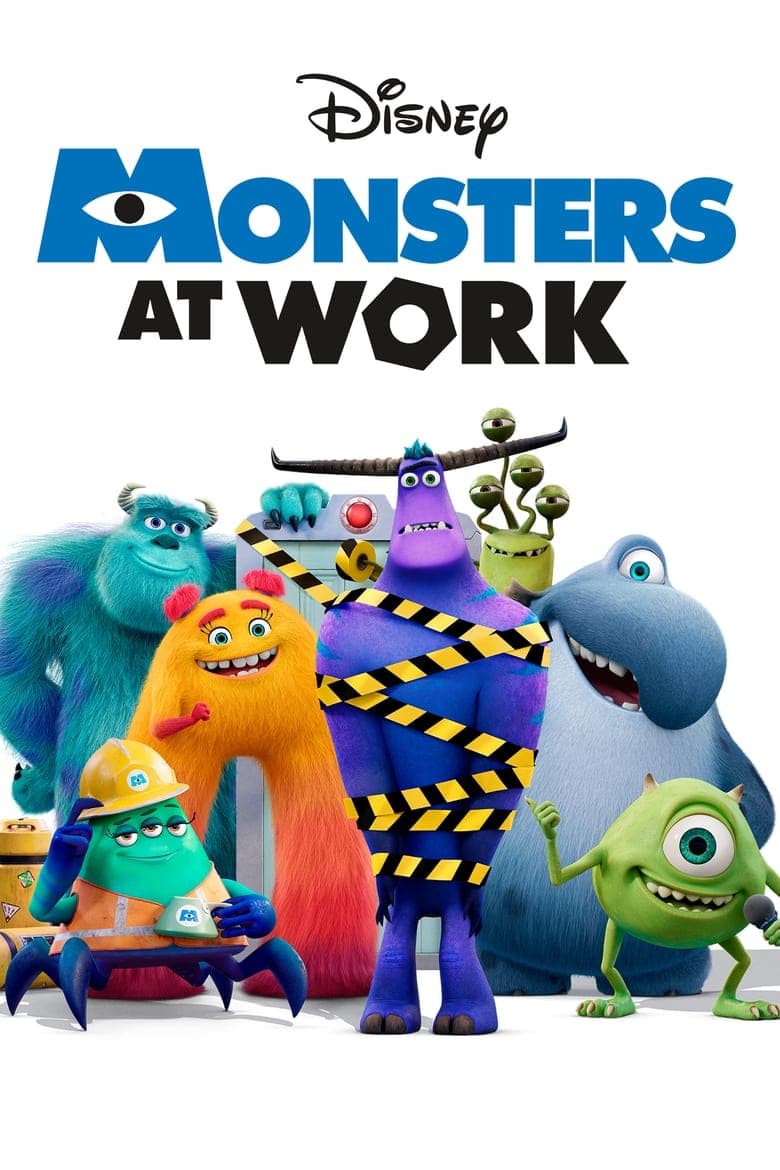
TV Show · 2021
Ever since he was a kid, Tylor Tuskmon has dreamed of becoming a Scarer just like his idol James P. Sullivan, and now that dream is about to come true... or not.
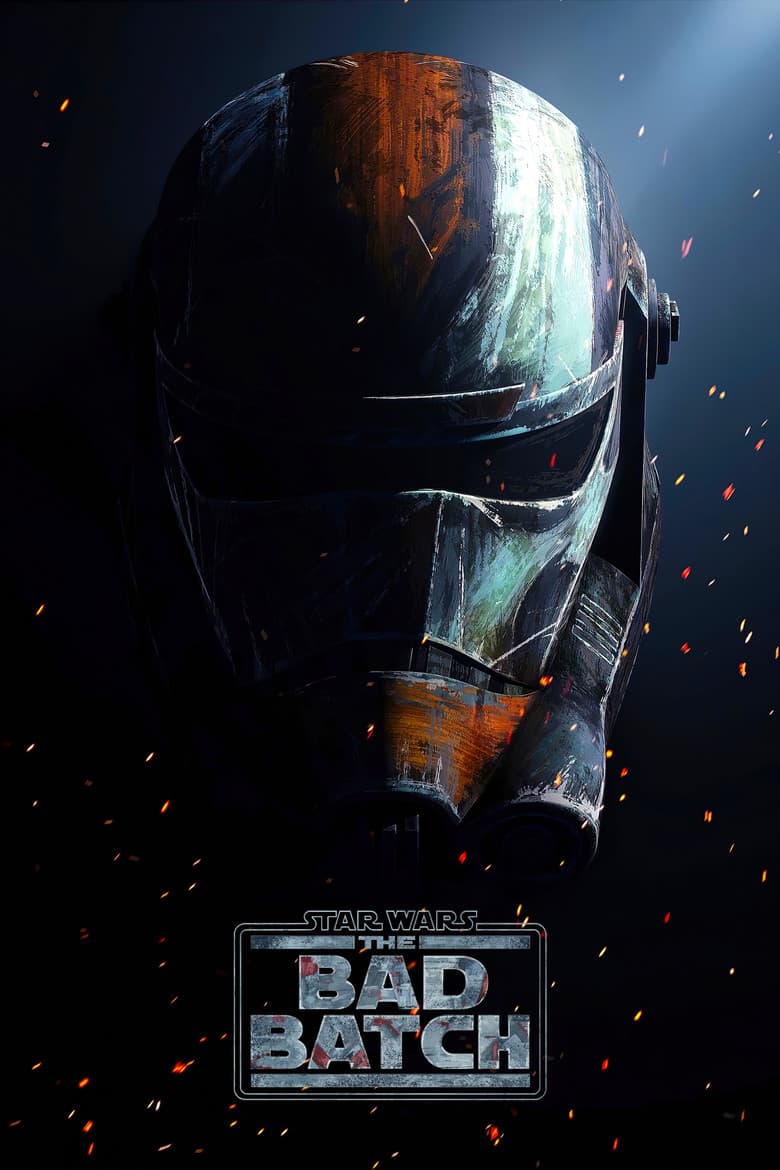
TV Show · 2021
The 'Bad Batch' of elite and experimental clones make their way through an ever-changing galaxy in the immediate aftermath of the Clone Wars.
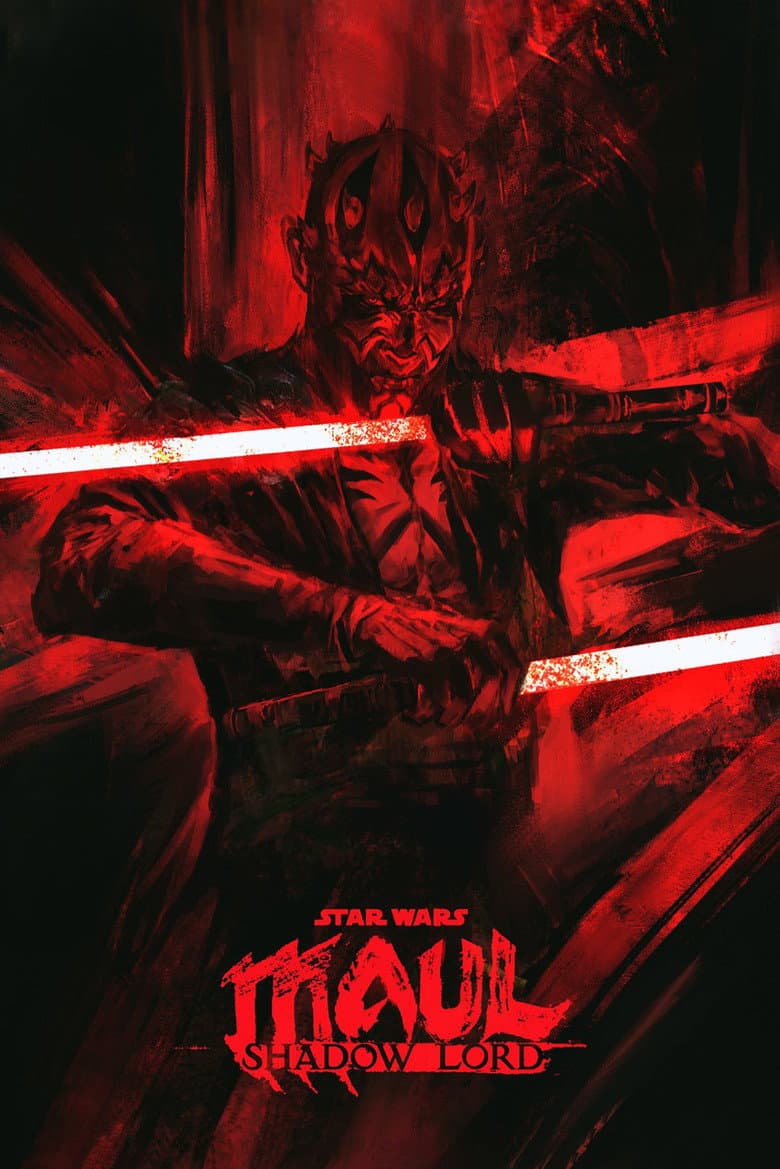
TV Show · 2026
After the Clone Wars, Maul plots to rebuild his criminal syndicate on a planet untouched by the Empire.
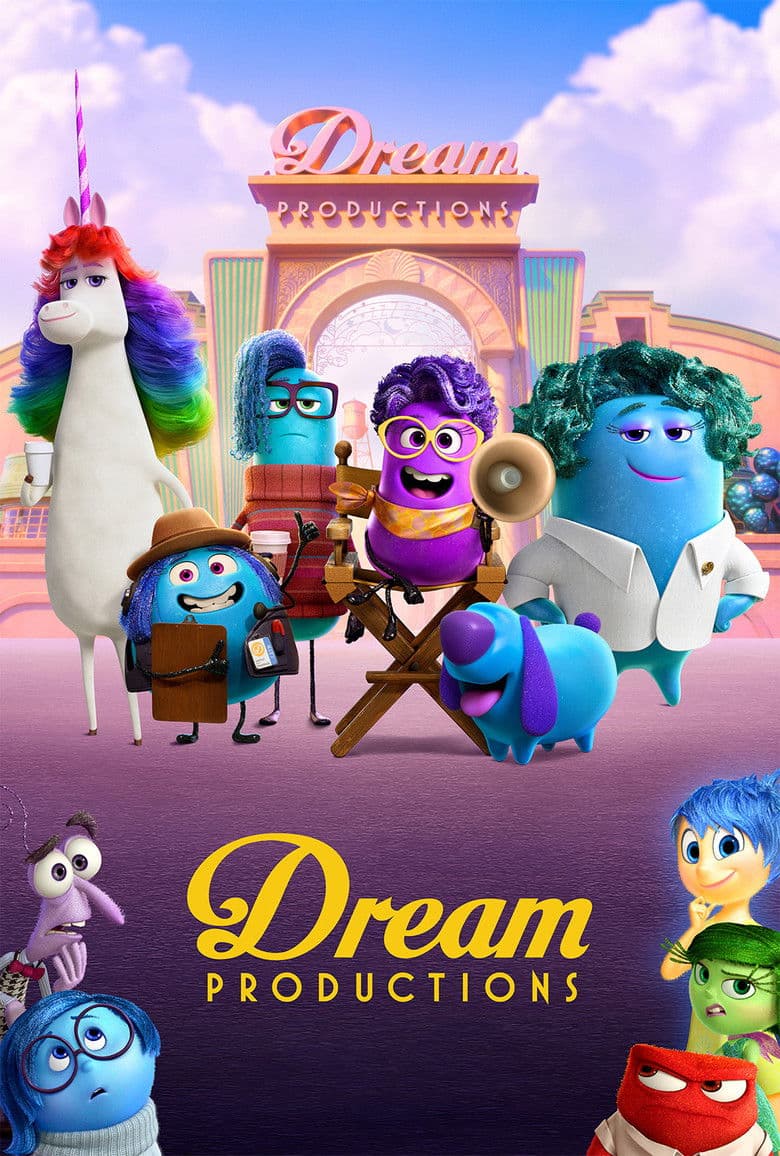
TV Show · 2024
Riley is growing up and when her memories need some extra processing, Joy and the rest of the Core Emotions send them to Dream Productions.
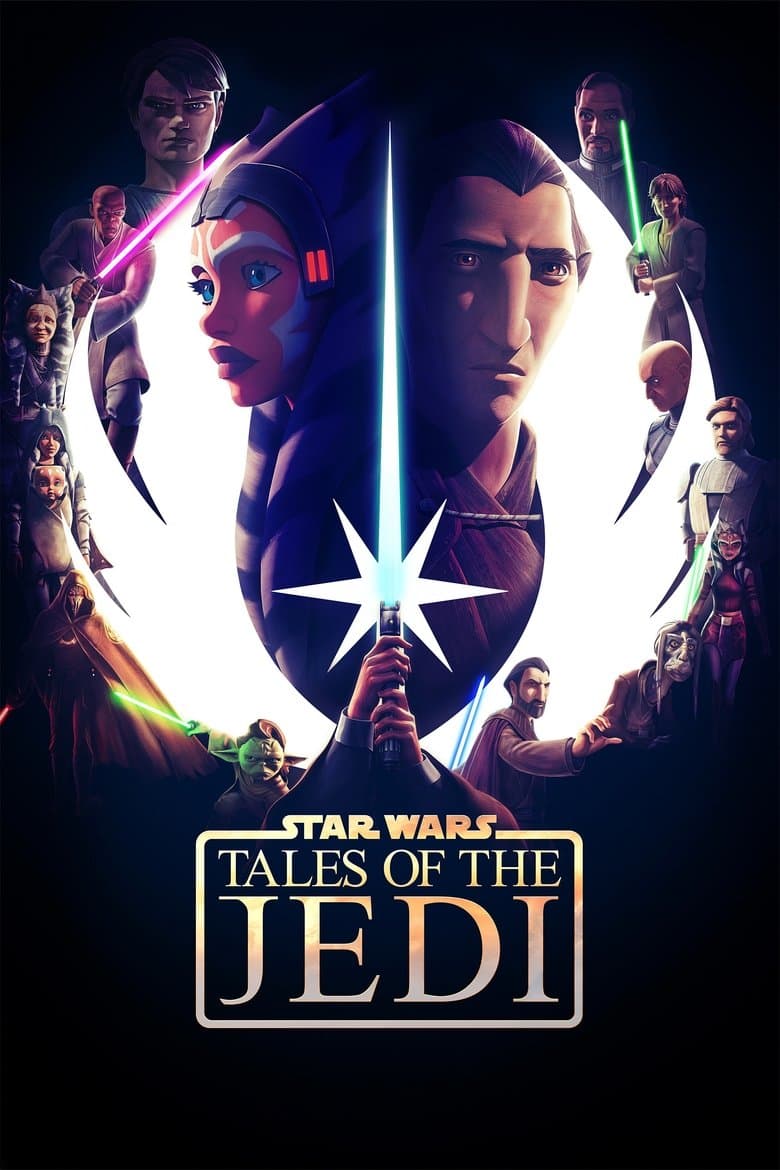
TV Show · 2022
Journey into the lives of two distinctly different Jedi from the prequel era – Ahsoka Tano and Count Dooku. Each will be put to the test as they make choices that will define…
