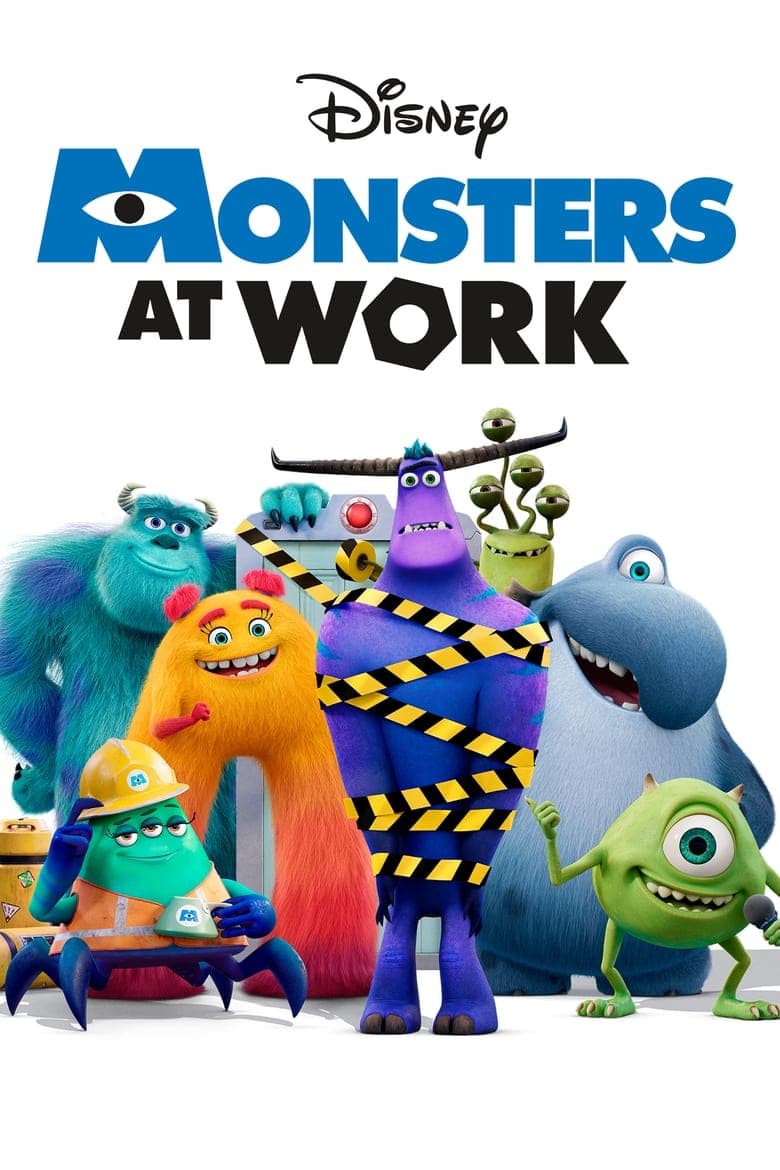
Started July 7, 2021 · Canceled · Based on 2 seasons, 20 episodes through May 4, 2024 · TV-G
Monsters at Work follows Tylor Tuskmon, a young monster who has trained all his life to become a Scarer. On his first day at Monsters, Inc., he learns that the factory has stopped using screams and now needs laughter to power Monstropolis. Tylor joins the odd maintenance crew called MIFT while he tries to become a Jokester. The show uses bright animation, workplace jokes, slapstick trouble, and a warm family tone.
Across two seasons, Tylor learns that a dream job may not fit him as well as he expected. He builds friendships with Val and the other MIFT workers while facing failed jokes, company pressure, and a rival energy company called FearCo. Season 2 also gives a small side story to Cutter and Sunny, two female monsters who were former girlfriends, become work rivals, and get back together with a kiss in the finale. The relationship is clear and audience-visible, but Tylor's work change, friendship problems, and fight to save the city remain the main story.
Community feedback
Was our 29% Woke rating accurate?
Breakdown
These are the editorial factors and ratings behind our score for Monsters at Work.
Woke representation / casting
Mindy Kaling voices Val Little, a regular MIFT coworker and Tylor's closest friend. Val is written as a fantasy monster, not as a human racial or ethnic identity. Cutter and Sunny are two female monsters shown as a romantic couple. The season ends with them getting back together and kissing, but the show does not build its main cast around a diversity message.
20%
Woke political dialogue
Not present. The dialogue centers on work, comedy, friendship, company trouble, and the energy change. No activist, identity-politics, DEI, or left-wing political speech drives the episodes.
0%
Identity-driven story themes
The series gives Cutter and Sunny a small relationship subplot in season 2. Their past romance leads to a work rivalry, and the finale has them make up and resume dating. The subplot is audience-visible but limited, because Tylor's job change, friendship with Val, and fight over the city's power drive most episodes.
37%
Western institutional / cultural critique
Not present. The factories, regulators, budgets, and company rules appear in workplace jokes and the power crisis. The show does not turn them into a modern critique of capitalism, patriarchy, Christianity, family life, or traditional social norms.
0%
Woke character or canon changes
Not relevant. Season 2 adds the new relationship between Cutter and Sunny, but it does not rewrite an established film character or change the original movies' main events.
0%
Anti-woke backlash and complaints
One small X account complained that the show had no white monsters and said it would refuse anything else. That account had about 21 likes, so the complaint had little reach. A Spanish-language viewer praised one episode as a jab at wokeness, but that was not a serious attack on the show. Fan posts also used “woke” as wordplay, and no large right-leaning outlet or boycott group treated the series as a DEI controversy.
10%
Creator track record context
Bobs Gannaway has a long record of family animation and no public record of activist or identity-driven work. Most listed producers, writers, and casting directors have no such public record. Kaitlyn Ritter and Kay Hayes publicly identify as non-binary, but no activist statements tied to this show were found. The overall creator track record context is a weak signal.
15%
Production
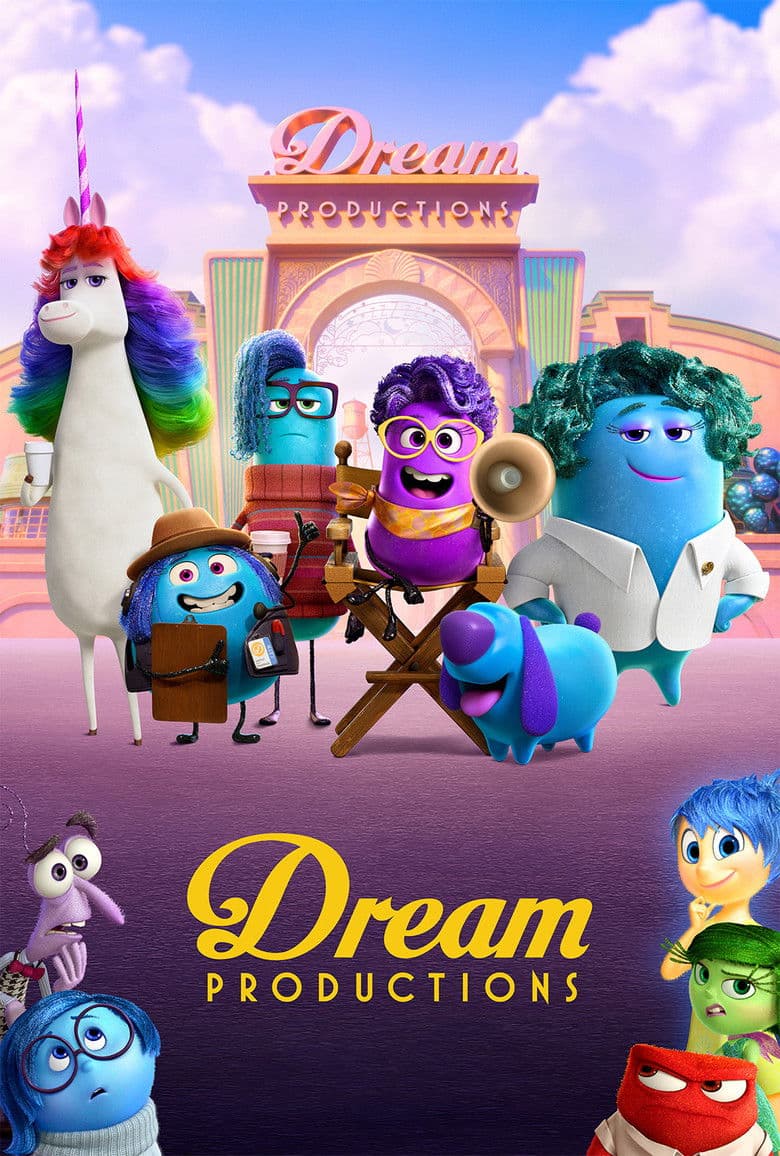
TV Show · 2024
Riley is growing up and when her memories need some extra processing, Joy and the rest of the Core Emotions send them to Dream Productions.
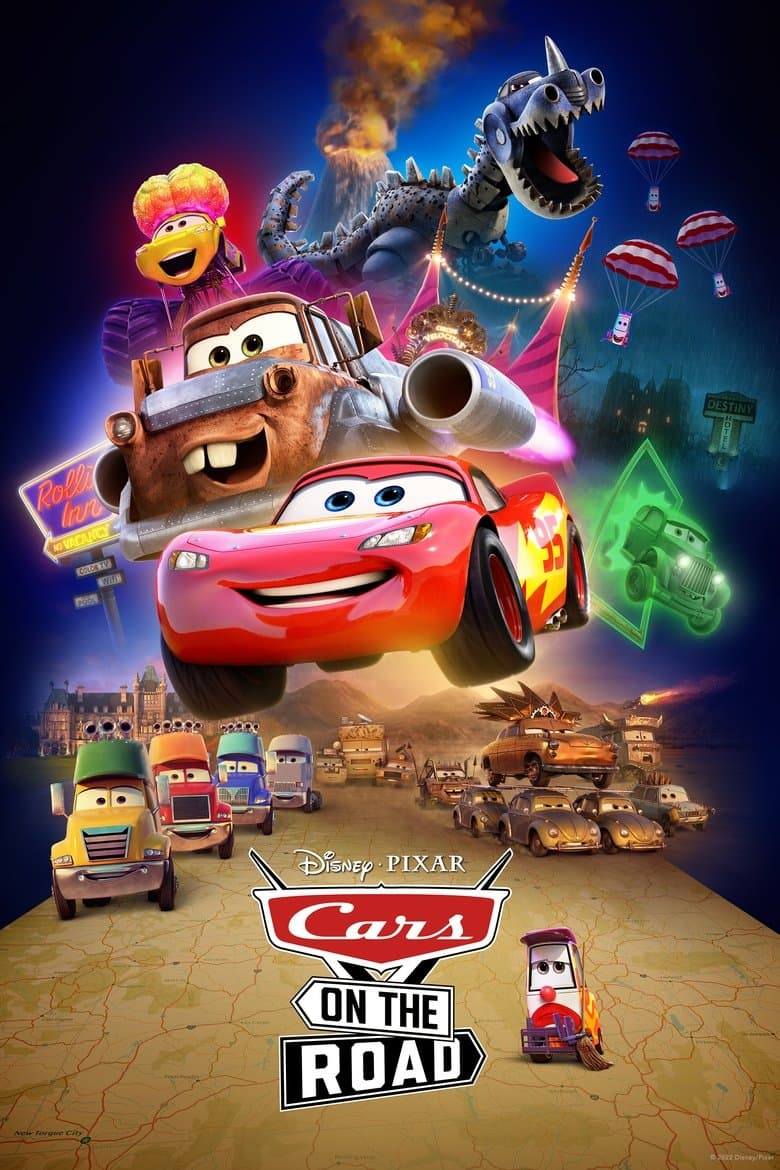
TV Show · 2022
Lightning McQueen and his best friend Mater head east from Radiator Springs on a cross-country road trip to meet up with Mater’s sister.
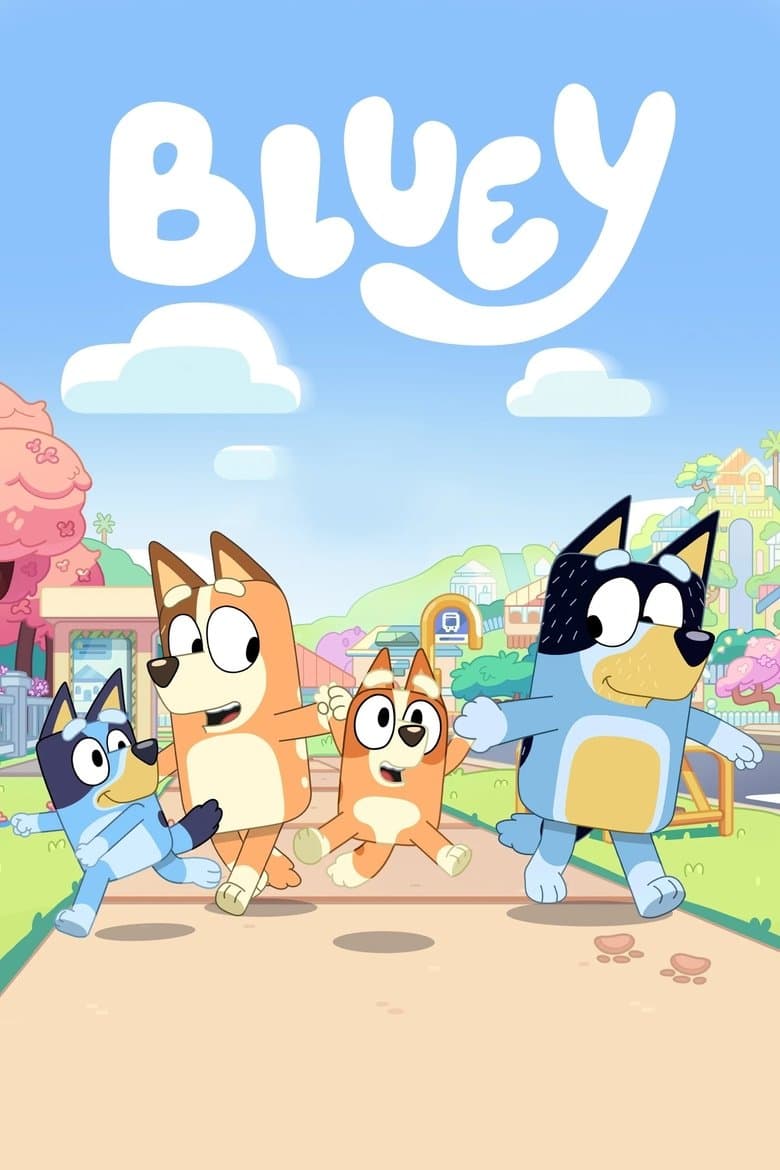
TV Show · 2018
Bluey is an inexhaustible six year-old Blue Heeler dog, who loves to play and turns everyday family life into extraordinary adventures, developing her imagination as well as her…
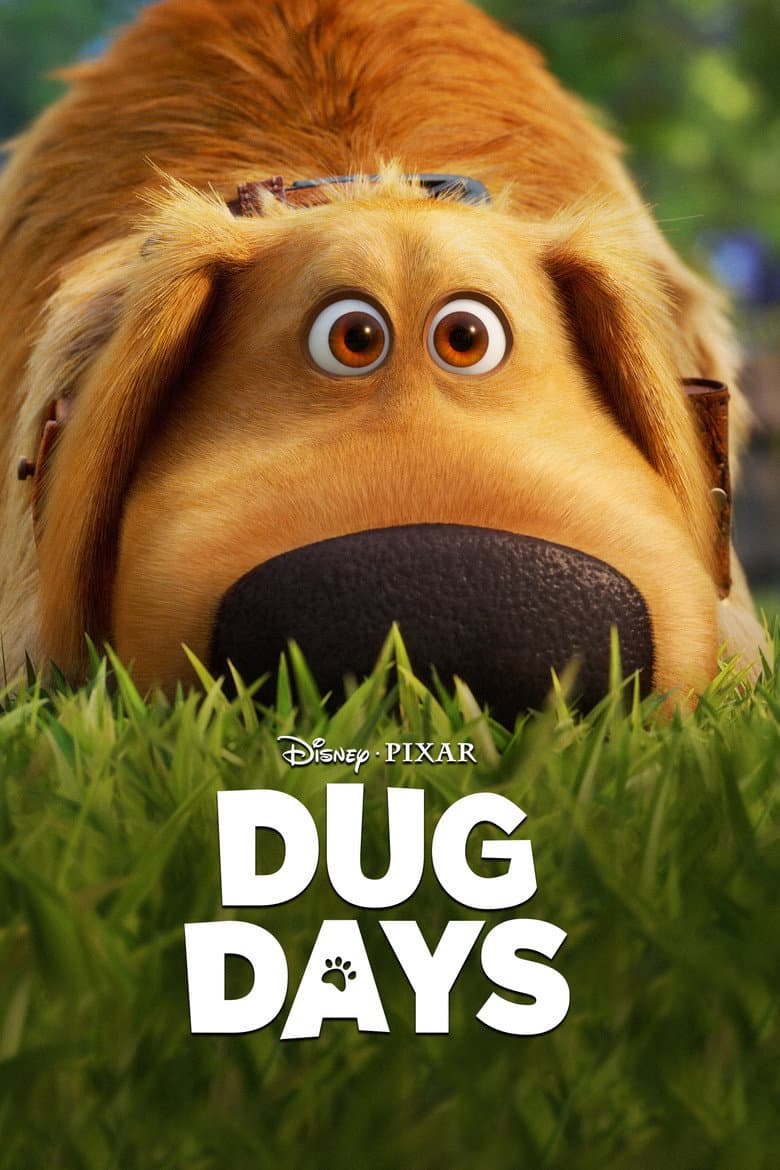
TV Show · 2021
A series of shorts that follows the humorous misadventures of Dug, the lovable dog from Disney and Pixar’s “Up.” Each short features everyday events that occur in Dug's backyard…
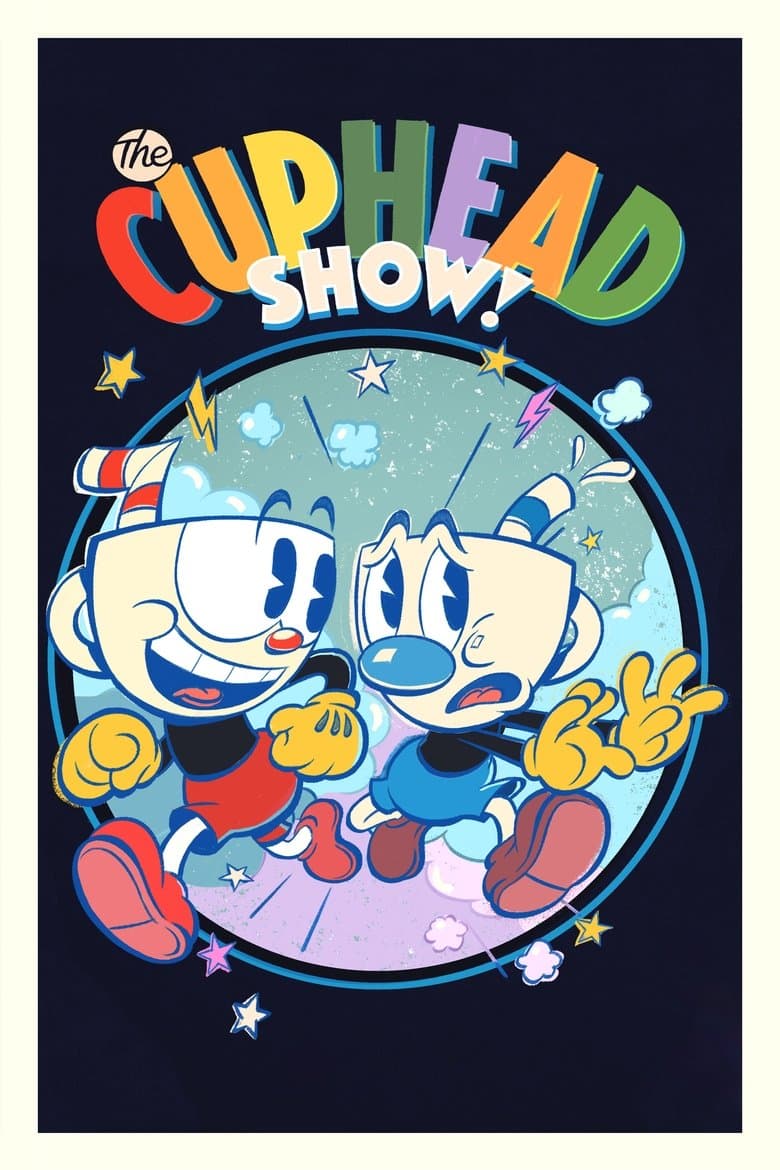
TV Show · 2022
Follow the misadventures of the impulsive Cuphead and his cautious but persuadable brother Mugman in this animated series based on the hit video game.
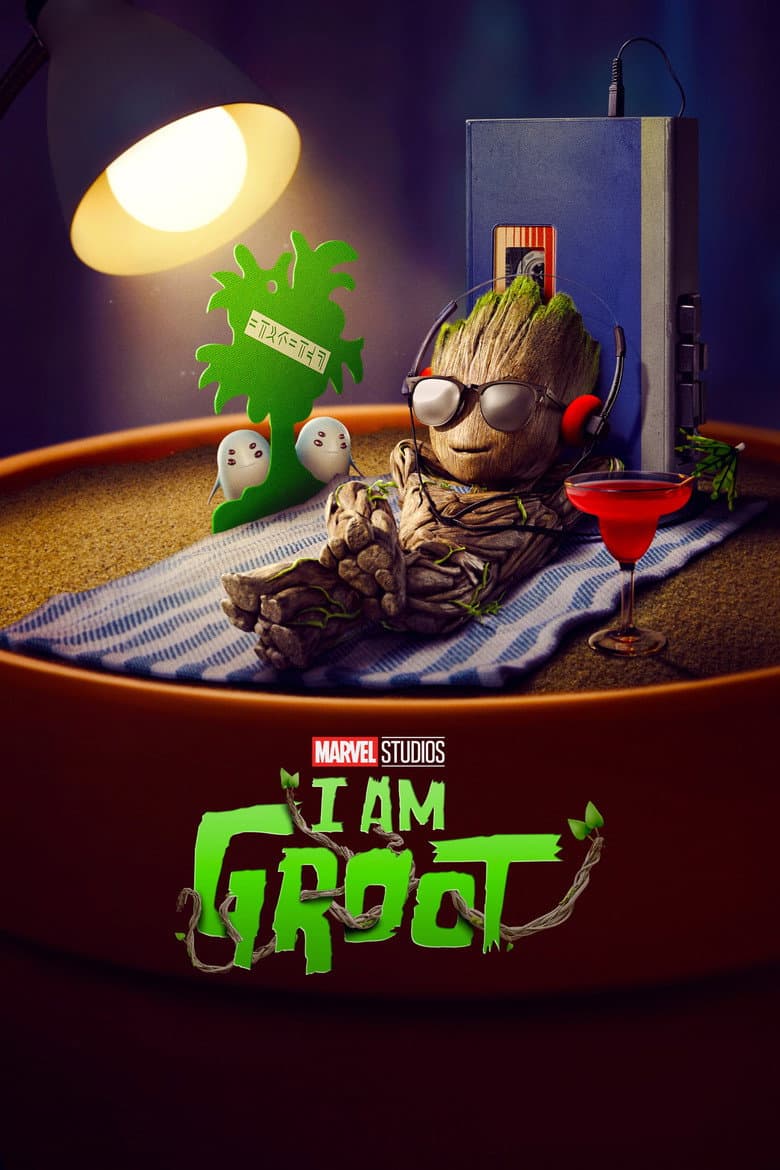
TV Show · 2022
There's no guarding the galaxy from this mischievous toddler! Get ready as Baby Groot takes center stage in his very own collection of shorts, exploring his glory days growing up…
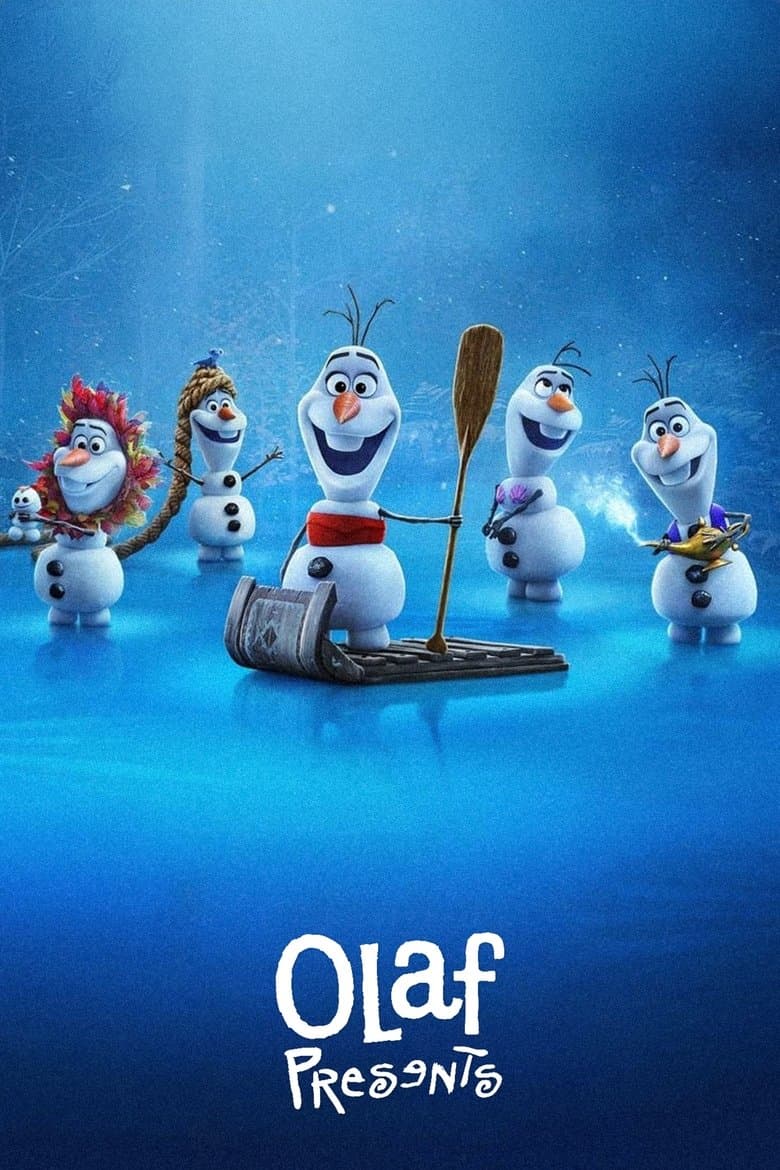
TV Show · 2021
Frozen’s beloved snowman retelling several classic Disney tales as only he can.
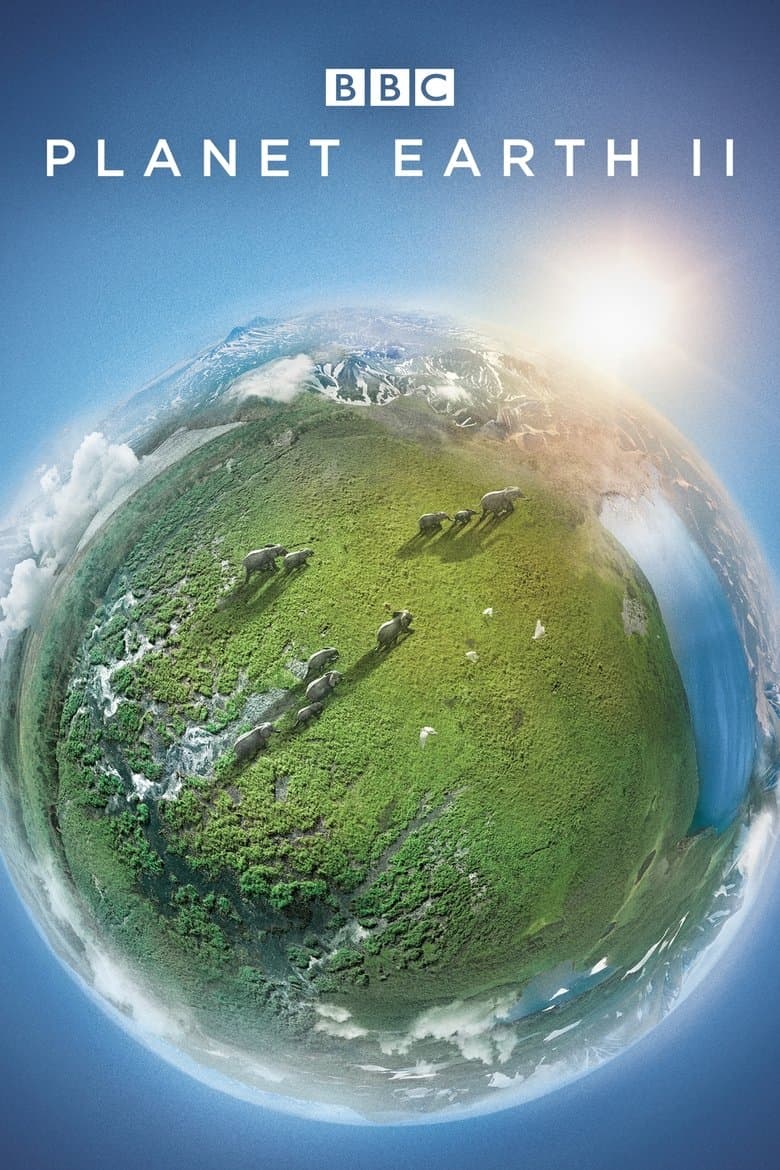
TV Show · 2016
David Attenborough presents a documentary series exploring how animals meet the challenges of surviving in the most iconic habitats on earth.
