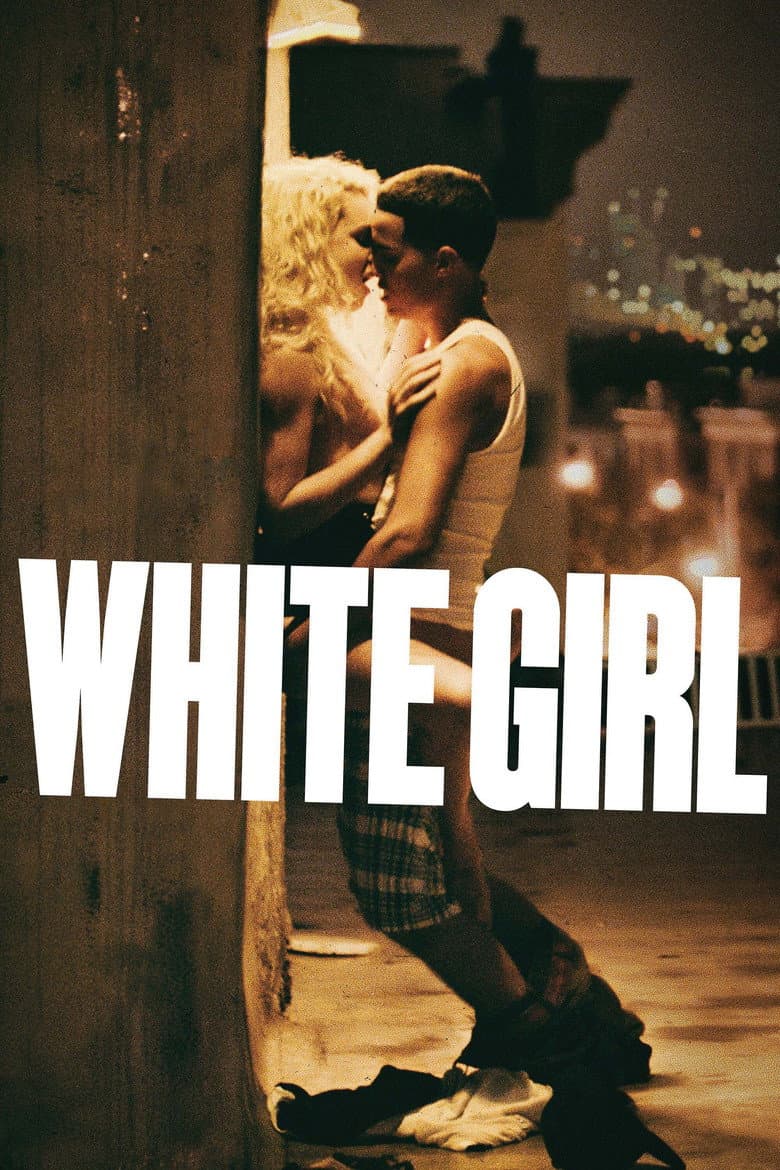
Leah is a 19-year-old college student who moves from Oklahoma to Queens for the summer before her second year. She lives with her friend Katie in a changing neighborhood and starts a fast, risky romance with Blue, a young drug dealer from the block. When police arrest Blue, Leah keeps his cocaine and tries to sell it so she can pay for his lawyer. The film has a raw, tense tone, with parties, sex, drug use, violence, and a bleak ending.
The story makes Leah’s white skin, gender, and class part of the conflict. Police let her leave while Blue is arrested, and her access to white people with money and power helps her move through danger. The film also shows gentrification, casual racism, unequal justice, male sexual pressure, and rape. Leah’s choices hurt Blue and the people around him, so the film treats her privilege as both a shield and a cause of harm.
Community feedback
Was our 65% Woke rating accurate?
Breakdown
These are the editorial factors and ratings behind our score for White Girl.
Woke representation / casting
Leah is a white college student who dates Blue, a Puerto Rican drug dealer, and his friends fill the main street group. The film makes that interracial pairing and the gap between the white newcomers and Puerto Rican residents visible. The casting fits a modern Queens story and is not presented as a diversity-first project. The race-focused pairing adds a clear identity signal, but the cast does not show an oversized representation design.
22%
Woke political dialogue
George, the lawyer, tells Leah that the justice system treats people differently by race and that white men who commit violence can fare better than non-white people charged with lesser crimes. Leah also hears lines that link her safety to being white. The film uses this race and justice talk in a major dinner scene and a few shorter moments. The dialogue is clear, but it does not fill the whole movie.
34%
Identity-driven story themes
Leah’s white privilege is a main cause of the plot because police let her leave while Blue is jailed. The story follows her use of whiteness, gender, sexuality, and money to enter spaces and escape danger. The film repeatedly shows gentrification, casual racism, unequal justice, male sexual pressure, and rape. Leah’s harm to Blue and his neighborhood makes the story a strong critique of power, even though sex and drug use take up much of the screen.
68%
Western institutional / cultural critique
The police and courts show a modern critique of unequal treatment based on race. The film shows white men using Leah’s need and intoxication for sex, including a rape by her lawyer. The story also attacks gentrification and the power gap between white newcomers and Puerto Rican residents. The film does not make Christianity, family life, or all traditional Western culture its target.
56%
Woke character or canon changes
Not relevant. The film is an original story and does not adapt established characters, a known franchise, or real historical figures. It does not change an existing character’s race, gender, sexuality, or role.
0%
Anti-woke backlash and complaints
Not present. The available X check found no reaction and no specific anti-woke complaints. Other coverage focused on sex, rape, shock, and whether the white privilege theme was shallow, not on claims that the film pushed DEI or identity politics.
0%
Creator track record context
Elizabeth Wood’s work often examines gender, sexuality, race, class, privilege, and power. Wood’s interviews about this film directly frame it as a look at white privilege, race, and gender. Christine Vachon has a strong history of queer and identity-focused independent films. The other listed producers have little public record of activist or identity-focused work, so the combined context is moderate.
48%
Production
Movie · 2019
Richard Jewell thinks quick, works fast, and saves hundreds, perhaps thousands, of lives after a domestic terrorist plants several pipe bombs and they explode during a concert…
Movie · 2022
London, 1953. Mr. Williams, a veteran civil servant, is an important cog within the city's bureaucracy as it struggles to rebuild in the aftermath of World War II.
Movie · 2020
A man refuses all assistance from his daughter as he ages and, as he tries to make sense of his changing circumstances, he begins to doubt his loved ones, his own mind and even…

Movie · 2017
Members of the Granite Mountain Hotshots battle deadly wildfires to save an Arizona town.
Movie · 2025
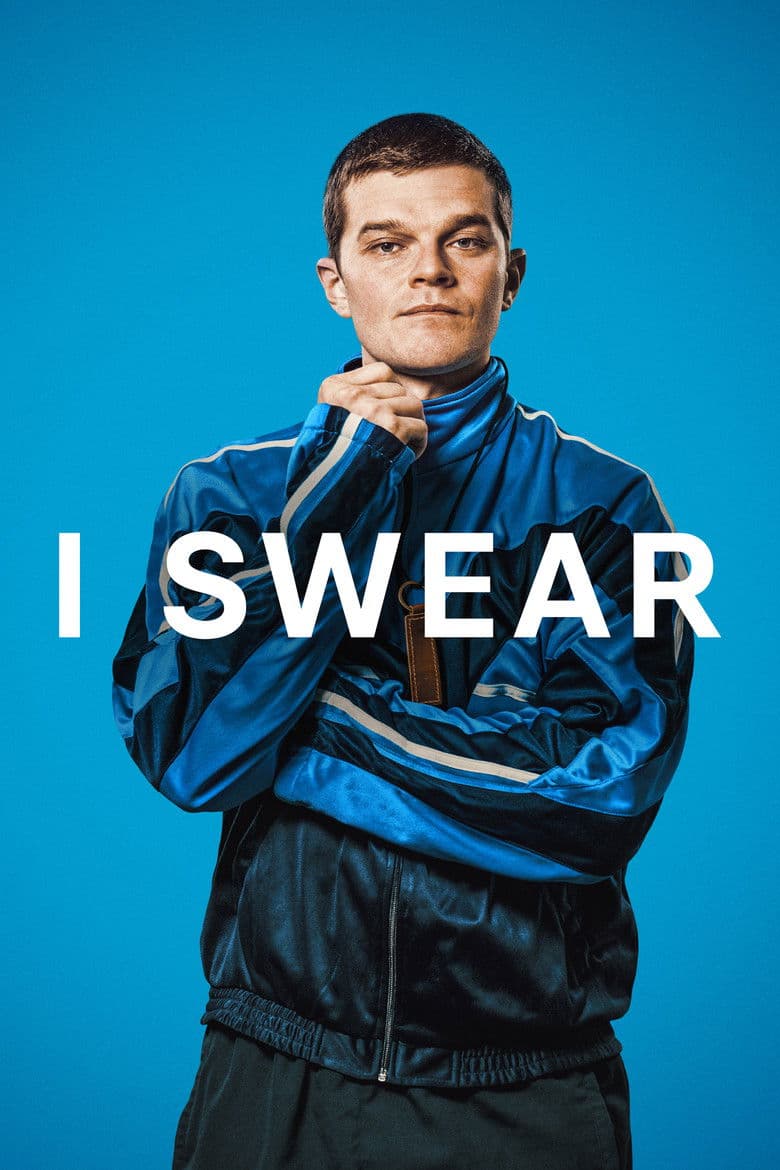
Diagnosed with Tourette Syndrome at 15, John Davidson navigates his way against the odds through troubled teenage years and into adulthood, finding inspiration in the kindness of…

Movie · 2026
While people across 1990s Iraq struggle to survive the war and food shortages, Saddam Hussein requires each school in the country to prepare a cake to celebrate his birthday.

Movie · 2022
Based on a true tragedy, the emotionally triggering film sheds light on the plight of Kashmiri Pandits (Hindus), a religious minority in the 1990s Kashmir valley, who were…

Movie · 2016
After his older brother passes away, Lee Chandler is forced to return home to care for his 16-year-old nephew.
