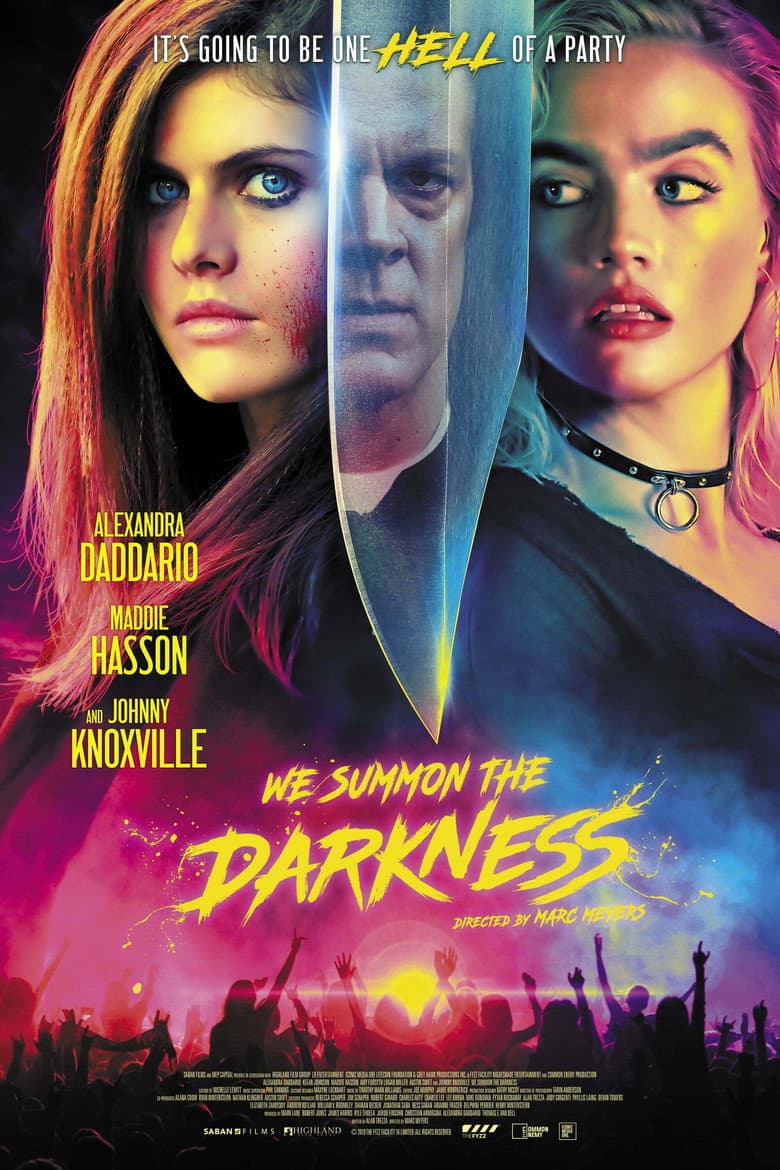
Alexis Butler drives with her friends Val and Bev to a heavy metal concert in Indiana in 1988. The girls meet three young men and invite them to a country house after the show. The night turns violent when the girls drug the men and reveal a plan to make the killings look like Satanic murders. The film mixes bloody horror, dark jokes, and a twist about fear being used as a weapon.
The story gives three young women control of most of the action, while the three male concertgoers become their trapped victims. Bev begins to question the church group that trained her, then turns against Alexis and her pastor father. The church uses fake Satanic crimes, frightened followers, and news reports to grow its power and hide stolen donations. The movie therefore has a clear female-dominance and anti-religious angle, but its main focus remains a violent 1980s Satanic Panic thriller.
Community feedback
Was our 42% Woke rating accurate?
Breakdown
These are the editorial factors and ratings behind our score for We Summon the Darkness.
Woke representation / casting
Not present. The main young group has three white women and three white men in an Indiana setting. The film does not show a diversity-first casting message or identity-based casting pattern.
0%
Woke political dialogue
Not present. The dialogue centers on Satanic panic, church fear, murder, and stolen donations. The film does not use modern identity, DEI, or activist language.
0%
Identity-driven story themes
The film puts three young women in control of the main violence. The women drug, trap, and kill the male concertgoers, while the men spend much of the second half as prisoners or targets. Bev becomes the person who breaks from the group and helps Mark survive. This recurring female-dominance pattern is central to the story, even though the film presents it as a dark horror twist rather than a modern political message.
52%
Western institutional / cultural critique
The film makes a TV preacher and his church the real source of the Satanic killings. The pastor uses fear of heavy metal to grow his congregation, steals donations, and recruits vulnerable girls. The pastor then lies to reporters and blames Satanists for the deaths. This gives the movie a strong attack on Christian religious power and fear, but it stays inside a 1988 horror story instead of arguing about current politics.
50%
Woke character or canon changes
Not relevant. The film is an original story with no established characters or source canon to change.
0%
Anti-woke backlash and complaints
Not present. Public searches and the supplied X pass found no clear anti-woke complaints. Available audience posts and reviews mostly discuss the twist, horror quality, and anti-religious plot.
0%
Creator track record context
Marc Meyers mainly makes character-driven genre films and has little public activist record. Alan Trezza mainly works in horror and dark comedy and has no substantial identity-politics record. Alexandra Daddario has a stronger representation signal in a different project, but interviews for this film focus on producing, horror-comedy, and the 1980s setting. The wider producer group has little public activist record.
15%
Production
Movie · 2018
Failed architect, engineer and vicious murderer Jack narrates the details of some of his most elaborately orchestrated crimes, each of them a towering piece of art that defines…
Movie · 2018
A teenager's quest to launch Norwegian Black Metal in Oslo in the 1990s results in a very violent outcome.
Movie · 2023
On the day of his scheduled execution, a convicted serial killer gets a psychiatric evaluation during which he claims he is a demon, and further claims that before their time is…
Movie · 2020
After a tragic turn of events at the new home he's fixing up, Daniel hears a ghostly plea for help, spurring him to seek out a famous paranormal expert.
Movie · 2017
Liam wakes from a car crash with no memory of who he is. As he makes his way into town to look for help, he finds only dead bodies, all with strange pale eyes.
Movie · 2016
While surfing on a secluded beach, Nancy finds herself in the feeding grounds of a great white shark. Though stranded only 200 yards from shore, survival proves to be the ultimate…
Movie · 2021
In the late 19th century, a brutal land baron slaughters a Roma clan, unleashing a curse on his family and village.
Movie · 2017
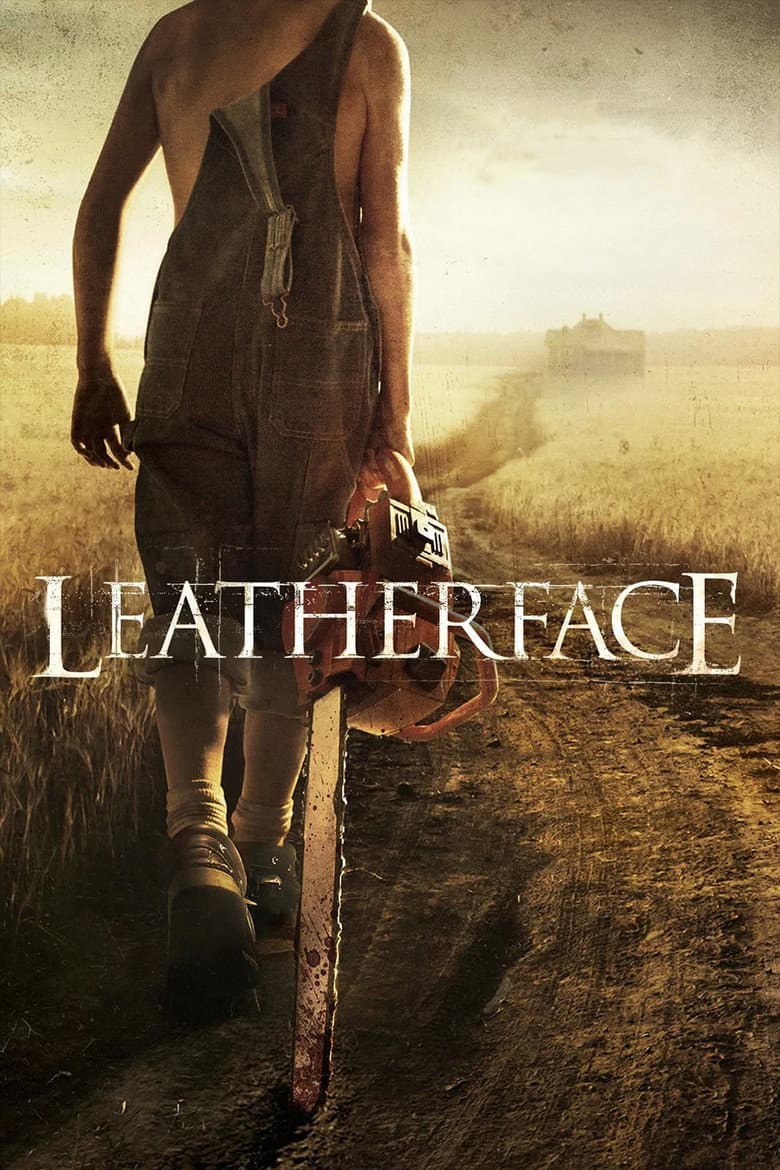
A young nurse is kidnapped by a group of violent teens who escape from a mental hospital and take her on the road trip from hell.
