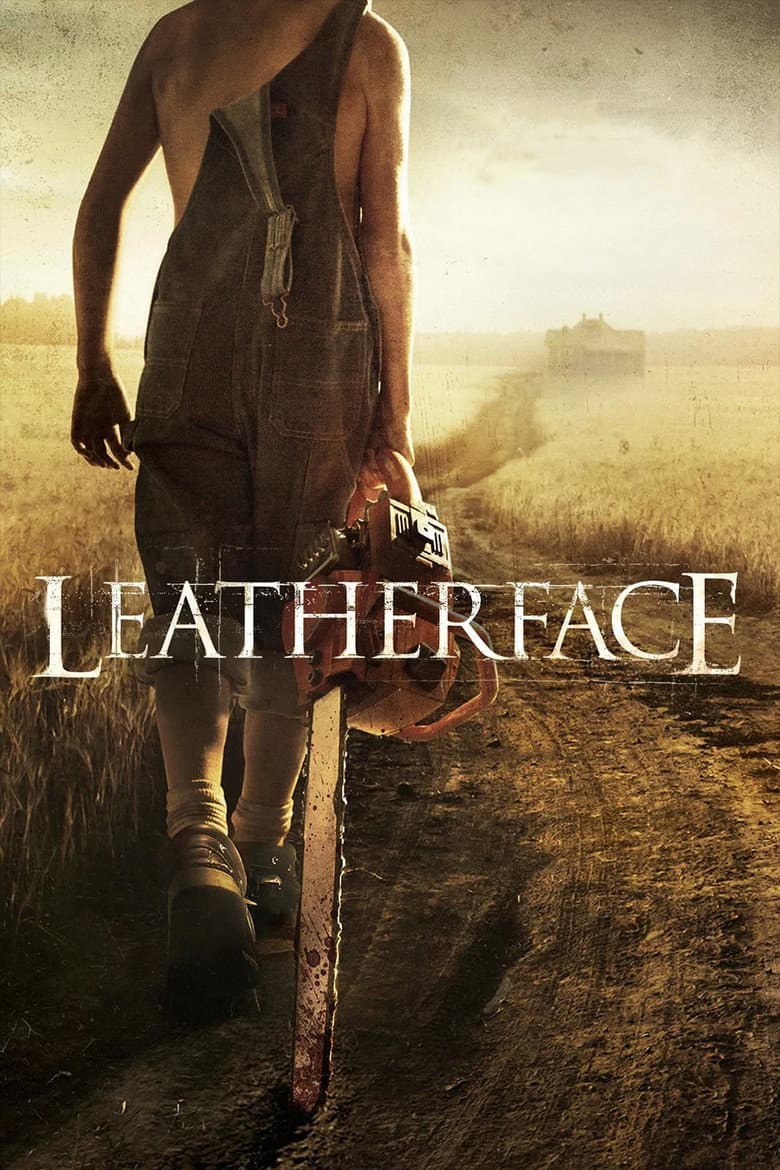
Leatherface is a bloody horror prequel set in 1960s Texas. Jackson and three other young patients escape from a mental hospital and force nurse Lizzy to travel with them. A Texas lawman hunts them because the Sawyer family killed his daughter, but his revenge slowly makes him cruel too. The trip leads Jackson back to his family and turns him into the masked killer known as Leatherface.
The film gives the Sawyer family a powerful mother who treats violence as love and duty. It also follows Lizzy, a caring nurse who tries to protect the patients while violent men control the chase. The story presents Jackson as a damaged young man whose name, body, and mind are changed by family abuse, prison violence, and betrayal. The film keeps its attention on family loyalty, revenge, trauma, and the making of a monster.
Community feedback
Was our 2% Woke rating accurate?
Breakdown
These are the editorial factors and ratings behind our score for Leatherface.
Woke representation / casting
Not present. The film does not make casting or gender roles into a modern identity message. Its prominent women serve the family, survival, and horror plot.
0%
Woke political dialogue
Not present. The characters talk about escape, murder, family loyalty, revenge, and survival. They do not give speeches about current politics or social causes.
0%
Identity-driven story themes
Not present. Jackson's name and identity change because of foster care, family abuse, injury, and trauma. The story uses those events to build a horror monster, not to argue about race, sex, or modern identity politics.
0%
Western institutional / cultural critique
Not present. The mental hospital, police force, and Sawyer family all act violently, but the movie uses them as parts of a revenge horror story. It does not build a modern critique of Western institutions, family roles, religion, or capitalism.
0%
Woke character or canon changes
Not relevant. The prequel changes Leatherface's origin and explains his injury and mask. Those are ordinary franchise story changes, and the film does not recast them as identity or DEI politics.
0%
Anti-woke backlash and complaints
Not present. Viewers mainly complain about the twist, the poor writing, the violence, and the film's fit with the series. The complaints do not target woke, DEI, or identity politics messaging.
0%
Creator track record context
The directors and Seth M. Sherwood have no documented activist or identity-driven record in the supplied context. Tobe Hooper's earlier work had mild classical left commentary about Watergate, capitalism, and consumerism. The other supplied creators have low or no such record.
10%
Production

Movie · 2018
A thief makes a disturbing discovery in the house where he breaks in. Later, when he returns to the same house with his partner in crime, things are no longer how he expected.
Movie · 2019
In New York, former convict Pete Koslow, related to the Polish mafia, must deal with both Klimek the General, his ruthless boss, and the twisted ambitions of two federal agents…

Movie · 2017
A newly-released prison gangster is forced by the leaders of his gang to orchestrate a major crime with a brutal rival gang on the streets of Southern California.
Movie · 2017
The story of the kidnapping of 16-year-old John Paul Getty III and the desperate attempt by his devoted mother to convince his billionaire grandfather Jean Paul Getty to pay the…
Movie · 2024
While awaiting the next fuel truck at a middle-of-nowhere Arizona rest stop, a traveling young knife salesman is thrust into a high-stakes hostage situation by the arrival of two…

Movie · 2018
Failed architect, engineer and vicious murderer Jack narrates the details of some of his most elaborately orchestrated crimes, each of them a towering piece of art that defines…
Movie · 2019
A charismatic New York City jeweler always on the lookout for the next big score makes a series of high-stakes bets that could lead to the windfall of a lifetime.
Movie · 2016
Two high school filmmakers decide to create the illusion of a haunting on an unsuspecting neighbor.
