
Movie review
October 4, 2018 · 152 min · R · Horror · Crime · Thriller · Drama
Failed architect Jack tells a guide named Verge about five murders he commits in Washington state in the late 1970s and 1980s. He treats his crimes like art and the story follows a path like Dante’s Inferno. The film is bleak psychological horror about evil, obsession, and the myth of the killer as artist. It is not a story about identity politics or modern social causes.
What people saw on screen was graphic violence and cruelty, not diversity messaging or activist speech. Gender violence and male entitlement show up as horror material rather than as a campaign for social justice. One scene shows police brushing off a woman’s plea before Jack hurts her badly. Public anger focused on gore, walkouts, and claims of misogyny, not on DEI or woke propaganda.
Community feedback
Was our 11% Woke rating accurate?
Breakdown
These are the editorial factors and ratings behind our score for The House That Jack Built.
Woke representation / casting
Not present. The lead is a white male serial killer and most victims are white women in a late 1970s and 1980s Pacific Northwest setting. The film does not use diversity-first casting or girlboss heroes. It also does not market itself around identity statements.
0%
Woke political dialogue
Not present. Talk centers on art, evil, architecture, and hell. Jack’s rant that men are born guilty is misogynistic killer talk, not activist speech. There is no social-justice or identity-politics advocacy in the dialogue.
0%
Identity-driven story themes
The main story is serial murder treated as art and a descent into hell. Gender violence and male entitlement appear as horror content. Any toxic-masculinity reading is a light critical overlay, not an activist identity narrative.
8%
Western institutional / cultural critique
Police dismiss Jacqueline’s plea before Jack mutilates her. Some viewers see male entitlement and failed protection of women. The film is not built as a modern systemic attack on Western institutions or conservatism.
12%
Woke character or canon changes
Not relevant. This is an original story. It is not an identity-driven rewrite of established characters or history.
0%
Anti-woke backlash and complaints
Not present. Public debate was about gore, animal cruelty, and alleged misogyny. Much of that criticism came from left or feminist views that the film is regressive. There was no real anti-woke campaign about DEI or propaganda.
0%
Creator track record context
Von Trier and related creators show little identity-politics activism. His work is dark provocation and taboo subjects. Mild left cultural comments like “Homo trumpus” do not add up to a DEI-driven career pattern.
14%
Production
Movie · 2019
In New York, former convict Pete Koslow, related to the Polish mafia, must deal with both Klimek the General, his ruthless boss, and the twisted ambitions of two federal agents…
Movie · 2019
A young agent is tasked with investigating a tangled web of corruption and fraud in New York.
Movie · 2017
The story of the kidnapping of 16-year-old John Paul Getty III and the desperate attempt by his devoted mother to convince his billionaire grandfather Jean Paul Getty to pay the…

Movie · 2022
After escaping a Michigan prison, a charming career criminal assumes a new identity in Canada and goes on to rob a record 59 banks and jewellery stores while being hunted by a…
Movie · 2021
When a man's only son goes missing, he travels to the town where his ex-wife lives in search of answers. [To play a man whose life is clouded by mystery, McAvoy will not be given…
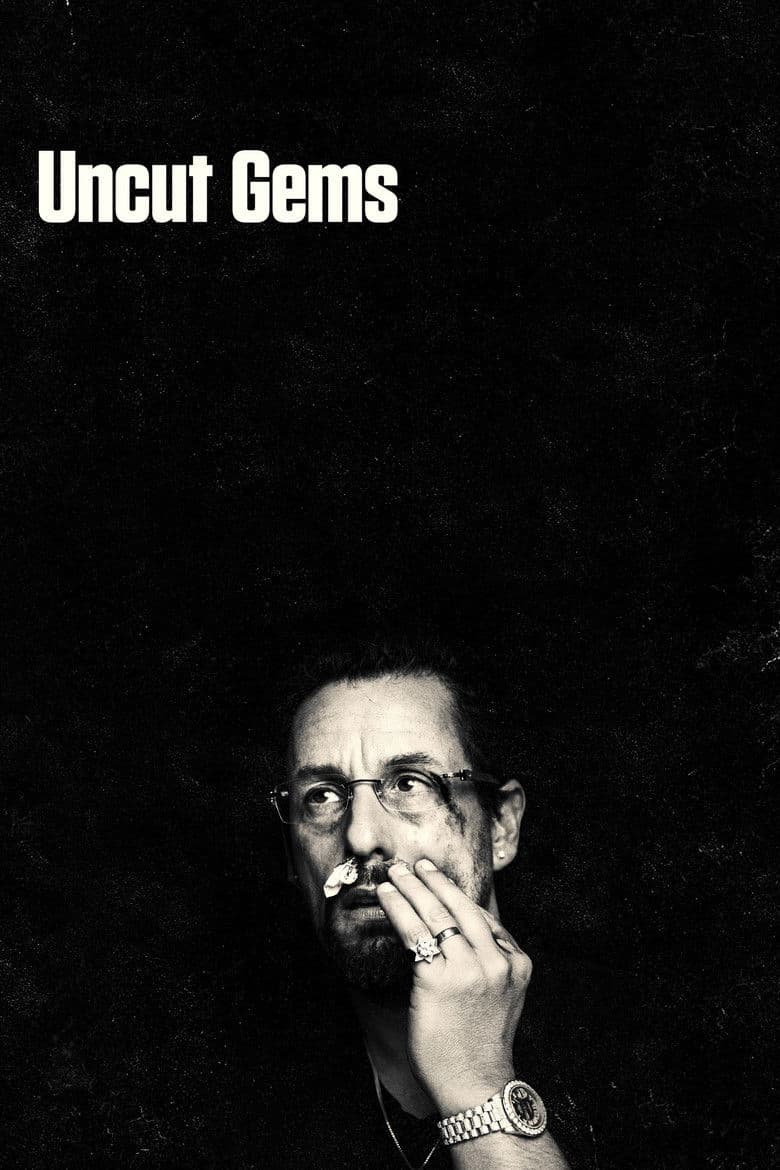
Movie · 2019
A charismatic New York City jeweler always on the lookout for the next big score makes a series of high-stakes bets that could lead to the windfall of a lifetime.
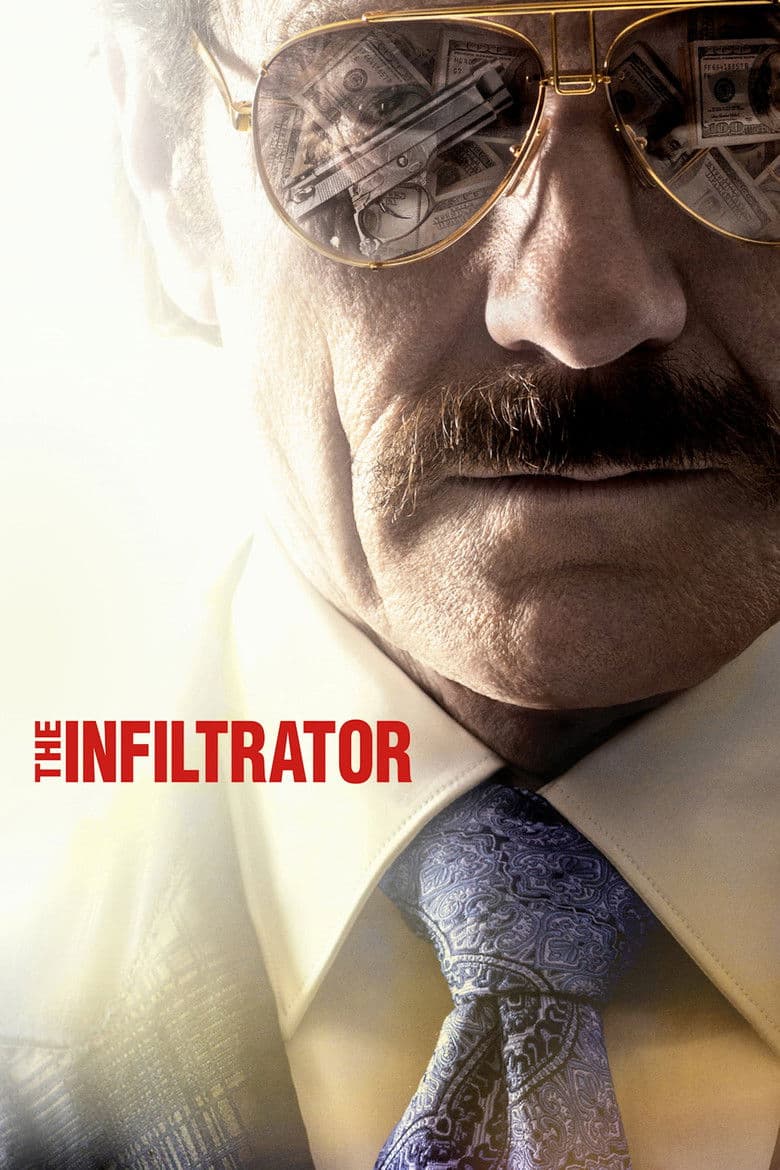
Movie · 2016
A U.S Customs official uncovers a massive money laundering scheme involving Pablo Escobar.
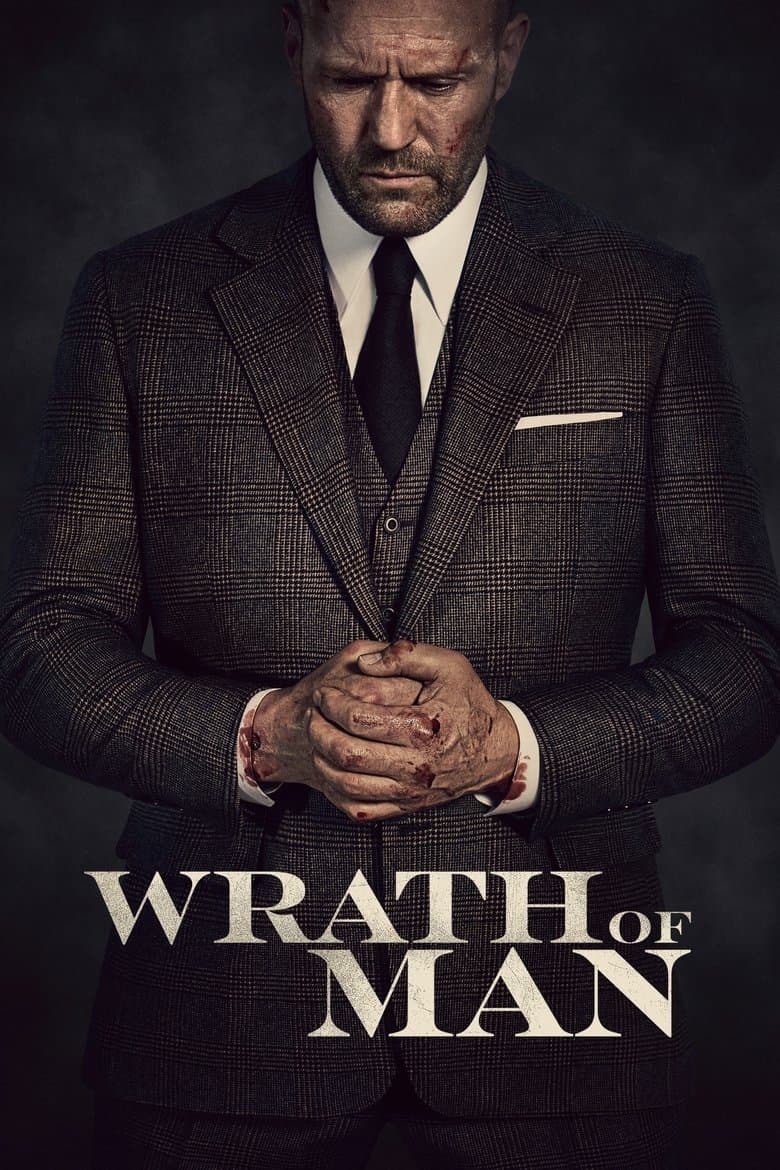
Movie · 2021
A cold and mysterious new security guard for a Los Angeles cash truck company surprises his co-workers when he unleashes precision skills during a heist.
