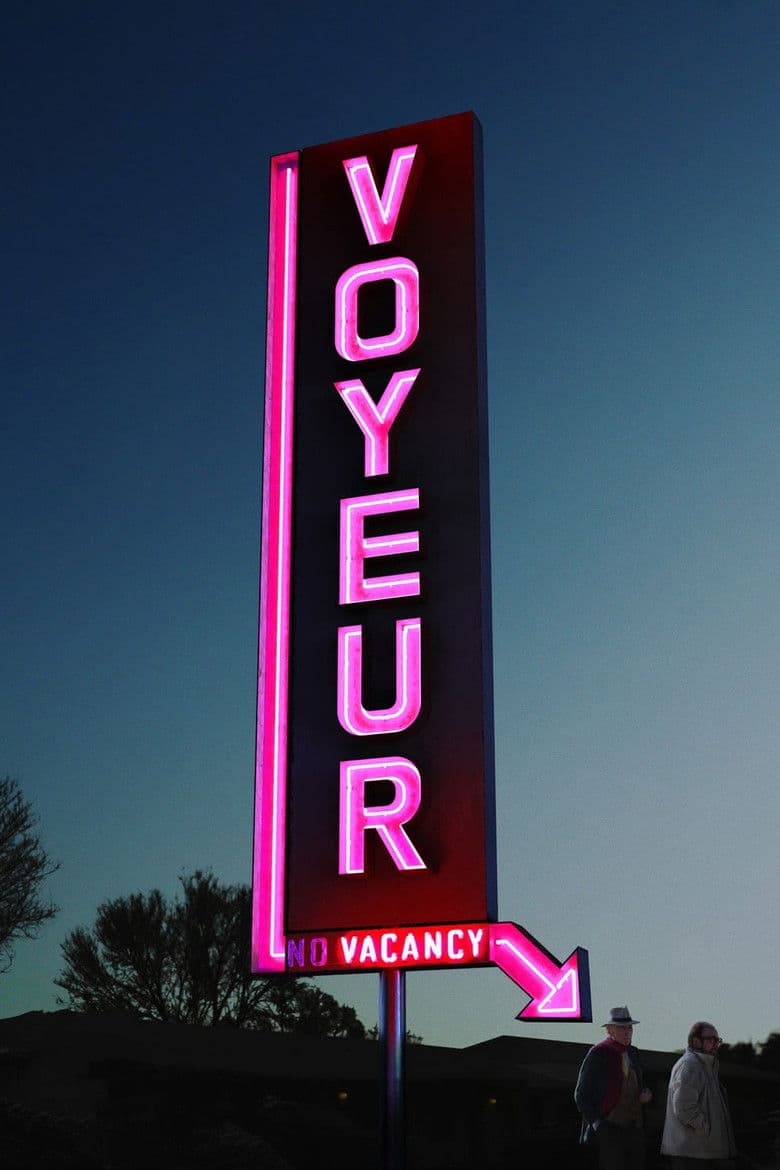
Voyeur follows veteran journalist Gay Talese as he returns to a strange story from his past. Gerald Foos owned a Colorado motel with a hidden space above the rooms, where he watched guests and recorded their private lives. Talese sees Foos as a major story, but their friendship becomes tangled with fame, sex, and trust. The film has a dark and uneasy tone as the book faces questions about truth, privacy, and harm to people who never agreed to be watched.
The film includes accounts of sexual behavior among guests, including a brief story about two men in a room and race labels in Foos's notes. Foos calls his spying research, while Talese treats it as a major story about private life. Anita Foos calls the spying creepy, while Talese's editors question Foos's claims. The story asks whether a famous writer can stay honest when a strange source offers him fame.
Community feedback
Was our 11% Woke rating accurate?
Breakdown
These are the editorial factors and ratings behind our score for Voyeur.
Woke representation / casting
Not present. The documentary follows the real people at the center of the story, mainly Gay Talese and Gerald Foos. It does not present a diversity-first cast or an identity statement about who appears.
0%
Woke political dialogue
Not present. The spoken discussion centers on voyeurism, sex, journalism, and truth. The film does not use identity, DEI, or activist talking points.
0%
Identity-driven story themes
Not present. The film includes a brief story about two men having sex and other guest descriptions. Those details serve Foos's spying story, while the main conflict concerns privacy, fame, and unreliable reporting.
0%
Western institutional / cultural critique
The film shows Foos treating unconsenting guests as material for his own pleasure and research. Anita calls him a creep, and the film questions Talese's choice to treat the crime as a great story. This is a brief critique of male sexual entitlement, while the main focus stays on privacy and journalism.
10%
Woke character or canon changes
Not relevant. The film follows real people and does not change an established character, real figure, or source identity.
0%
Anti-woke backlash and complaints
Not present. The supplied X search found no anti-woke reaction. Other public comments focused on voyeurism, consent, and journalism rather than woke or DEI messaging.
0%
Creator track record context
Josh Koury and Myles Kane have low scores and no clear activist profile. Several producers have stronger social-impact records tied to gender, race, immigration, sexuality, or access for women filmmakers. Other producers have broader documentary careers with only mild political signals. This gives the creative team a moderate background signal, while the film itself stays focused on a strange crime and a reporting scandal.
30%
Production

Movie · 2022
When the young founder of a collapsing cryptocurrency exchange dies unexpectedly, irate investors suspect there's more to his death than meets the eye.

Movie · 2024
In this twisting documentary, a mechanic tries online dating for the first time and meets a woman who takes romantic obsession to a deadly extreme.
Movie · 2023
After Kai saves a woman's life, he turns into an overnight hero and viral sensation — until disturbing truths about his erratic behavior come to light.
Movie · 2026
A teen slams her car into a building, killing her boyfriend and his friend. What seems like a tragic accident becomes a murder case.
Movie · 2017
A family falls prey to the manipulative charms of a neighbor, who abducts their adolescent daughter. Twice.
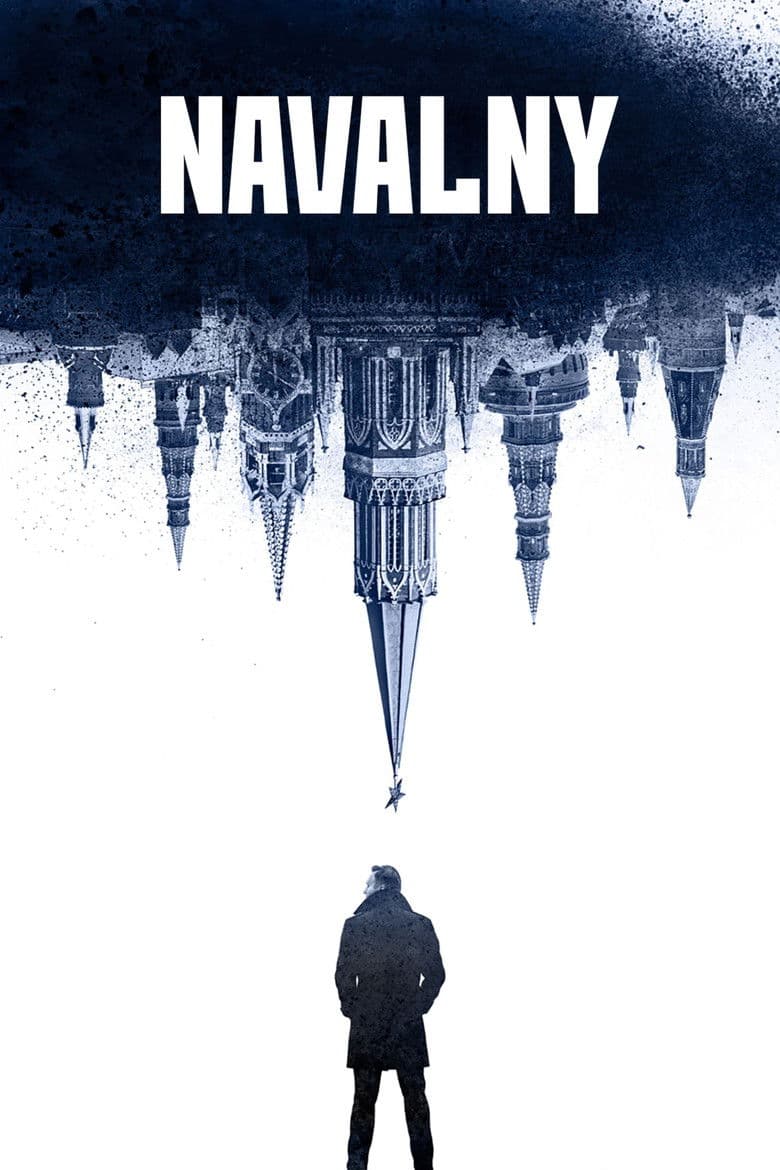
Movie · 2022
Follows the man who survived an assassination attempt by poisoning with a lethal nerve agent in August 2020. During his months-long recovery, he makes shocking discoveries about…
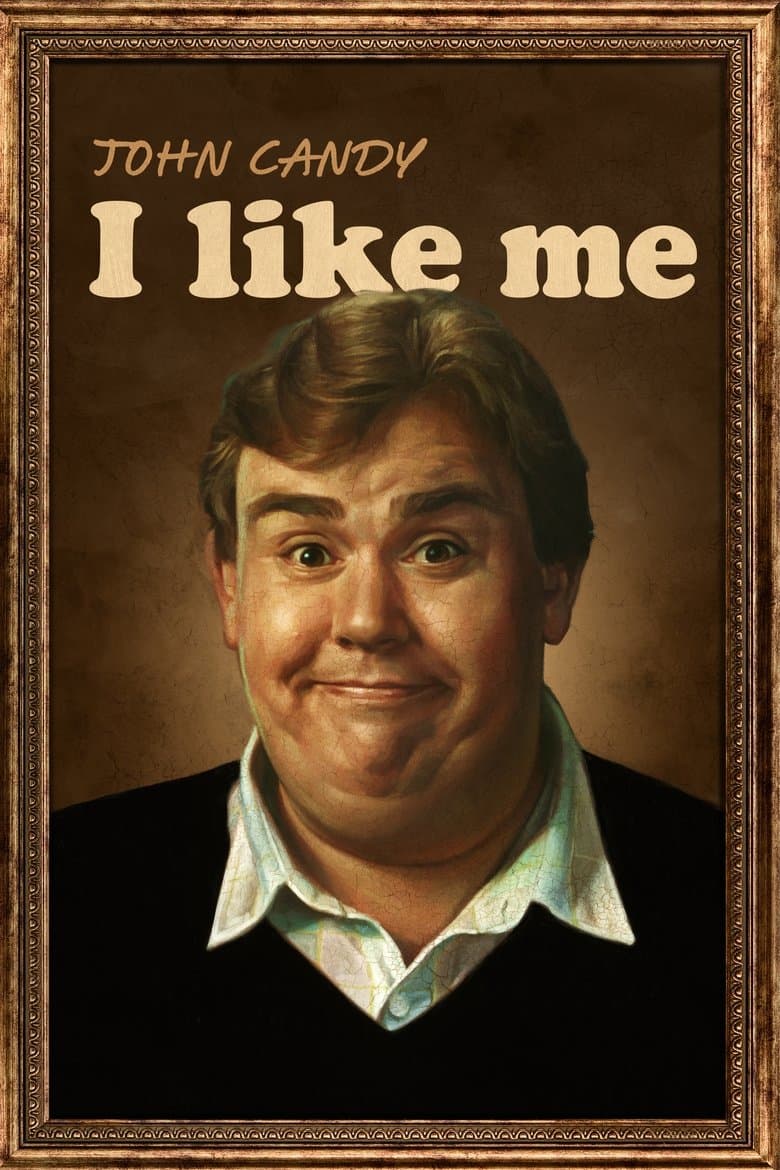
Movie · 2025
Those who knew iconic funnyman John Candy best share his story, in their own words, through never-before-seen archival footage, imagery, and interviews.
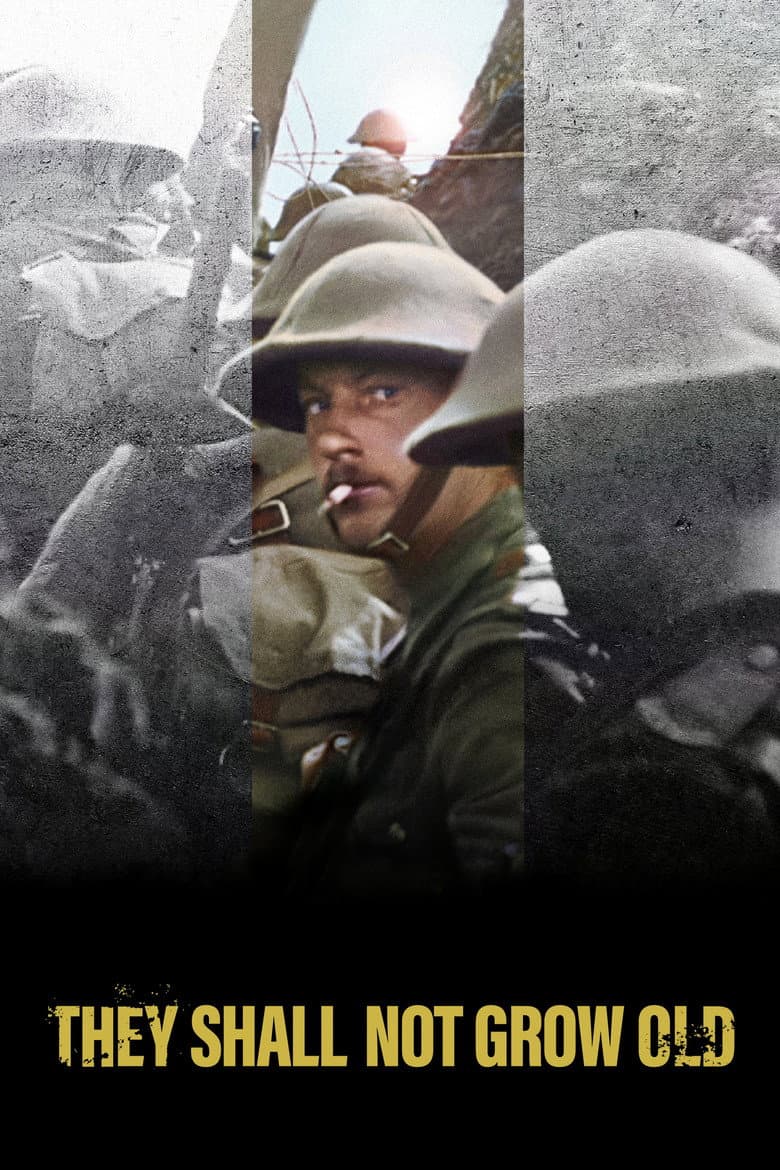
Movie · 2018
A documentary about World War I with never-before-seen footage to commemorate the centennial of Armistice Day, and the end of the war.
