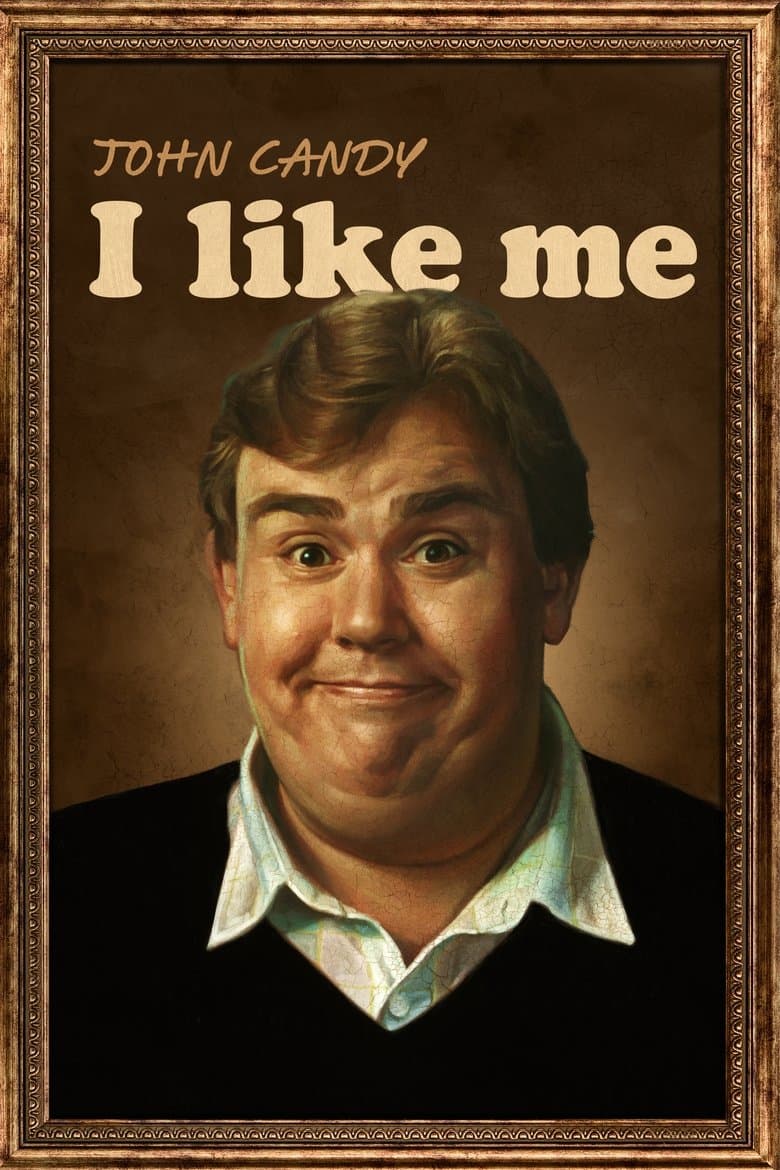
John Candy: I Like Me follows the Canadian comedian from his early work in Toronto to his Hollywood fame in the 1980s and early 1990s. The film uses interviews, home videos, photos, old shows, and movie clips to tell the story of a son, husband, father, friend, and star. Its central conflict is Candy’s effort to make other people happy while carrying grief, fear, health problems, and pressure from work. The tone is warm and funny, but it becomes sad as the film looks at his death at age 43.
The documentary gives clear attention to the way reporters mocked Candy’s size and how those comments hurt his confidence. It also follows the early death of his father, Candy’s anxiety and panic attacks, drinking and smoking, and his late attempt to face these problems in therapy. His family and friends present kindness, loyalty, love for family, and care for other people as the main lessons of his life. The film is mainly a personal tribute about grief, friendship, work, and the cost of hiding pain behind a smile.
Community feedback
Was our 2% Woke rating accurate?
Breakdown
These are the editorial factors and ratings behind our score for John Candy: I Like Me.
Woke representation / casting
Not present. The documentary uses real people as themselves and archival footage. It does not show a diversity-focused casting pattern or identity statement.
0%
Woke political dialogue
Not present. The interviews discuss Candy’s work, family, health, grief, and career pressure. The film does not center modern activist or party politics.
0%
Identity-driven story themes
Not present. The documentary presents weight, anxiety, and grief as personal parts of Candy’s life. It does not turn them into an identity-driven political message.
0%
Western institutional / cultural critique
Not present. The documentary shows media and work pressure on Candy as parts of his biography. It does not turn them into a modern activist attack on Western institutions, family life, religion, or men.
0%
Woke character or canon changes
Not relevant. The film is a documentary about the real John Candy and his recorded career. It does not present an identity-based rewrite of his life or established characters.
0%
Anti-woke backlash and complaints
Not present. The separate X research found no anti-woke complaints, campaigns, or review-bombing. Other coverage focused on nostalgia, grief, and whether the tribute was too soft.
0%
Creator track record context
Most key creators have little public record of activist or identity-driven work. Ryan Reynolds has made Democratic donations and given money to racial-justice and immigrant-child groups. Ashley Fox, George Dewey, Patrick Gooing, and Glen Zipper have some feminist, DEI, or social-justice work in their past credits. The film itself does not use that background to push a political message.
12%
Production
Movie · 2022
An enchanting making-of story told through all-new in-depth interviews and cast conversations, inviting fans on a magical first-person journey through one of the most beloved film…
Movie · 2023
A courageous pastor uses his underground network to rescue and aid North Korean families as they risk their lives to embrace freedom.
Movie · 2016
Werner Herzog's exploration of the Internet and the connected world.
Movie · 2020
With this inventive portrait, director Kirsten Johnson seeks a way to keep her 86-year-old father alive forever.
Movie · 2023
The remarkable coming-of-age story of Stephen Curry—one of the most influential, dynamic, and unexpected players in basketball history—and his rise from an undersized college…
Movie · 2021
Bob Ross brought joy to millions as the world's most famous art instructor. But a battle for his business empire cast a shadow over his happy trees.

Movie · 2022
After years in the limelight, Selena Gomez achieves unimaginable stardom. But just as she reaches a new peak, an unexpected turn pulls her into darkness.
Movie · 2016
No other band in rock'n'roll history has rivaled The Stooges' combination of heavy primal throb, spiked psychedelia, blues-a-billy grind, complete with succinct angst-ridden…
