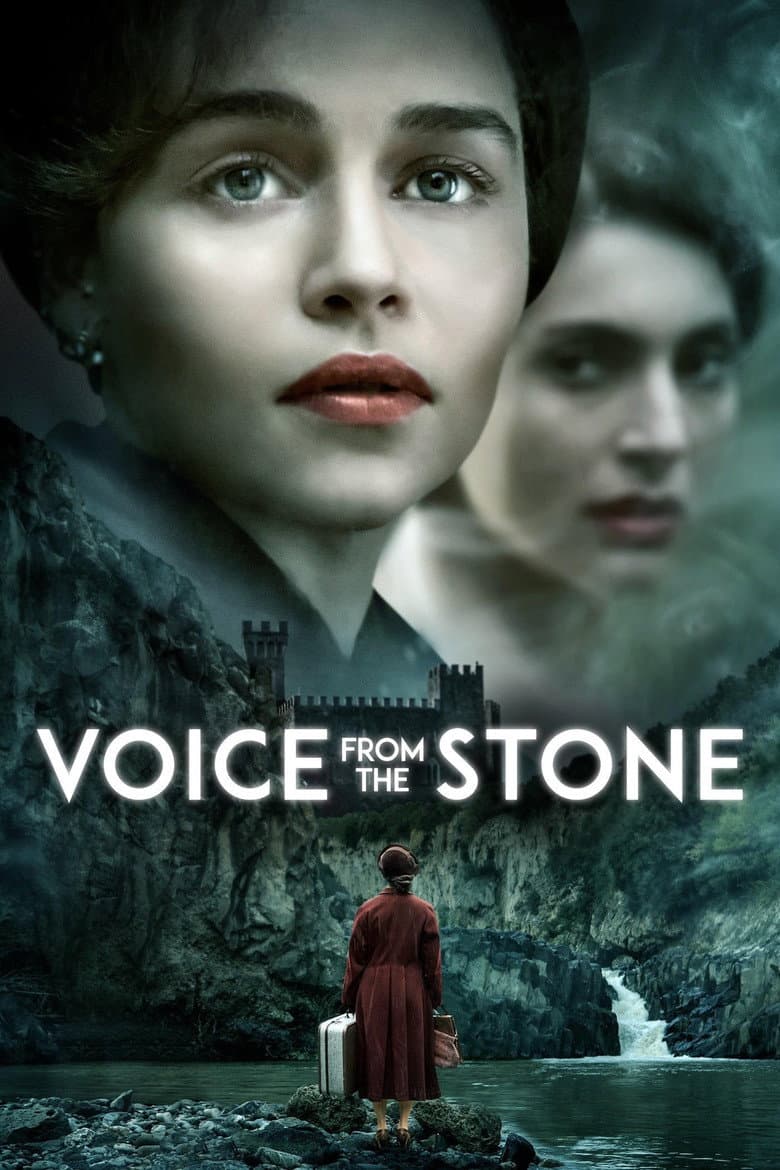
Voice from the Stone follows Verena, a British nurse who travels to a large home in 1950s Tuscany. She is hired to help Jakob, a boy who stopped speaking after his mother died. Jakob says he hears his mother's voice inside the stone walls, while his father Klaus hides parts of the family's past. The film has a slow, dark, and dreamlike tone, with ghost story, family drama, and romance elements.
The story centers on grief, memory, and the bond between a child and his dead mother. Verena tries to bring Jakob back to normal life, but the house pulls her into the same mystery. She also grows close to Klaus after he sees her as a reminder of his wife. The film treats love, motherhood, fear, and loss as private family matters, and the old stone house gives those feelings a ghostly shape.
Community feedback
Was our 1% Woke rating accurate?
Breakdown
These are the editorial factors and ratings behind our score for Voice from the Stone.
Woke representation / casting
Not present. The movie uses a small European cast in a Tuscan setting. Verena is written as British, which matches Emilia Clarke.
0%
Woke political dialogue
Not present. The dialogue deals with grief, silence, memory, fear, and the strange voice in the walls. It contains no modern identity, DEI, or activist message.
0%
Identity-driven story themes
Not present. Verena's role as a nurse and helper supports the plot. Her story is about grief, desire, and a haunted family, not gender identity, race, sexuality, or social activism.
0%
Western institutional / cultural critique
Not present. The wealthy family, old estate, and quarry create the setting for a ghost story. The movie does not use them for a modern attack on family life, men, religion, capitalism, or Western culture.
0%
Woke character or canon changes
Not relevant. The film adapts Silvio Raffo's novel, but no identity-based change to an established character, source event, or real person is reported.
0%
Anti-woke backlash and complaints
Not present. No anti-woke backlash is documented in the reviewed coverage. The supplied X check found no anti-woke posts, and other reactions focus on pacing, scares, atmosphere, and romance.
0%
Creator track record context
Howell's earlier short Ana's Playground raised money and awareness for children affected by war and violence. That is a mild social cause signal, not identity-politics activism. The available writer, producer, and casting records show little DEI advocacy or representation-first work. Howell's interviews about this film focus on love, grief, fear, and family.
4%
Production
Movie · 2019
A woman grieving over the death of her daughter loses grip of reality when she begins to think her girl may still be alive.
Movie · 2018
Over the course of 12 years, and three stages of life, Sidney Hall falls in love, writes the book of a generation and then disappears without a trace.
Movie · 2021
A truffle hunter who lives alone in the Oregon wilderness must visit Portland to find the mysterious person who stole his beloved foraging pig.
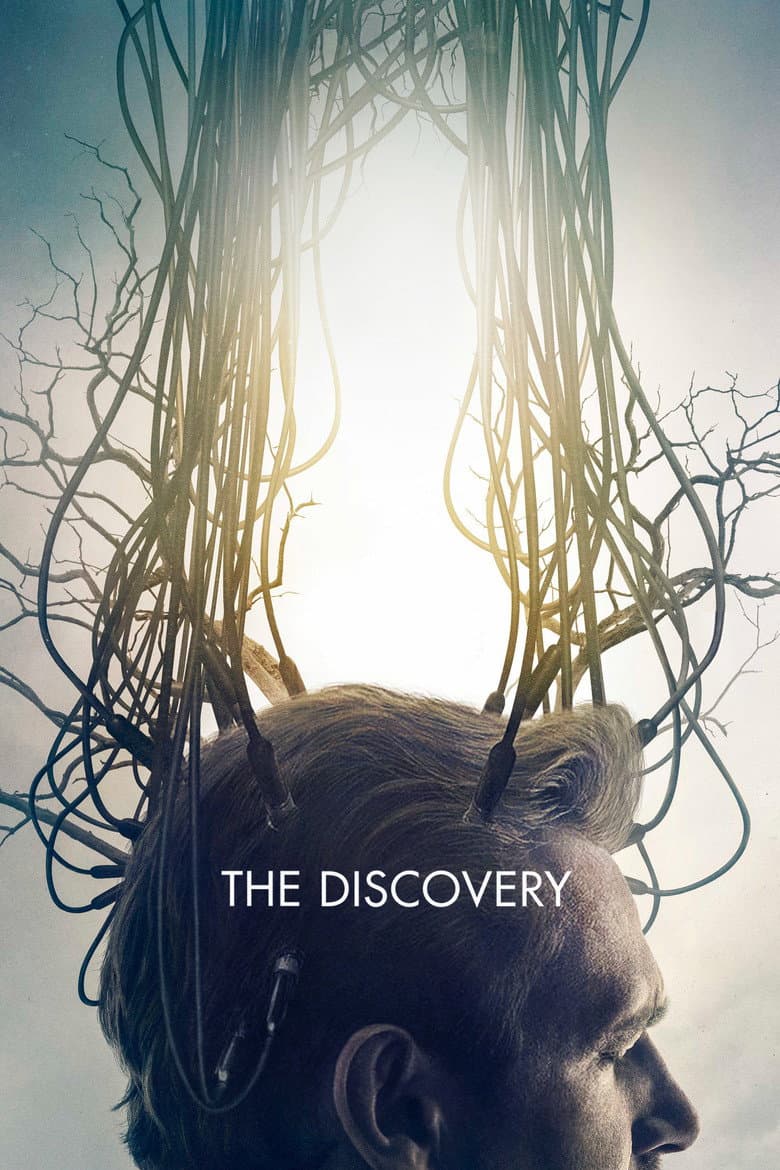
Movie · 2017
In the near future, due to a breakthrough scientific discovery by Dr. Thomas Harbor, there is now definitive proof of an afterlife.
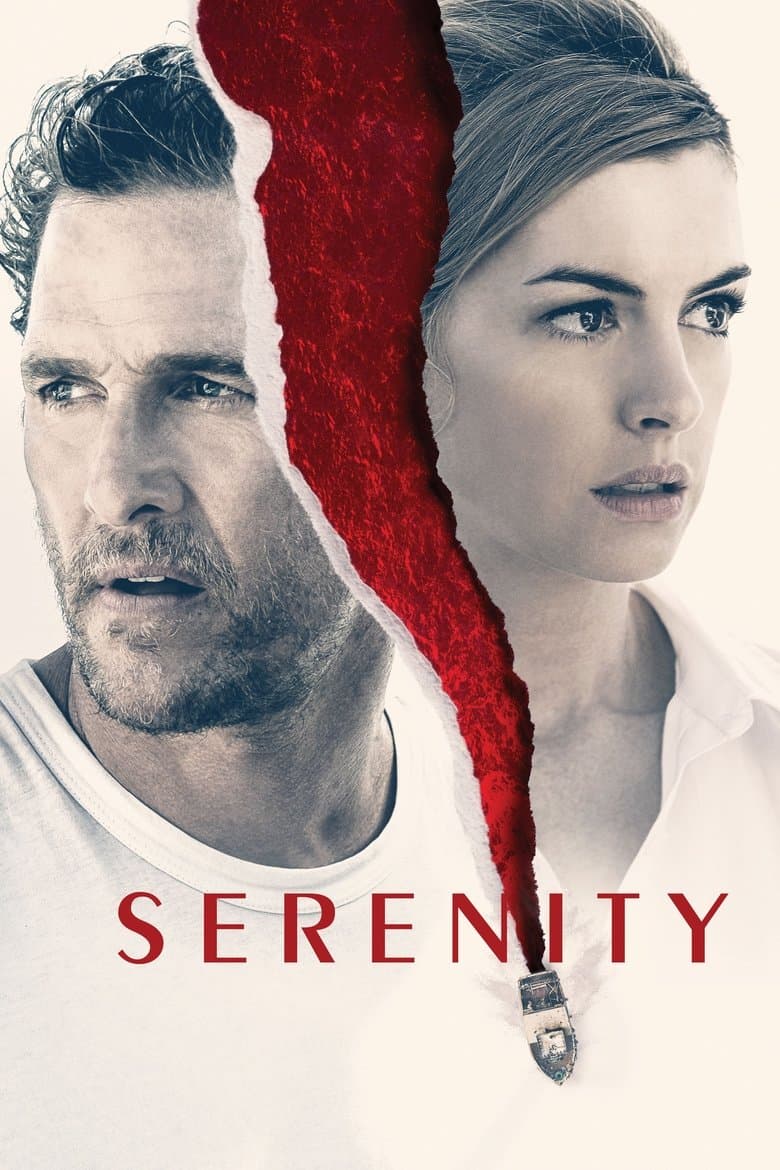
Movie · 2019
The quiet life of Baker Dill, a fishing boat captain who lives on the isolated Plymouth Island, where he spends his days obsessed with capturing an elusive tuna while fighting his…
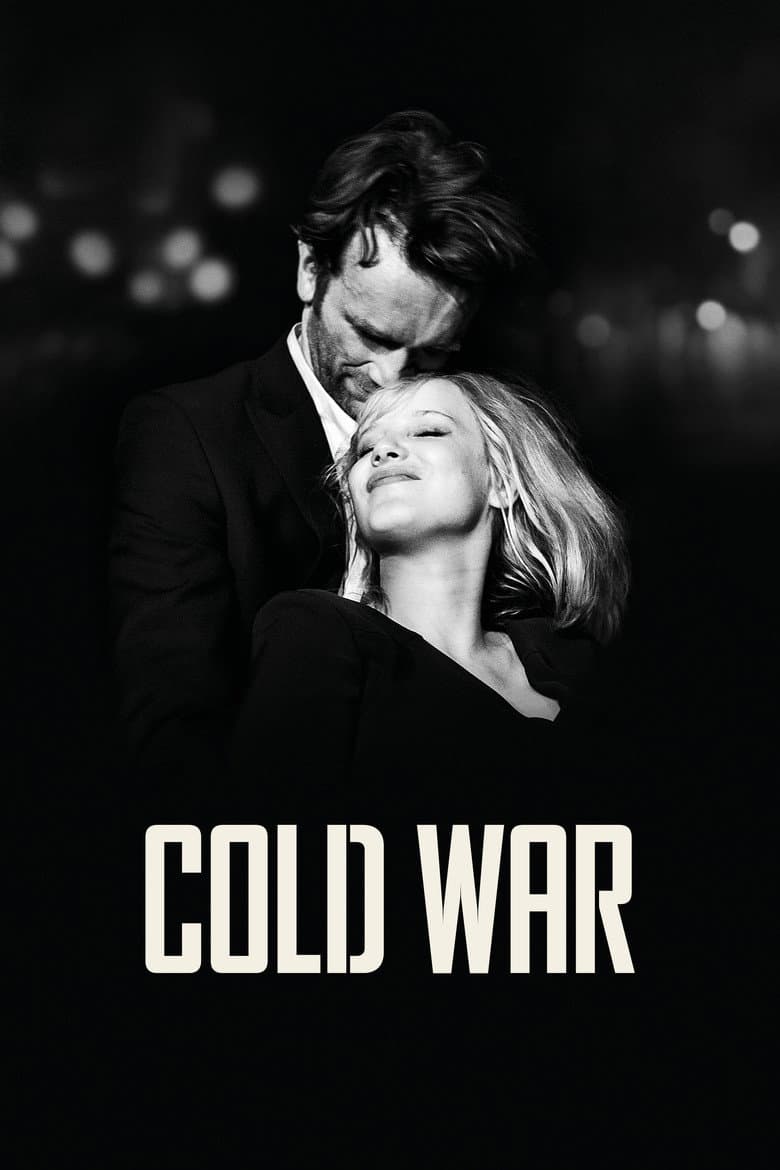
Movie · 2018
A man and a woman meet in the ruins of post-war Poland. With vastly different backgrounds and temperaments, they are fatally mismatched and yet drawn to each other.
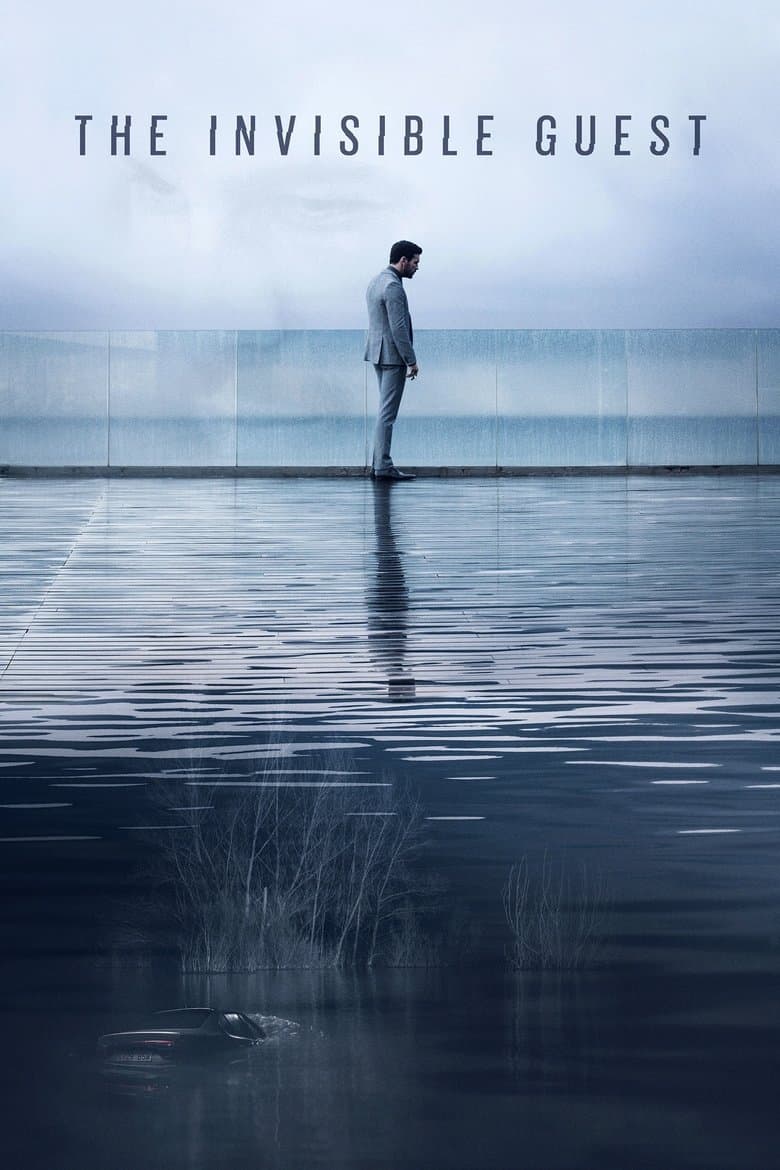
Movie · 2017
Barcelona, Spain. Adrián Doria, a young and successful businessman accused of murder, meets one night with Virginia Goodman, an expert interrogation lawyer, in order to devise a…
Movie · 2017
A brilliant but impulsive young surgeon spirals into self-destruction after a painful breakup, struggling to cope with love, loss, and the consequences of his own temper.
