
Movie review
January 6, 2017 · 107 min · PG-13 · Spanish · Mystery · Thriller · Drama
Adrián Doria is a rich young businessman who wakes beside his dead lover in a locked hotel room. He hires Virginia Goodman, a famous lawyer, to help him build a defense before a new witness speaks. As they revisit a car crash, an affair, and the murder, each new version changes what the viewer believes. The film uses a tense, dark tone, and most of its action takes place in a wealthy Barcelona home and in memories of the case.
The clearest identity-related element is Virginia, a highly skilled woman who controls the questioning and finally turns the whole defense against Adrián. The story also gives the grieving mother of a dead young man the power to expose a wealthy man who thought money and influence could protect him. These choices create a mild female-competence and power-reversal theme, but they serve the crime puzzle instead of a modern identity campaign. The film focuses more on guilt, lies, adultery, revenge, and the cost of hiding the truth.
Community feedback
Was our 19% Woke rating accurate?
Breakdown
These are the editorial factors and ratings behind our score for The Invisible Guest.
Woke representation / casting
Not present. The film uses Spanish actors for a Spanish story in Barcelona and does not show a diversity-first cast pattern. Virginia is a skilled woman, but the movie does not present her casting as an identity statement.
0%
Woke political dialogue
Not present. The dialogue concerns the case, lies, money, guilt, and justice. No modern identity, DEI, gender-role, or activist message is stated.
0%
Identity-driven story themes
The film gives Virginia Goodman a central role as a highly skilled woman who controls the questioning. The ending reveals that a grieving mother used that skill to force a rich male killer to confess. This creates a clear female agency and power-reversal theme. The film does not turn that theme into feminism, identity politics, or a modern activist program.
28%
Western institutional / cultural critique
Not present. The film shows a wealthy man using money and influence to hide a crime. It treats this as personal corruption and guilt, not as a modern attack on capitalism, patriarchy, or Western institutions.
0%
Woke character or canon changes
Not relevant. The film is an original crime story with no established legacy characters or historical figures that are changed.
0%
Anti-woke backlash and complaints
Not present. No reliable anti-woke backlash or right-leaning complaint about the film’s casting, themes, or politics was found. Public discussion mainly focuses on the twists, pacing, and story logic.
0%
Creator track record context
Stored scores for most key creators are low or modest. Paulo has spoken about gender equality and strong female protagonists. The casting directors and Sofía Fábregas have more representation-focused records. The stored context gives a mild background signal, but it does not show that this film was made as an activist project.
24%
Production

Movie · 2018
During a mysterious thunderstorm, Vera, a young mother, manages to save a life in danger, but her good deed causes a disturbing chain of unexpected consequences.

Movie · 2017
Susan, a single mother of two, works as a waitress in a small town. Her son, Henry, is an 11-year-old genius who not only manages the family finances but acts as emotional support…
Movie · 2017
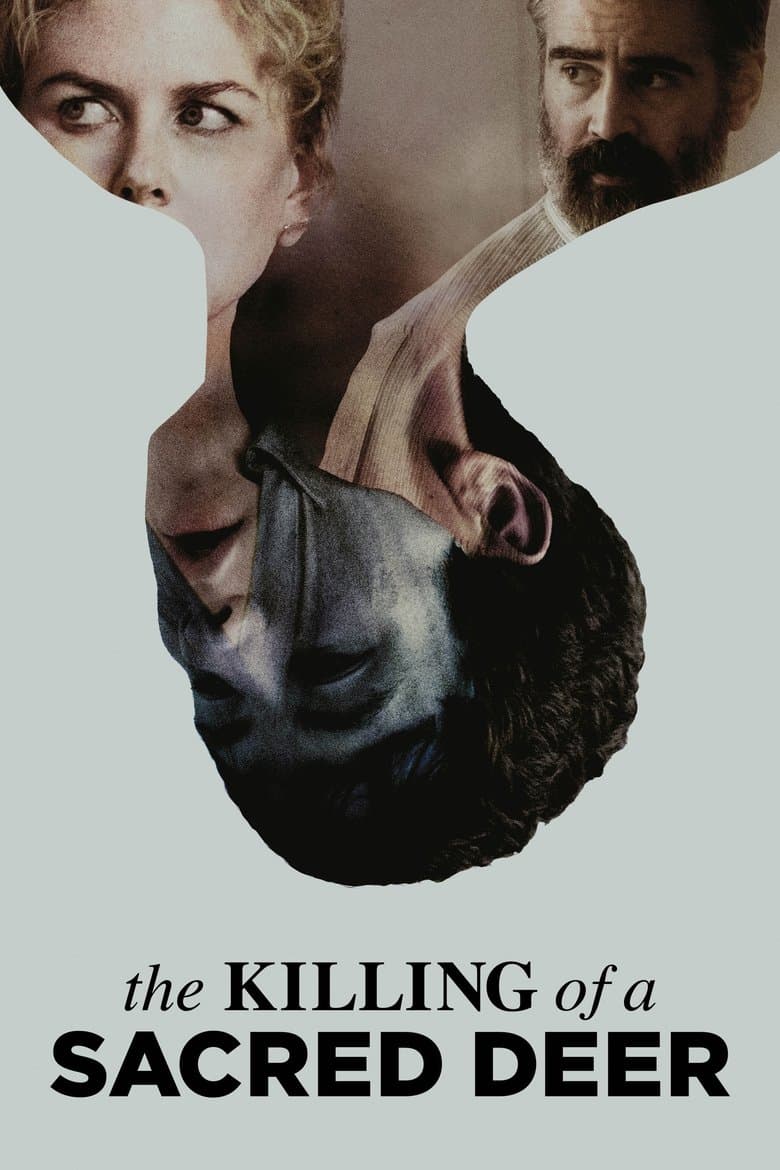
Dr. Steven Murphy is a renowned cardiovascular surgeon who presides over a spotless household with his wife and two children.

Movie · 2019
Professor James Murray begins work compiling words for the first edition of the Oxford English Dictionary in the mid 19th century, and receives over 10,000 entries from a patient…

Movie · 2023
When her mother disappears while on vacation in Colombia with her new boyfriend, June’s search for answers is hindered by international red tape.

Movie · 2018
After David Kim's 16-year-old daughter goes missing, a local investigation is opened and a detective is assigned to the case.

Movie · 2017
Paul is a down-on-his-luck screenwriter who picks up a drifter and offers him a place to stay. However, when the deranged stranger takes Paul hostage and forces him to write…

Movie · 2022
Mike and Kate, a young couple, get the once-in-a lifetime chance to win a cool five million dollars. The challenge: Live for 50 days in a blank space.
