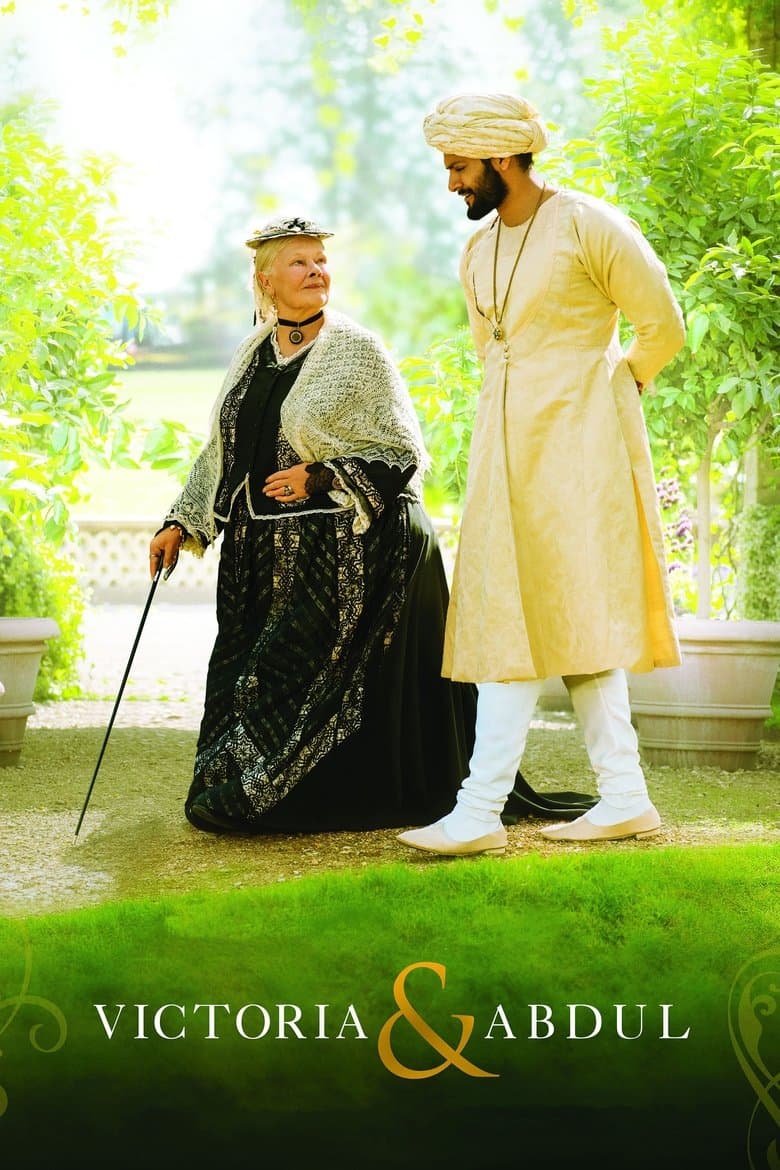
Victoria & Abdul follows Queen Victoria in the last years of her rule. In 1887, the lonely queen meets Abdul Karim, a young Indian Muslim clerk sent from Agra to England for her Golden Jubilee. She keeps him near her, makes him her munshi, and asks him to teach her Urdu and the Quran. Her family and court fight the friendship because they fear Abdul’s growing place beside the ruler. The film uses warm comedy, bright royal settings, and sad moments as the friendship faces anger and loss.
The film puts race, religion, class, and power at the center of the story. Victoria openly rejects the court’s prejudice and treats Abdul as a trusted friend and teacher, while the court calls his rise dangerous because he is Indian and Muslim. The story presents cross-cultural friendship and learning as moral goods, and it links the royal household’s behavior to racism and the British Empire. These ideas run through the main conflict, although the light tone and focus on royal charm make the message softer than a full political drama.
Community feedback
Was our 58% Woke rating accurate?
Breakdown
These are the editorial factors and ratings behind our score for Victoria & Abdul.
Woke representation / casting
Not present. Abdul Karim and Mohammed are Indian Muslim men because the real story centers on them. The royal household is mostly British, matching the historical setting.
0%
Woke political dialogue
The film repeatedly uses spoken lines about race, prejudice, and the court’s fear of a Muslim Indian man. Victoria calls her staff racist and defends Abdul’s place beside her. Mohammed speaks against British rule in India. These points return during Abdul’s promotion and the court fight, so the political message is recurring but not constant.
43%
Identity-driven story themes
The film makes the friendship between a British queen and an Indian Muslim servant its main story. Victoria learns Urdu and parts of the Quran, while Abdul becomes her teacher and trusted guide. The story presents cross-cultural friendship and learning as moral goods. The court’s prejudice gives these identity themes a major role in the conflict.
65%
Western institutional / cultural critique
The film portrays the royal household as a closed British institution that protects rank and empire. The court tries to remove Abdul because he is Indian and Muslim, and the new king later destroys evidence of the friendship. Mohammed criticizes British rule in India. The story softens this critique with royal pageantry and does not make a full modern attack on Western institutions.
33%
Woke character or canon changes
Not relevant. The film changes some timing and scenes for drama, but it does not change anyone’s race, sex, sexuality, or main historical role. Victoria and Abdul remain the real historical figures.
0%
Anti-woke backlash and complaints
A niche family-review site called the film politically correct multiculturalism and objected to its attacks on racism and its friendly view of Islam. That review clearly treated the film as pushing a left-wing agenda. The X research found no anti-woke reaction, and the other public discussion did not show a large anti-woke campaign. Most major criticism went the other way and said the film softened the British Empire.
15%
Creator track record context
Stephen Frears has a mild classic left record, but the stored context shows no strong modern DEI activist pattern. Lee Hall has focused on class and workers, and Shrabani Basu has recovered overlooked Indian and colonial-era stories. Producer Beeban Kidron has a much stronger record in feminism, queer stories, and child-rights activism. The mixed team adds some context, but it does not set the film’s full message.
36%
Production
Movie · 2016
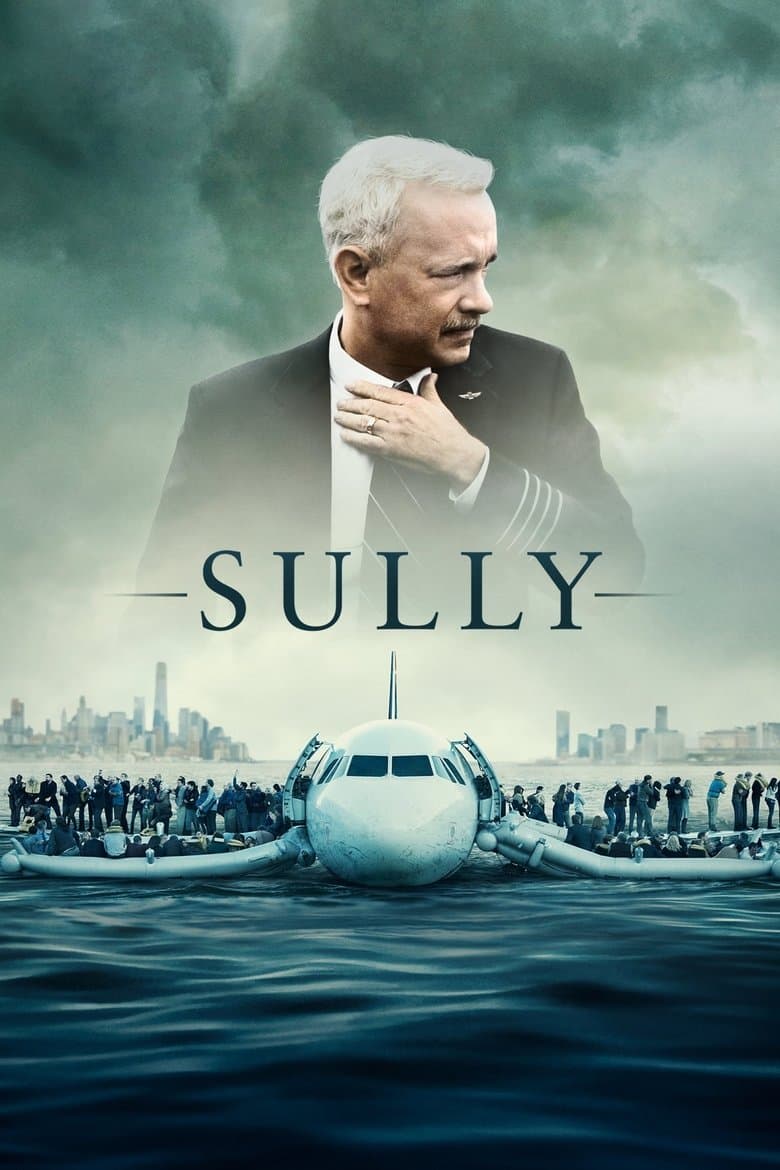
On 15 January 2009, the world witnessed the 'Miracle on the Hudson' when Captain 'Sully' Sullenberger glided his disabled plane onto the Hudson River, saving the lives of all 155…
Movie · 2016
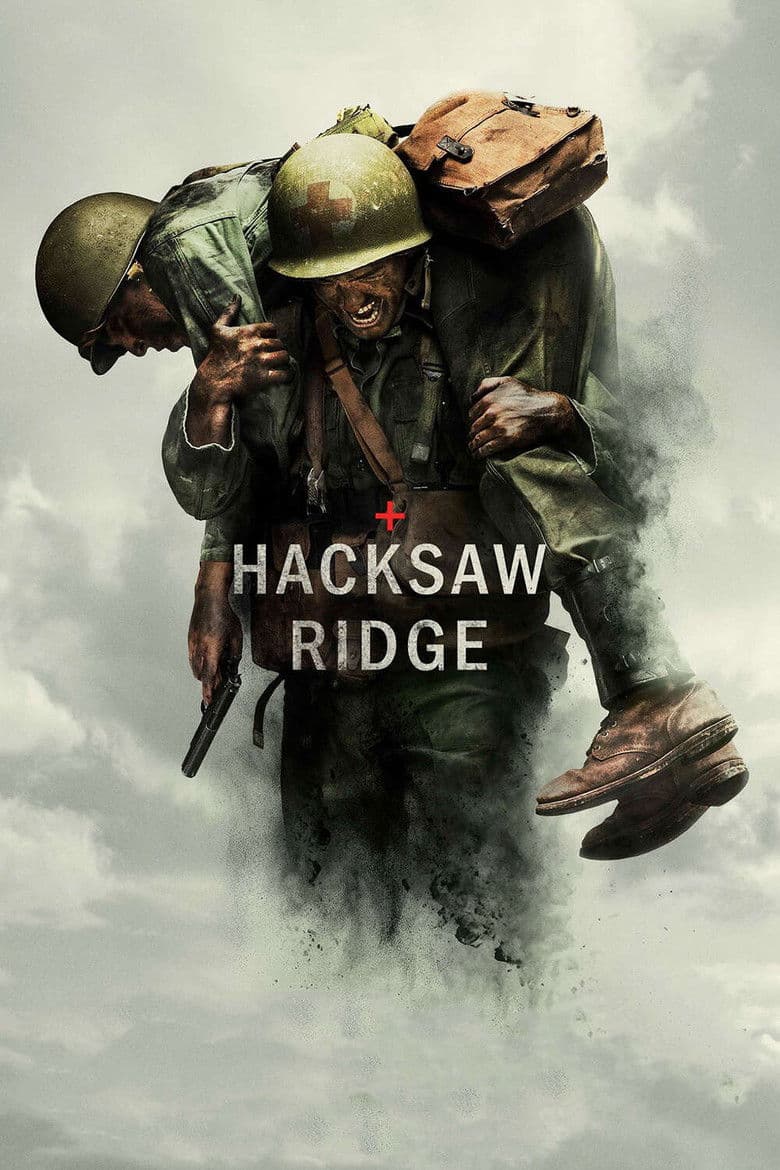
WWII American Army Medic Desmond T. Doss, who served during the Battle of Okinawa, refuses to kill people and becomes the first Conscientious Objector in American history to…
Movie · 2019
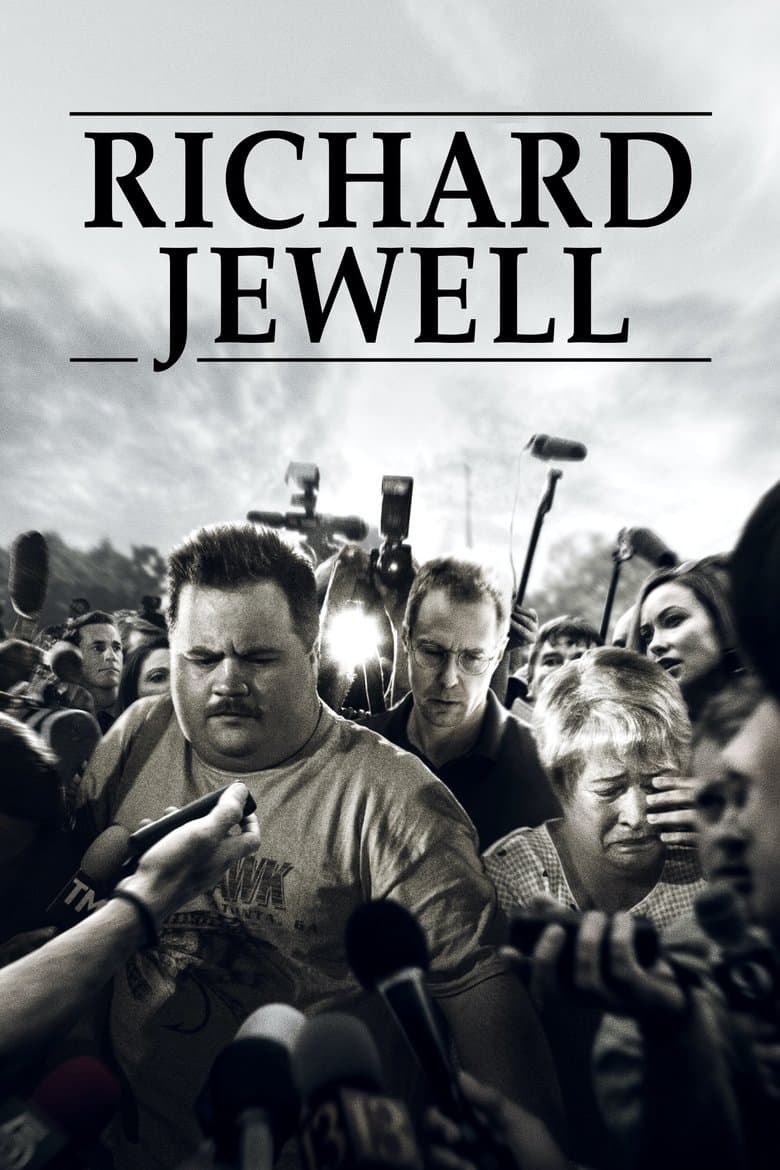
Richard Jewell thinks quick, works fast, and saves hundreds, perhaps thousands, of lives after a domestic terrorist plants several pipe bombs and they explode during a concert…
Movie · 2017
Members of the Granite Mountain Hotshots battle deadly wildfires to save an Arizona town.
Movie · 2022
London, 1953. Mr. Williams, a veteran civil servant, is an important cog within the city's bureaucracy as it struggles to rebuild in the aftermath of World War II.

Movie · 2023
American ballet dancer Joy Womack is accepted into Moscow's infamously tough Bolshoi Ballet Academy, with the dream of becoming a great ballerina.
Movie · 2016
In a desolate war zone where screams of the innocent echo, on the very line between disaster and valor, 7 Maroon Berets will dance with death.

Movie · 2016
After his older brother passes away, Lee Chandler is forced to return home to care for his 16-year-old nephew.
