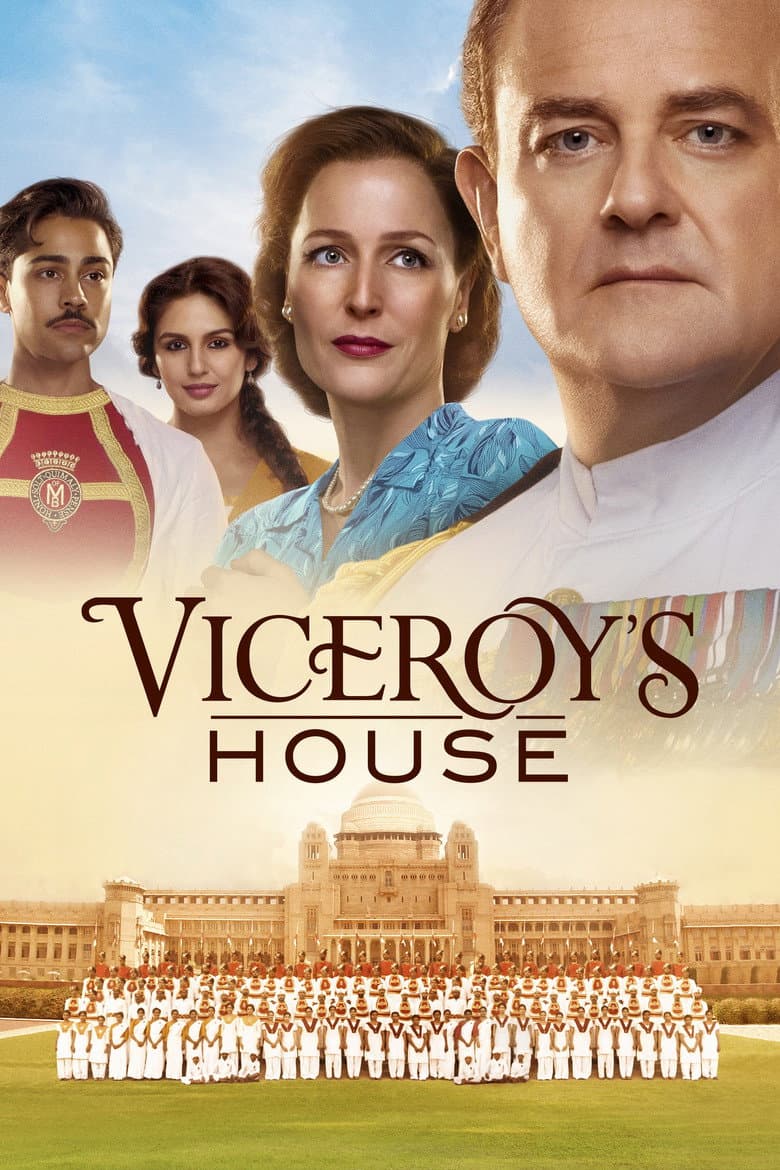
Lord Louis Mountbatten arrives in Delhi in 1947 as the last Viceroy of British India. He must hand power to Indian leaders while Hindu, Muslim, and Sikh communities face a violent split into India and Pakistan. The house holds British rulers upstairs and hundreds of Indian workers downstairs. The tone is grand, serious, and often sad, with a love story running through the political drama.
The film makes religious identity central through Jeet, a Hindu servant, and Aalia, a Muslim worker who hope to stay together. Their romance turns Partition into a personal story about borders, family duty, and the cost of religious division. The film also presents British imperial rule and a secret plan around Partition as major causes of the disaster. Edwina Mountbatten is shown as more caring and politically aware than her husband, while the story supports tolerance and shared life across religious lines.
Community feedback
Was our 53% Woke rating accurate?
Breakdown
These are the editorial factors and ratings behind our score for Viceroy's House.
Woke representation / casting
Not present. The Indian roles match the 1947 setting, and the British roles match the real Mountbattens. No clear representation-first casting pattern or identity swap appears.
0%
Woke political dialogue
The film repeats lines about identity and power. Nehru says British policy created hatred through separate schools, books, and elections. Characters say all religions are true and that division by religion harms everyone. The dialogue is tied to the 1947 crisis and does not become a modern DEI speech.
34%
Identity-driven story themes
The film makes religious identity central to the main romance. Jeet and Aalia are separated because one is Hindu and the other is Muslim. The staff must choose India or Pakistan, and Aalia puts her father’s safety before her own love. The story presents shared life across religious lines as good and treats Partition as a human tragedy.
47%
Western institutional / cultural critique
The film repeatedly criticizes British imperial power. Nehru says British policy used separate schools, books, and elections to create hatred. The plot presents Churchill and senior British officials as willing to divide India for strategic interests. The target is a historical empire, but the film clearly challenges the old British account of independence.
45%
Woke character or canon changes
Not relevant. The film reinterprets blame among real leaders, but it does not make an identity or leadership swap. It does not change an established character’s race, gender, or sexuality.
0%
Anti-woke backlash and complaints
Not present. Public disputes centered on historical accuracy, the portrayal of Jinnah, and whether the film blamed Muslims or Britain. No clear anti-woke, DEI, identity-politics, or boycott backlash appeared in the searched coverage, and the separate X pass found none.
0%
Creator track record context
Chadha’s cached creator score is 66/100 and reflects cultural representation, immigrant life, and women’s agency. Berges is cached at 54/100 for cultural identity and cross-cultural stories. Buffini is cached at 77/100 for feminist and queer-focused work. These patterns support a strong creator track record context for this film.
64%
Production

Movie · 2016
In a desolate war zone where screams of the innocent echo, on the very line between disaster and valor, 7 Maroon Berets will dance with death.
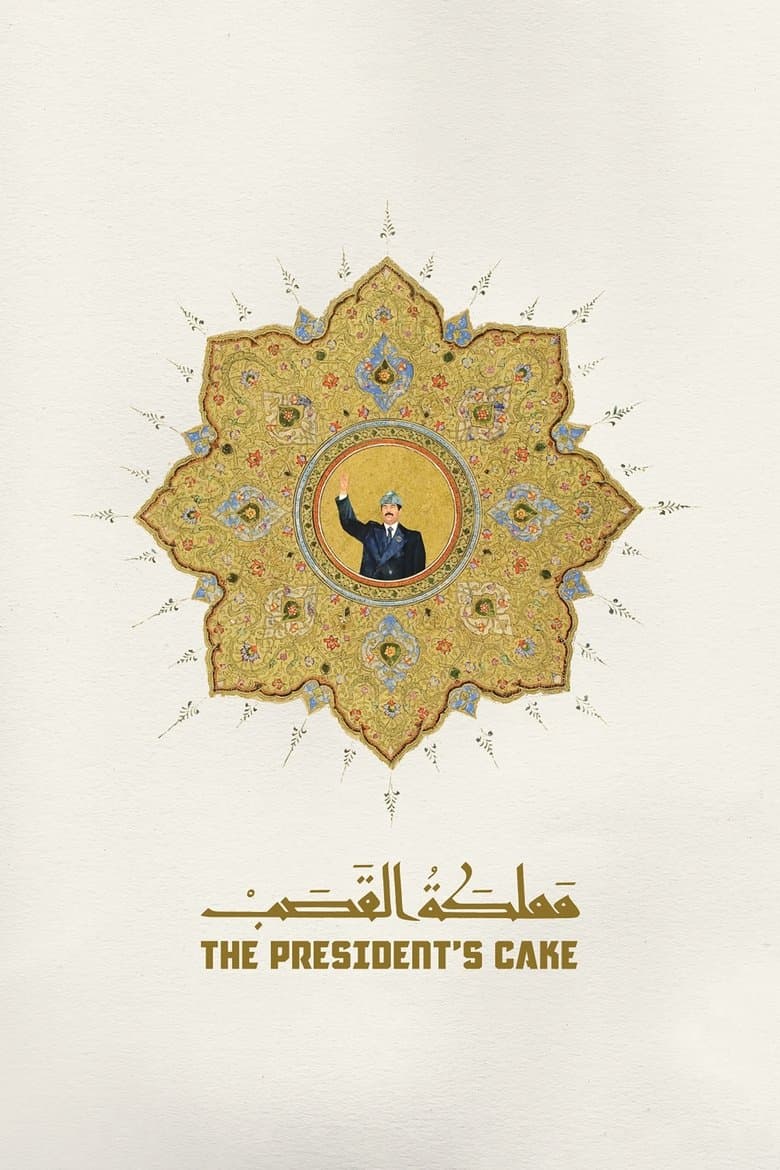
Movie · 2026
While people across 1990s Iraq struggle to survive the war and food shortages, Saddam Hussein requires each school in the country to prepare a cake to celebrate his birthday.
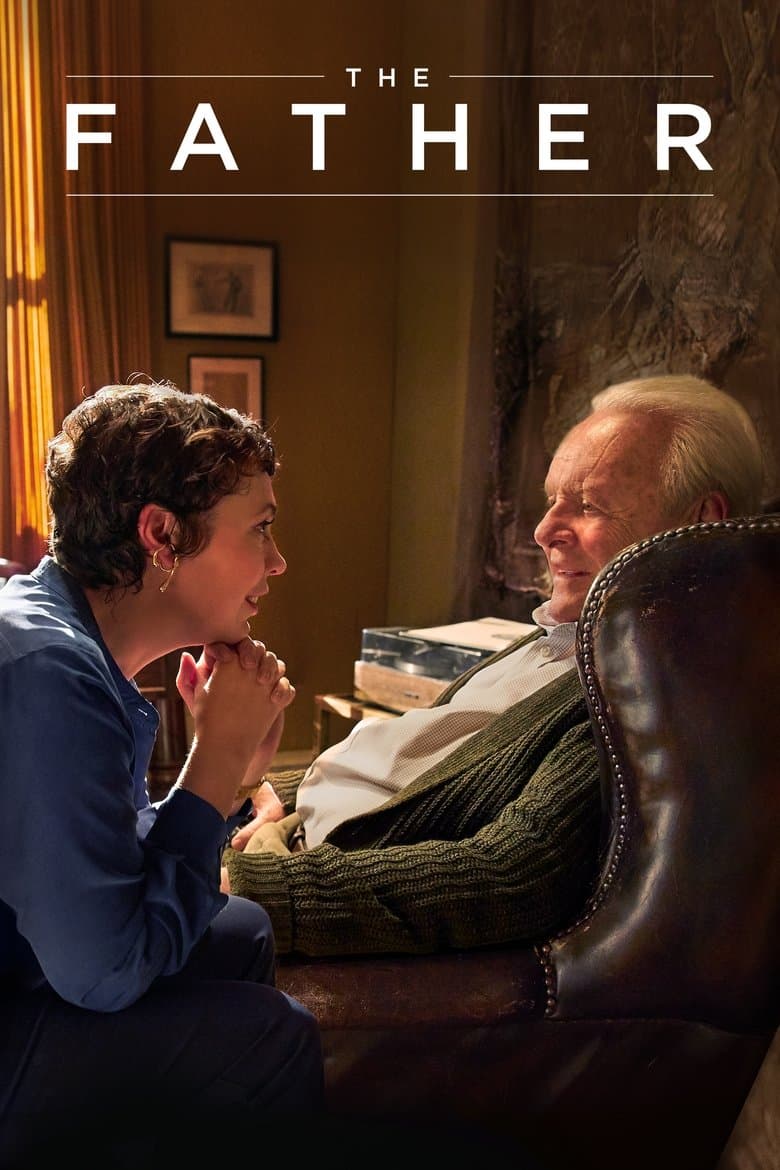
Movie · 2020
A man refuses all assistance from his daughter as he ages and, as he tries to make sense of his changing circumstances, he begins to doubt his loved ones, his own mind and even…

Movie · 2016
WWII American Army Medic Desmond T. Doss, who served during the Battle of Okinawa, refuses to kill people and becomes the first Conscientious Objector in American history to…

Movie · 2025
A logger leads a life of quiet grace as he experiences love and loss during an era of monumental change in early 20th-century America.
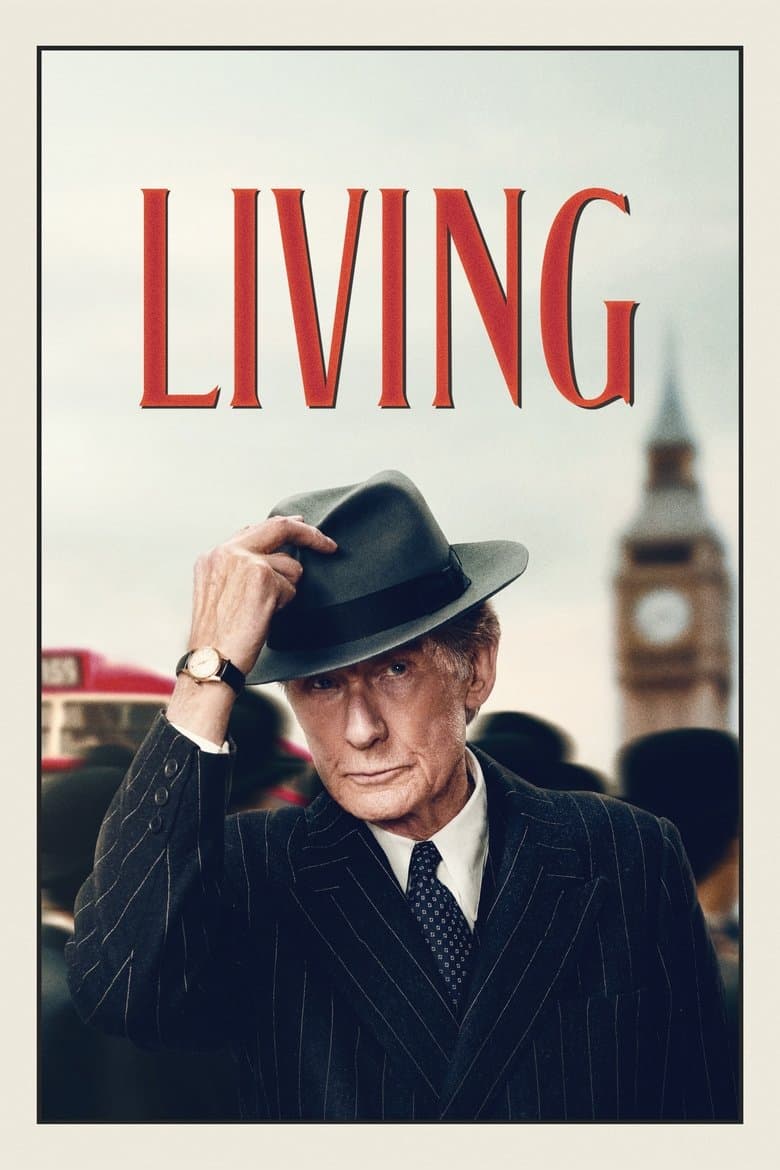
Movie · 2022
London, 1953. Mr. Williams, a veteran civil servant, is an important cog within the city's bureaucracy as it struggles to rebuild in the aftermath of World War II.
Movie · 2023
The story of J. Robert Oppenheimer's role in the development of the atomic bomb during World War II.
Movie · 2022
A quiet, neglected girl is sent away from her dysfunctional family to live with relatives for the summer. She blossoms in their care, but in this house where there are meant to be…
