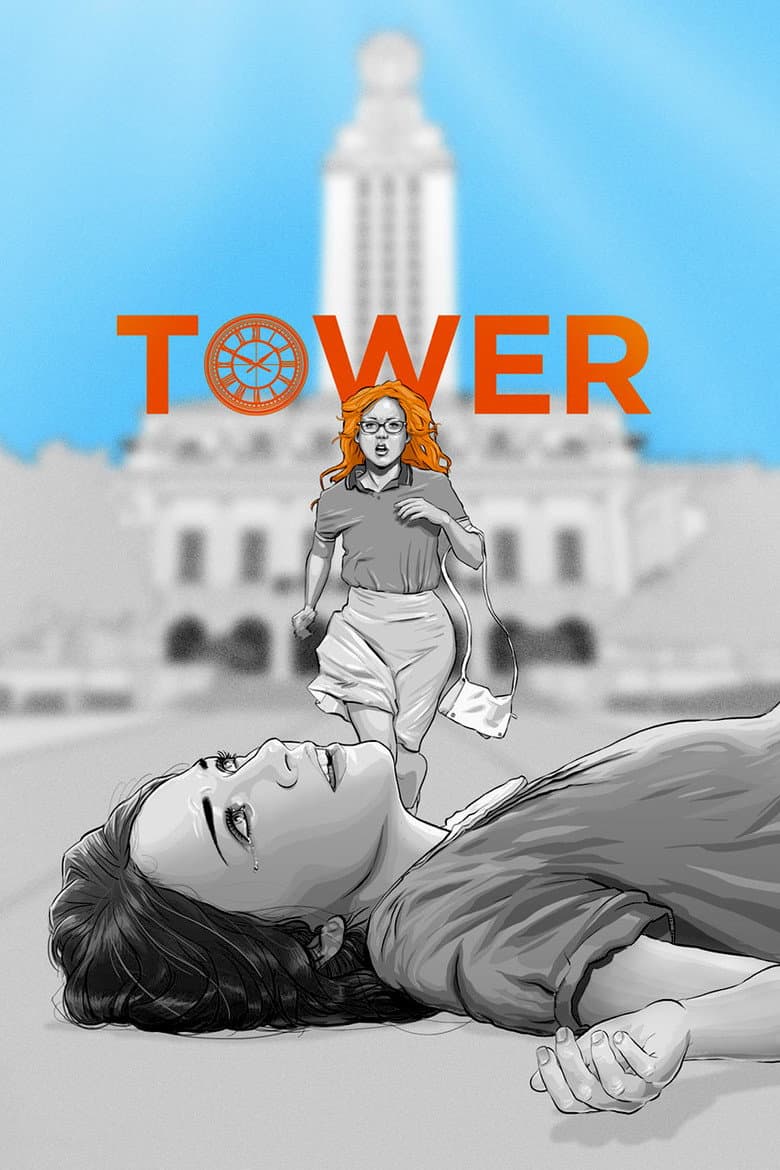
Tower follows Claire Wilson, a pregnant student at the University of Texas in Austin, during the 1966 shooting from the campus tower. A gunman fires at people below for about 96 minutes, while students, police officers, reporters, and bystanders try to survive and help the wounded. The film also follows officers Ramiro Martinez and Houston McCoy as they move toward the tower, along with civilians who choose to help. The tone is tense, sad, and respectful, with drawn-over live action, old news film, and later interviews.
The film's main message is about courage, grief, memory, survivor guilt, and forgiveness after violence. The story gives the victims and rescuers more attention than the shooter, and it links the 1966 attack with later school shootings. An old Walter Cronkite report blames governments and a violent culture for teaching people to kill, while a student mentions calls to remove a Jefferson Davis statue. Those brief comments add a mild political and cultural edge, but the story stays focused on real people and their pain.
Community feedback
Was our 26% Woke rating accurate?
Breakdown
These are the editorial factors and ratings behind our score for Tower.
Woke representation / casting
Not present. The film uses actors to portray named students, police officers, reporters, and bystanders from the 1966 event. The choices are tied to real people, and the film does not present diversity as a goal.
0%
Woke political dialogue
Brenda Bell calls the armed civilian response “massive testosterone.” John Artly Fox repeats that people wanted a Jefferson Davis statue removed because of what Davis represented. Walter Cronkite blames governments and a violent culture for teaching people to kill. These are brief comments inside the historical account, and the film does not build its story around modern party politics.
20%
Identity-driven story themes
Not present. The film centers fear, grief, courage, survivor guilt, and forgiveness after a mass shooting. Claire's pregnancy and later adoption are personal parts of her life, not a modern identity or activist story.
0%
Western institutional / cultural critique
Brenda Bell describes the armed civilian response as “massive testosterone.” A witness says people believed a Jefferson Davis statue should be taken down because of what he represented. Walter Cronkite says governments and society helped create a culture of violence. These remarks give the film a mild critique of male gun culture, government, and a public symbol, but that critique is not the main story.
28%
Woke character or canon changes
Not relevant. The film recounts a real event and uses testimony from the people involved. It does not rewrite a known fictional character or change an established identity.
0%
Anti-woke backlash and complaints
Not present. The reviewed public coverage and the X research pass show no sustained anti-woke complaints about Tower. A small gun-rights site attacked a separate PBS campus-carry short shown with the film, not Tower itself. That complaint did not become a wider dispute about this movie.
0%
Creator track record context
Keith Maitland's work often centers vulnerable people, memory, and public healing. Louis Black has a long liberal-progressive record through The Austin Chronicle and SXSW. Susan Thomson supports films and public panels about social issues. Megan Gilbride and Sarah Wilson have more humanitarian or observational records. The combined context is mildly socially engaged, but it is not a strong DEI or identity-politics pattern.
33%
Production
Movie · 2017
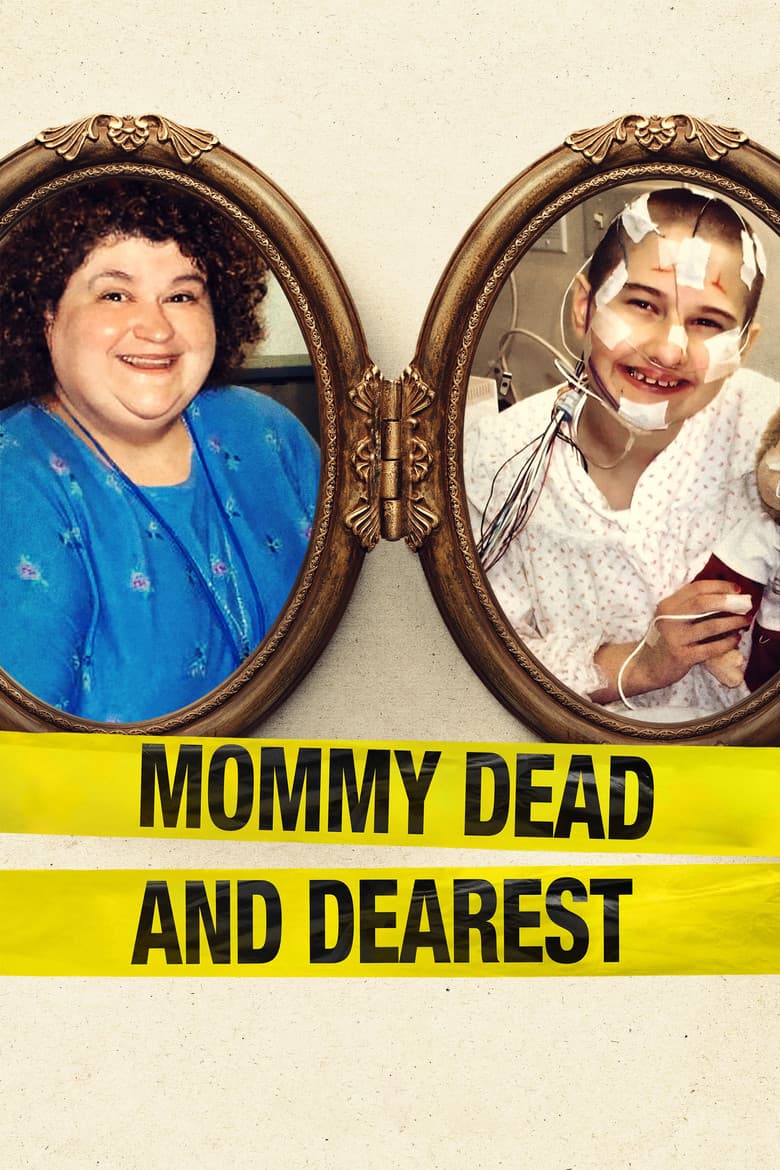
Child abuse, mental illness, and forbidden love converge in this mystery involving a mother and daughter who were thought to be living a fairy tale life that turned out to be a…

Movie · 2019
A mysterious new villain known only as Hush uses a gallery of villains to destroy Batman's crime-fighting career as well as Bruce Wayne's personal life, which has been further…
Movie · 2017
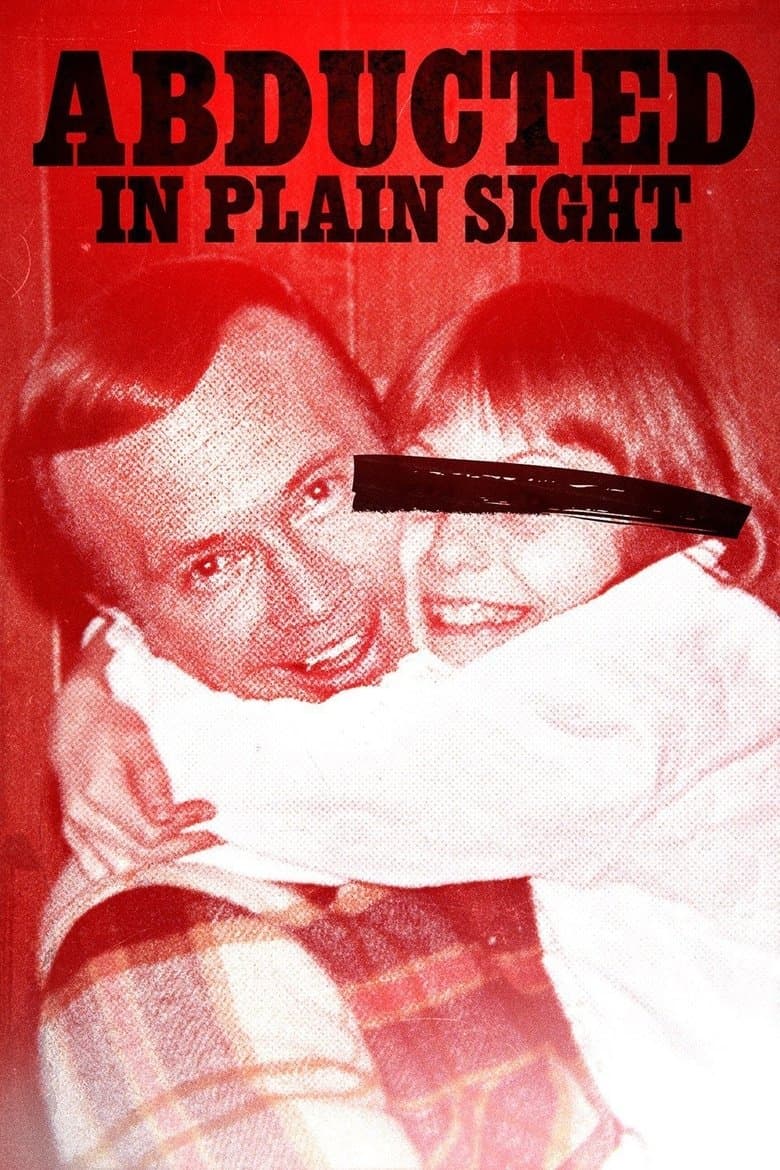
A family falls prey to the manipulative charms of a neighbor, who abducts their adolescent daughter. Twice.
Movie · 2021
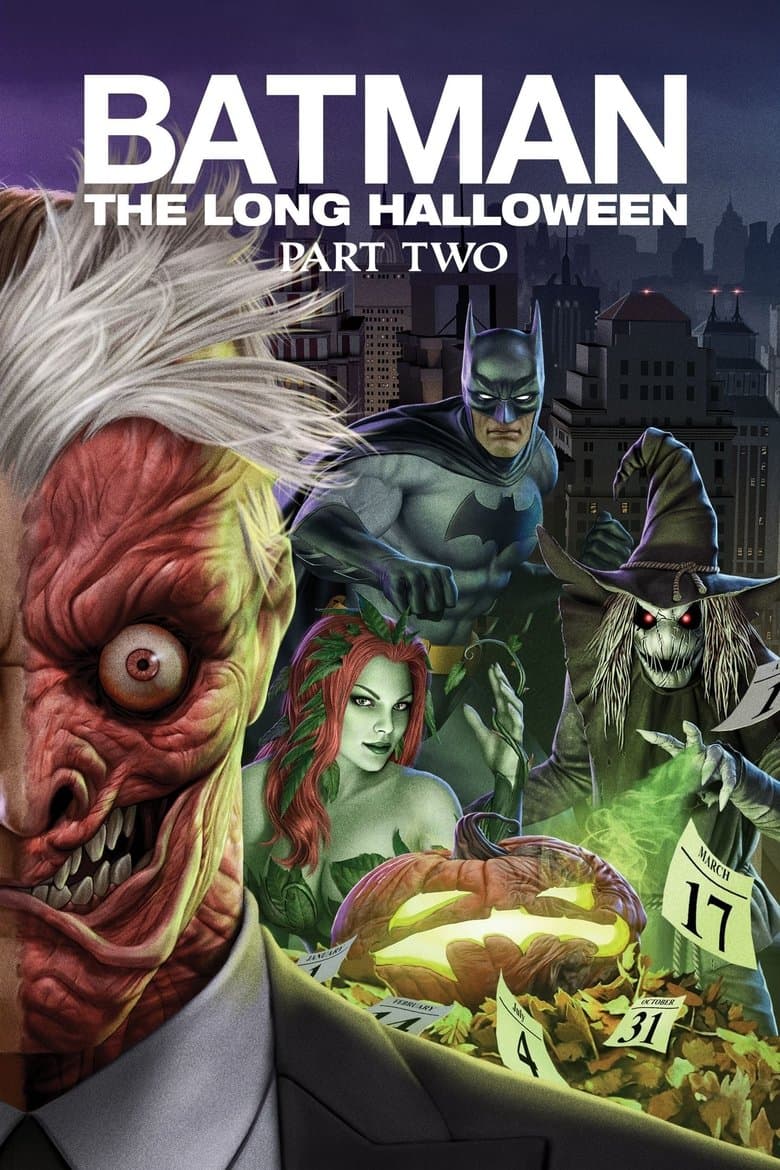
As Gotham City's young vigilante, the Batman, struggles to pursue a brutal serial killer, district attorney Harvey Dent gets caught in a feud involving the criminal family of the…

Movie · 2022
A young mother’s mysterious death and her son’s subsequent kidnapping blow open a decades-long mystery about the woman’s true identity, and the murderous federal fugitive at the…
Movie · 2017
A young man arrives at the last hometown of painter Vincent van Gogh to deliver the troubled artist's final letter and ends up investigating his final days there.
Movie · 2023
After it's discovered that a teacher at South Park Elementary has an OnlyFans page, Randy is compelled to take a closer look at the seedy underbelly of the world of online…
Movie · 2025
Those who knew iconic funnyman John Candy best share his story, in their own words, through never-before-seen archival footage, imagery, and interviews.
