Movie review
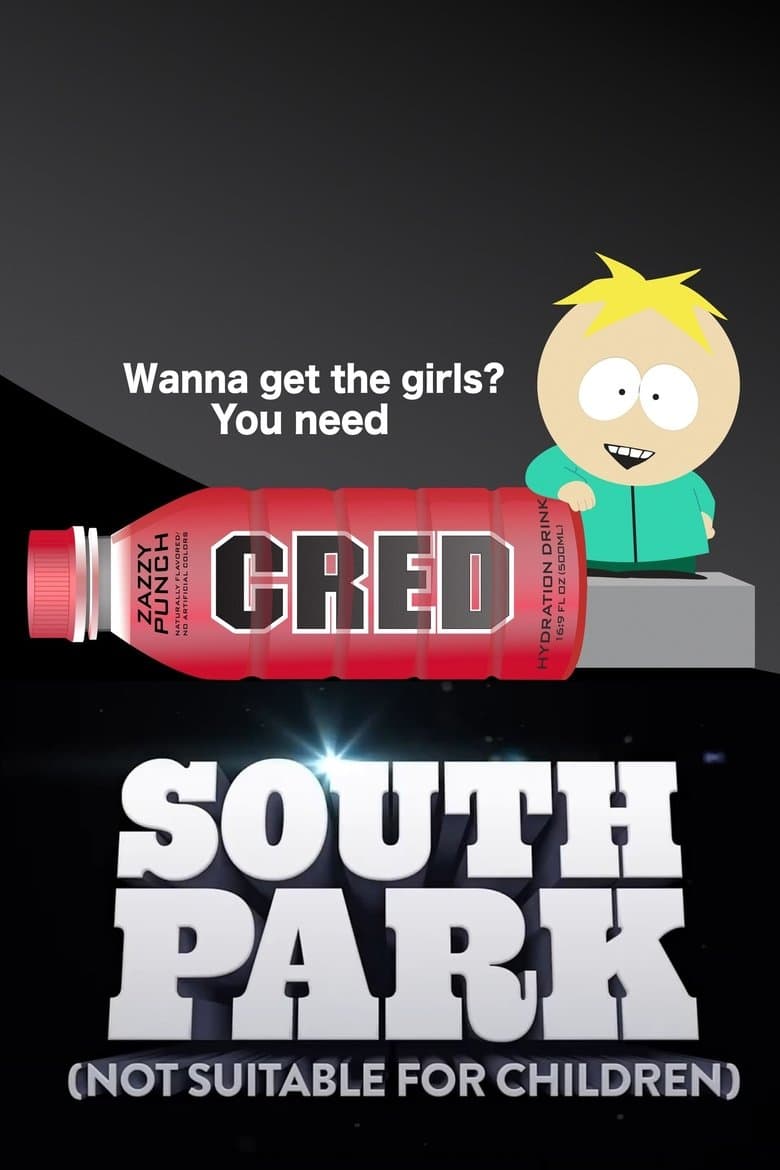
The special takes place in the Colorado town of South Park and follows Randy Marsh after he learns that an art teacher earns a great deal of money from OnlyFans. Randy starts his own page, while Cartman, Clyde, Butters, and Tweek get pulled into a craze for a fake hydration drink called Cred. The children chase a limited bottle and discover that influencers and sponsors are steering their choices. The tone is crude, fast, and built around adult jokes, cartoon violence, and sharp parody.
The special focuses on online influence, paid adult content, product fads, peer pressure, and the way children are targeted by ads. It treats Randy's search for followers as foolish and makes Sharon more successful when she copies the simplest porn idea. The story also mocks schools, parents, the FBI, Big Pharma, China, Russia, the NRA, and brand sponsors as parts of a strange influence machine. The story ends by warning that children should ask who is trying to control their choices, while its main attack stays aimed at internet fame and commercial manipulation.
Community feedback
Was our 2% Woke rating accurate?
Breakdown
These are the editorial factors and ratings behind our score for South Park (Not Suitable for Children).
Woke representation / casting
Not present. The special uses established South Park characters in a modern Colorado town. The women and minority characters have normal roles in the show's world, and no diversity-first casting message is part of this story.
0%
Woke political dialogue
Not present. The special uses jokes about influencers, sponsors, and secret control of online ads. The dialogue does not promote a modern activist or identity-based political program.
0%
Identity-driven story themes
Not present. The story follows adult websites, product fads, and pressure to fit in. It does not make race, sexual identity, queer politics, or another identity cause the main conflict.
0%
Western institutional / cultural critique
Not present. The special mocks schools, parents, the FBI, companies, and social media platforms. It treats them as foolish or corrupt in a broad comedy plot, not through modern activist criticism of capitalism, patriarchy, Christianity, or Western culture.
0%
Woke character or canon changes
Not relevant. The special uses established South Park figures and adds new plot characters. It does not change an established character or real event to push an identity or DEI message.
0%
Anti-woke backlash and complaints
Not present. The supplied X pass found no anti-woke reaction, boycott talk, or review-bombing. Web discussion focused on the nudity, adult rating, and influencer jokes rather than claims that the special pushed woke or DEI content.
0%
Creator track record context
Trey Parker and Matt Stone are known for satire that attacks both left and right politics. Their work often mocks political correctness instead of promoting a steady activist message. Vernon Chatman has a similar record of absurd and politically incorrect comedy. Jenny Shin's Reel Asian Film Festival role adds a small representation-related signal, but the other listed producers have little public record of identity or DEI activism.
10%
Production
Movie · 2022
A drought has brought the town of South Park to the brink of disaster.
Movie · 2022
In 1998, Beavis and Butt-Head are sentenced to Space Camp by a “creative” judge. Their obsession with a docking simulator (huh huh) leads to a trip on the Space Shuttle, with…
Movie · 2020
Tanjiro Kamado, joined with Inosuke Hashibira, a boy raised by boars who wears a boar's head, and Zenitsu Agatsuma, a scared boy who reveals his true power when he sleeps, boards…
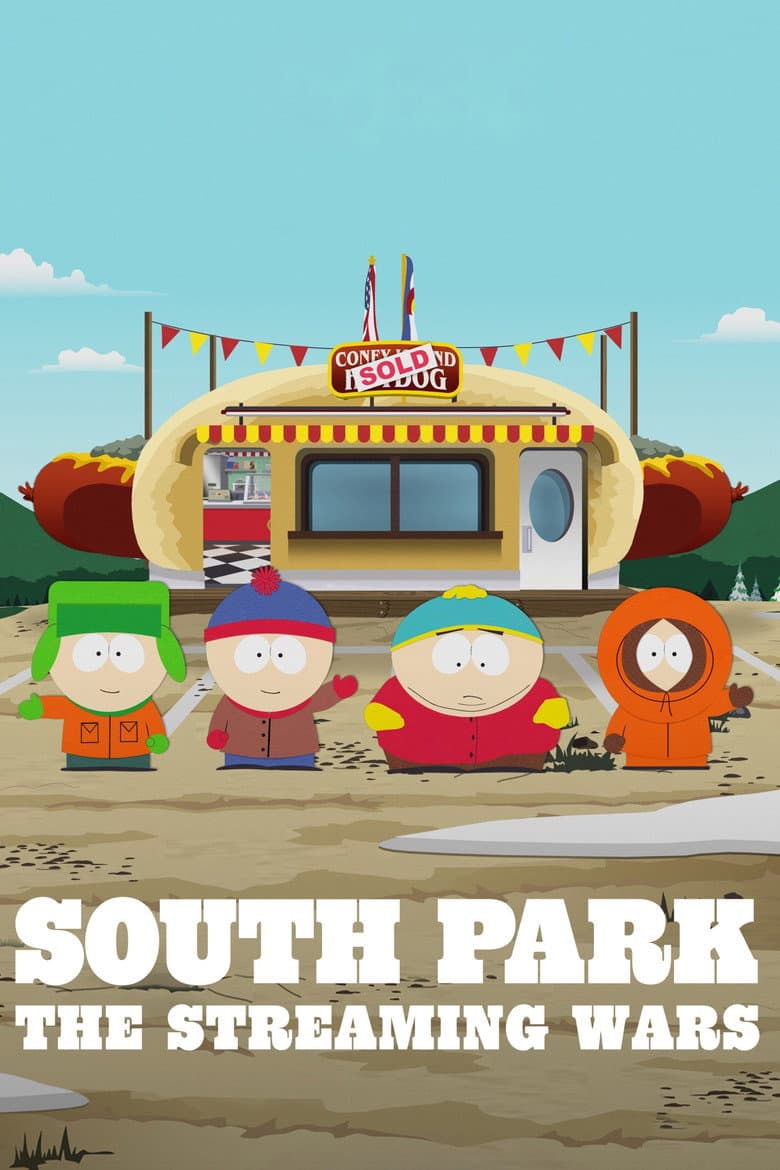
Movie · 2022
Cartman locks horns with his mom in a battle of wills while an epic conflict unfolds that threatens South Park’s very existence.
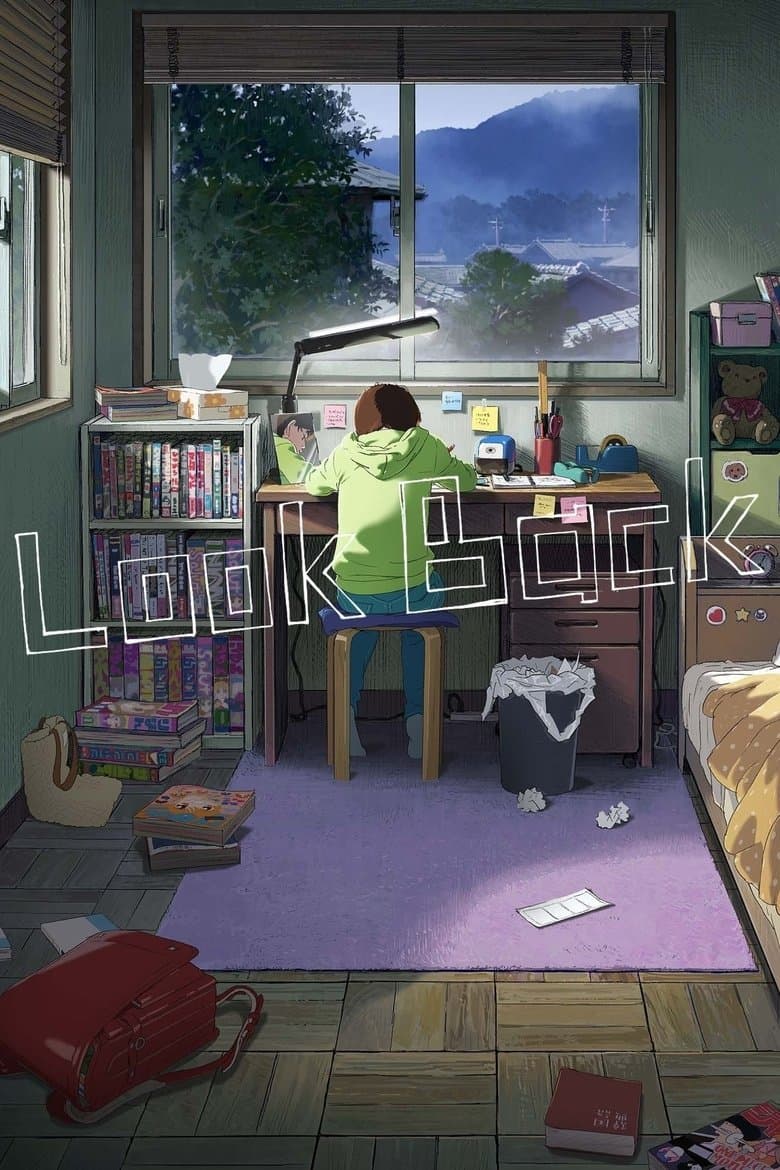
Movie · 2024
Popular, outgoing Fujino is celebrated by her classmates for her funny comics in the class newspaper. One day, her teacher asks her to share the space with Kyomoto, a truant…
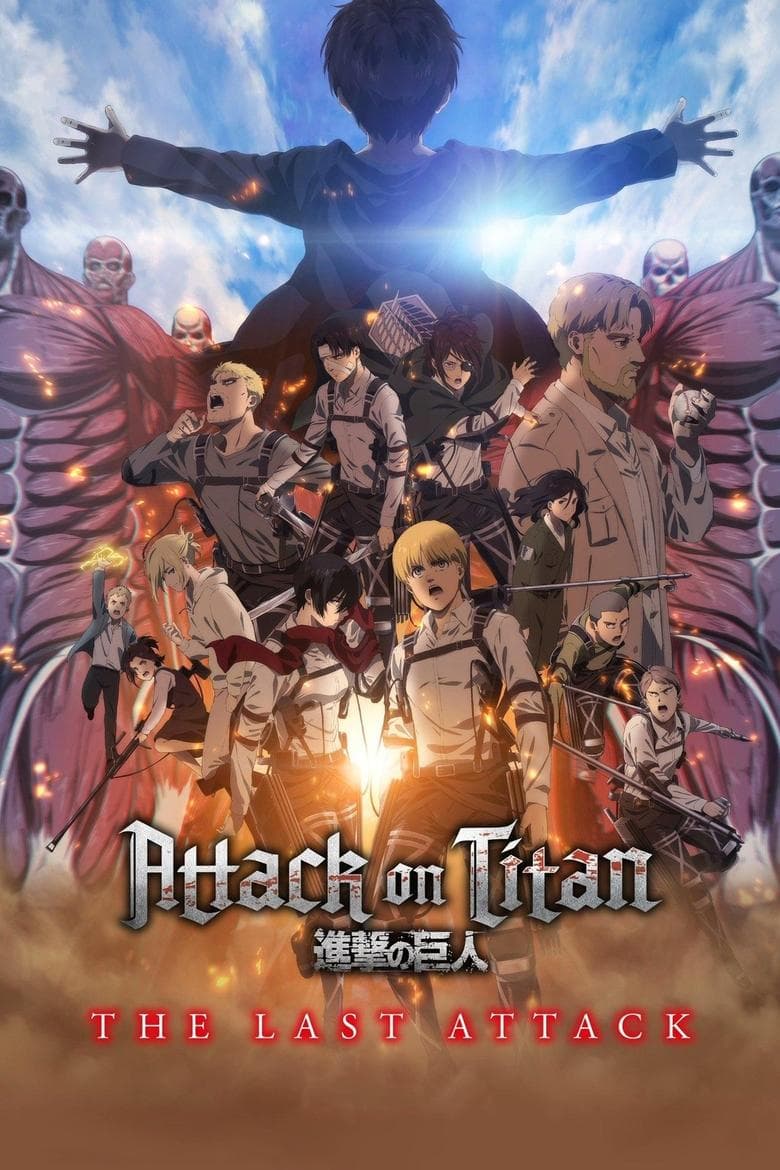
Movie · 2024
A colossal-sized omnibus film bringing together the last two episodes of Attack on Titan in the franchise's first-ever theatrical experience.
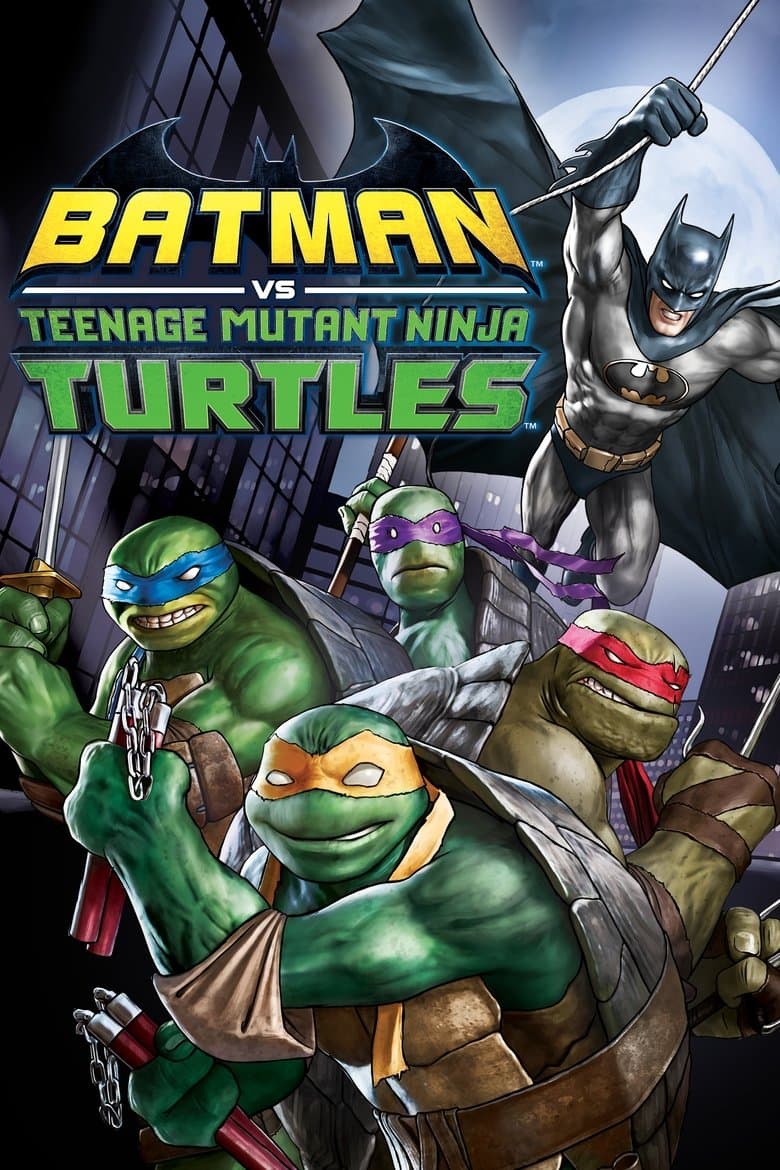
Movie · 2019
Batman, Batgirl, and Robin forge an alliance with the Teenage Mutant Ninja Turtles to fight against the Turtles' sworn enemy, The Shredder, who has apparently teamed up with Ra's…
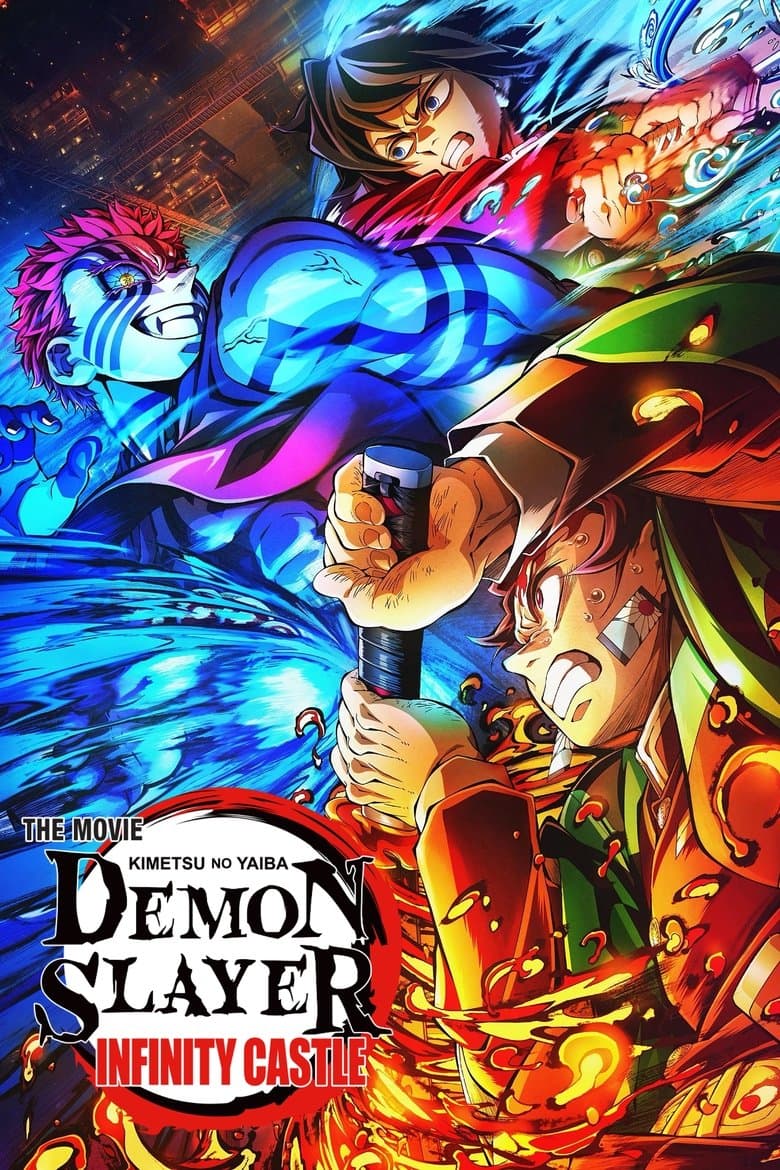
Movie · 2025
The Demon Slayer Corps are drawn into the Infinity Castle, where Tanjiro, Nezuko, and the Hashira face terrifying Upper Rank demons in a desperate fight as the final battle…
