
Leslie is a single mother from West Texas who wins a big lottery prize. She blows the money on drinking and hard living and loses almost everyone she cares about. Years later she is broke, homeless, and cut off from her grown son. A kind motel worker gives her a job and a chance to get sober, rebuild her life, and try for a second start. The tone is rough, sad, and human, with a hard-won hope at the end.
This is a personal story about addiction, bad choices, family pain, and redemption. Writer Ryan Binaco based it on his own mother. The film stays on Leslie’s struggle with alcohol, the people she hurt, and the few who still help her. Viewers mainly notice raw acting, small-town Texas life, and a slow climb out of the bottom. The big public talk later was about Oscar campaigning for Andrea Riseborough’s lead role, not about politics inside the movie.
Community feedback
Was our 9% Woke rating accurate?
Breakdown
These are the editorial factors and ratings behind our score for To Leslie.
Woke representation / casting
Lead is a white West Texas woman played for a story drawn from the writer’s mother. Supporting black roles (Andre Royo as motel co-owner Royal; brief roommate) exist but are not sold as identity casting or quota-style leads. Diversity looks incidental to a small-town, low-budget drama, not a front-and-center representation pitch.
6%
Woke political dialogue
Dialogue centers drinking, lying, regret, jobs, and second chances. No activist lectures on race, gender systems, colonialism, or modern identity politics show up as a through-line in plot summaries or major reviews.
0%
Identity-driven story themes
Core themes are alcoholism, mother-son rupture, small-town memory, and personal redemption. Female lead has agency, but the arc is recovery and responsibility, not identity-politics messaging or queer-centered storylines.
5%
Western institutional / cultural critique
Town people judge Leslie for what she did to them; that is personal and local, not a modern activist attack on America, whiteness, capitalism, the church, or traditional family as systems. Class struggle is lived experience, not a sermon.
5%
Woke character or canon changes
Not relevant. Original drama inspired by real family history, not a race/gender swap of a known IP character or a rewritten historical figure for DEI reasons.
0%
Anti-woke backlash and complaints
No meaningful right-leaning or anti-woke campaign treating the film as woke propaganda. Public heat was Oscar campaign rules and left-side “snubbed actresses of color” talk, which is excluded from this factor.
0%
Creator track record context
Writer and director scores are low; main on-screen intent is a personal addiction drama. One producer (Cisneros) has a clearer LGBTQ/DEI industry record, but that does not dominate the credited team or rewrite the finished story into activist content.
18%
Production
Movie · 2016
WWII American Army Medic Desmond T. Doss, who served during the Battle of Okinawa, refuses to kill people and becomes the first Conscientious Objector in American history to…
Movie · 2023
The story of J. Robert Oppenheimer's role in the development of the atomic bomb during World War II.
Movie · 2017
Members of the Granite Mountain Hotshots battle deadly wildfires to save an Arizona town.
Movie · 2020
A man refuses all assistance from his daughter as he ages and, as he tries to make sense of his changing circumstances, he begins to doubt his loved ones, his own mind and even…

Movie · 2026
While people across 1990s Iraq struggle to survive the war and food shortages, Saddam Hussein requires each school in the country to prepare a cake to celebrate his birthday.

Movie · 2023
The true story of the inseparable Von Erich brothers, who made history in the intensely competitive world of professional wrestling in the early 1980s.
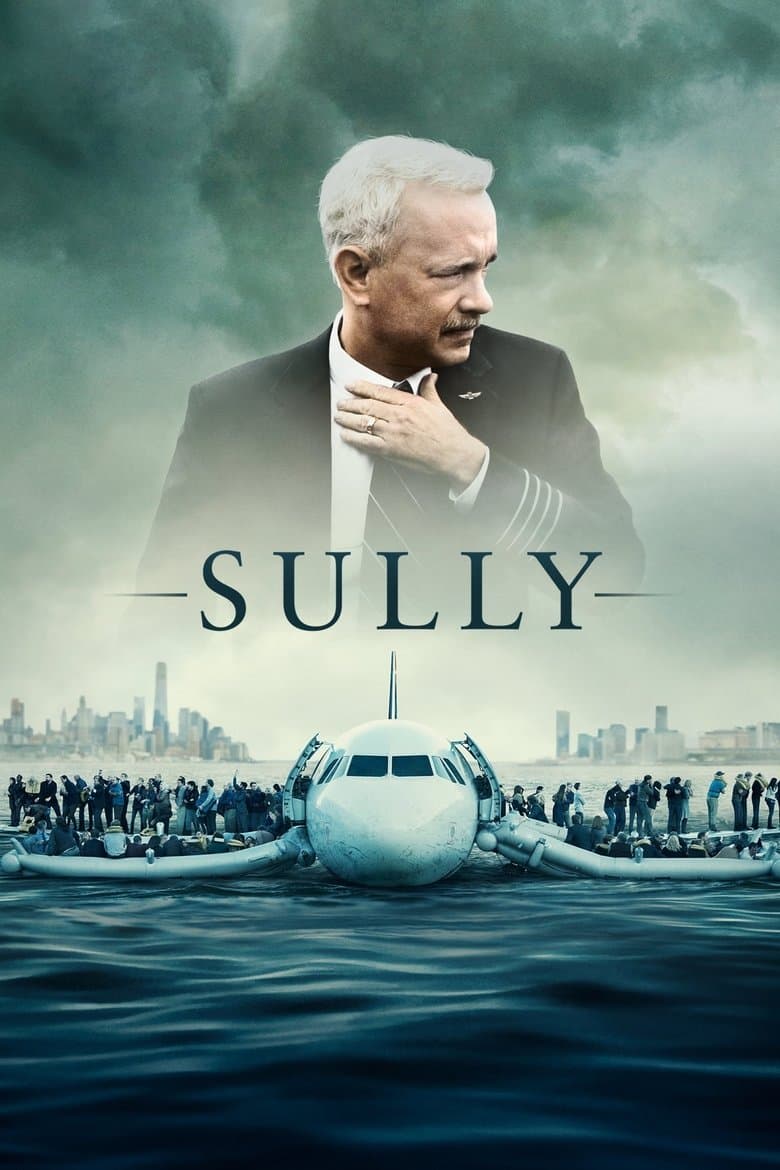
Movie · 2016
On 15 January 2009, the world witnessed the 'Miracle on the Hudson' when Captain 'Sully' Sullenberger glided his disabled plane onto the Hudson River, saving the lives of all 155…
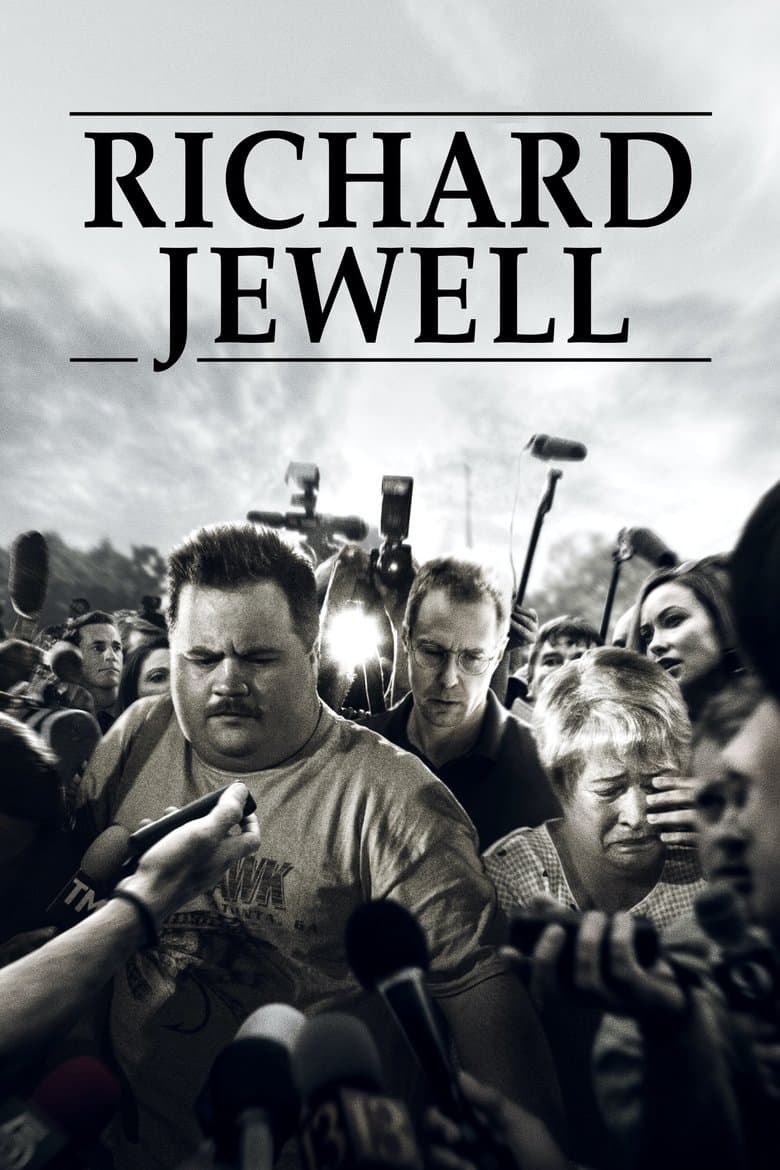
Movie · 2019
Richard Jewell thinks quick, works fast, and saves hundreds, perhaps thousands, of lives after a domestic terrorist plants several pipe bombs and they explode during a concert…
