
Titane follows Alexia, a young woman with a titanium plate in her head after a childhood car crash. She works as a dancer at car shows and kills people who get in her way. After she becomes pregnant in a bizarre encounter with a car, she cuts her hair, binds her body, and pretends to be Adrien, a missing boy. She enters the home of Vincent, a lonely fire chief who wants his son back. The film is a brutal, strange body horror story that slowly turns into a sad story about two damaged people.
The film makes gender and sexual desire central to Alexia’s changing body and identity. Alexia moves between a highly sexualized woman and a male identity, while her attraction to men, a woman, and a car breaks ordinary ideas about sex. Vincent’s steroid use and the firehouse’s macho culture show traditional male strength as painful and unstable. The ending presents care and family as something that can exist outside fixed gender roles.
Community feedback
Was our 69% Woke rating accurate?
Breakdown
These are the editorial factors and ratings behind our score for Titane.
Woke representation / casting
Not present. The main roles use French actors in a French story, and no diversity-first cast pattern is visible. The lead’s androgynous look serves the story rather than a broader casting campaign.
0%
Woke political dialogue
The film uses one brief identity-based joke in which a firefighter calls Jesus “white and gay.” The joke links race and sexuality to the firehouse scene. The story contains no repeated political or DEI speeches.
23%
Identity-driven story themes
Alexia changes her appearance, name, and social role to move from a woman into Adrien, a missing boy. The story joins pregnancy, body change, sex with a car, and sex with a woman into one path. The film treats gender as flexible and presents fixed roles as painful limits. Vincent accepts Alexia and Adrien as family even after the disguise breaks.
84%
Western institutional / cultural critique
Alexia kills a man who forces himself on her, and the film gives little sympathy to men who treat her as a sexual object. The firehouse rewards hard bodies, silence, and macho behavior. Vincent injects steroids to keep his powerful body and rank, and the film shows the habit as sad and damaging. The story questions rigid male roles, but Vincent is also shown as loving and protective.
47%
Woke character or canon changes
Not relevant. Titane is an original story, so it does not alter an established character, canon, or historical figure.
0%
Anti-woke backlash and complaints
Not present. Public debate described the film as shocking, strange, or hard to follow, not as a woke or DEI campaign. The supplied X pass found no anti-woke complaints, and no sustained wider complaint campaign was found.
0%
Creator track record context
Julia Ducournau has a record of body horror built around gender, sexuality, and changing bodies. Christel Baras has a long record of gender and representation work in casting. Bénédicte Kermadec was known for labor and social justice advocacy, while the producers often support socially aware art films. The team context is moderate to high, with the director’s identity focus doing most of the work.
58%
Production

Movie · 2020
After a tragic turn of events at the new home he's fixing up, Daniel hears a ghostly plea for help, spurring him to seek out a famous paranormal expert.

Movie · 2018
A disgraced children's puppeteer returns to his childhood home and is forced to confront his wicked stepfather and the secrets that have tortured him his entire life.

Movie · 2021
In the late 19th century, a brutal land baron slaughters a Roma clan, unleashing a curse on his family and village.
Movie · 2025
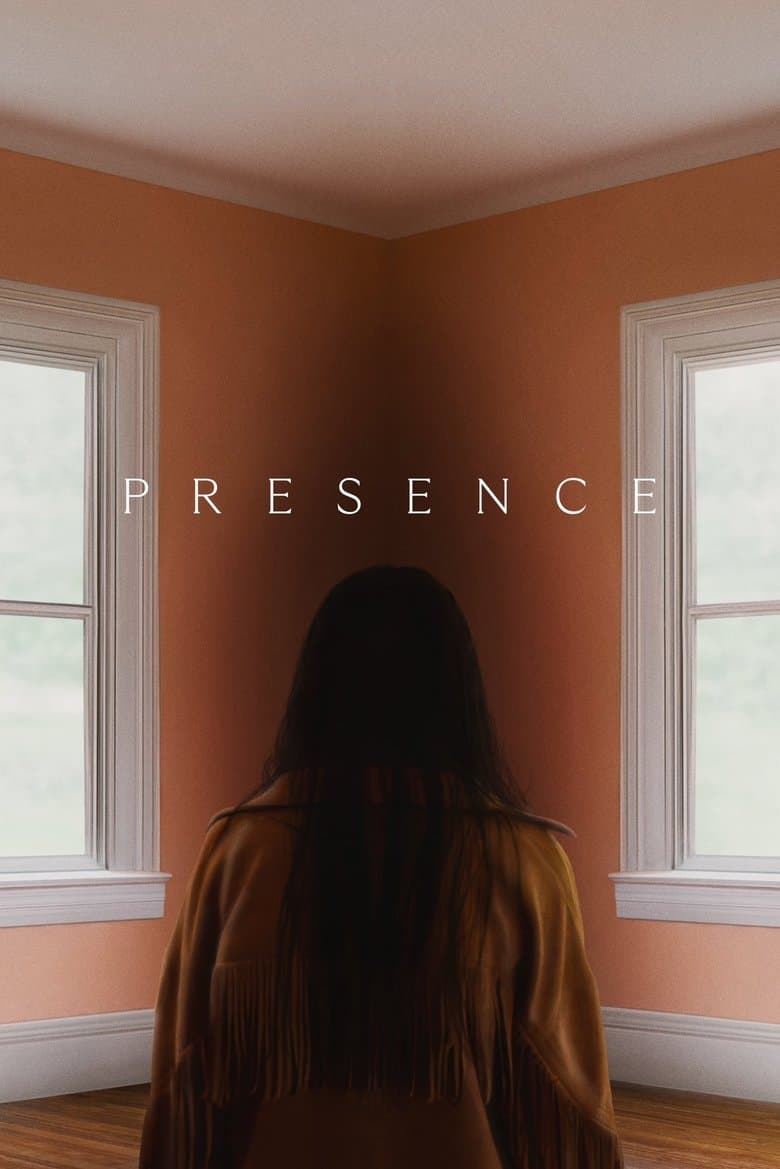
A couple and their children move into a seemingly normal suburban home. When strange events occur, they begin to believe there is something else in the house with them.

Movie · 2016
Two high school filmmakers decide to create the illusion of a haunting on an unsuspecting neighbor.

Movie · 2016
A struggling painter is possessed by satanic forces after he and his young family move into their dream home in rural Texas.

Movie · 2019
When Sarah lucks into a sweet one-bedroom at Asilo Del Mar Apartments in Los Angeles, she thinks she's hit the jackpot.

Movie · 2017
A young nurse is kidnapped by a group of violent teens who escape from a mental hospital and take her on the road trip from hell.
