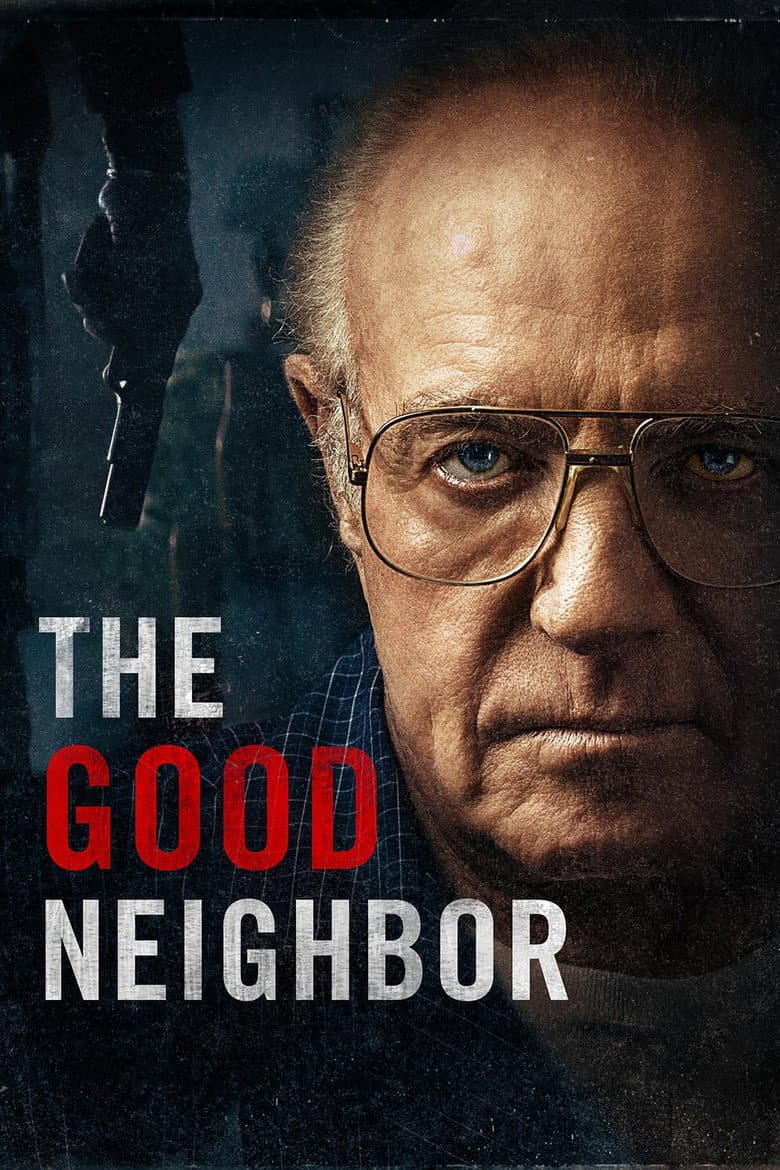
The Good Neighbor is a 2016 psychological thriller about two high school boys who rig hidden cameras and gadgets to fake a haunting in their grumpy elderly neighbor's home as a prank and "social experiment." The story follows their growing obsession, the neighbor's tragic backstory, and the consequences when the plan spirals out of control. No woke elements appear in the plot, dialogue, casting, marketing, or themes. The film stays focused on personal cruelty, loneliness, voyeurism, and moral fallout without identity politics or activist framing.
Community feedback
Was our 15% Woke rating accurate?
Breakdown
These are the editorial factors and ratings behind our score for The Good Neighbor.
Woke representation / casting
Predominantly white cast in natural suburban roles that fit the story, era, and setting. No forced diversity, race/gender swaps, or visible identity signaling. Minor supporting roles (including a black actor as a police officer) align logically with the plot.
5%
Woke political dialogue
No political speeches, activist language, or social-justice discussions. Dialogue stays personal and plot-driven around the prank and its fallout.
0%
Identity-driven story themes
Background mentions of the boys' broken homes and the neighbor's grief, but these are standard dramatic elements with no emphasis on race, gender, sexuality, or modern identity politics.
10%
Western institutional / cultural critique
Light touch on voyeurism, technology-enabled surveillance, and harsh judgment of isolated elderly people. Avoids any modern activist framing such as systemic critiques of patriarchy, capitalism, toxic masculinity, or cultural institutions.
15%
Woke character or canon changes
Not relevant. Original screenplay with no adaptations or reimagined figures.
0%
Anti-woke backlash and complaints
No documented backlash, "too woke" complaints, or public debate. The film received minimal attention and zero identity-politics controversy.
0%
Creator track record context
Most involved creatives have standard Hollywood careers in thrillers and dramas with little activist history. Director Kasra Farahani later explored themes of white male rage in another project, but this film shows no such emphasis or statements.
20%
Production
Movie · 2022
After escaping a Michigan prison, a charming career criminal assumes a new identity in Canada and goes on to rob a record 59 banks and jewellery stores while being hunted by a…
Movie · 2017
A young nurse is kidnapped by a group of violent teens who escape from a mental hospital and take her on the road trip from hell.
Movie · 2024
While awaiting the next fuel truck at a middle-of-nowhere Arizona rest stop, a traveling young knife salesman is thrust into a high-stakes hostage situation by the arrival of two…

Movie · 2021
Deputy Sheriff Joe "Deke" Deacon joins forces with Sgt. Jim Baxter to search for a serial killer who's terrorizing Los Angeles.
Movie · 2019
In New York, former convict Pete Koslow, related to the Polish mafia, must deal with both Klimek the General, his ruthless boss, and the twisted ambitions of two federal agents…
Movie · 2019
After a mass shooting at a police funeral, reclusive ex-cop Gannon finds himself unwittingly forced out of retirement when he realizes that the killer belongs to the same militia…

Movie · 2018
A thief makes a disturbing discovery in the house where he breaks in. Later, when he returns to the same house with his partner in crime, things are no longer how he expected.

Movie · 2024
Stranded in the open sea after a fatal accident, a young woman and her two friends are rescued by a fishing vessel's captain, unaware that the ship harbors a chilling secret.
