
The Devil's Candy is a Texas horror movie about painter Jesse Hellman, his wife Astrid, and their daughter Zooey. They buy a rural farmhouse once lived in by Ray Smilie. Ray hears a demonic voice and kills children he calls His candy. Jesse starts hearing the same voice and paints darker, possessed work while Ray stalks and takes Zooey. The ending brings home invasion violence and a fire. Jesse saves his daughter and finds buried child victims.
The film stays on satanic possession, parental fear, metal culture, and a father protecting his child. There is no identity politics push, diversity messaging, or activist dialogue. Casting is a normal family story with a white male killer in rural Texas horror. Devil, crucifix, and preacher images work as classic satanic horror atmosphere, not as a modern attack on faith or Western life. Reception focuses on scares, the metal soundtrack, and the father-daughter bond, not social messaging.
Community feedback
Was our 2% Woke rating accurate?
Breakdown
These are the editorial factors and ratings behind our score for The Devil's Candy.
Woke representation / casting
Not present. The main cast is a normal white family and a white male killer in rural Texas horror. Supporting roles such as gallery owner, preacher, and cops feel like ordinary genre casting. Nothing reads as identity-first or quota-style casting.
0%
Woke political dialogue
Not present. Talk stays on family, art, possession, and the killer’s demonic obsession. There are no activist lines, DEI talk, race or gender politics, or modern identity slogans.
0%
Identity-driven story themes
Not present. The story is about satanic influence, parental fear, and a metal dad protecting his daughter. Themes are possession, artistic temptation, and keeping a child safe. They are not about race, gender ideology, queer identity, or representation messaging.
0%
Western institutional / cultural critique
Not present. Devil, crucifix, and TV preacher material build classic satanic-horror mood. The idea that metal is not inherently evil is genre play, not a modern activist attack on Christianity, patriarchy, whiteness, or Western institutions.
0%
Woke character or canon changes
Not relevant. This is an original story. No legacy characters or historical figures are rewritten for identity politics.
0%
Anti-woke backlash and complaints
Not present. Coverage and fans focus on scares, the metal soundtrack, and the performances. No meaningful right-leaning or anti-woke campaign treats the film as DEI or propaganda.
0%
Creator track record context
Byrne, the producers, the ADs, and the editor mostly sit in a low band for activist work. Their careers center on indie horror craft rather than identity-driven projects. That low pattern matches the film’s non-political content.
8%
Production
Movie · 2016
Paralyzed by his fear of dying, Miles Grissom takes out an advert offering $30,000 in reward money to the first person who can show him evidence of an angel, a demon, or prove…
Movie · 2017
Liam wakes from a car crash with no memory of who he is. As he makes his way into town to look for help, he finds only dead bodies, all with strange pale eyes.
Movie · 2016
In a post-apocalyptic future where population control is dictated by a high-school aptitude test, two students discover the test is smoke and mirrors hiding a larger conspiracy.
Movie · 2018
Failed architect, engineer and vicious murderer Jack narrates the details of some of his most elaborately orchestrated crimes, each of them a towering piece of art that defines…
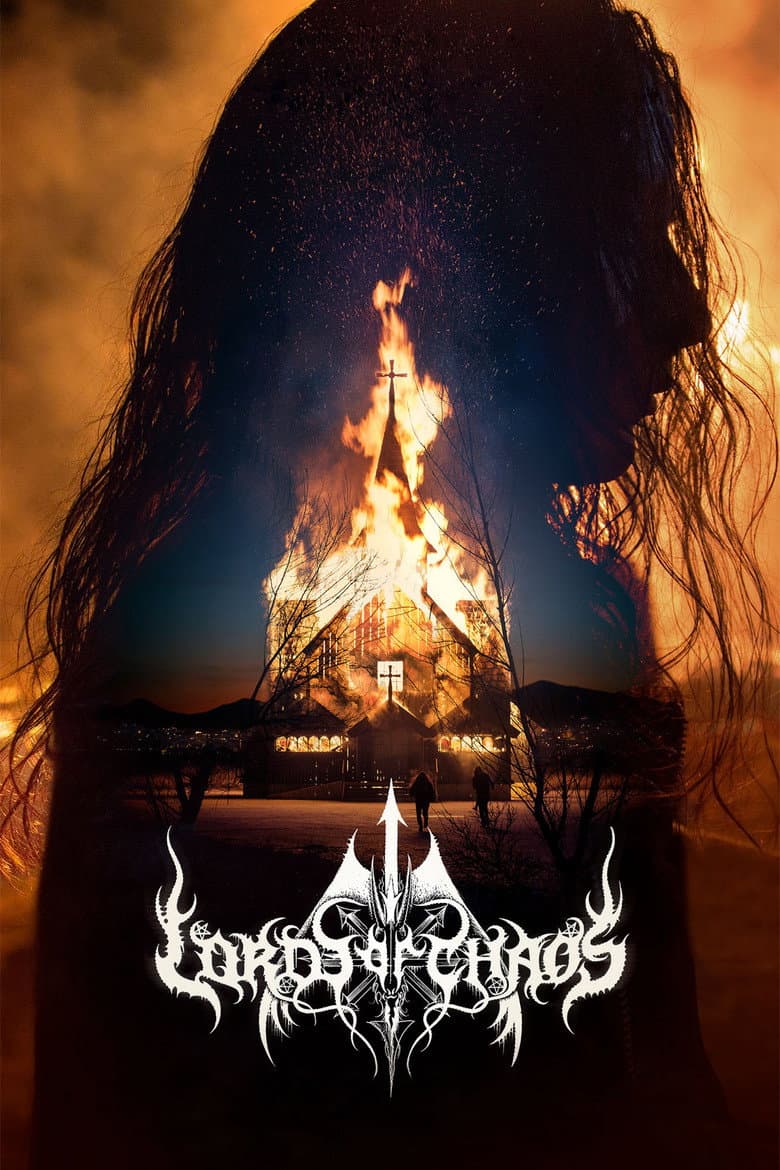
Movie · 2018
A teenager's quest to launch Norwegian Black Metal in Oslo in the 1990s results in a very violent outcome.
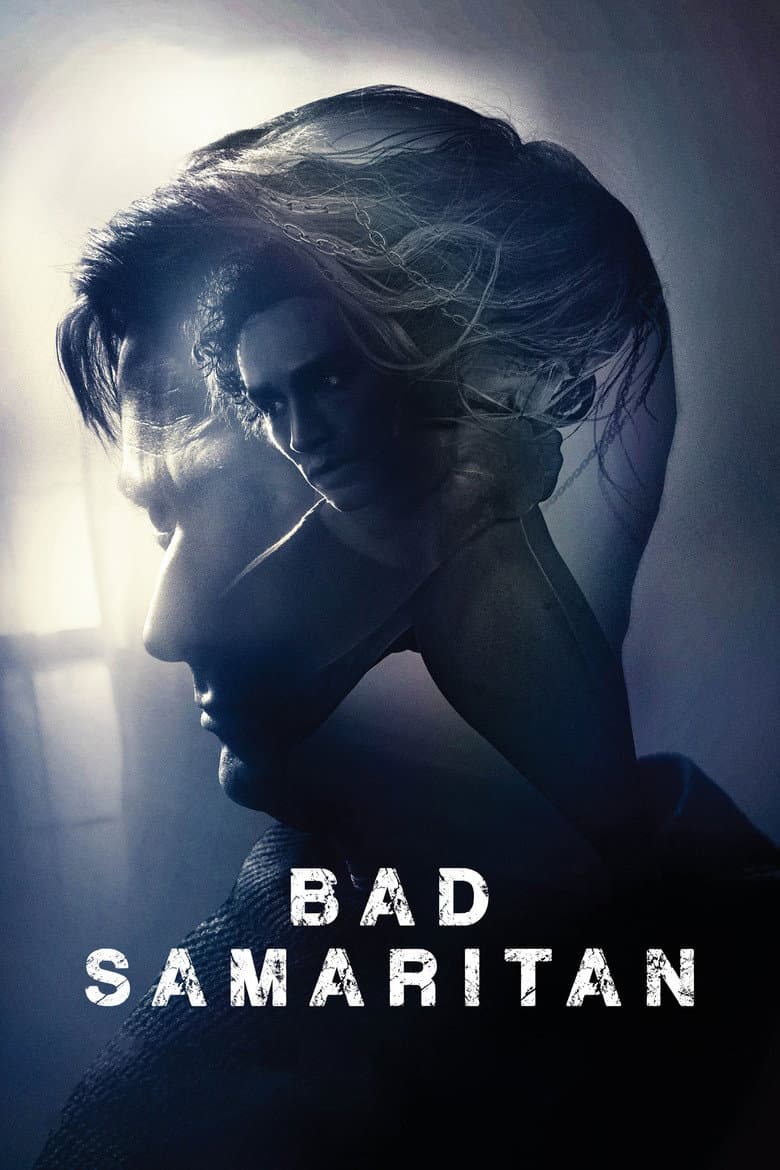
Movie · 2018
A thief makes a disturbing discovery in the house where he breaks in. Later, when he returns to the same house with his partner in crime, things are no longer how he expected.
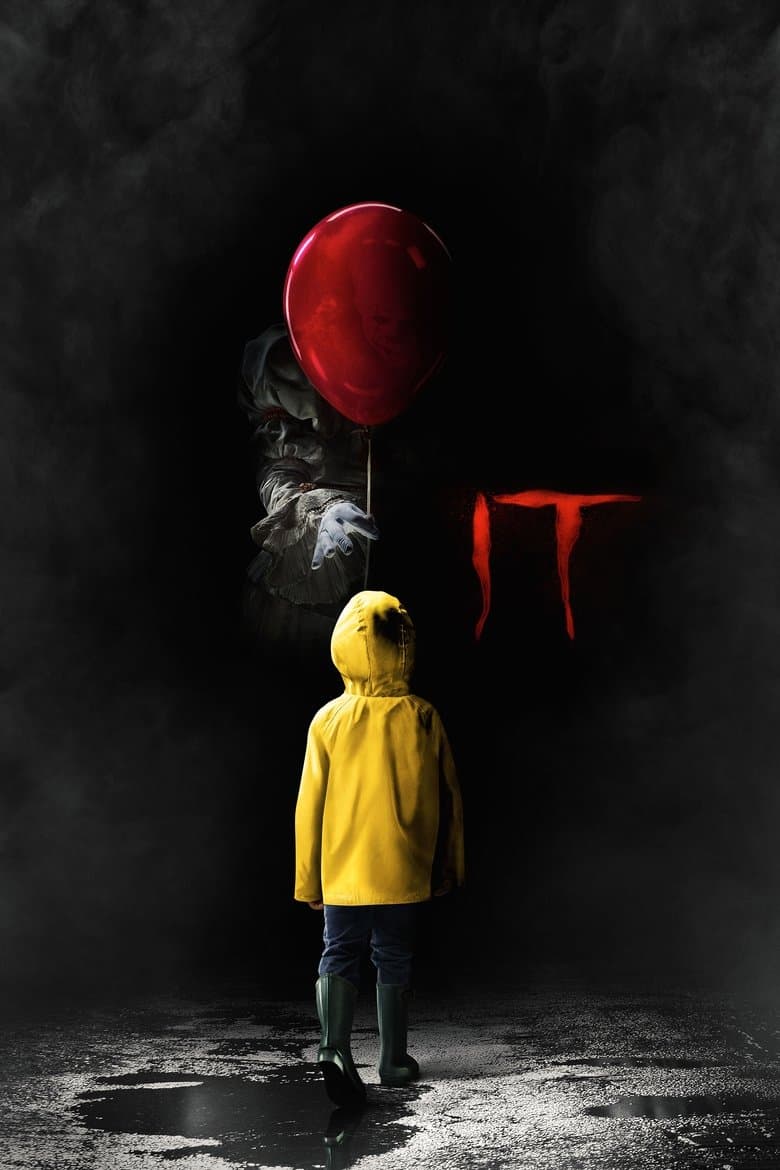
Movie · 2017
In a small town in Maine, seven children known as The Losers Club come face to face with life problems, bullies and a monster that takes the shape of a clown called Pennywise.
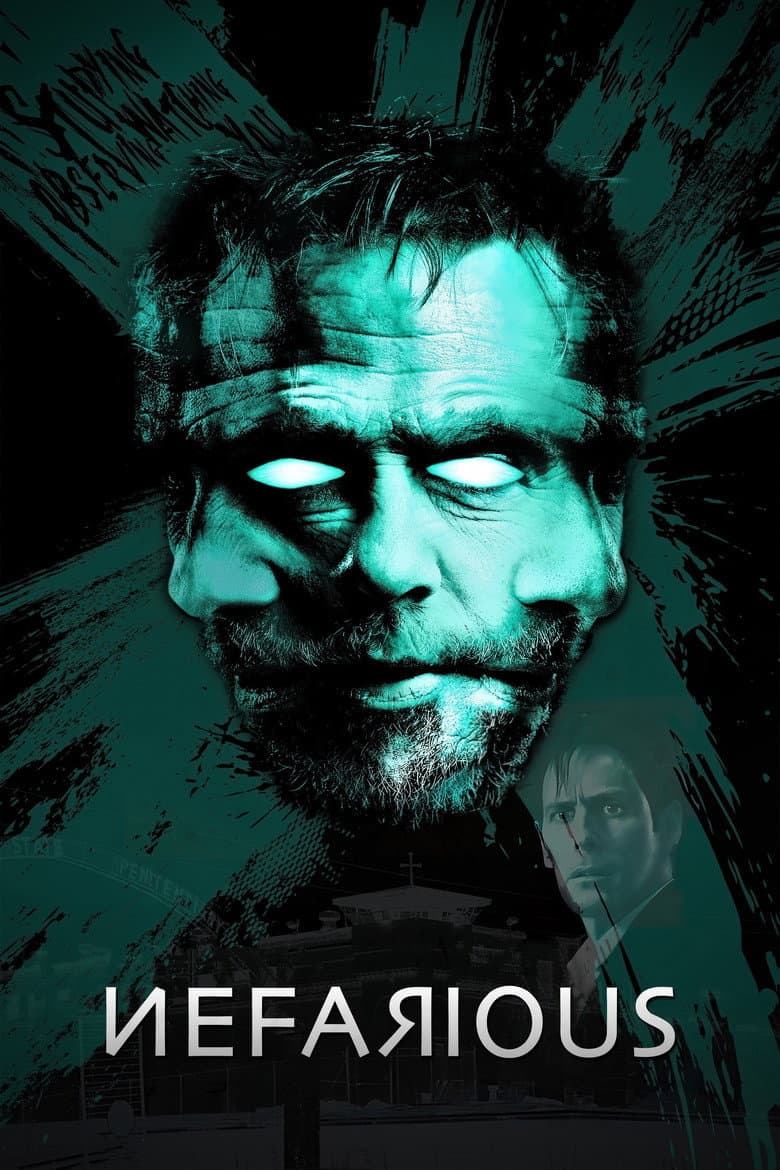
Movie · 2023
On the day of his scheduled execution, a convicted serial killer gets a psychiatric evaluation during which he claims he is a demon, and further claims that before their time is…
