
Thoroughbreds is a dark crime thriller set among wealthy families in suburban Connecticut. Lily is a polished high school student, while Amanda is a lonely former friend who says she cannot feel normal emotions. The girls reunite and grow close after Lily complains about her controlling stepfather, Mark. They ask Tim, a troubled drug dealer, to kill him, and their quiet plan turns into a cold test of loyalty, guilt, and self-control.
The film puts two teenage girls at the center of nearly every major choice. Lily and Amanda plan the murder, pressure Tim, and treat the men around them as obstacles, targets, or tools. Their friendship matters more than romance, and the story gives their intense bond most of its attention. The film does not present their control as a clean victory, because both girls are selfish and cruel, and Amanda faces a serious result for the killing. Its gender focus is clear, but the story is mainly about damaged people, wealth, boredom, and moral responsibility.
Community feedback
Was our 33% Woke rating accurate?
Breakdown
These are the editorial factors and ratings behind our score for Thoroughbreds.
Woke representation / casting
The film gives its two main roles to white teenage girls and keeps most other important roles in their circle. The cast fits a wealthy Connecticut story and does not show a broad diversity pattern. The film’s press coverage also stressed that a full story about female friendship was unusual and that the girls stay in control. This creates a mild gender-representation signal, but it is not a diversity-first cast.
18%
Woke political dialogue
The dialogue contains a few lines about gender and class power. Lily says Mark treats her and her mother like kept women, and she calls the marriage a hostage situation. Tim calls the girls children of privilege, while Mark talks about the duties of a father toward a teenage girl. These lines support the family conflict, but they do not become a repeated activist message.
15%
Identity-driven story themes
The film makes a close friendship between two teenage girls the main subject. Lily and Amanda drive the murder plan, pressure Tim, and keep control of most key choices. The story gives their bond more weight than romance and places weak or troubled men around them as targets, obstacles, or helpers. Their power comes with cruelty, fear, and punishment, so the film is not a simple celebration of female strength. The gender focus is central, but it is tied to a dark crime story rather than a direct activist lesson.
38%
Western institutional / cultural critique
The movie shows a rich household where Mark uses money, rules, and fatherly authority to control Lily and her mother. Lily calls the marriage a hostage situation, and Amanda mocks the family’s wealth and the life Tim wants to copy. Those scenes give the film a mild critique of male control and class privilege. The story does not attack capitalism, Christianity, or Western institutions across the whole film.
18%
Woke character or canon changes
Not relevant. The film is an original story about Lily, Amanda, Tim, and Mark. It does not change a known character, real event, or source canon for identity reasons.
0%
Anti-woke backlash and complaints
Not present. An X check found no anti-woke reaction, and broader searches found no boycott or repeated complaint that the film pushes DEI or identity politics. Public discussion centered on the acting, plot, dark humor, pacing, and female friendship.
0%
Creator track record context
Cory Finley is mainly known for character-driven stories about morality, privilege, and institutions, with little public identity-politics focus. Jim Rash has a stronger public record of supporting LGBTQ representation. The other credited producers and crew have low or limited activist signals in the available record. This gives the title a mild creator-context signal, but the film itself does not show a matching activist pattern.
26%
Production
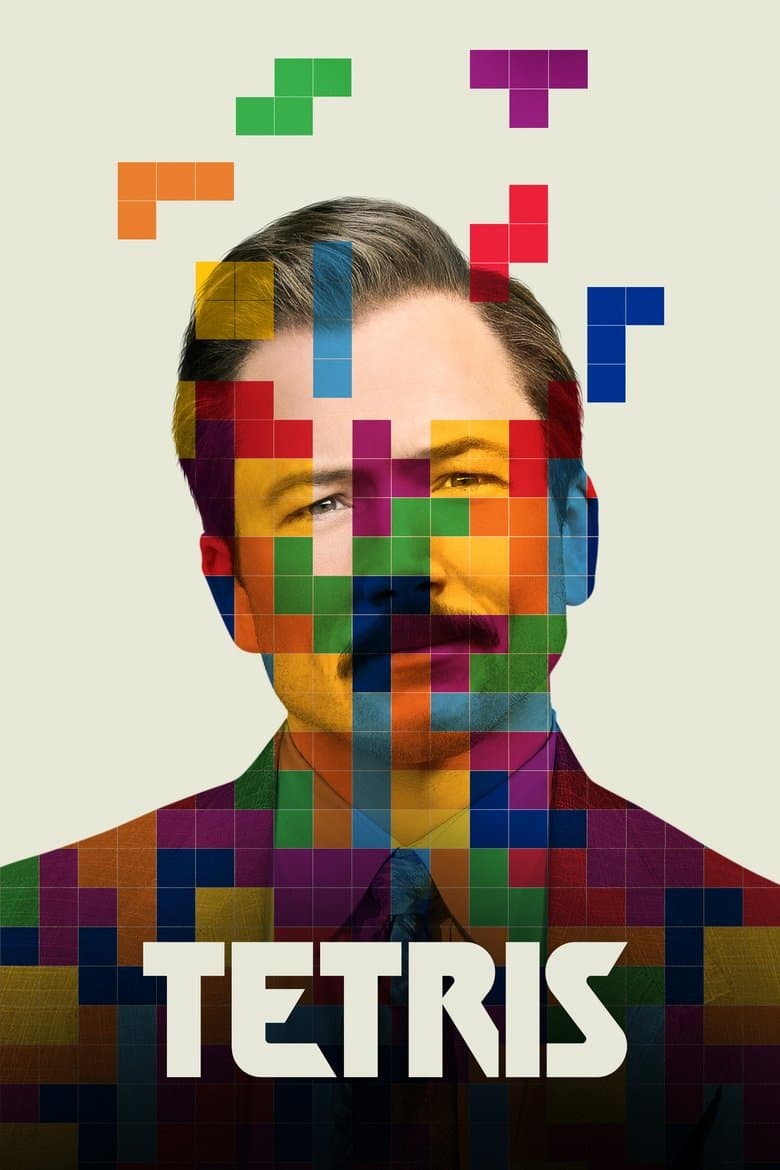
Movie · 2023
In 1988, American video game salesman Henk Rogers discovers the video game Tetris. When he sets out to bring the game to the world, he enters a dangerous web of lies and…

Movie · 2017
A newly-released prison gangster is forced by the leaders of his gang to orchestrate a major crime with a brutal rival gang on the streets of Southern California.

Movie · 2020
2038: George Almore is working on a true human-equivalent AI, and his latest prototype is almost ready. This sensitive phase is also the riskiest as he has a goal that must be…
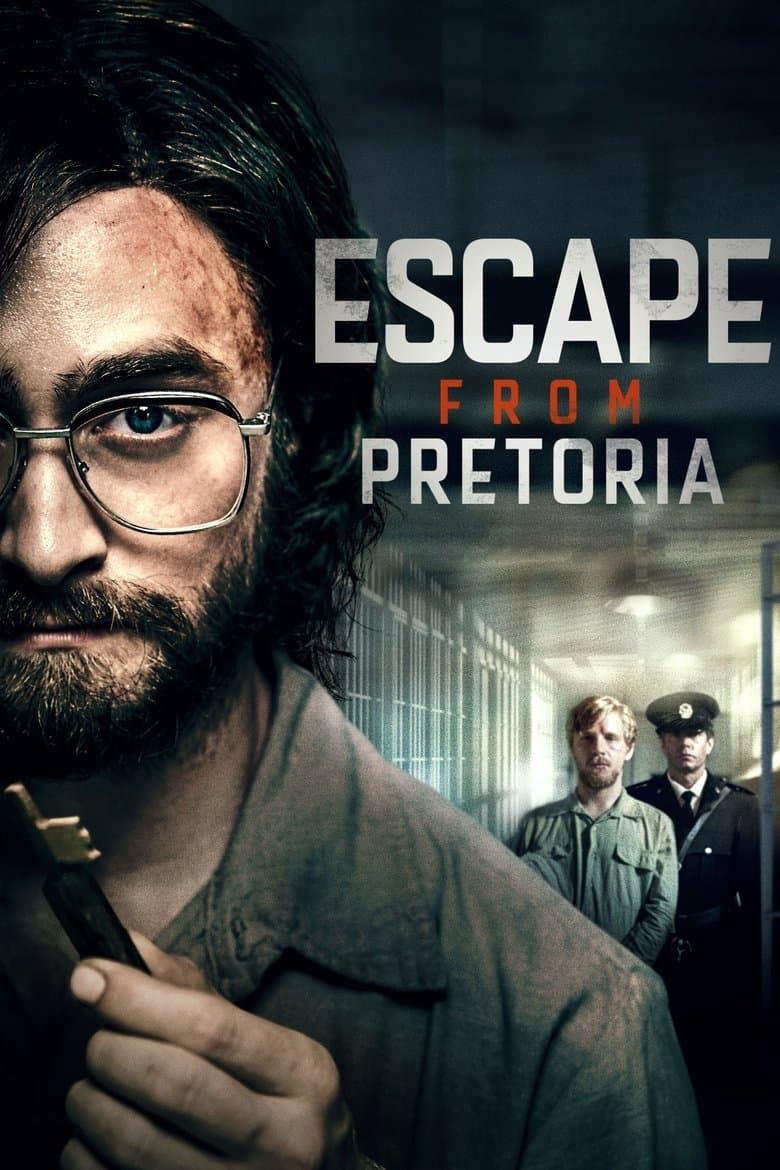
Movie · 2020
South Africa, 1978. Tim Jenkin and Stephen Lee, two white political activists from the African National Congress imprisoned by the apartheid regime, put a plan in motion to escape…
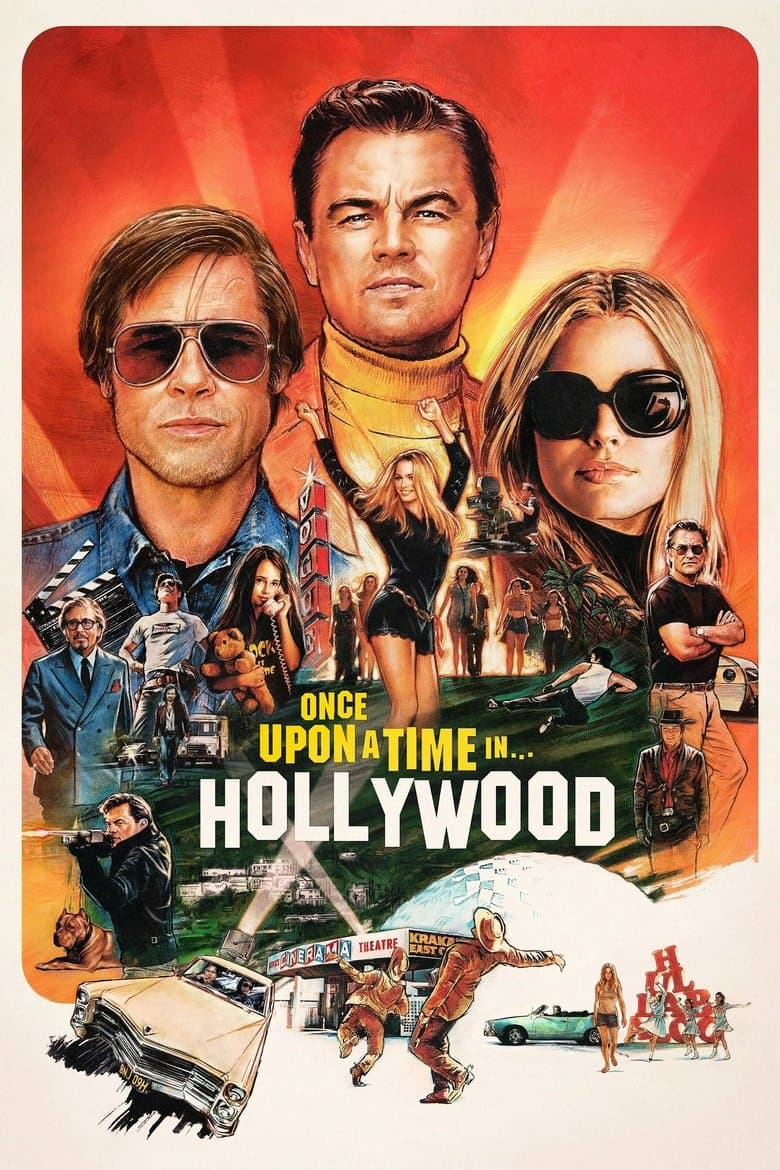
Movie · 2019
Los Angeles, 1969. TV star Rick Dalton, a struggling actor specializing in westerns, and stuntman Cliff Booth, his best friend, try to survive in a constantly changing movie…

Movie · 2025
A broker of lucrative payoffs between corrupt corporations and the individuals who threaten them breaks his own rules when a new client seeks his protection to stay alive.
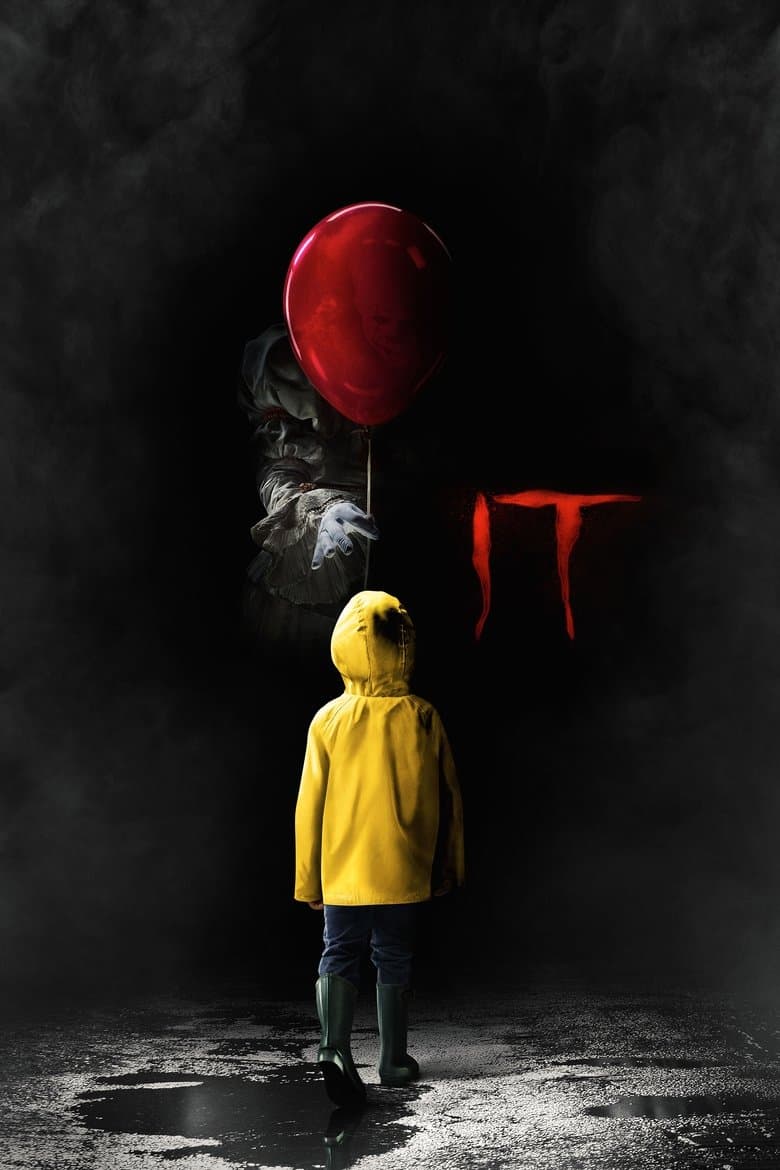
Movie · 2017
In a small town in Maine, seven children known as The Losers Club come face to face with life problems, bullies and a monster that takes the shape of a clown called Pennywise.

Movie · 2022
Based on the true nail-biting mission that captivated the world. Twelve boys and the coach of a Thai soccer team explore the Tham Luang cave when an unexpected rainstorm traps…
