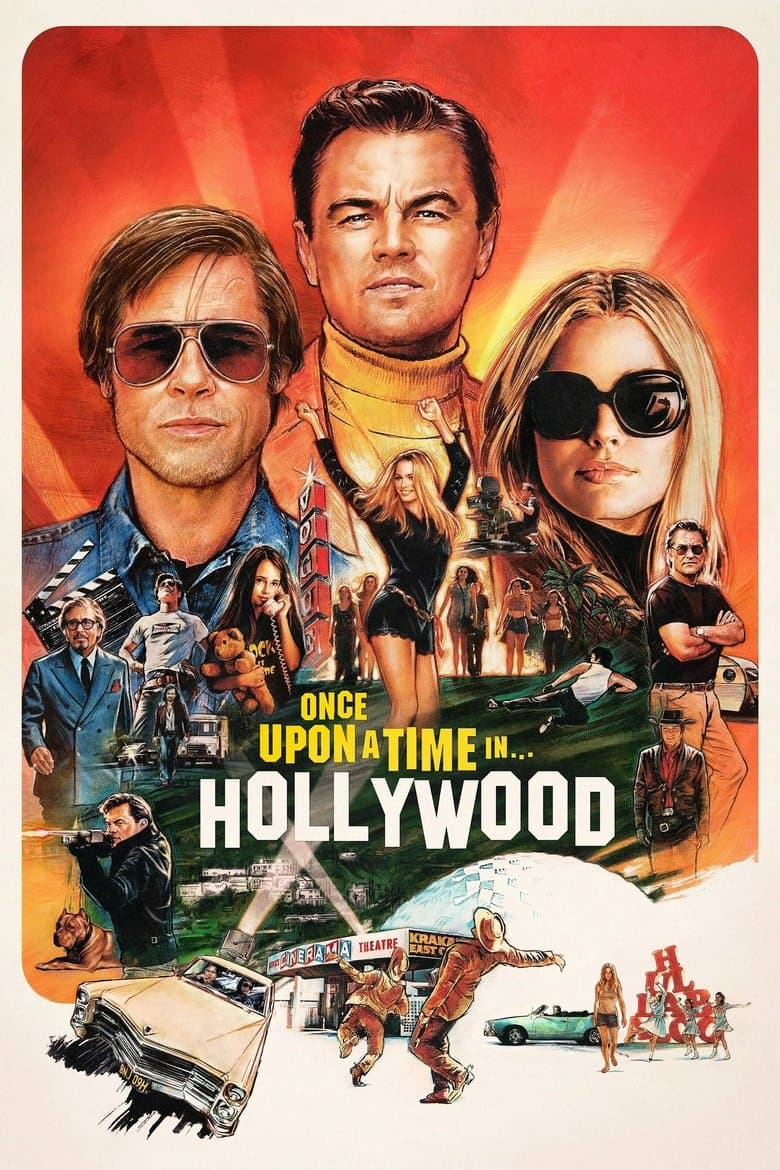
Los Angeles in 1969 follows fading Western TV star Rick Dalton and his stuntman friend Cliff Booth as Hollywood leaves them behind. Dalton lives next door to Sharon Tate and Roman Polanski while the Manson Family hangs at Spahn Ranch. The story is a period nostalgia piece and alternate-history fairy tale. It climaxes by diverting the Tate murders so Rick and Cliff stop the killers instead. Core themes are friendship, career anxiety, masculine competence, and love of old Hollywood.
Audience-visible woke elements are essentially absent. Dialogue is shop talk, career insecurity, period slang, and hostility toward hippies and Manson types rather than modern activist lines. The story is not driven by race, gender, or sexuality as a moral thesis. The alternate-history ending is pulp fantasy, not progressive reframing. Progressive critics instead attacked the film as regressive for celebrating old Hollywood, traditional male action, limited dialogue for Sharon Tate, and a Bruce Lee fight scene widely called disrespectful.
Community feedback
Was our 4% Woke rating accurate?
Breakdown
These are the editorial factors and ratings behind our score for Once Upon a Time... in Hollywood.
Woke representation / casting
Period-accurate 1969 Hollywood casting with white male leads and historical figures cast to match real counterparts, with no audience-visible quota pattern or DEI casting framing.
0%
Woke political dialogue
Dialogue is shop talk, career insecurity, period slang, and hostility toward hippies and Manson types, not modern activist lines.
0%
Identity-driven story themes
Story is nostalgia, male friendship, fading stardom, and a pulp rewrite of the Tate murders, not identity as narrative engine or moral thesis.
0%
Western institutional / cultural critique
Does not push modern activist critiques of whiteness, patriarchy, capitalism, or Western institutions, and progressive critics framed it as regressive.
0%
Woke character or canon changes
Alternate-history ending is fairy-tale pulp rather than progressive identity rewrites, and the Bruce Lee portrayal was criticized as disrespectful rather than woke elevation.
0%
Anti-woke backlash and complaints
No meaningful anti-woke complaint that the film pushes woke messaging, while controversy ran through progressive critiques and anti-woke defenses of the film.
0%
Creator track record context
Tarantino is the primary voice with a non-DEI-forward pulp profile, mild aggregate supporting creator signal, and no activist-driven frame for this project.
18%
Production

Movie · 2017
When a depressed woman is burglarized, she finds a new sense of purpose by tracking down the thieves alongside her obnoxious neighbor.
Movie · 2016
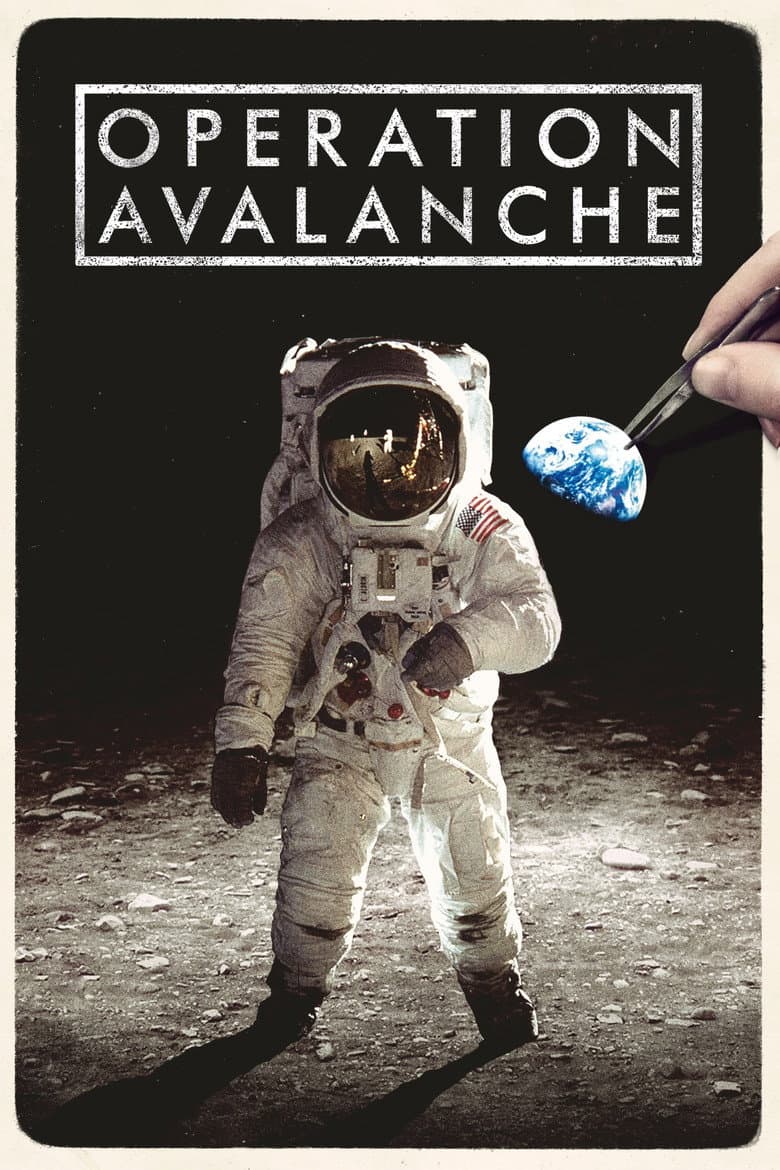
In 1967, four undercover CIA agents were sent to NASA posing as a documentary film crew. What they discovered led to one of the biggest conspiracies in American history.
Movie · 2017
Lynn, a brilliant student, after helping her friends to get the grades they need, develops the idea of starting a much bigger exam-cheating business.
Movie · 2017
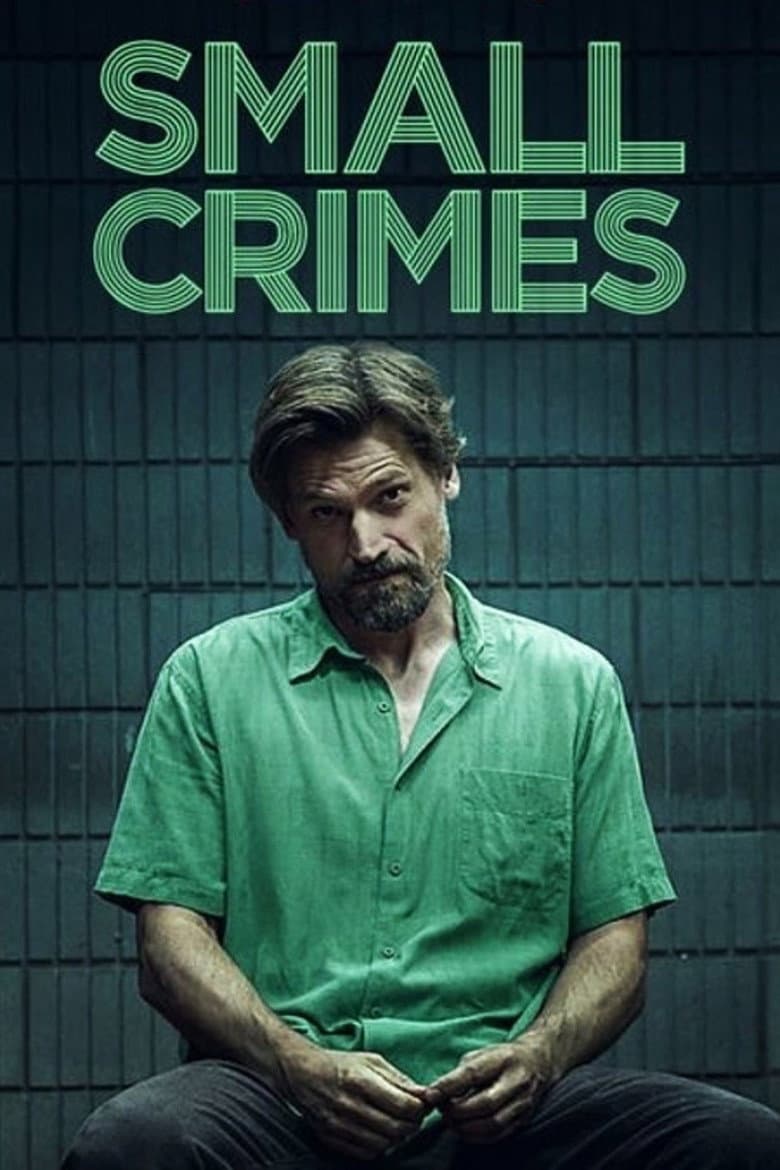
A disgraced former cop, fresh off a six-year prison sentence for attempted murder, returns home looking for redemption but winds up trapped in the mess he left behind.
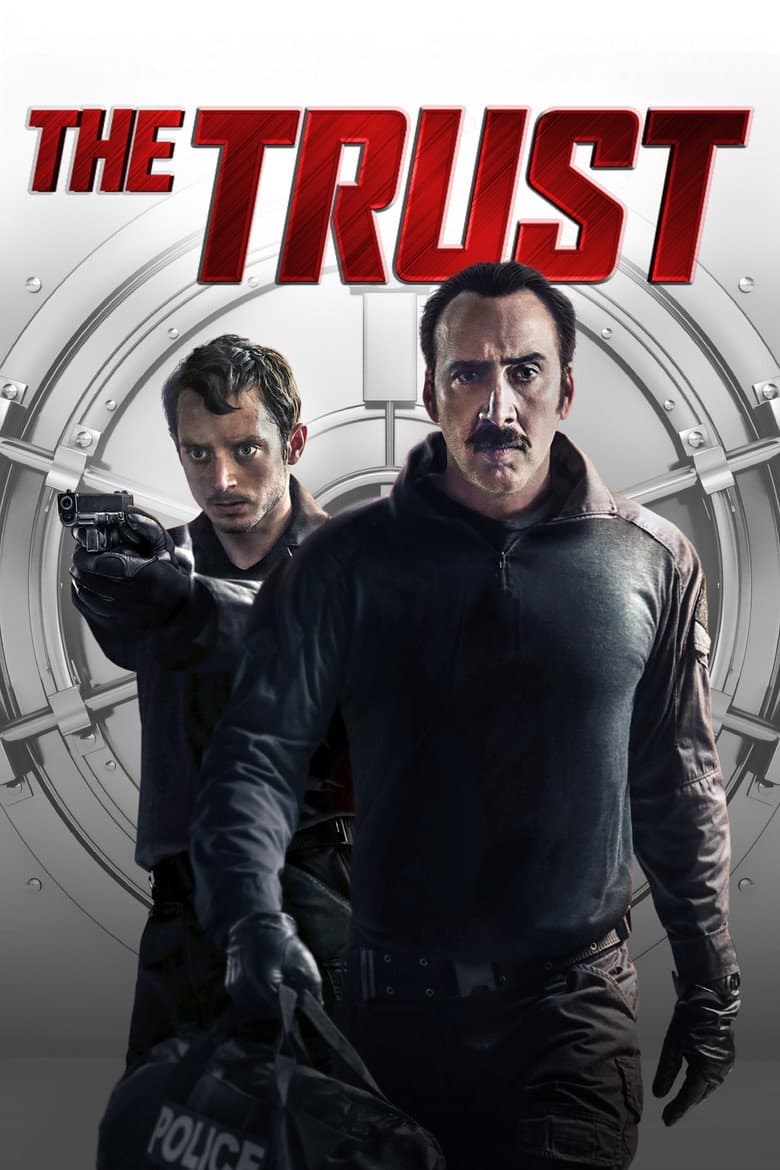
Movie · 2016
A pair of cops investigating a drug invasion stumble upon a mysterious bank vault.
