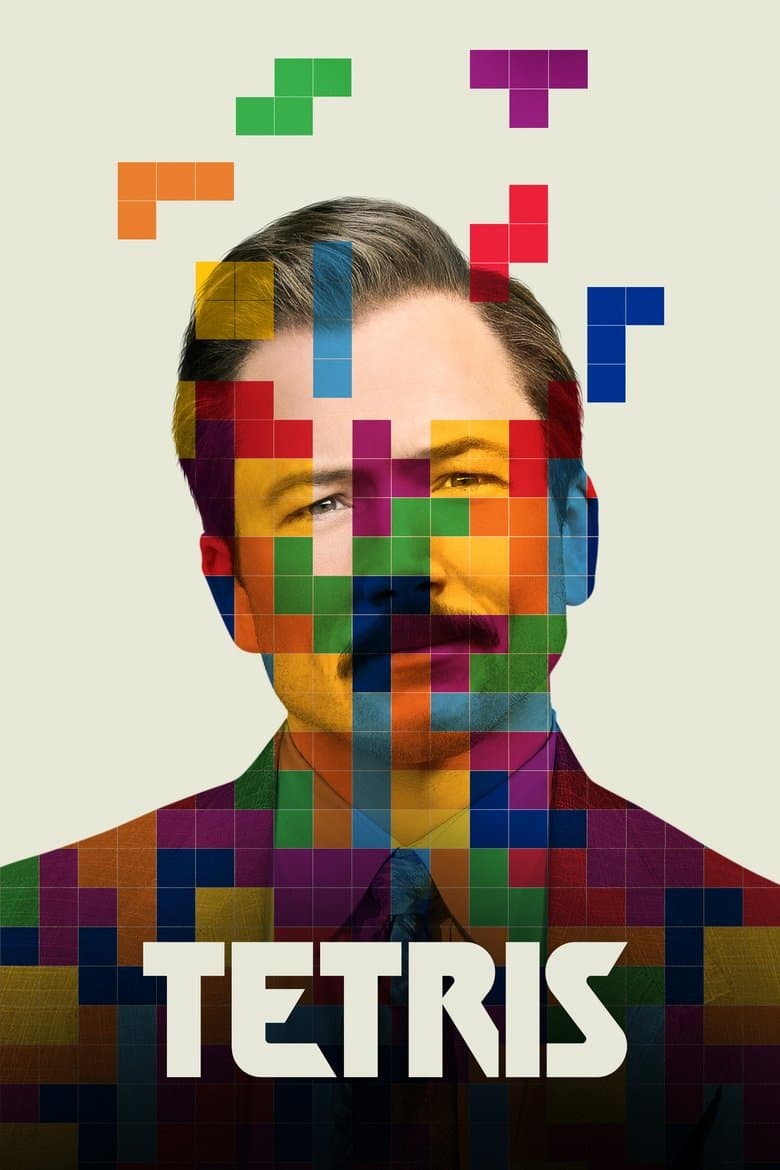
In 1988, Dutch-American game seller Henk Rogers finds a Soviet puzzle game called Tetris and becomes hooked. He wants the rights so he can sell it around the world, including with Nintendo’s new Game Boy. The deal pulls him into a risky fight with shady businessmen, Soviet officials, and the KGB. The movie is a fast, fun Cold War thriller with a bright, game-like look.
The story is about deals, greed, friendship, and getting a great idea out of a closed country. Viewers mainly see boardroom fights, travel between Japan, America, and Moscow, and a made-up car chase at the end. The film treats corrupt Soviet power as a real danger and also shows dishonest rich Western buyers as cheats. Its core message is closer to free trade and open ideas than modern identity politics. A normal viewer would notice the anti-Soviet thriller plot and business drama far more than any social-justice message.
Community feedback
Was our 7% Woke rating accurate?
Breakdown
These are the editorial factors and ratings behind our score for Tetris.
Woke representation / casting
Leads and key roles track real people and 1980s settings (Dutch-American salesman, Russian creator, Japanese wife and Nintendo staff, British Maxwells). Diversity is story-world and history-based, not a clear quota or identity-signaling pattern in the main cast.
0%
Woke political dialogue
Talk is about contracts, rights, bribes, KGB threats, and communism vs free business. Lines favor open ideas and honest deals. That is period politics and commerce, not modern activist race, gender, or DEI speech.
0%
Identity-driven story themes
Core themes are hustle, IP deals, friendship, and getting a game past a closed state. Identity-politics arcs (race, gender ideology, queer identity as theme) are not how the plot is built or sold.
0%
Western institutional / cultural critique
The film hits Soviet tyranny and crooked officials hard, and also shows greedy Western tycoons cheating. That is Cold War anti-dictatorship plus crook satire, not modern activist attacks on Western culture, “whiteness,” patriarchy, or traditional family as the main message.
8%
Woke character or canon changes
Not relevant. Changes are thriller padding (chase, spy interpreter, heighted danger), not race/gender swaps or DEI rewrites of real people for identity messaging.
0%
Anti-woke backlash and complaints
No clear, widespread anti-woke or right-leaning campaign that this movie pushes woke, DEI, or identity politics. Fringe “non-woke” praise and left “propaganda” jabs do not count as anti-woke backlash under the rules.
0%
Creator track record context
Key director and writer scores are very low; most producers are low or mild. Egerton’s stronger ally record raises the group a little as supporting context only; the finished film still reads as a commercial Cold War business thriller.
14%
Production
Movie · 2025
A group of disillusioned outsiders abandon modern society in search of a new beginning. Settling on a remote, uninhabited island, their utopian dream quickly unravels as they…
Movie · 2016
Irish Commandant Pat Quinlan leads a stand off with troops against French and Belgian Mercenaries in the Congo during the early 1960s.
Movie · 2019
In New York, former convict Pete Koslow, related to the Polish mafia, must deal with both Klimek the General, his ruthless boss, and the twisted ambitions of two federal agents…

Movie · 2016
When Krisha returns to her estranged family for Thanksgiving dinner, past demons threaten to ruin the festivities.
Movie · 2021
When the aging Meyer Lansky is investigated one last time by the Feds who suspect he has stashed away millions of dollars over half a century, the retired gangster spins a…
Movie · 2025
Marty Mauser, a young man with a dream no one respects, goes to hell and back in pursuit of greatness.
Movie · 2019
In 1933, Welsh journalist Gareth Jones travels to Ukraine, where he experiences the horrors of a famine. Everywhere he goes he meets henchmen of the Soviet secret service who are…
Movie · 2019
After a mass shooting at a police funeral, reclusive ex-cop Gannon finds himself unwittingly forced out of retirement when he realizes that the killer belongs to the same militia…
