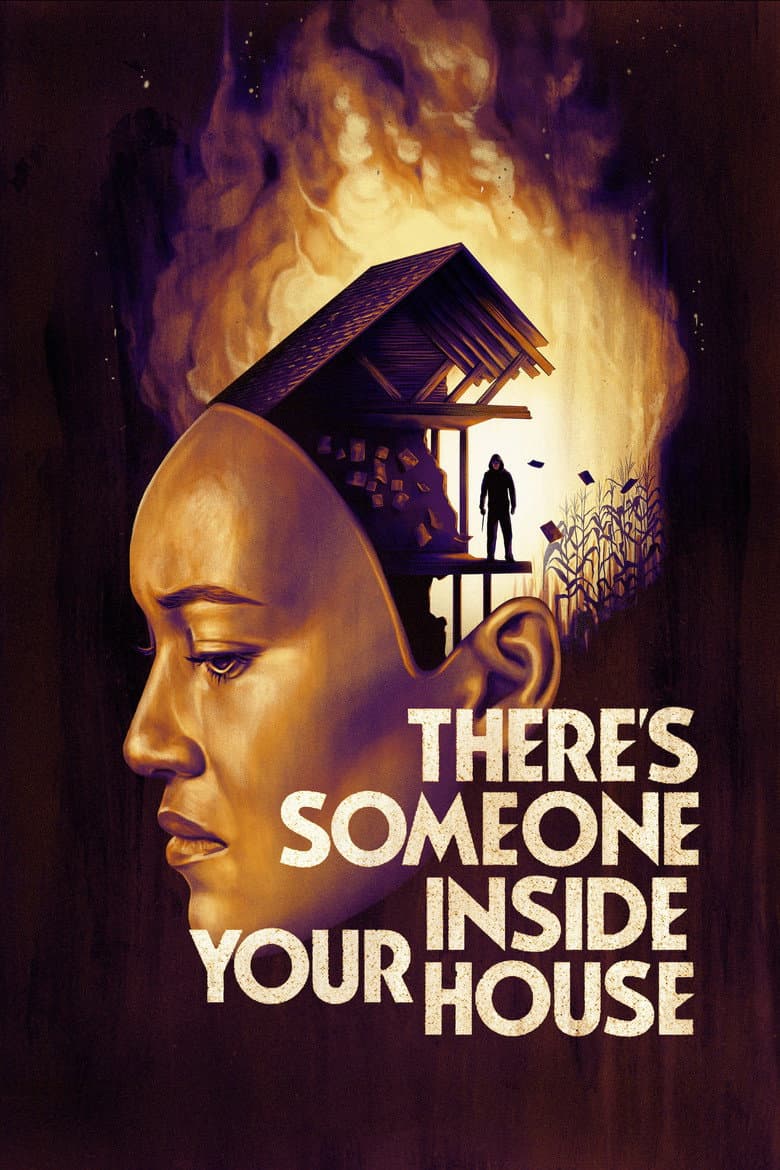
Makani Young is a quiet high school senior who moves from Hawaii to Osborne, Nebraska, and lives with her grandmother. A masked killer stalks students and sends their private secrets to the whole town before attacking them. Makani and her small group of friends must protect each other while the police search for the killer. The movie mixes bloody slasher scenes with teen romance, school drama, and questions about guilt, shame, and forgiveness.
The movie places a mixed-race lead beside black and Latino friends, a gay football player, and Darby, a student who uses she, he, and they. The group welcomes students who feel pushed aside by the school, while Zach, the rich son of a powerful farm owner, hides his anger at his father's wealth and control of the town. The film links the murders to a homophobic attack and a racist podcast. It ends with a sharp argument about privilege, prejudice, and who gets to leave a small town.
Community feedback
Was our 80% Woke rating accurate?
Breakdown
These are the editorial factors and ratings behind our score for There's Someone Inside Your House.
Woke representation / casting
The main group combines a mixed-race lead, a black friend, a Latino friend, a student who uses she, he, and they, a gay football player, and a rich white boy. The movie puts most of these identities in its central friend group rather than in the background. Patrick Brice said the nonbinary lead felt like progress, while Sydney Park discussed the importance of playing a half-Black, half-Asian lead. The repeated identity pattern and public framing make representation a clear production choice.
57%
Woke political dialogue
The student council president gives a speech about oppression and celebrates Darby's use of she, he, and they. The students joke that police may blame someone who is not white and discuss replacing the police with private security. The killer's final speech says he is ashamed of being born with privilege, and Makani answers that having everything does not make him a victim. The film also plays a long racist and anti-SJW podcast recording, but it presents those views as hateful.
58%
Identity-driven story themes
The killer chooses victims based on hidden wrongs, so the story repeatedly asks whether public identity matches private behavior. The friend group is built around race, sexuality, and gender differences, and the movie treats acceptance as a way to resist shame and exclusion. The plot gives special weight to a gay player attacked by teammates, a student exposed for racist speech, and a rich boy who blames privilege for his anger. Makani's final choice rejects the killer's blame, but identity themes remain central.
62%
Western institutional / cultural critique
The film criticizes homophobic bullying, racist speech, and the power held by a wealthy farm family. The students say the sheriff may blame someone who is not white and note that the farm owner wants to replace the police with private security. The story shows the father buying local farms and using his money to control the town. The church setting is used for a murder, but the film does not make a broad attack on Christianity.
52%
Woke character or canon changes
The film changes Makani's native Hawaiian background in the novel to a Korean and Black background in the movie. The film also changes Darby from a trans boy in the novel to a nonbinary student who uses she, he, and they. These identity changes affect a lead and a major friend, so the source material is visibly altered.
42%
Anti-woke backlash and complaints
Several Reddit viewers called the movie woke and said it pushed an anti-white, anti-male, anti-straight, anti-capitalist, pro-BLM, LGBT, or Marxist message. A conservative family-review site made similar claims about Marxist ideas, race, class, and pro-LGBT content. The supplied X search found a small account calling the film vomitously woke and another post repeating that people had called it woke. The reaction stayed fringe, with no clear boycott or review-bomb.
45%
Creator track record context
Stephanie Perkins has a modest representation signal from mixed-race leads, LGBTQ supporting characters, and stories about belonging. Henry Gayden and Patrick Brice have low public activist profiles. Most producers and the casting team also have little public record of identity-focused activism, while one Atomic Monster executive has a link to film diversity research. The creator context supports a small score, but the film itself carries most of the signal.
17%
Production
Movie · 2016
A stranger arrives in a little village and soon after a mysterious sickness starts spreading. A policeman is drawn into the incident and is forced to solve the mystery in order to…

Movie · 2021
A lone drifter suffering from partial memory loss accepts a job to look after a psychologically troubled woman in an abandoned house on an isolated island.

Movie · 2020
Inside the halls of an elite arts academy, a timid music student begins to outshine her more accomplished and outgoing twin sister when she discovers a mysterious notebook…
Movie · 2017
Law enforcement finds itself chasing the ghost of a man dead for over a decade, embroiled in a diabolical new game that's only just begun.

Movie · 2021
While diving in a remote French lake, a couple of YouTubers who specialise in underwater exploration videos discover a house submerged in the deep waters.
Movie · 2018
Eight years after the opening night tragedy of HELL HOUSE LLC, many unanswered questions remain. Thanks to an anonymous tip, an investigative journalist is convinced that key…
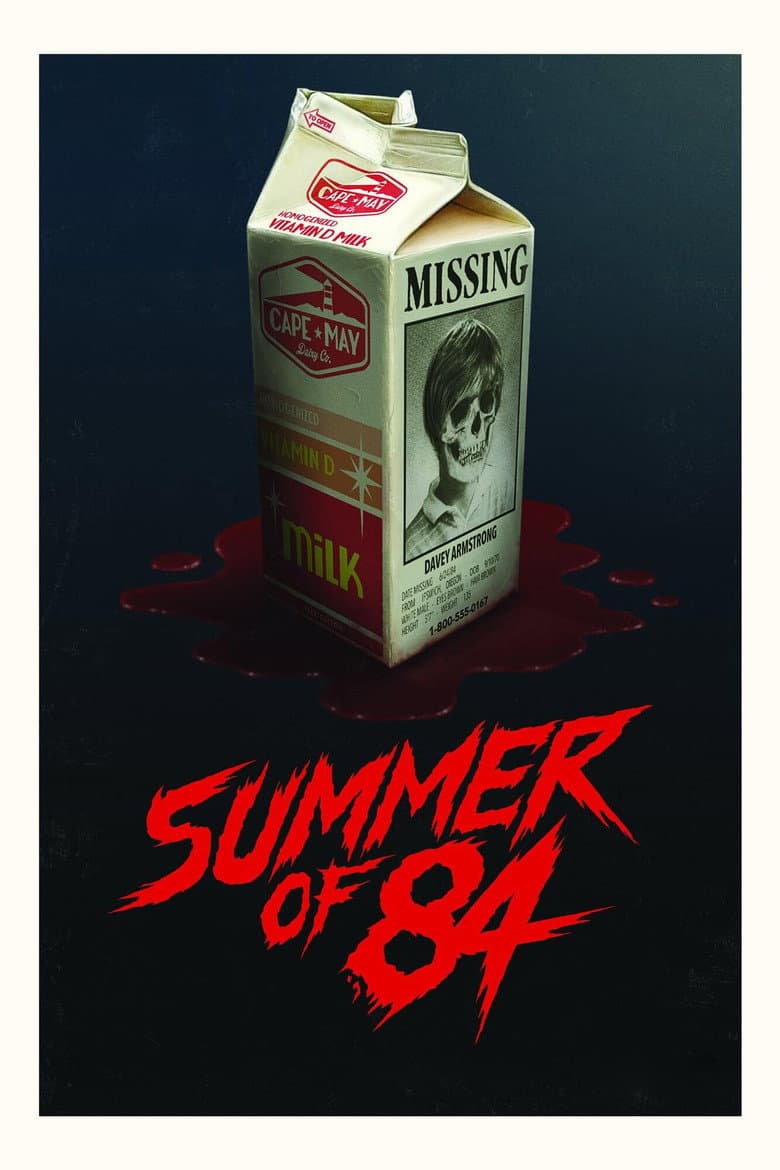
Movie · 2018
After suspecting that their police officer neighbor is a serial killer, a group of teenage friends spend their summer spying on him and gathering evidence, but as they get closer…
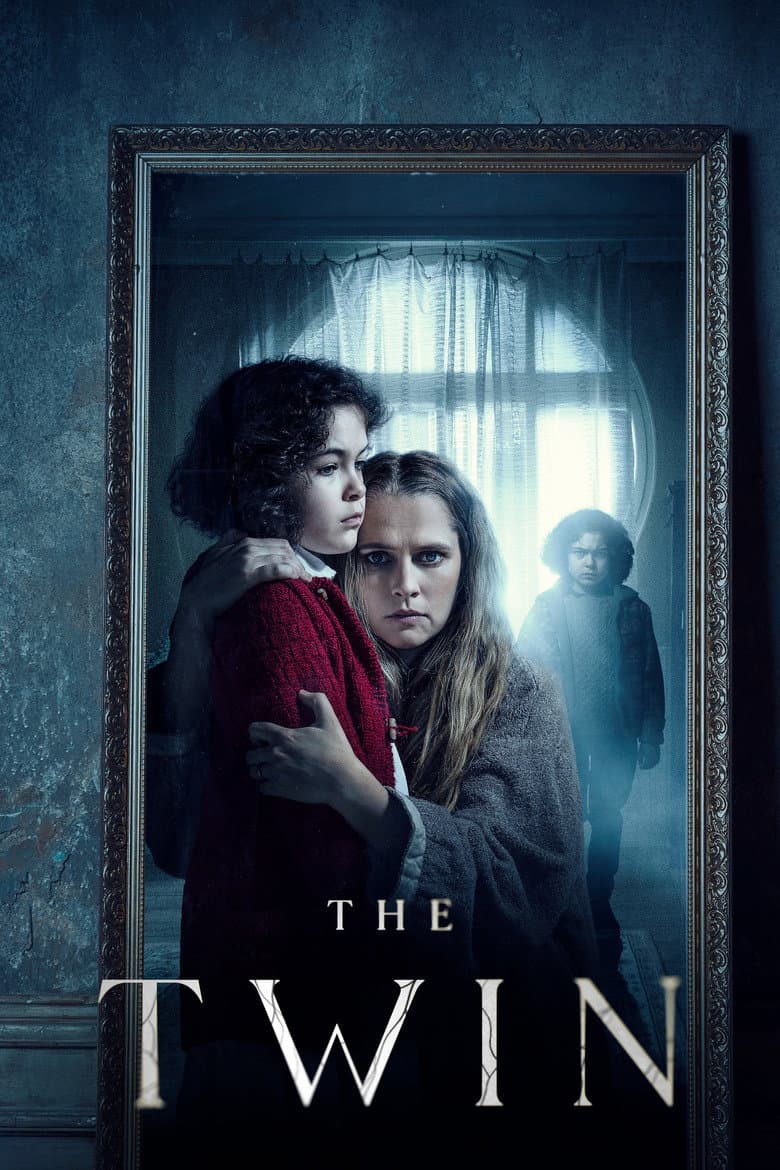
Movie · 2022
Every parent's worst nightmare is just the beginning for Rachel's ordeal as in the aftermath of a tragic accident, she and her husband Anthony decide to move to the other side of…
