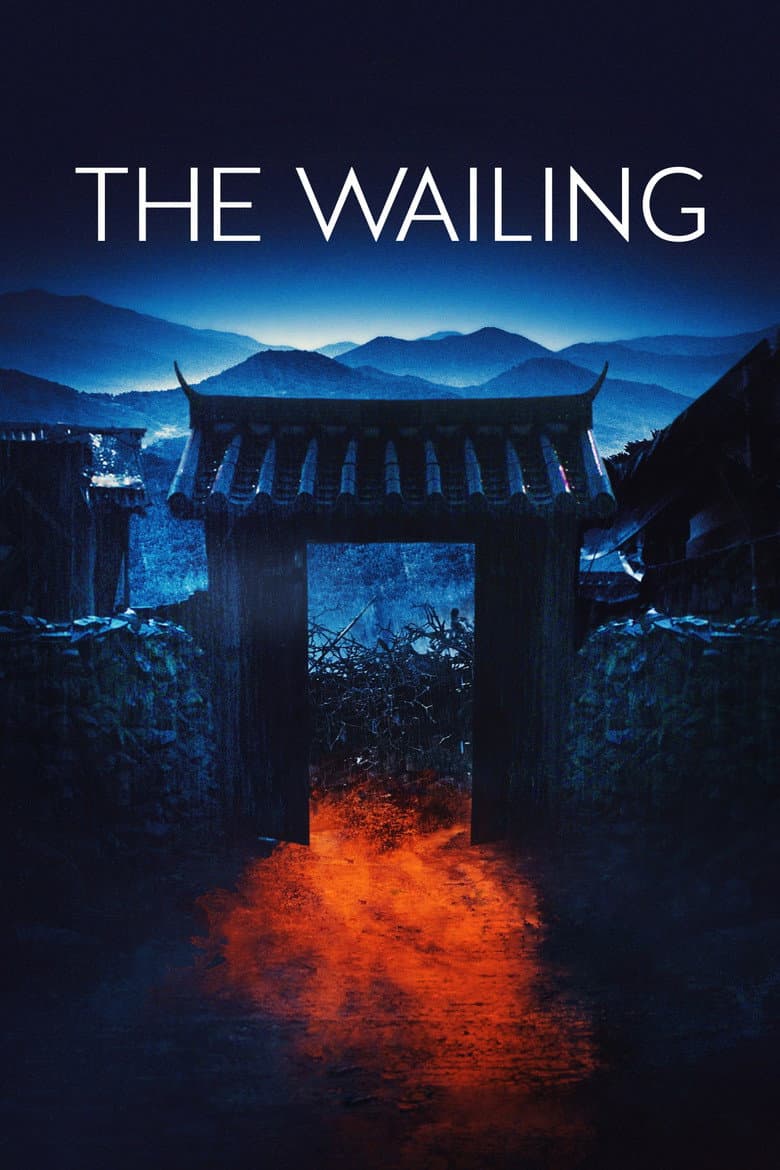
The Wailing follows Jong-goo, a clumsy police officer in a quiet South Korean village. A Japanese stranger arrives, and villagers soon suffer a strange illness that makes them attack and kill their families. When Jong-goo’s young daughter shows the same signs, he searches for the cause and turns to a shaman. The film shifts from police mystery to dark horror, with crude jokes early and a grim, frightening finish.
The story centers on a father’s love, fear, doubt, and search for a reason behind terrible deaths. It brings Korean shamanism, Catholic belief, Bible images, folk rumors, and the idea of a demon into the same mystery. The villagers quickly blame the outsider, which adds fear and suspicion around a foreigner. The film keeps its answer unclear and asks viewers to decide whom Jong-goo should trust.
Community feedback
Was our 0% Woke rating accurate?
Breakdown
These are the editorial factors and ratings behind our score for The Wailing.
Woke representation / casting
Not present. The main cast fits the South Korean village and the story’s roles. The Japanese stranger and the Korean shaman are story-specific parts of the mystery, not a diversity message.
0%
Woke political dialogue
Not present. The characters talk about murders, faith, rumors, and family danger. They do not give modern identity, DEI, or activist speeches.
0%
Identity-driven story themes
Not present. The story uses fear of a Japanese outsider as part of its horror mystery. It focuses on faith, evil, doubt, and a father’s love rather than modern identity politics.
0%
Western institutional / cultural critique
Not present. The film shows a weak police force, a doubtful shaman, and an inexperienced Catholic deacon. Those failures serve the supernatural plot and do not become a modern activist attack on Western institutions.
0%
Woke character or canon changes
Not relevant. The Wailing is an original story, not an adaptation or retelling of established characters or real events.
0%
Anti-woke backlash and complaints
Not present. Reviews and audience posts argue about the ending, religious symbols, pacing, and the Japanese outsider. Searches found no meaningful anti-woke complaint that the film pushes DEI, identity politics, or left-wing ideas.
0%
Creator track record context
Not present. Na Hong-jin is cached as a genre filmmaker without a woke or activist pattern. The other cached team notes are also mostly neutral, with two producers carrying only low scores from other credits.
0%
Production
Movie · 2016
A determined young woman and a damaged occultist risk their lives and souls to perform a dangerous ritual that will grant them what they want.
Movie · 2018
The crew of a horror web series travels to an abandoned asylum for a live broadcast, but they encounter much more than expected as they move deeper inside the nightmarish old…
Movie · 2016
A group of archaeologists working in Northern Canada uncover a strange structure dating over ten thousand years before the present.
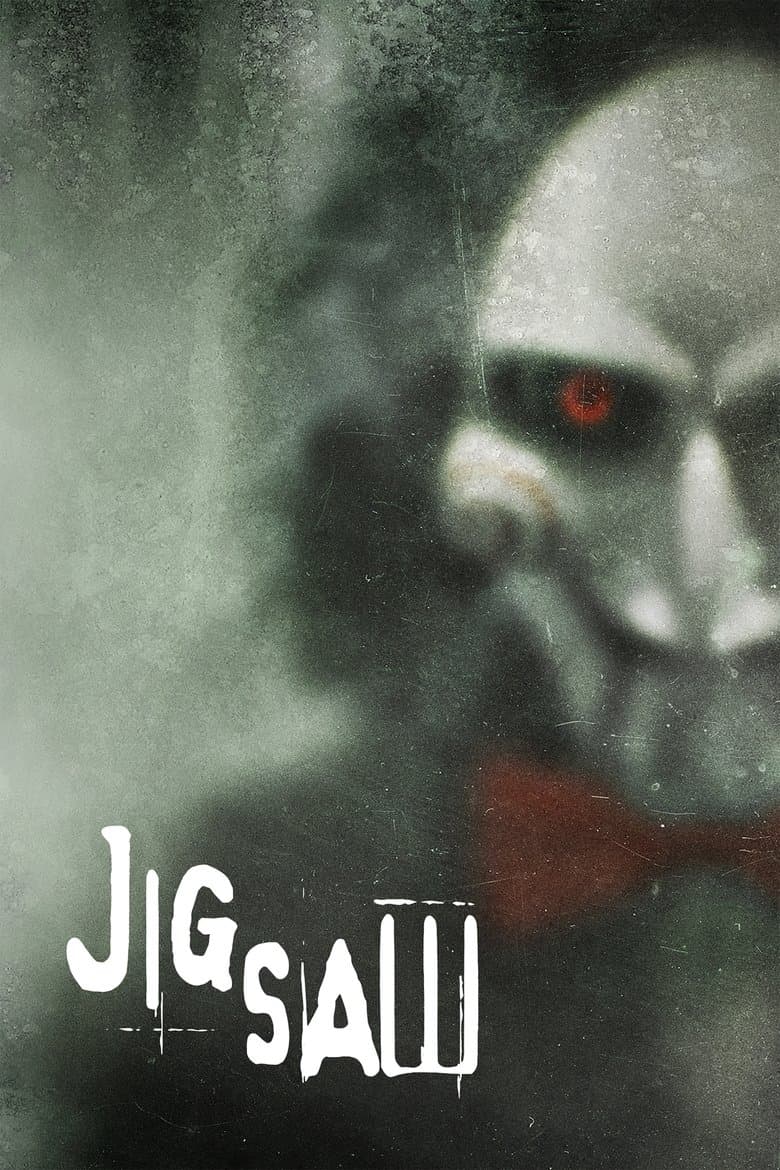
Movie · 2017
Law enforcement finds itself chasing the ghost of a man dead for over a decade, embroiled in a diabolical new game that's only just begun.
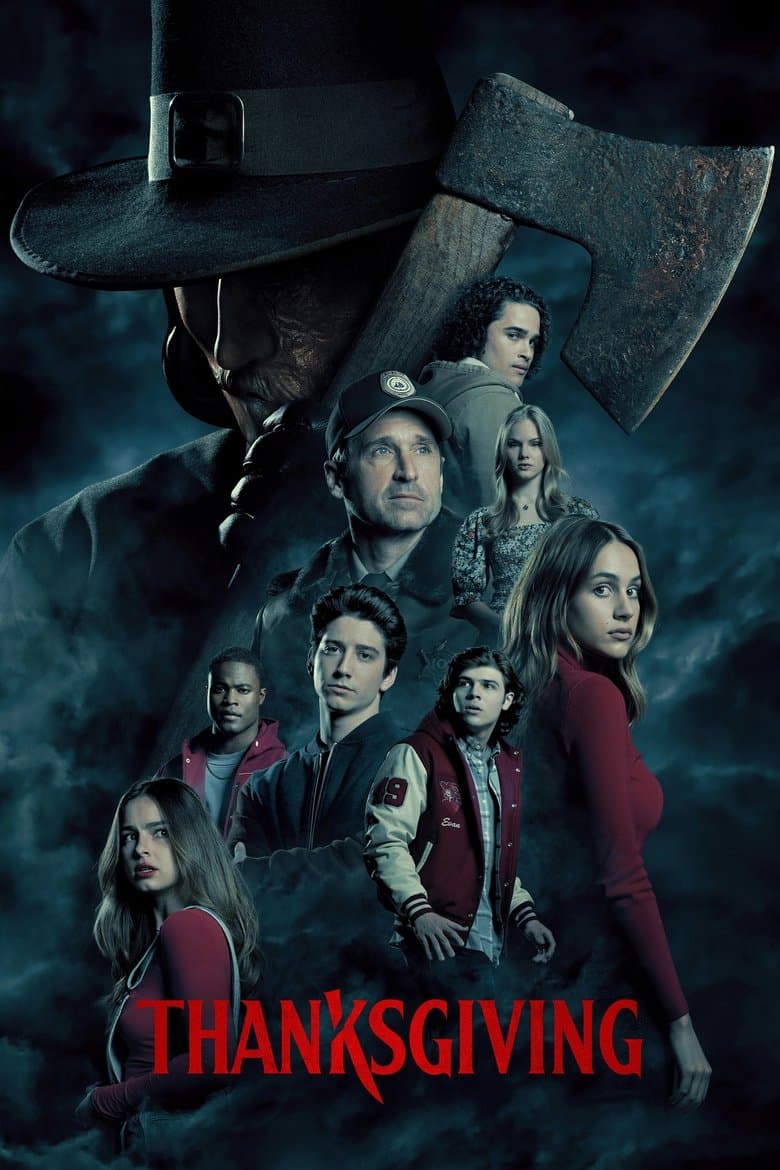
Movie · 2023
After a Black Friday riot ends in tragedy, a mysterious Thanksgiving-inspired killer terrorizes Plymouth, Massachusetts - the birthplace of the holiday.
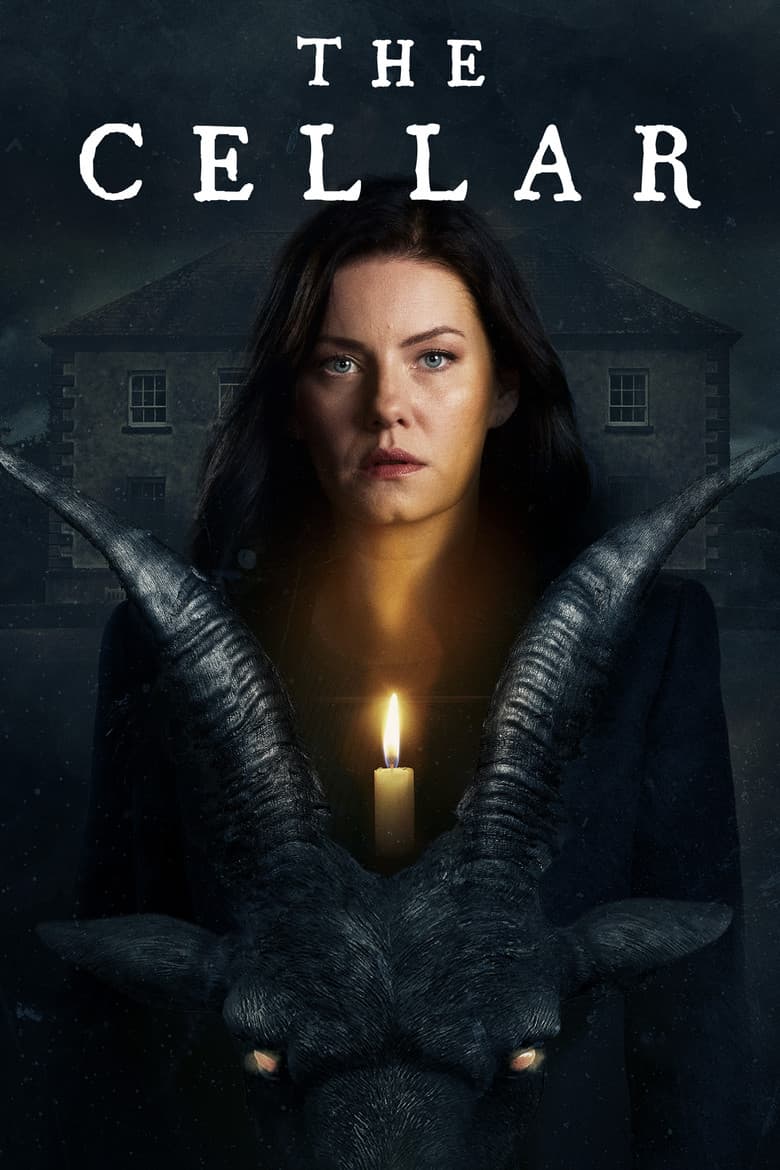
Movie · 2022
When Keira Woods' daughter mysteriously vanishes in the cellar of their new house in the country, she soon discovers there is an ancient and powerful entity controlling their home…
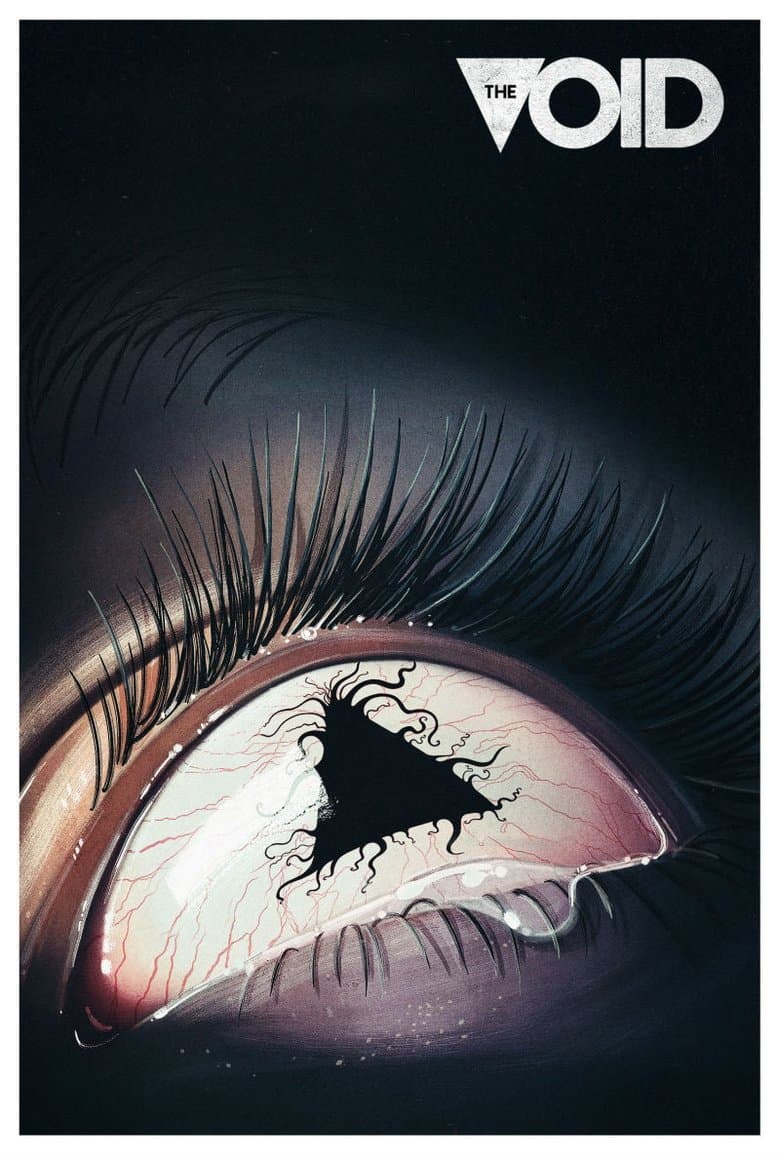
Movie · 2016
In the middle of a routine patrol, officer Daniel Carter happens upon a blood-soaked figure limping down a deserted stretch of road.
Movie · 2018
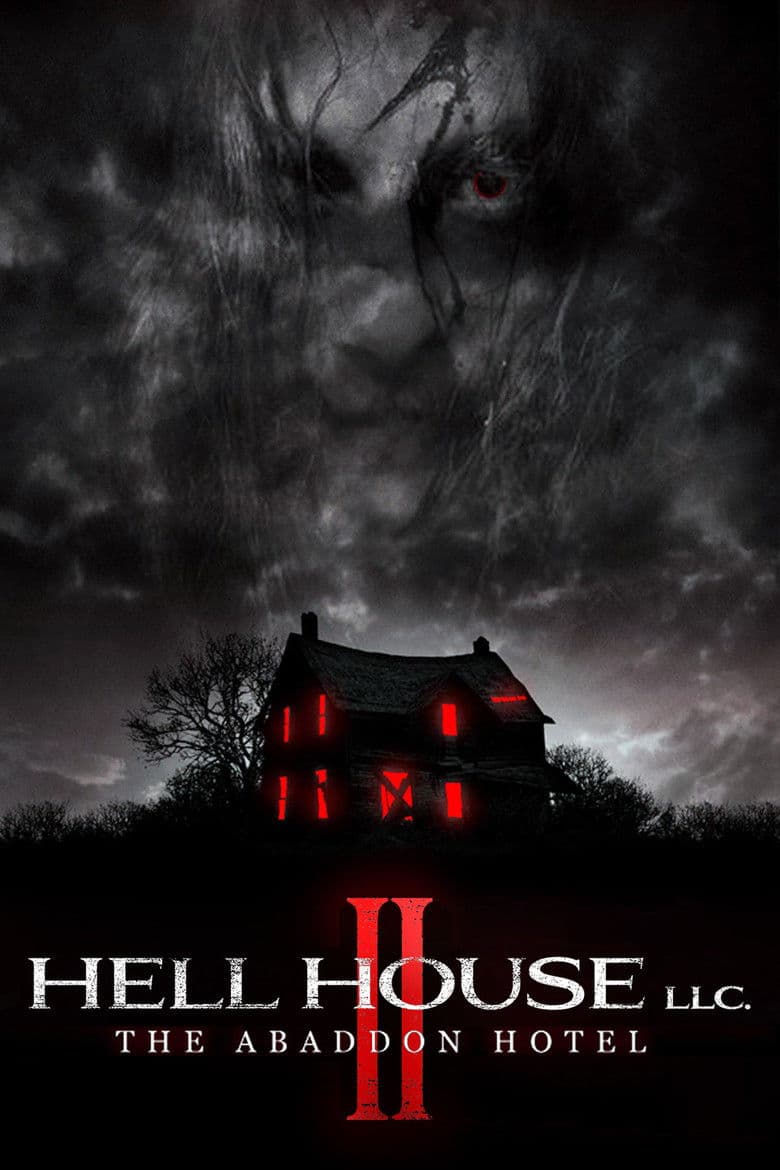
Eight years after the opening night tragedy of HELL HOUSE LLC, many unanswered questions remain. Thanks to an anonymous tip, an investigative journalist is convinced that key…
