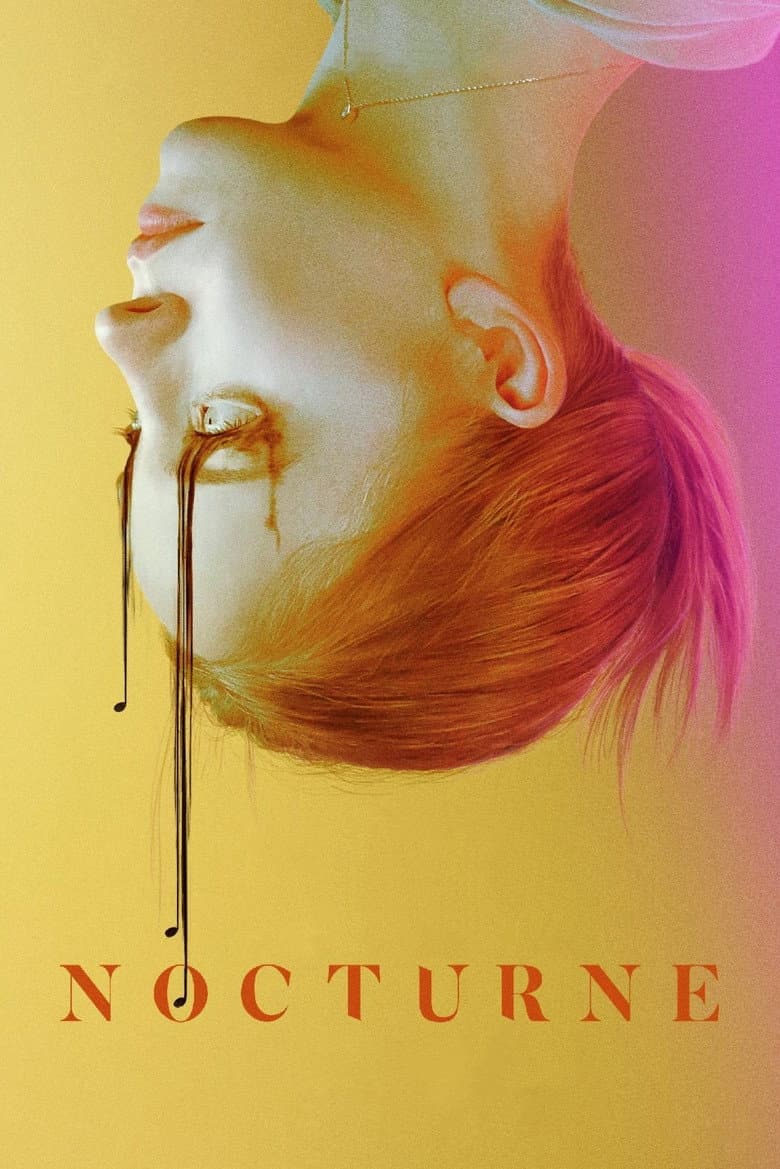
Juliet Lowe is a shy piano student at Lindberg Academy, an elite boarding school for young musicians. Her twin sister Vivian is more skilled, popular, and already accepted at Juilliard, so Juliet feels trapped in her shadow. After a student dies, Juliet finds a strange notebook and uses its dark promise to chase the concert spot her sister wants. The film has a tense, dreamy horror tone as jealousy, fear, and the need for praise turn the sisters against each other.
The story follows two young women as they face envy, pressure, and the cost of chasing fame. Juliet turns on her sister, her teachers, and her sister's boyfriend as the notebook seems to guide her toward success. The film treats talent as a hard test that can twist into obsession when a person ties all hope to one goal. The final concert and the dark image after it give the story a bleak warning about sacrifice, pride, and the need to be seen.
Community feedback
Was our 3% Woke rating accurate?
Breakdown
These are the editorial factors and ratings behind our score for Nocturne.
Woke representation / casting
Not present. The film uses two white twin girls as the main characters and a mixed supporting cast in a present-day American arts school. The title's marketing centers the dark music rivalry, not identity-based casting.
0%
Woke political dialogue
Not present. The dialogue covers music, school pressure, family, sex, and rivalry. It contains no clear lines about DEI, modern identity politics, or activist causes.
0%
Identity-driven story themes
Not present. The film follows female musicians, but it presents their struggle as personal jealousy and ambition. It does not make group identity, representation, or modern gender politics part of the plot.
0%
Western institutional / cultural critique
Not present. The movie criticizes the pressure and cruelty of an elite music school. That criticism stays about artistic competition and young people chasing success, not modern activist attacks on Western institutions, family, religion, or gender roles.
0%
Woke character or canon changes
Not relevant. The movie is an original story written for the screen, with no established character or real historical event being changed.
0%
Anti-woke backlash and complaints
Not present. The separate X research found no anti-woke posts about this film. Web and Reddit discussion focused on the ending, pacing, and Black Swan comparisons, while visible “Nocturne woke” results referred to the separate Castlevania series.
0%
Creator track record context
Jason Blum has publicly criticized Donald Trump and added political commentary to some Purge films. Marci Wiseman has spoken about broader minority representation in screen storytelling. Zu Quirke's documented work centers on artistic pressure and ambition, with no clear DEI activism. The wider team shows mostly low or mild public signals, so this is only a small context point.
17%
Production
Movie · 2016
A stranger arrives in a little village and soon after a mysterious sickness starts spreading. A policeman is drawn into the incident and is forced to solve the mystery in order to…
Movie · 2018
Eight years after the opening night tragedy of HELL HOUSE LLC, many unanswered questions remain. Thanks to an anonymous tip, an investigative journalist is convinced that key…
Movie · 2021
In an effort to reconnect and mend their relationship, a troubled couple and their preteen daughter seek an idyllic getaway to a remote mansion in rural Louisiana.
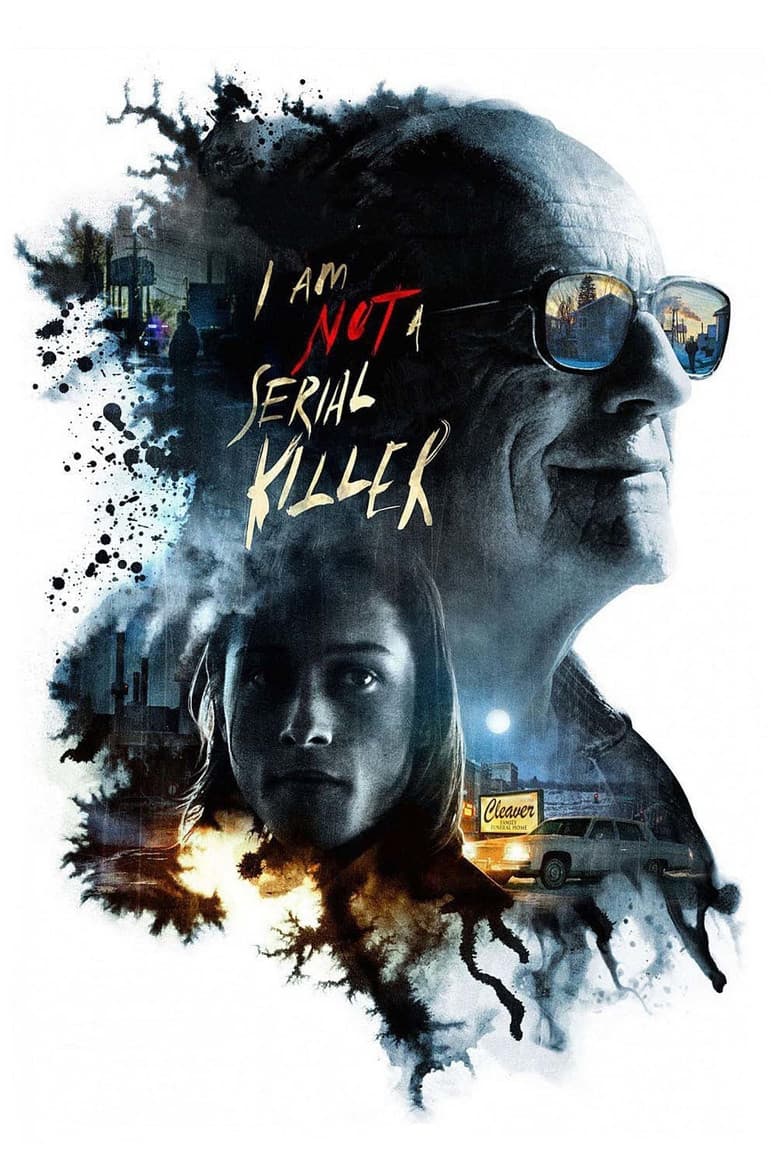
Movie · 2016
In a small Midwestern town, a troubled teen with homicidal tendencies must hunt down and destroy a supernatural killer while keeping his own inner demons at bay.
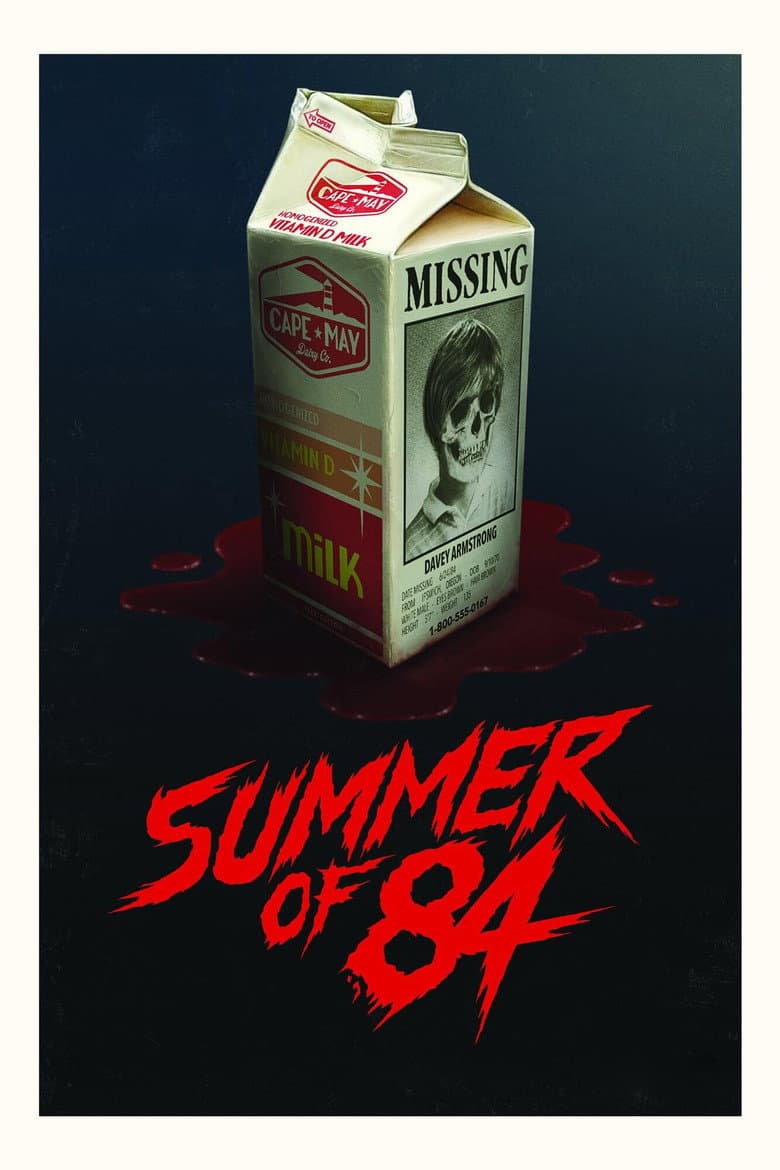
Movie · 2018
After suspecting that their police officer neighbor is a serial killer, a group of teenage friends spend their summer spying on him and gathering evidence, but as they get closer…
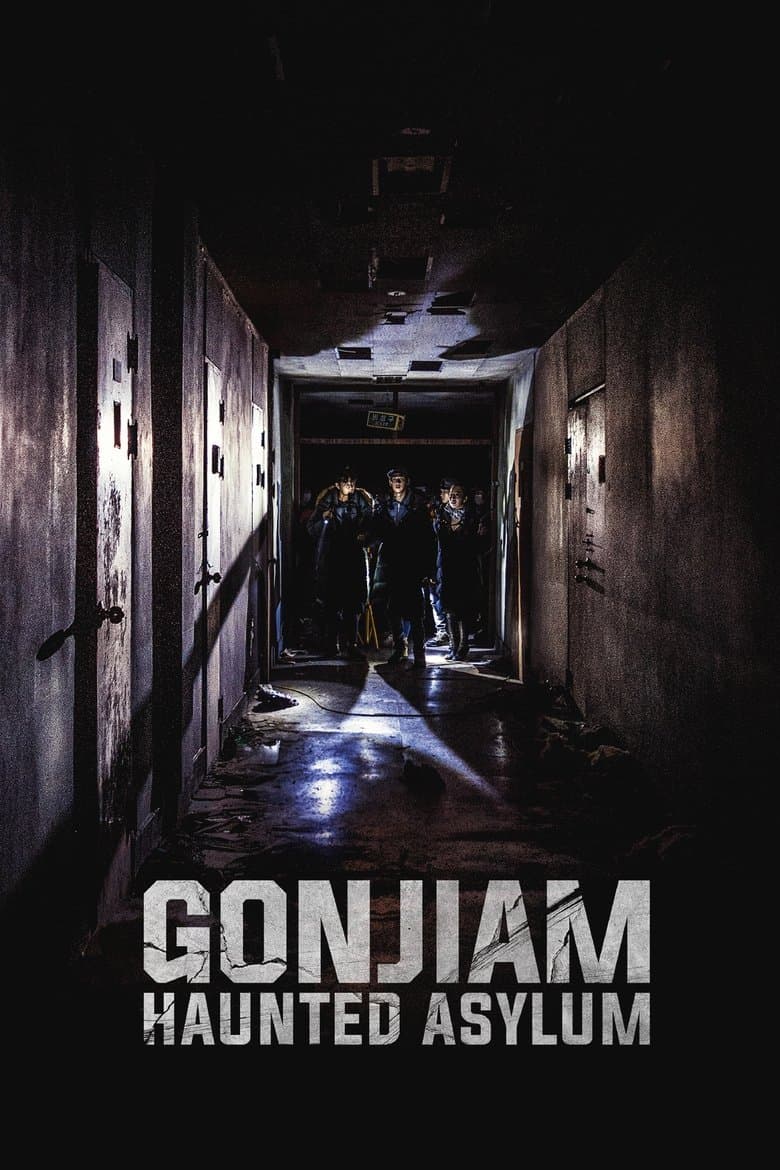
Movie · 2018
The crew of a horror web series travels to an abandoned asylum for a live broadcast, but they encounter much more than expected as they move deeper inside the nightmarish old…
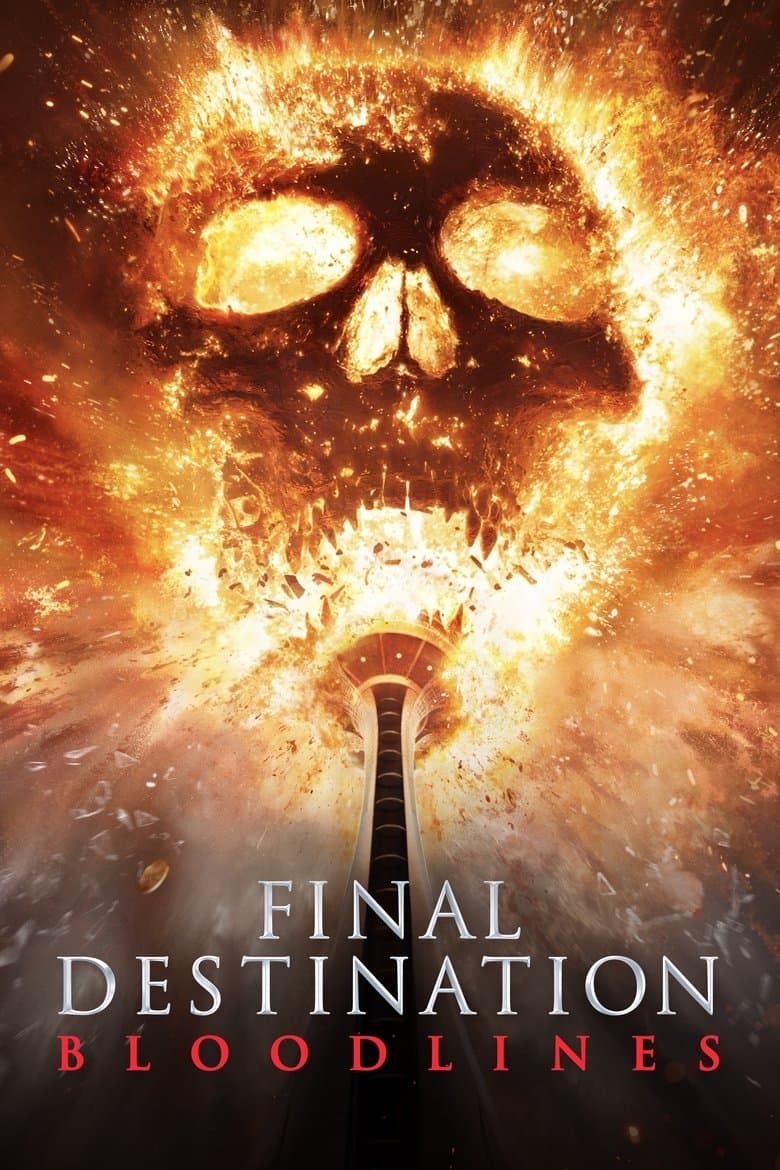
Movie · 2025
Plagued by a violent recurring nightmare, college student Stefanie heads home to track down the one person who might be able to break the cycle and save her family from the grisly…
Movie · 2021
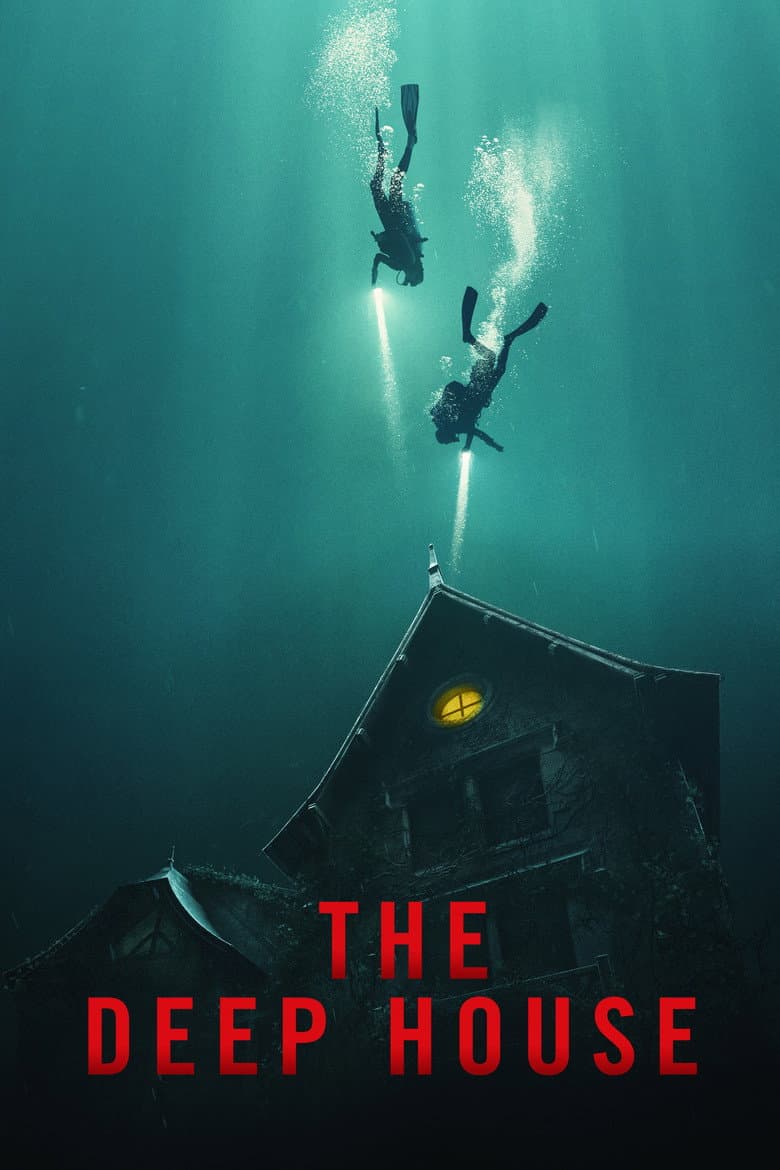
While diving in a remote French lake, a couple of YouTubers who specialise in underwater exploration videos discover a house submerged in the deep waters.
