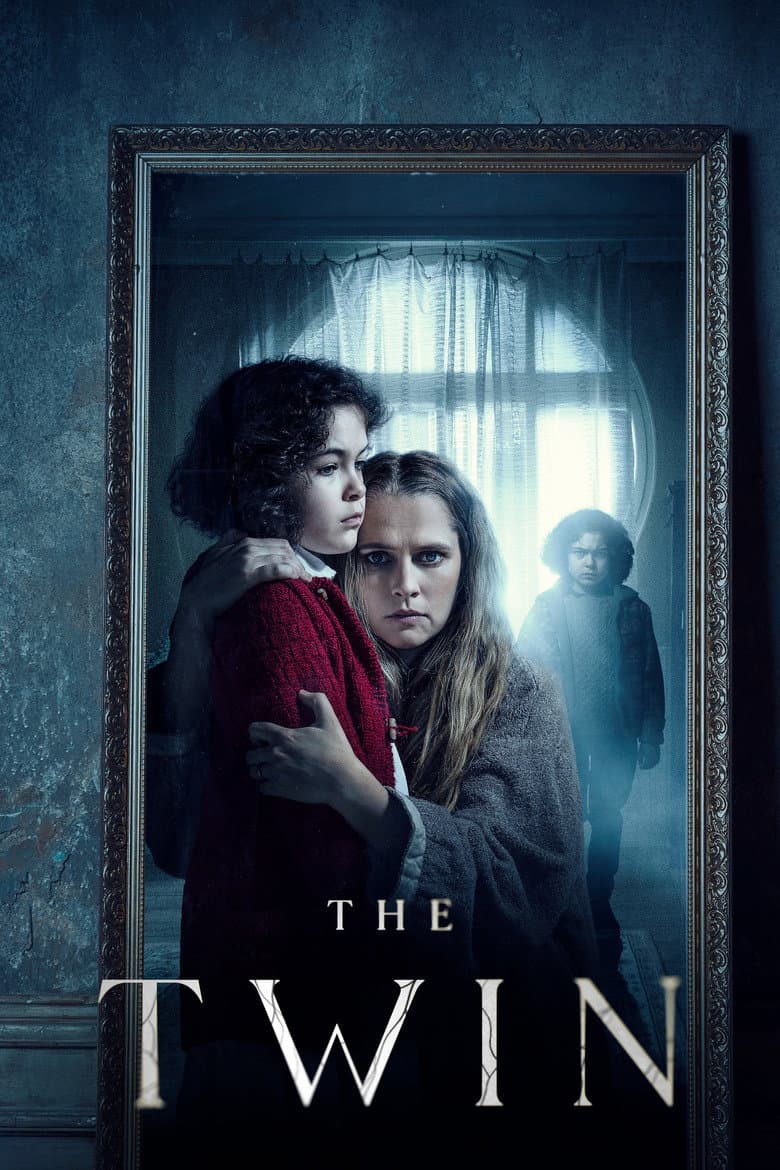
Rachel and her husband, Anthony, leave New York with their surviving son, Elliot, after a car crash kills Elliot's twin brother, Nathan. They settle in Anthony's family home in remote Finland and hope that distance will help the family heal. Elliot soon talks to an unseen friend and claims that he is Nathan, while Rachel sees signs of a dark force around him. Rachel then faces strange villagers, old pagan beliefs, and a husband who seems to hide the truth. The film has a cold, tense, and sad tone, with family grief driving its horror.
The film's strongest ideas come from grief, guilt, motherhood, and the fear of losing one's mind. Rachel tries to protect Elliot while the story makes her doubt her own eyes and memories. The village's rituals and talk of an ancient evil make the family fear both an outside force and Rachel's own mind. The ending says that Elliot was part of Rachel's grief, and that her mind made a second son after Nathan died. This twist makes the family tragedy more important than the supernatural threat, even though the film leaves some details unclear.
Community feedback
Was our 1% Woke rating accurate?
Breakdown
These are the editorial factors and ratings behind our score for The Twin.
Woke representation / casting
Not present. The main family and village cast is mostly White, and the roles fit the Finnish setting. The story does not use casting as a diversity or identity message.
0%
Woke political dialogue
Not present. The characters do not use political or activist dialogue. Their conversations focus on grief, family fear, mental distress, and the supernatural.
0%
Identity-driven story themes
Not present. The story centers on a mother's grief, a child's possible possession, and a pagan horror legend. It does not build its conflict around race, gender, sexuality, or modern identity politics.
0%
Western institutional / cultural critique
Not present. The husband, doctor, and villagers often dismiss Rachel, but the film uses that distrust to build a horror mystery. It does not turn their behavior into a modern critique of men, family roles, Christianity, or Western institutions.
0%
Woke character or canon changes
Not relevant. The movie is an original horror story about a fictional family. It does not change an established character, source, or historical event.
0%
Anti-woke backlash and complaints
Not present. Public complaints focus on the twist, pacing, and folk-horror clichés. No meaningful anti-woke, DEI, or identity-politics backlash was found.
0%
Creator track record context
The cached record gives the writer-director and co-writer scores of 0/100. The listed producers and casting staff also have low scores, with only mild links to a climate-action ad, industry mentoring, and a socially conscious drama. No clear activist or identity-driven creator pattern connects to this movie.
4%
Production
Movie · 2018
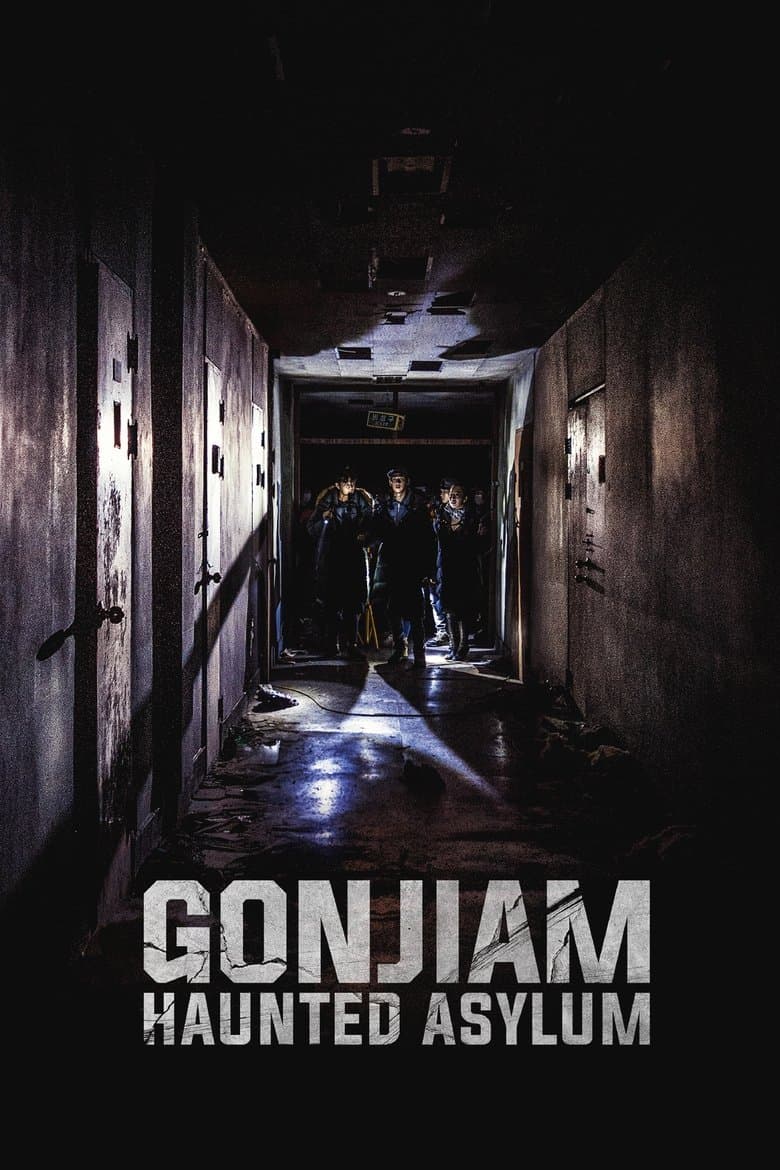
The crew of a horror web series travels to an abandoned asylum for a live broadcast, but they encounter much more than expected as they move deeper inside the nightmarish old…
Movie · 2023
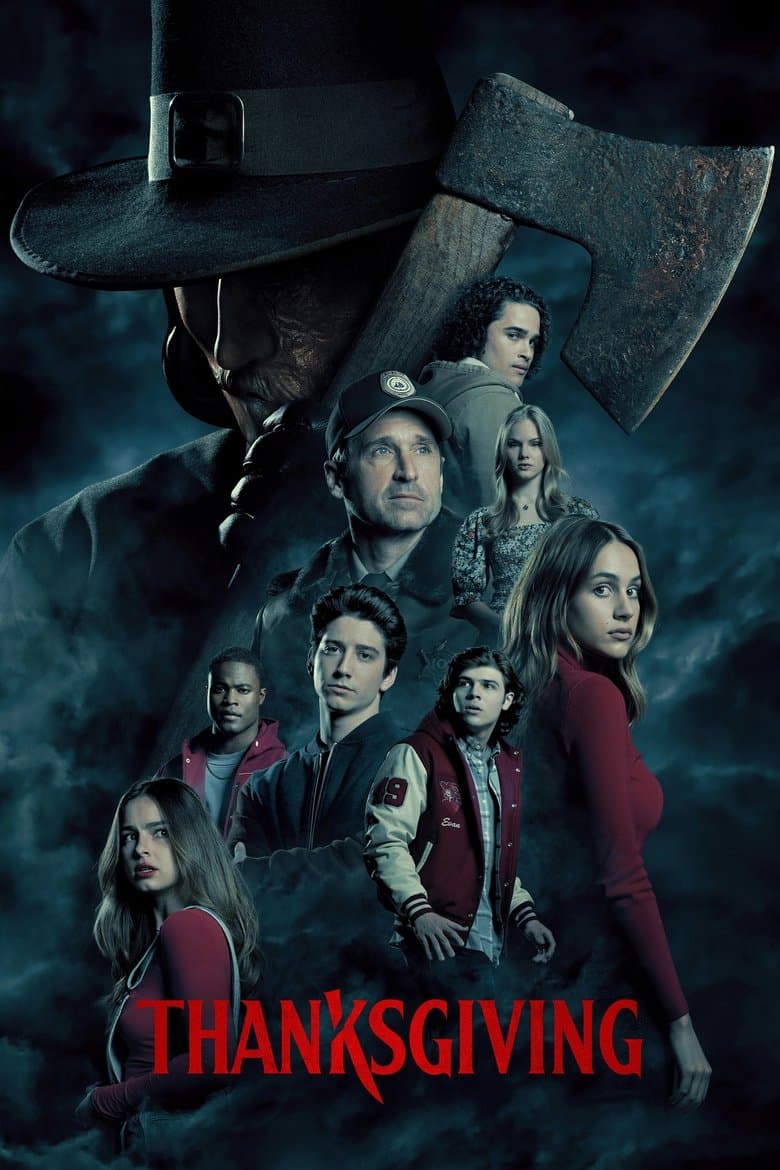
After a Black Friday riot ends in tragedy, a mysterious Thanksgiving-inspired killer terrorizes Plymouth, Massachusetts - the birthplace of the holiday.
Movie · 2025
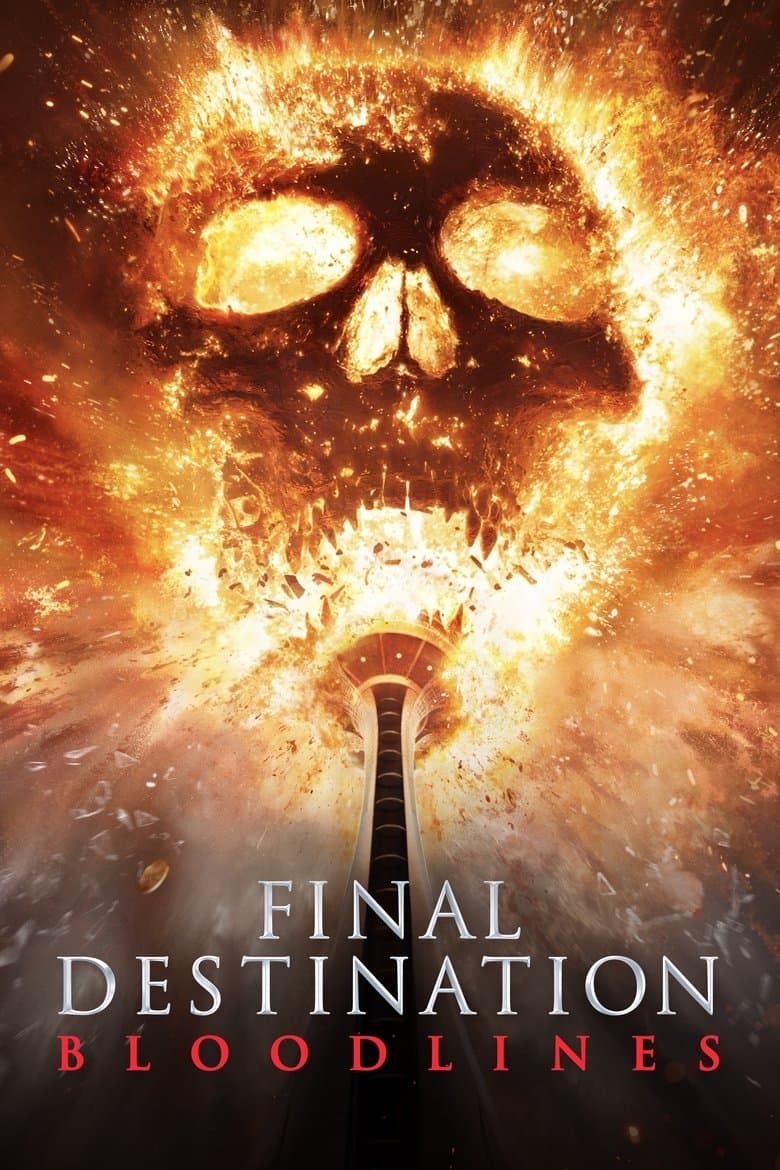
Plagued by a violent recurring nightmare, college student Stefanie heads home to track down the one person who might be able to break the cycle and save her family from the grisly…
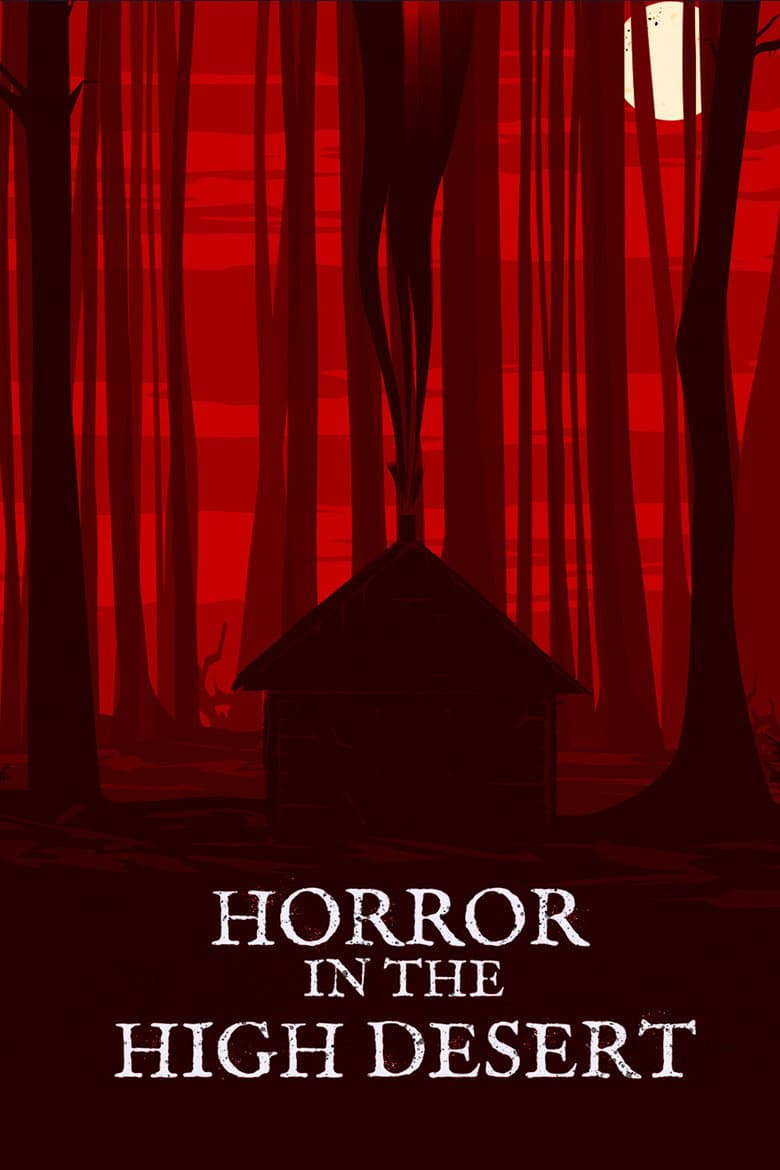
Movie · 2021
In July 2017, an experienced outdoor enthusiast vanished in Northern Nevada while on an outdoor excursion. After an extensive search, he was never located.
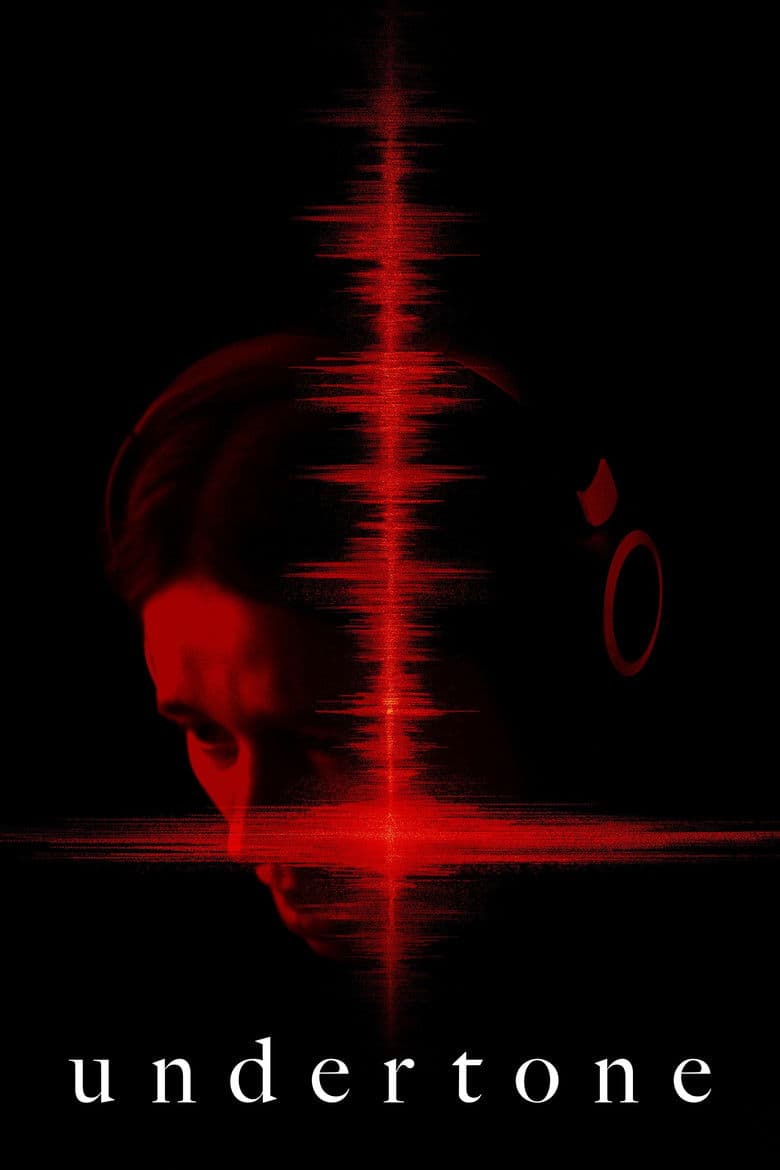
Movie · 2026
The host of a popular paranormal podcast becomes haunted by terrifying recordings mysteriously sent her way.
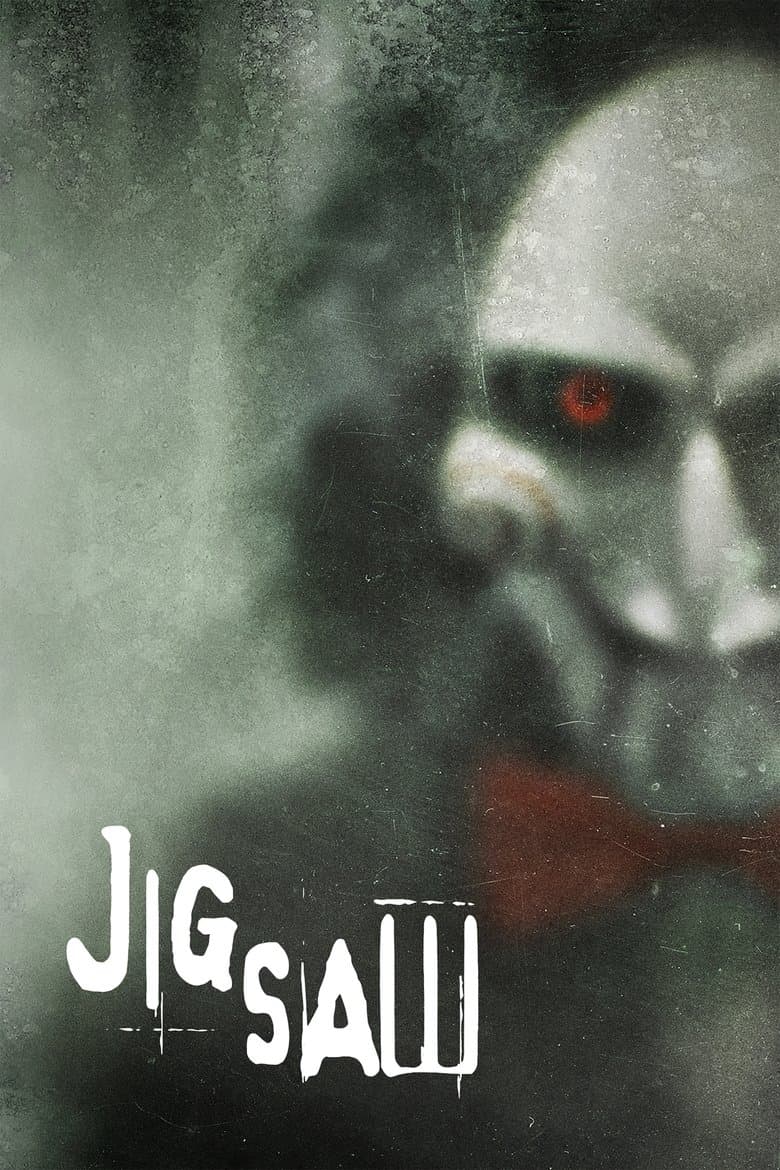
Movie · 2017
Law enforcement finds itself chasing the ghost of a man dead for over a decade, embroiled in a diabolical new game that's only just begun.
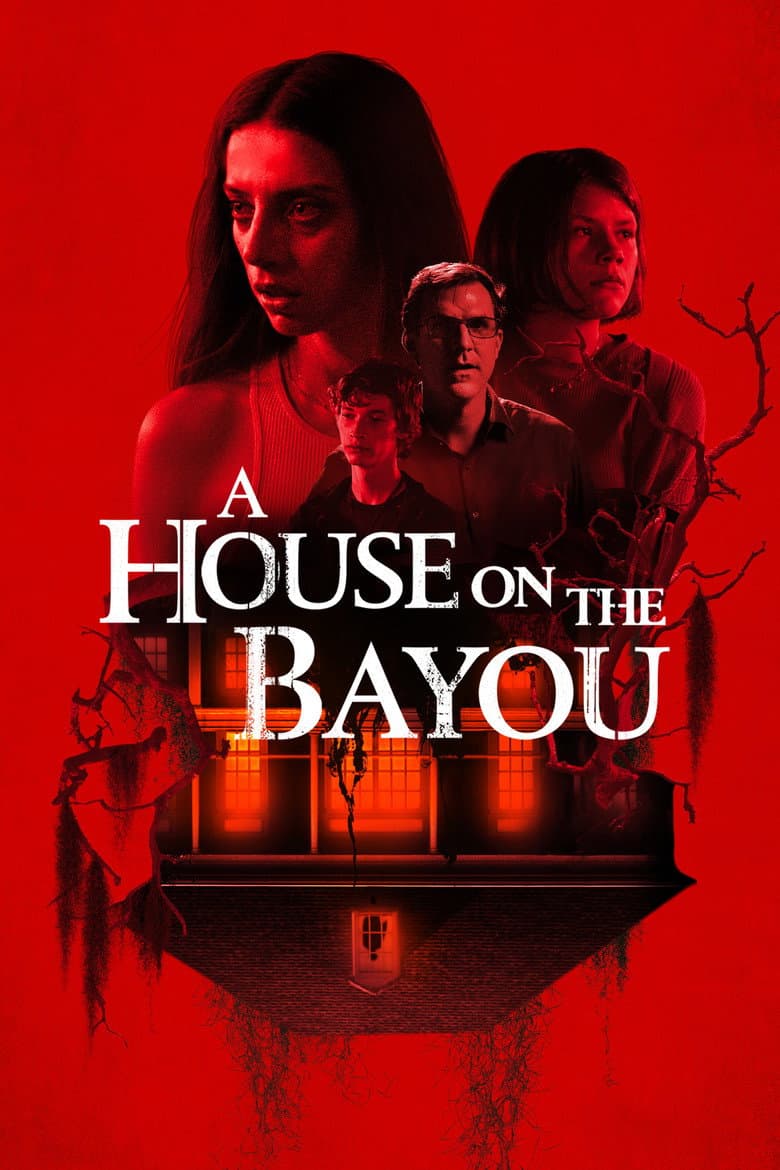
Movie · 2021
In an effort to reconnect and mend their relationship, a troubled couple and their preteen daughter seek an idyllic getaway to a remote mansion in rural Louisiana.
Movie · 2021
Alice is a young hearing-impaired girl who, after a supposed visitation from the Virgin Mary, is inexplicably able to hear, speak and heal the sick.
