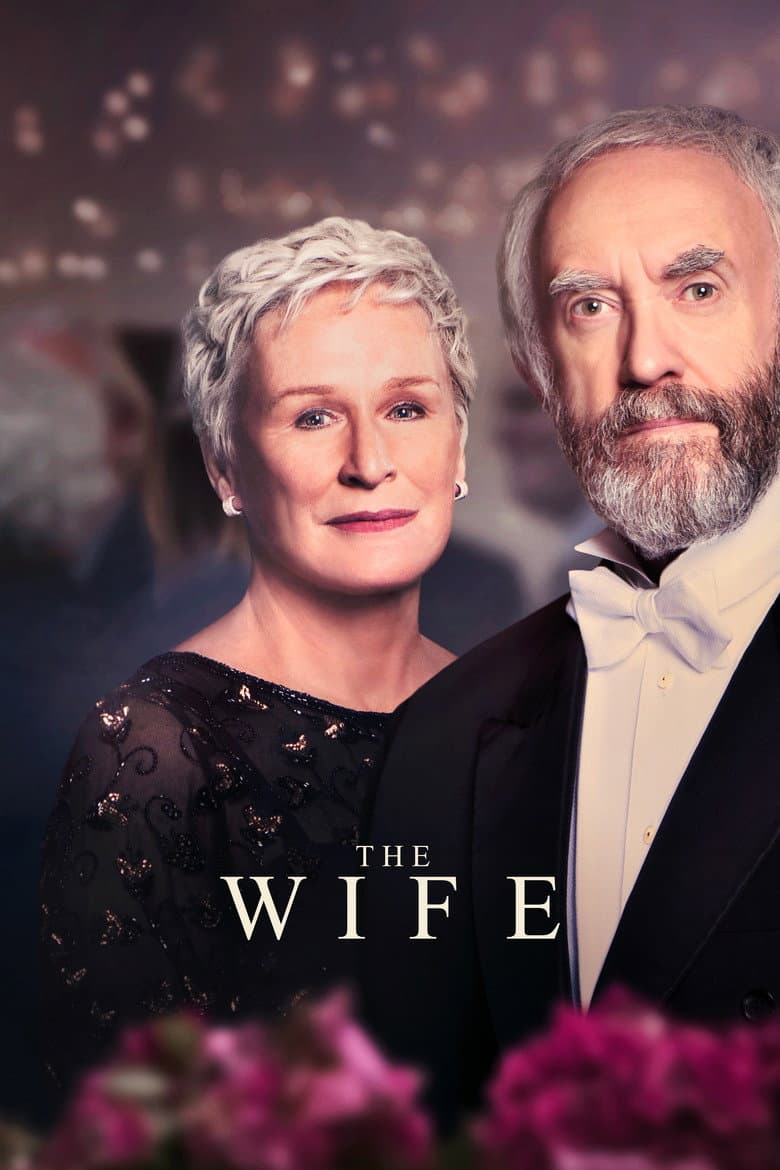
Joan Castleman travels to Stockholm with her husband, Joe, as he prepares to receive the Nobel Prize in Literature. Joan has supported his career for decades while hiding anger and regret. The trip exposes old secrets and reveals that Joan helped write the books that made Joe famous. Joe accepts public praise while Joan bears the private cost of his success.
The film shows a woman whose talent remains hidden because of her marriage. Joe belittles Joan and treats her work as less important than his own. Joan’s refusal to stay hidden drives the main conflict and the ending. The story strongly supports female independence and questions marriage roles that place a wife beneath her husband, but it remains focused on one private relationship rather than a broad political campaign.
Community feedback
Was our 60% Woke rating accurate?
Breakdown
These are the editorial factors and ratings behind our score for The Wife.
Woke representation / casting
Not present. The main cast fits the story of an older American literary couple and their family. The film does not use a clear diversity pattern. The film does not present an identity-focused casting message.
0%
Woke political dialogue
The film includes direct discussion about women being denied credit and respect. Joan speaks about limits placed on women’s careers. These points support the story. The film does not turn them into a broad political debate.
12%
Identity-driven story themes
Joan’s hidden authorship forms the central story issue. The film shows how marriage, gender roles, and male success can hide a woman’s talent. Joan’s struggle creates a clear demand for recognition and independence. These themes shape the plot, characters, and ending.
68%
Western institutional / cultural critique
The film criticizes a literary world that rewards a famous man while ignoring the woman who helped create his work. Joe acts entitled and often treats Joan as less important. The story presents traditional marriage roles as harmful when they erase a wife’s goals. The criticism focuses on gender and marriage rather than attacking every Western institution.
54%
Woke character or canon changes
Not relevant. This factor does not apply. The film adapts Meg Wolitzer’s novel. The film does not change a famous historical figure or established public character for identity reasons. The hidden-author plot belongs to the story’s original premise.
0%
Anti-woke backlash and complaints
Not present. No anti-woke reaction or specific complaints about woke, DEI, or identity politics themes were found. The separate X research pass also found no such reaction. Mainstream coverage treated the film as a relationship drama with feminist ideas.
0%
Creator track record context
The two writers often focus on women’s freedom, gender inequality, and overlooked women’s stories. Runge has spoken about gender inequality and his interest in female characters. Meta Louise Foldager Sørensen adds a strong feminist industry context. The wider team does not show one clear activist profile, so the context is meaningful but not dominant.
57%
Production
Movie · 2016
After his older brother passes away, Lee Chandler is forced to return home to care for his 16-year-old nephew.
Movie · 2019
Richard Jewell thinks quick, works fast, and saves hundreds, perhaps thousands, of lives after a domestic terrorist plants several pipe bombs and they explode during a concert…
Movie · 2017
In 1950, amidst the ravages of the Korean War, Sergeant Süleyman stumbles upon a a half-frozen little girl, with no parents and no help in sight and he risks his own life to save…
Movie · 2022
A quiet, neglected girl is sent away from her dysfunctional family to live with relatives for the summer. She blossoms in their care, but in this house where there are meant to be…
Movie · 2016
WWII American Army Medic Desmond T. Doss, who served during the Battle of Okinawa, refuses to kill people and becomes the first Conscientious Objector in American history to…
Movie · 2016
In a desolate war zone where screams of the innocent echo, on the very line between disaster and valor, 7 Maroon Berets will dance with death.
Movie · 2022
Based on a true tragedy, the emotionally triggering film sheds light on the plight of Kashmiri Pandits (Hindus), a religious minority in the 1990s Kashmir valley, who were…
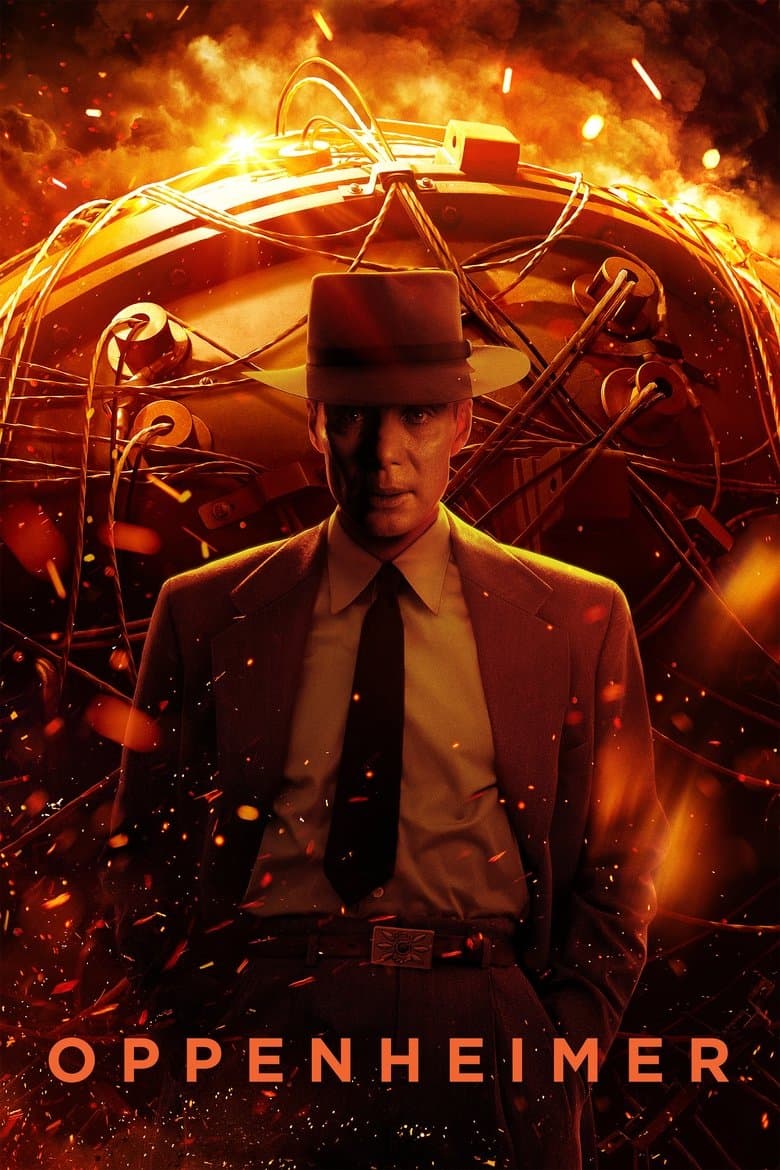
Movie · 2023
The story of J. Robert Oppenheimer's role in the development of the atomic bomb during World War II.
