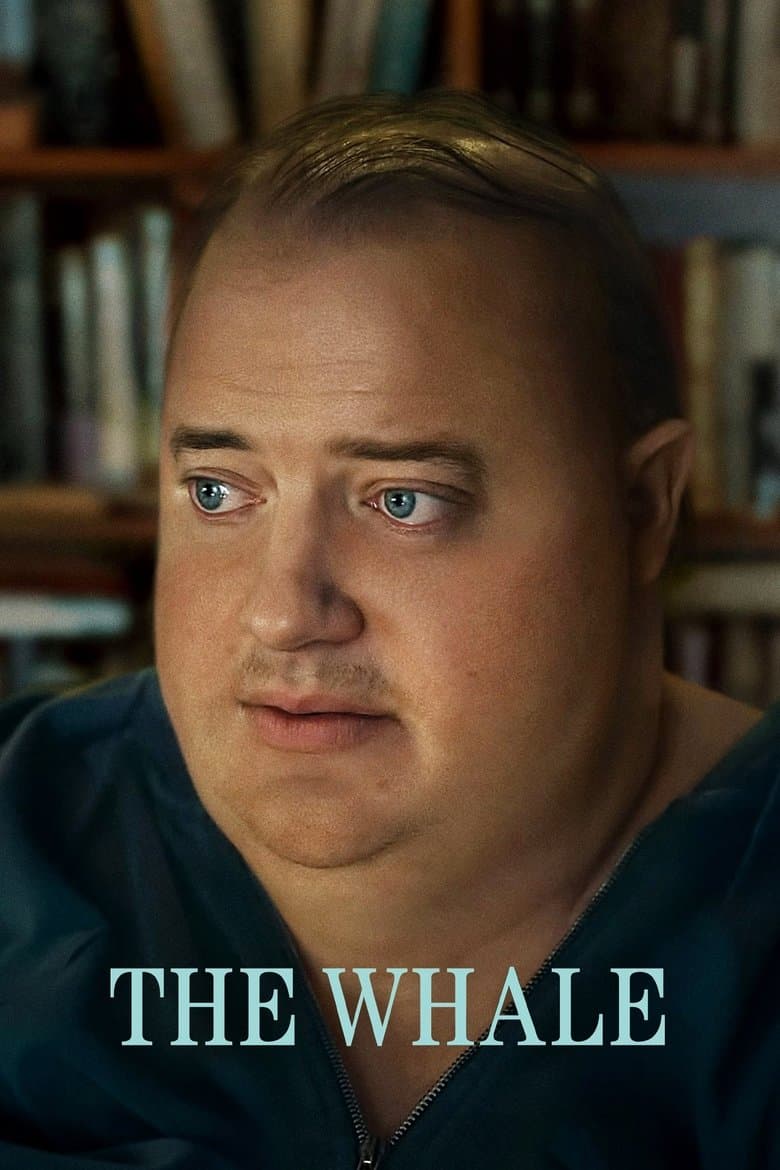
Charlie is a very heavy English teacher who never leaves his small apartment in Idaho. He is dying and wants one more chance to reach his angry teenage daughter, Ellie. He left her years ago when he left his wife for a man he loved. The mood is sad, tense, and closed-in, with long talks about guilt, love, and honesty.
A normal viewer will notice clear social themes. Charlie is gay, and his partner Alan died after deep shame from church teaching about being gay. That loss is why Charlie eats himself to death. A young church worker tries to save him, and other characters blame the church for real harm. The film is mainly about a father and daughter, not a protest speech. Still, the gay backstory and hard view of the church are easy to see and shape the whole story.
Community feedback
Was our 73% Woke rating accurate?
Breakdown
These are the editorial factors and ratings behind our score for The Whale.
Woke representation / casting
Lead is Brendan Fraser as a gay white man whose identity matches the play. Hong Chau plays Liz; the script adds that she was adopted so her Asian background fits the pastor’s family. A pizza man is also non-white. These are light, visible choices, not a heavy quota cast of many identity-first leads.
24%
Woke political dialogue
Characters say the church hurt Alan and Charlie. Charlie shuts down talk that paints gay life as sin. Liz lashes out at the church in plain, angry lines. Little race or DEI speech. The religion talk is clear and hard to miss.
44%
Identity-driven story themes
Charlie is gay; he left his family for Alan. Alan’s death is tied to shame from church rules about being gay. That pain drives Charlie’s eating and isolation. The writer based this on growing up gay in a strict Christian world. Queer pain and church conflict sit at the story’s core, even while the main plot is father and daughter.
66%
Western institutional / cultural critique
New Life Church is shown as causing guilt, family damage, and a suicide. The missionary steals money and runs. Faith looks harmful more than healing. This is a clear hit on a major Western religious institution, not just a generic villain.
62%
Woke character or canon changes
Faithful film of Hunter’s own play. Thomas shifts from Mormon (play) to evangelical. Liz’s adoption line was added after casting Hong Chau. Small identity-linked tweaks, not a big rewrite of famous old characters or history.
15%
Anti-woke backlash and complaints
Some right-leaning writers called it anti-Christian and full of liberal clichés about queer harm and church guilt. That complaint is real but quieter than the bigger left-led fight over fat suits and “fatphobia,” which does not count for this score.
32%
Creator track record context
Aronofsky brings a progressive cultural record. Hunter is not a loud public activist but wrote this from personal gay and church-school pain. Most producers score low. Overall crew context is mild to moderate, not a DEI-driven team.
30%
Production
Movie · 2023
The story of J. Robert Oppenheimer's role in the development of the atomic bomb during World War II.
Movie · 2023
The true story of the inseparable Von Erich brothers, who made history in the intensely competitive world of professional wrestling in the early 1980s.
Movie · 2016
After his older brother passes away, Lee Chandler is forced to return home to care for his 16-year-old nephew.
Movie · 2019
Richard Jewell thinks quick, works fast, and saves hundreds, perhaps thousands, of lives after a domestic terrorist plants several pipe bombs and they explode during a concert…
Movie · 2022
London, 1953. Mr. Williams, a veteran civil servant, is an important cog within the city's bureaucracy as it struggles to rebuild in the aftermath of World War II.
Movie · 2024
On the brink of the Second World War, a young Norwegian man's drive to resist the Nazis sets a new course for his future – and the future of his country.
Movie · 2016
WWII American Army Medic Desmond T. Doss, who served during the Battle of Okinawa, refuses to kill people and becomes the first Conscientious Objector in American history to…
Movie · 2016
In a desolate war zone where screams of the innocent echo, on the very line between disaster and valor, 7 Maroon Berets will dance with death.
