
Blue Jay follows Jim, a lonely house fixer, who returns to a small California town after his mother dies. He meets Amanda, his former high school girlfriend, while she visits her pregnant sister. They spend a day and night drinking, dancing, listening to old tapes, and pretending they are still married. The black-and-white film feels quiet, warm, funny, and sad as their old love comes back.
The main identity-related part comes near the end, when Amanda tells Jim that she had an abortion in high school. She explains that she was the one who had to face the procedure, while Jim says he wanted to keep the baby. The film treats the choice as a private wound that caused their breakup and shaped their later lives. It does not turn the issue into a public campaign, and most of the story stays about regret, memory, marriage, and the lives the two chose.
Community feedback
Was our 14% Woke rating accurate?
Breakdown
These are the editorial factors and ratings behind our score for Blue Jay.
Woke representation / casting
Not present. The two leads are played by white actors in a story set in a small California town. Casting fits the setting and character needs with no visible emphasis on diversity, identity signaling, or quota-style choices in prominent roles.
0%
Woke political dialogue
Not present. Conversations stay on personal memories, past relationship, family visits, and individual life paths. No political talk, activist language, or social justice messaging appears at any point.
0%
Identity-driven story themes
Amanda’s abortion is the hidden cause of the breakup and drives the final argument. She explains that she was the one who had to go through it, while Jim says he wanted to keep the baby. The scene gives Amanda control over the choice but also gives Jim grief and regret, so the film does not make a simple pro-life or pro-choice speech. The gender-related theme is important to the ending but isolated from most of the romance.
25%
Western institutional / cultural critique
Not present. Personal dissatisfaction and choices appear as private matters without judgment. The film offers no modern activist critique of masculinity, family roles, capitalism, or Western institutions.
0%
Woke character or canon changes
Not relevant. This is an original story with no source material, established characters, or historical figures altered for identity or ideological reasons.
0%
Anti-woke backlash and complaints
Not present. No public complaints or backlash accuse the film of promoting woke, DEI, or identity politics messaging. Reviews and discussions contain none of these criticisms.
0%
Creator track record context
Alexandre Lehmann has a cached score of 0/100, and his work has no activist pattern. Mark Duplass has a cached score of 10/100, with films focused on ordinary relationships and personal pain. The cached scores for the producers and editor range from 0 to 13, so the group adds only a weak creator track record context signal.
5%
Production
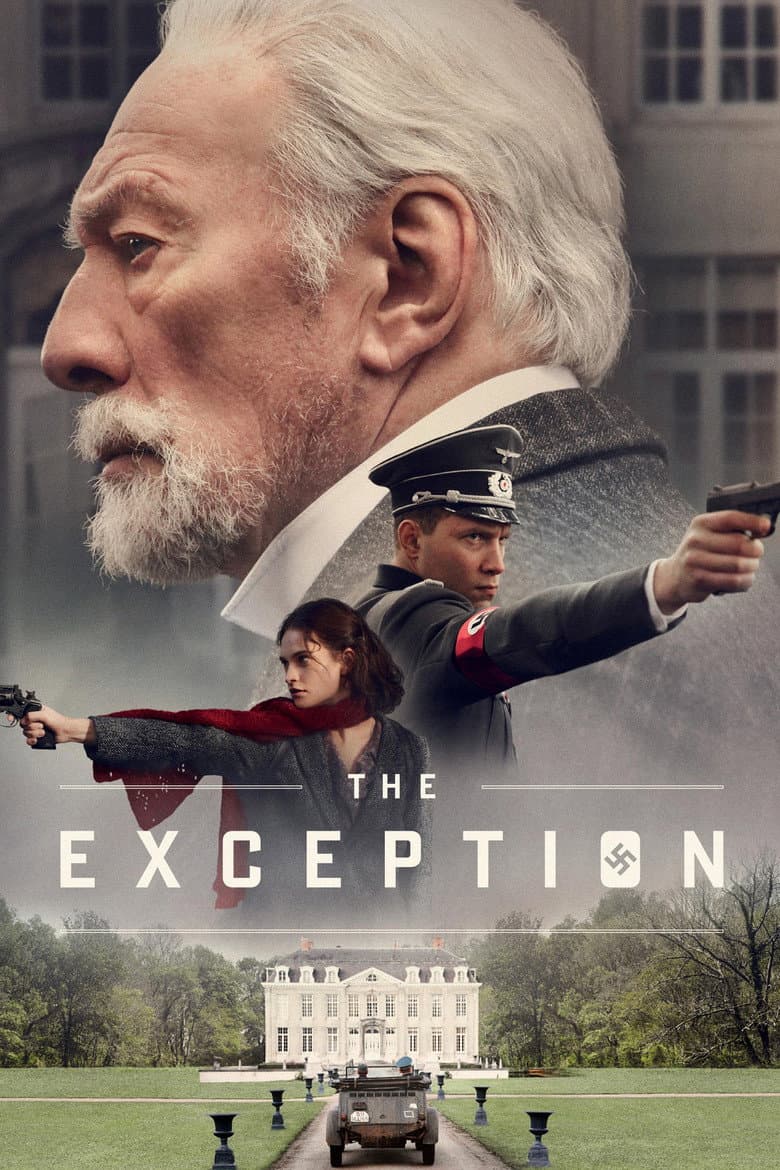
Movie · 2017
Nothing is as it seems in this riveting World War 2 thriller as a wary soldier goes to investigate a mysterious German monarch at his secluded mansion, leading him into a web of…
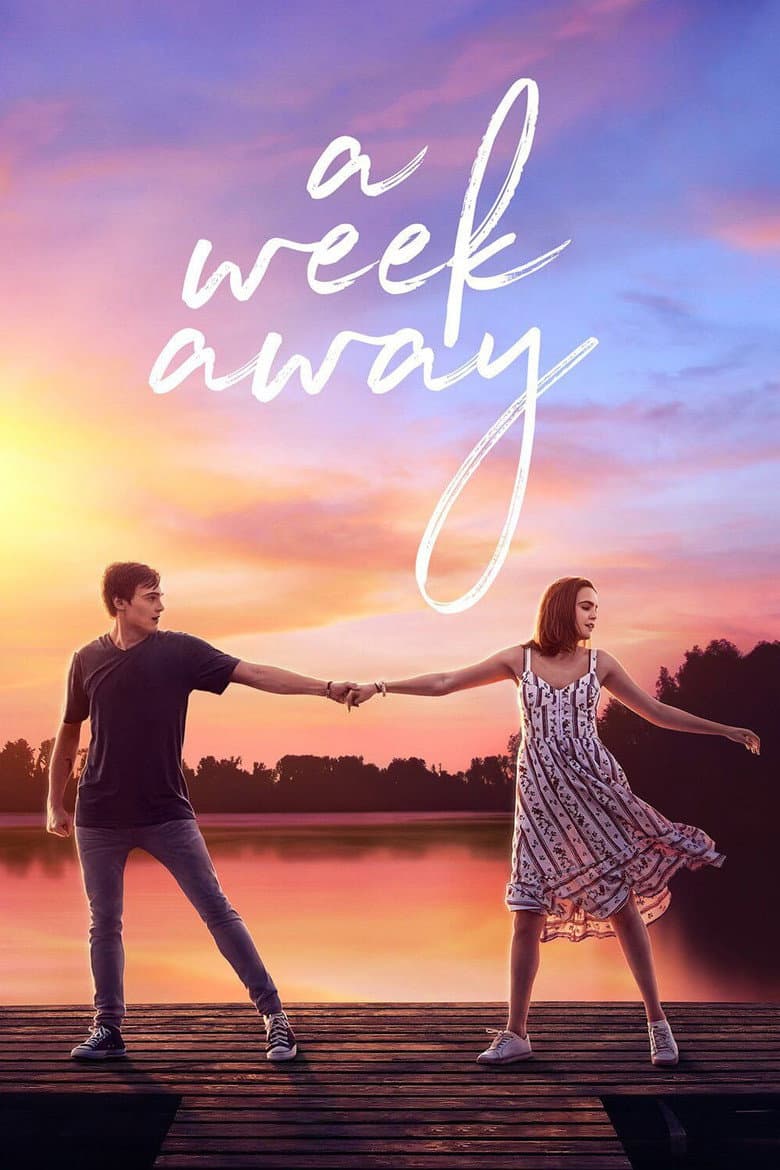
Movie · 2021
Troubled teen Will Hawkins has a run-in with the law that puts him at an important crossroad: go to juvenile detention or attend a Christian summer camp.
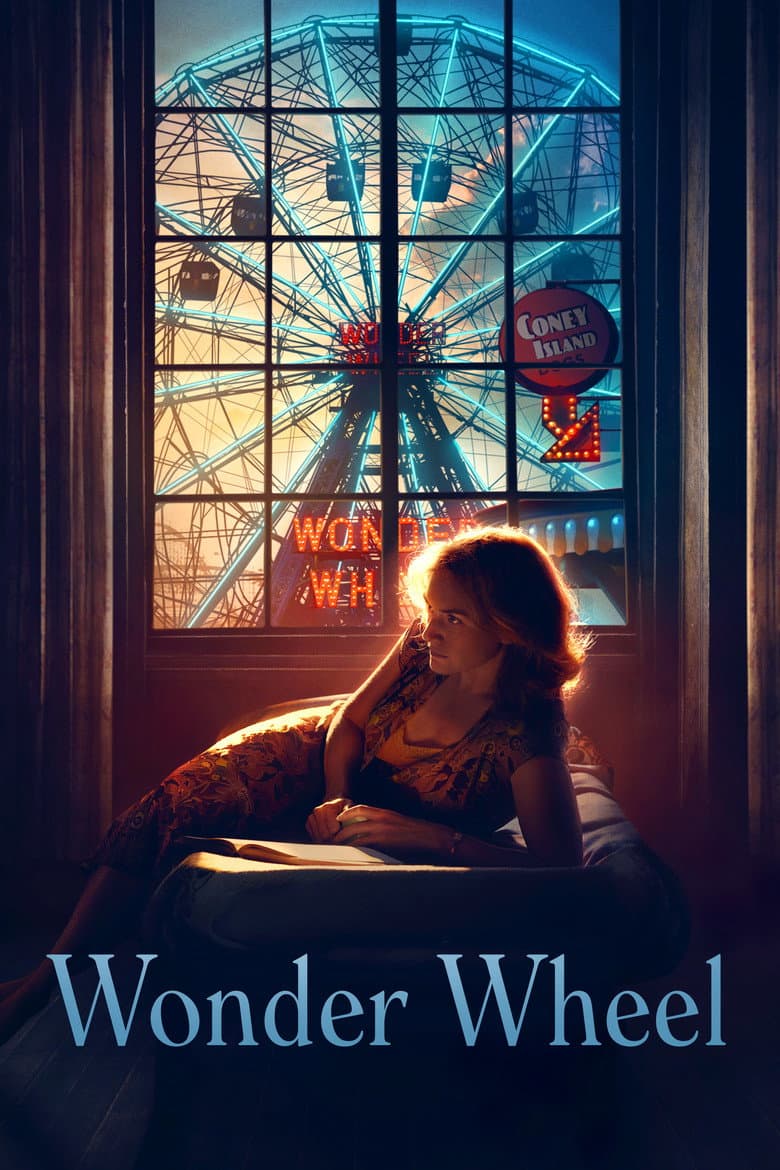
Movie · 2017
The story of four characters whose lives intertwine amid the hustle and bustle of the Coney Island amusement park in the 1950s: Ginny, an emotionally volatile former actress now…

Movie · 2025
Based on a true story, two down-on-their-luck musicians form a joyous Neil Diamond tribute band, proving it's never too late to find love and follow your dreams.

Movie · 2019
England, early 20th century. The future writer and philologist John Ronald Reuel Tolkien (1892-1973) and three of his schoolmates create a strong bond between them as they share…

Movie · 2020
When illness strikes two people who are polar opposites, life and death bring them together in surprising ways.

Movie · 2018
Katie, a 17-year-old, has been sheltered since childhood and confined to her house during the day by a rare disease that makes even the smallest amount of sunlight deadly.
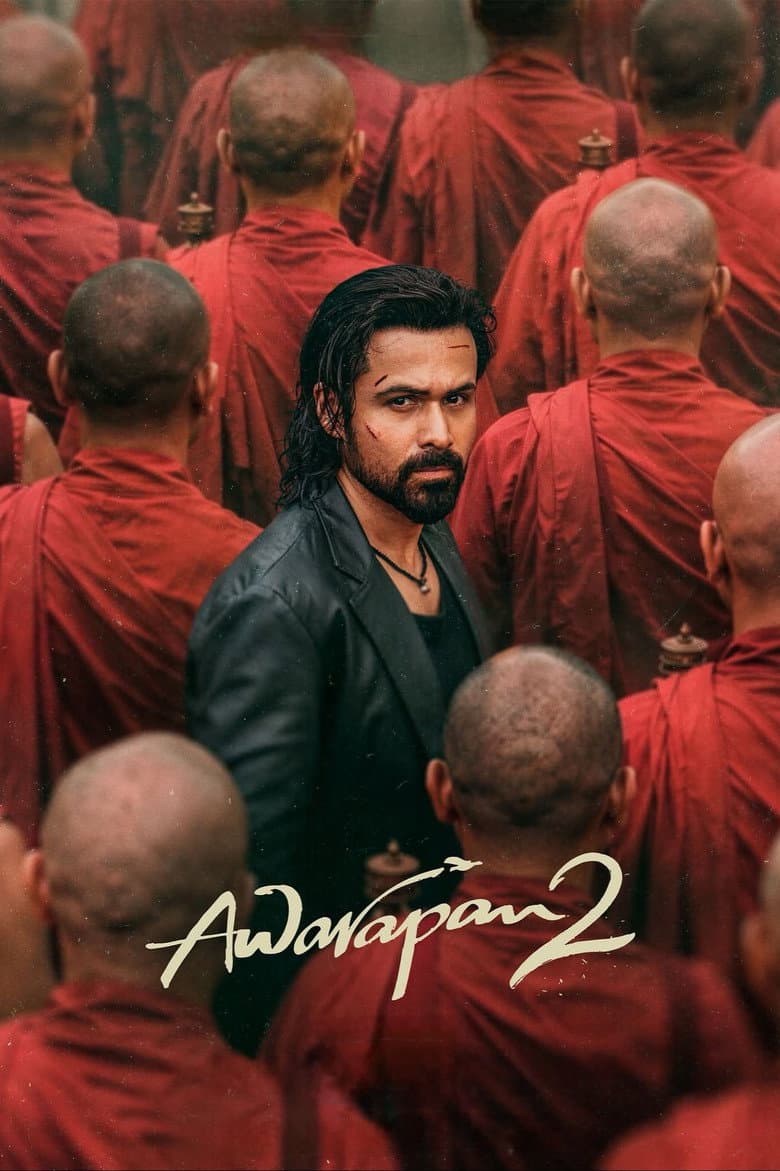
Movie · 2026
Shivam returns to the crime world, where his path forward demands redemption, love, and sacrifice. As relationships deepen and conflicts intensify, every choice tests his resolve…
