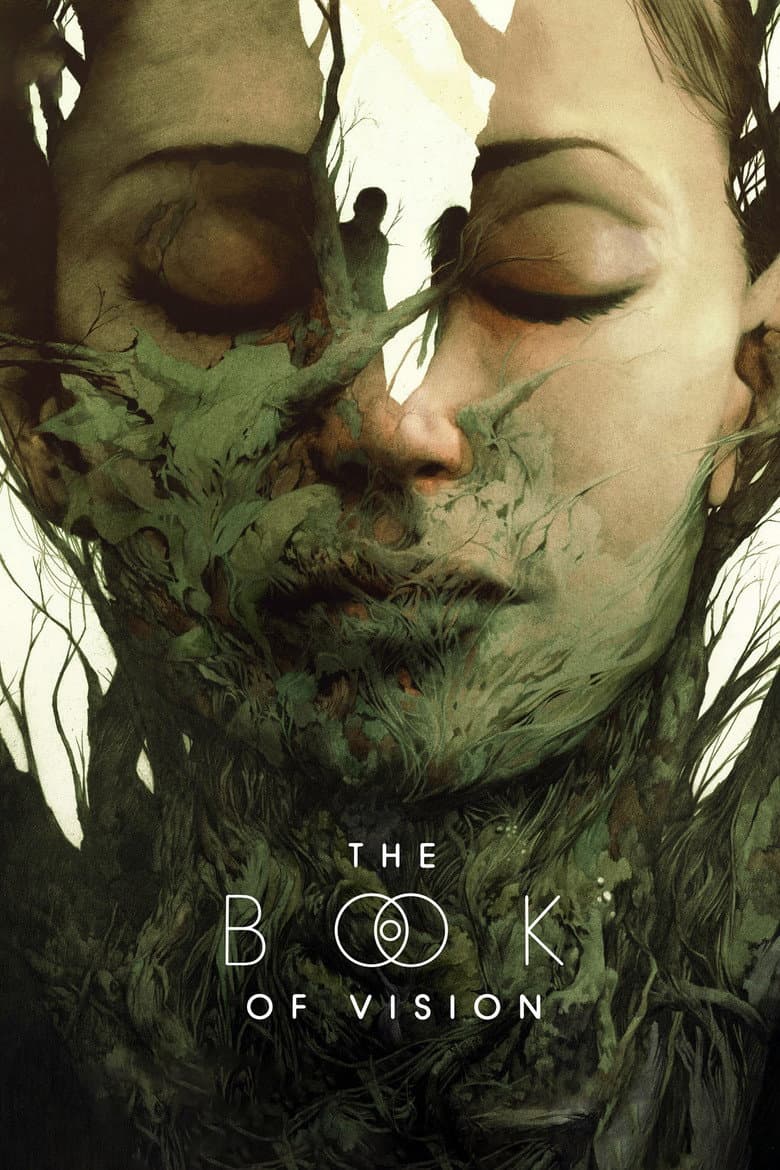
The Book of Vision is a dreamlike drama that connects a modern doctor with an 18th-century physician. The story follows a pregnant woman with a heart condition who studies an old diary about how past doctors treated the human spirit. The movie focuses entirely on deep, spiritual ideas about the human body, nature, and the cycle of life and death.
Community feedback
Was our 17% Woke rating accurate?
Breakdown
These are the editorial factors and ratings behind our score for The Book Of Vision.
Woke representation / casting
Visible LGBTQ+ reference via lead character singing song about trans icon Candy Darling's body hatred; otherwise natural European casting fits story world and periods with no forced diversity or mismatches.
25%
Woke political dialogue
The dialogue has no modern political talk, social justice ideas, or activist words. Characters speak in simple, poetic ways about the body, the soul, and life and death. Some dialogue touches on women's body choices and medical authority without overt activist slogans.
5%
Identity-driven story themes
The story focuses on spiritual ideas about healing and how doctor and patient connect. The main female character has a dangerous pregnancy and chooses to keep her baby, which is a traditional family theme rather than a political one.
0%
Western institutional / cultural critique
The film questions how modern medicine treats the body like a cold machine instead of listening to the human soul. This is a spiritual and artistic idea, not a modern activist attack on Western culture, capitalism, or traditional male roles.
5%
Woke character or canon changes
Not relevant. This is an original story with fictional characters, so there are no changes to existing characters or history.
0%
Anti-woke backlash and complaints
There is no political backlash, controversy, or complaining about this movie. It was a small film shown mostly at art festivals.
0%
Creator track record context
The main creators, like the director and Terrence Malick, have histories of making spiritual and artistic films without political messages. Only a few minor partners have progressive backgrounds, making the overall group very traditional.
8%
Production
Movie · 2018
Over the course of 12 years, and three stages of life, Sidney Hall falls in love, writes the book of a generation and then disappears without a trace.
Movie · 2016
Porter Wren is a Manhattan tabloid writer with an appetite for scandal. On the beat he sells murder, tragedy, and anything that passes for the truth.
Movie · 2019
Professor James Murray begins work compiling words for the first edition of the Oxford English Dictionary in the mid 19th century, and receives over 10,000 entries from a patient…
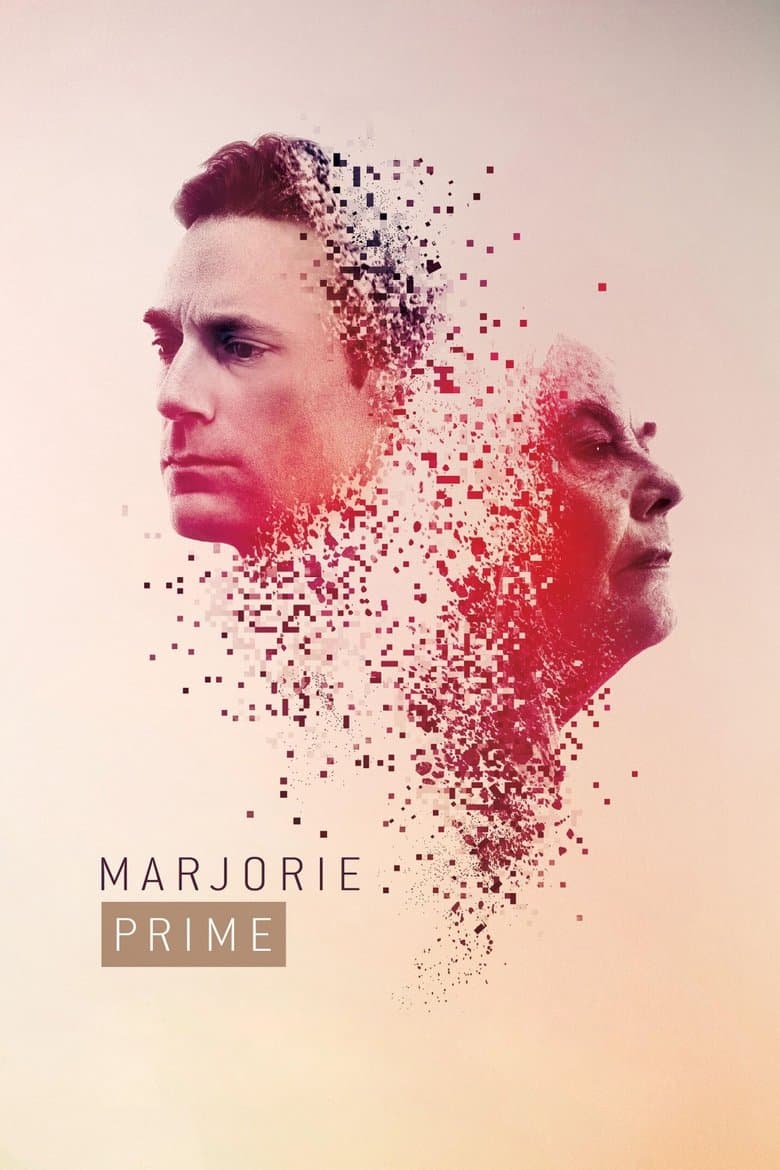
Movie · 2017
A service which creates holographic projections of late family members allows an elderly woman to spend time with a younger version of her deceased husband.
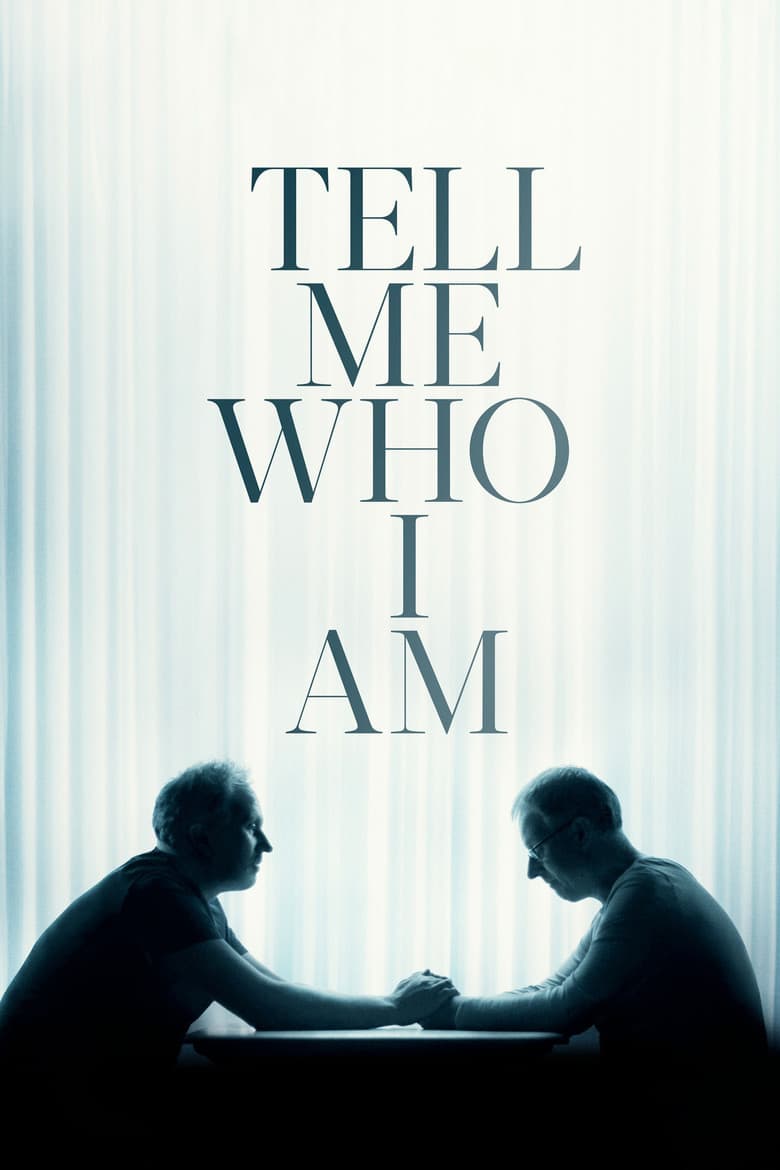
Movie · 2019
In this documentary, Alex trusts his twin, Marcus, to tell him about his past after he loses his memory. But Marcus is hiding a dark family secret.
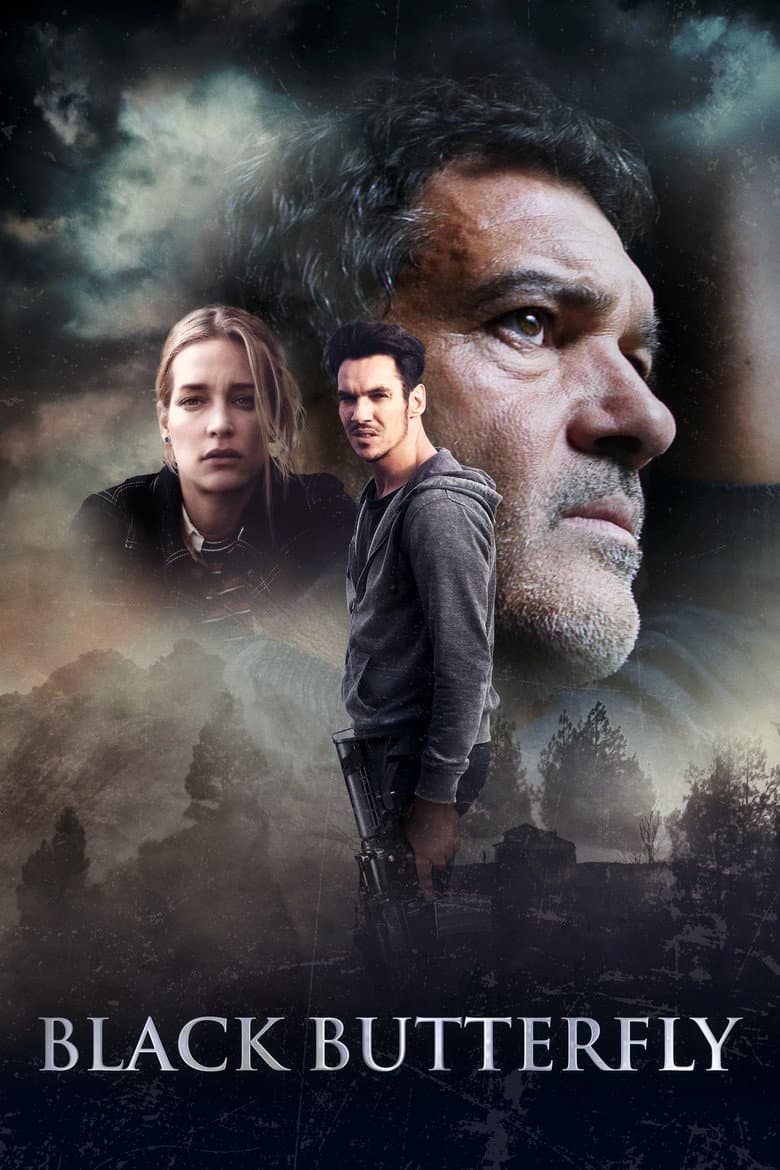
Movie · 2017
Paul is a down-on-his-luck screenwriter who picks up a drifter and offers him a place to stay. However, when the deranged stranger takes Paul hostage and forces him to write…
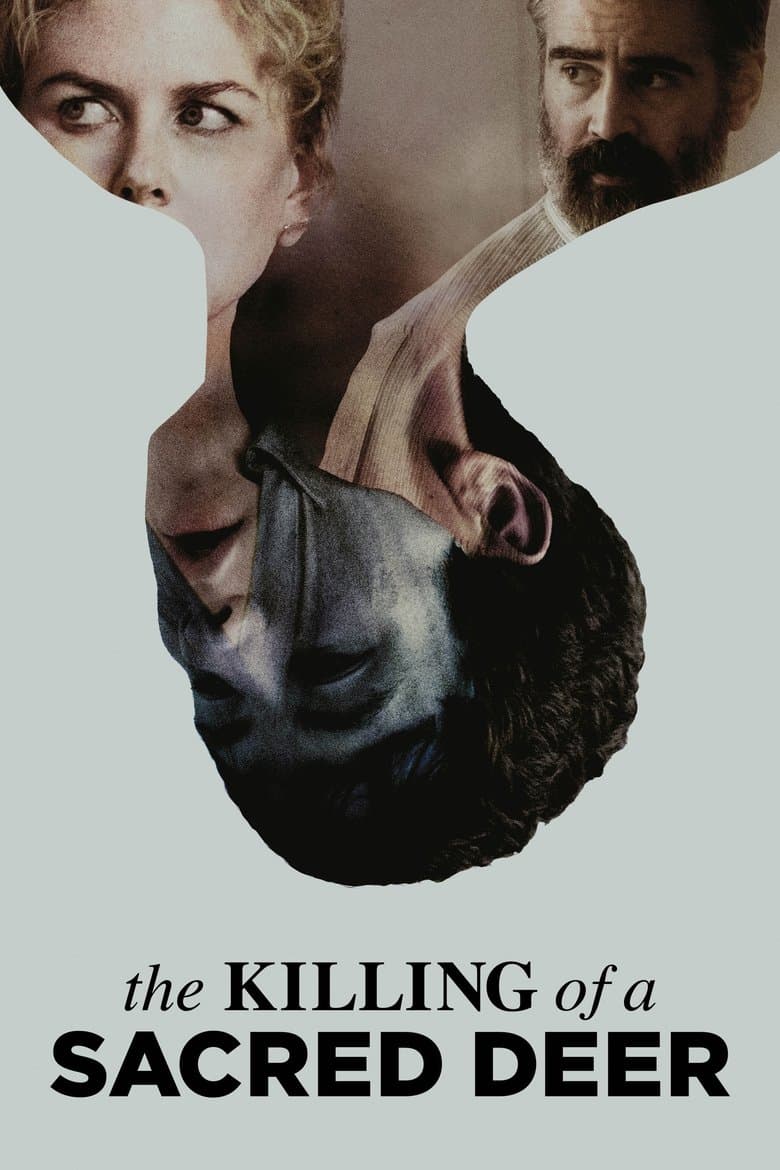
Movie · 2017
Dr. Steven Murphy is a renowned cardiovascular surgeon who presides over a spotless household with his wife and two children.
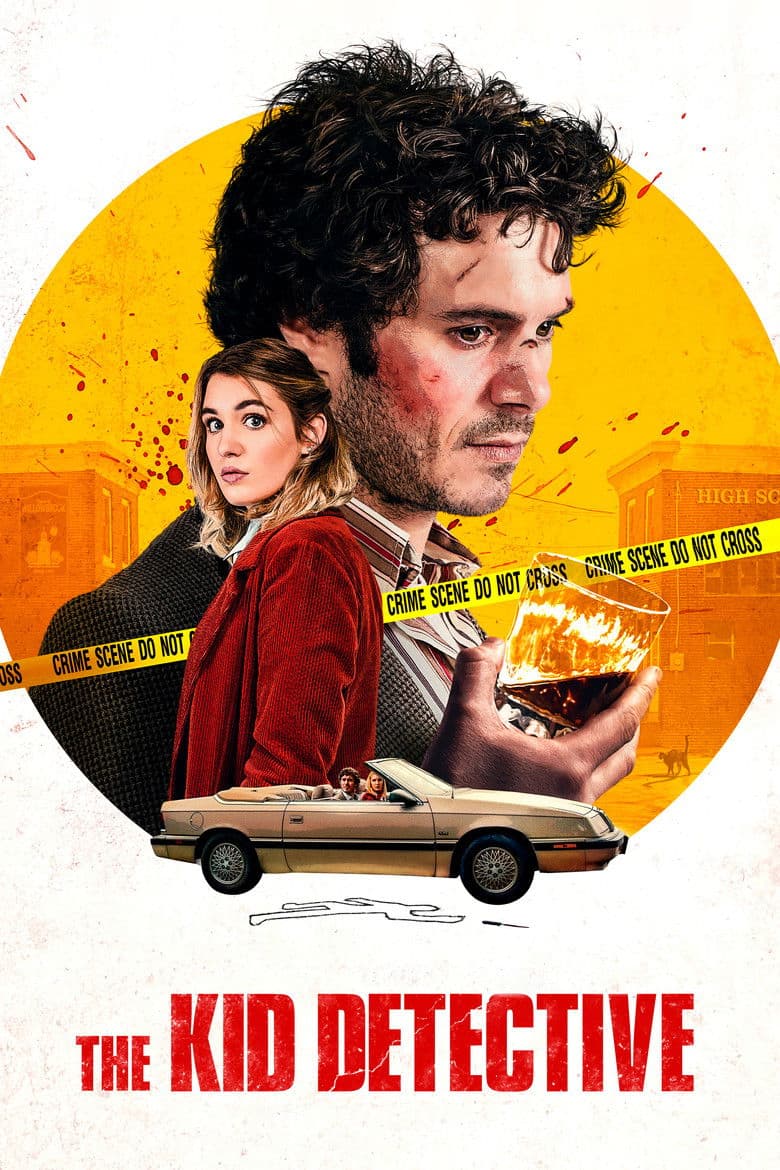
Movie · 2020
A once-celebrated kid detective, now 31, continues to solve the same trivial mysteries between hangovers and bouts of self-pity.
